



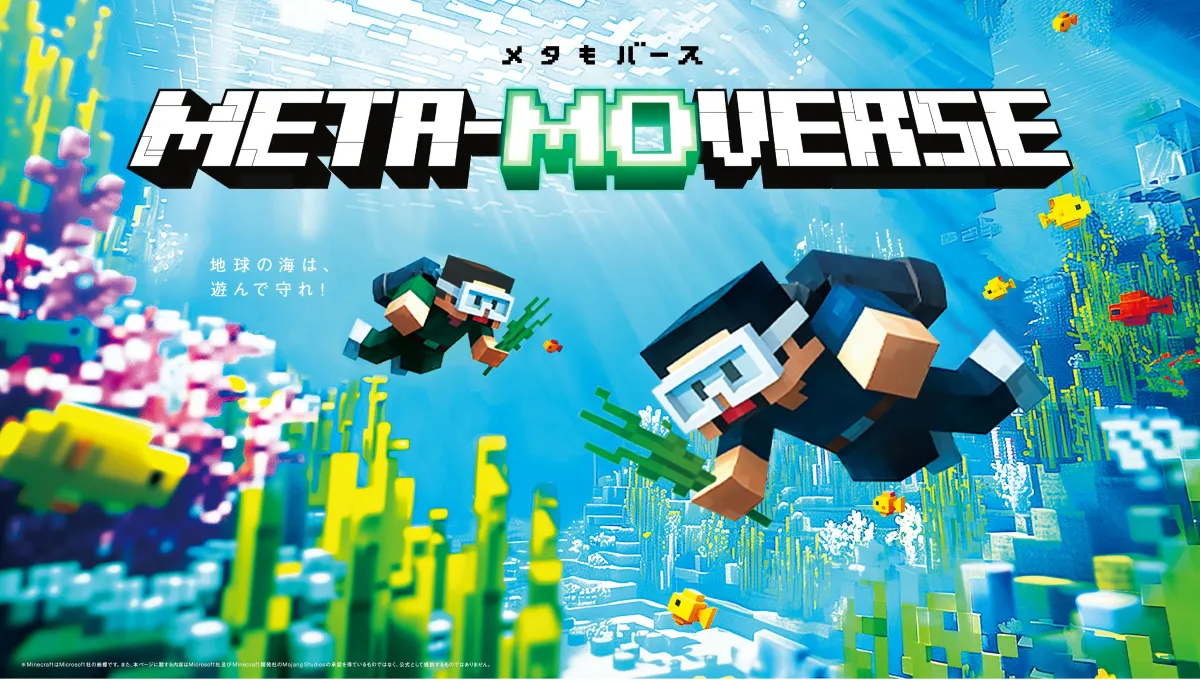
Creating a New Wave of Marine Conservation Through Gaming at META-MOVERSE
META-MOVERSE: Gaming for Marine Conservation
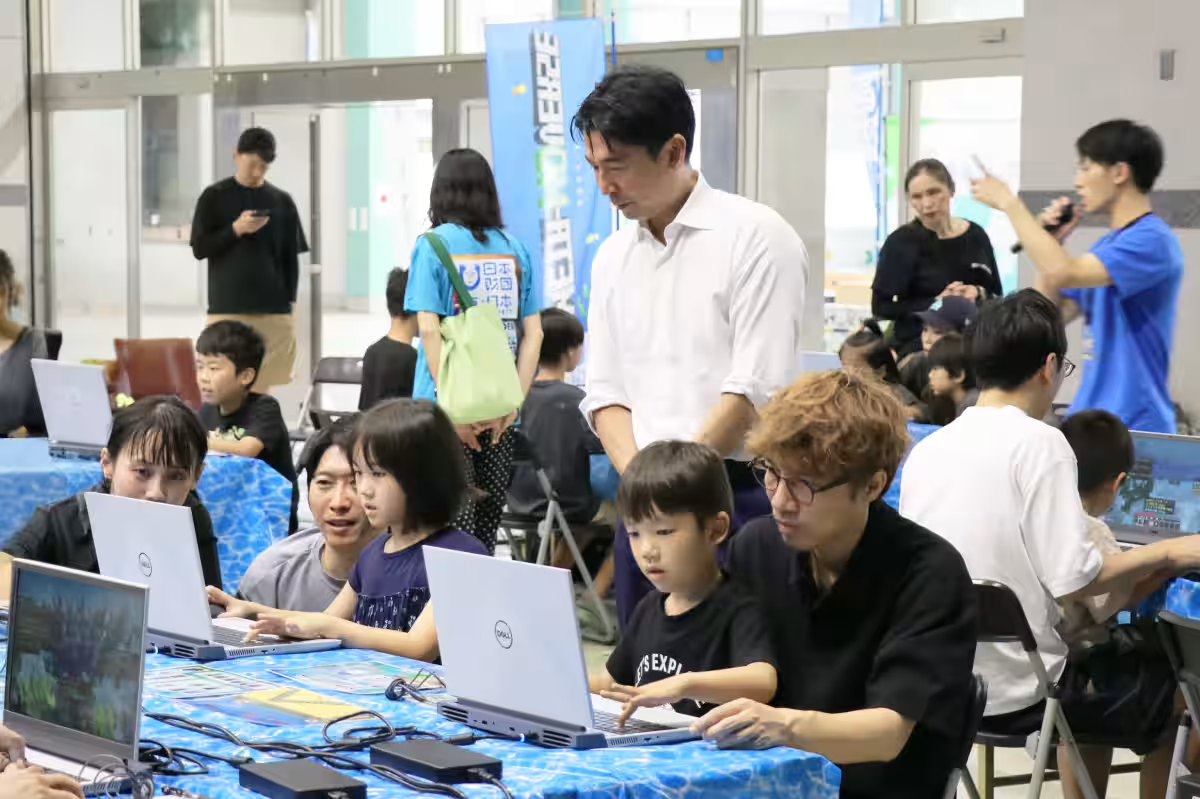
On September 6th and 7th, 2025, approximately 500 participants gathered at the Hamana Lake Sun Hall for the first-ever educational event utilizing Minecraft for environmental learning, dubbed META-MOVERSE. Organized by the Earth Centric Design Lab (ECD) in collaboration with the Nippon Foundation's 'Ocean and Japan Project' and Keio University’s future co-creation research lab, this event was an opportunity to engage children and parents alike in a unique approach to marine conservation.
Overview of the Event
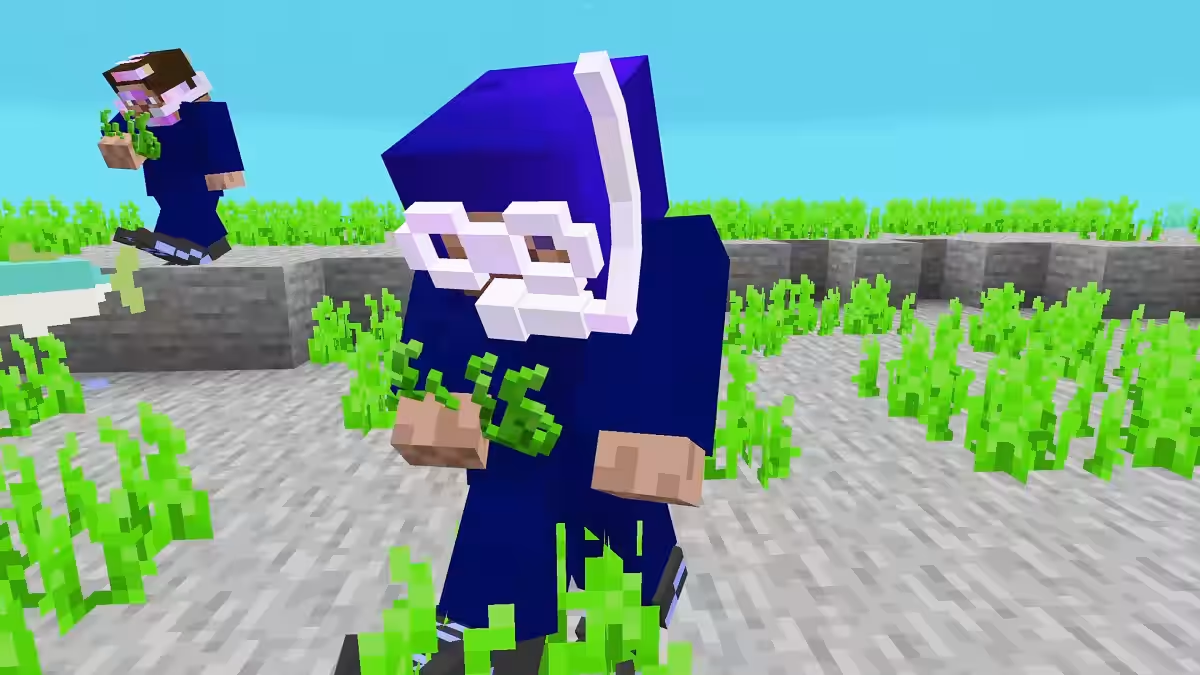
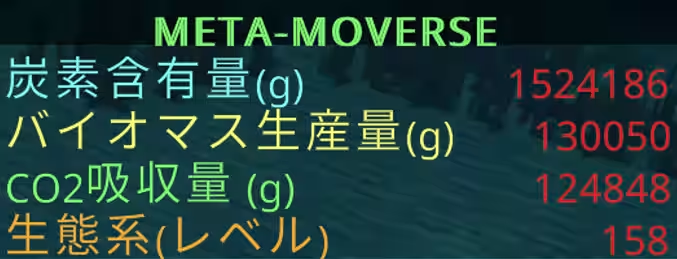
The META-MOVERSE event focused on using Minecraft to teach participants about marine ecosystems and the importance of seagrass, known as Amamo, which plays a crucial role in carbon dioxide absorption. Throughout the two days, participants planted Amamo, achieving the equivalent of approximately 873 kg of CO₂ absorption – the equivalent of 62 cedar trees. This interactive educational experience emphasized the potential of gaming to create positive environmental impacts, sparking interest in blue carbon education.
Highlights of the Event
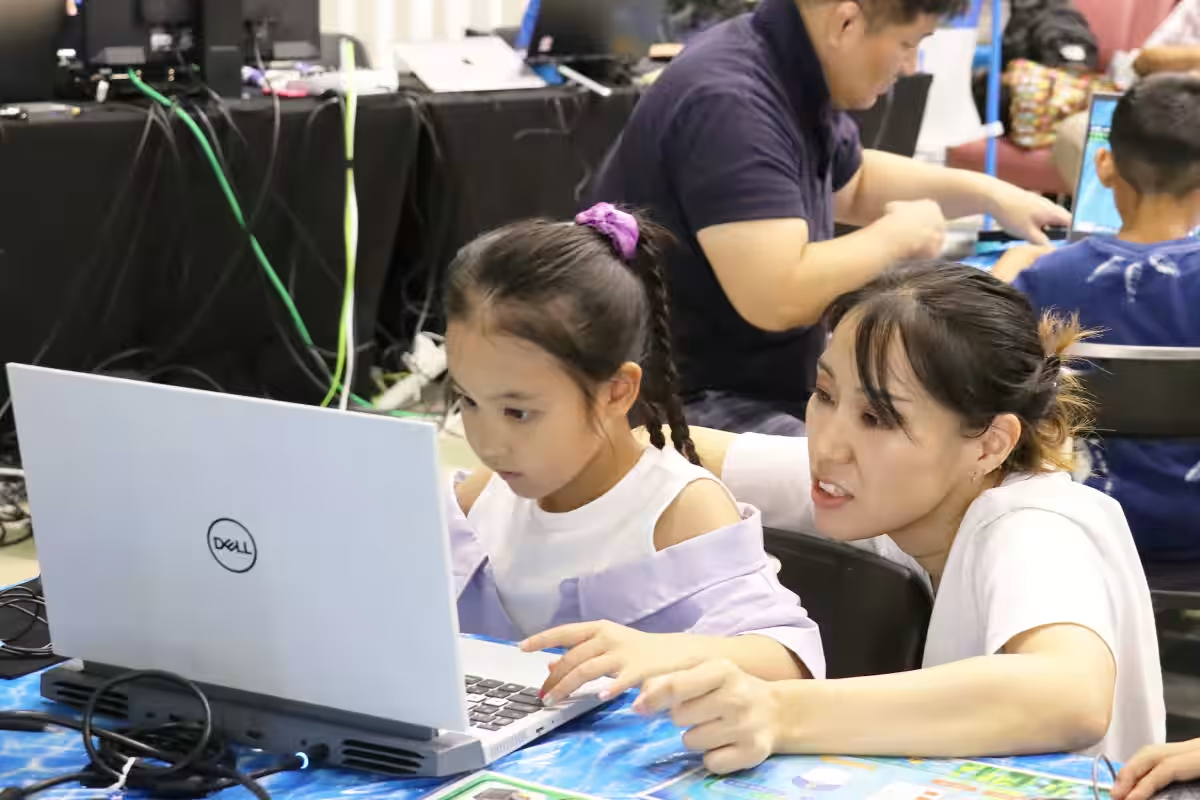
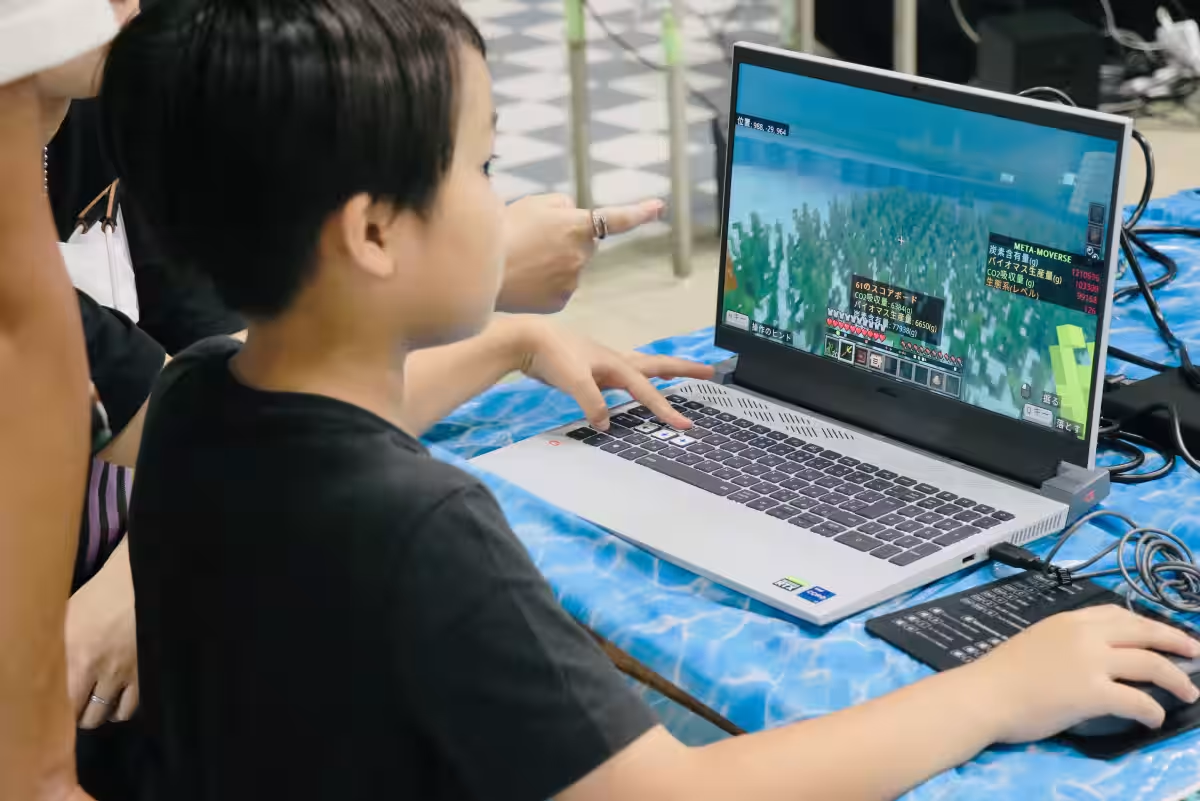
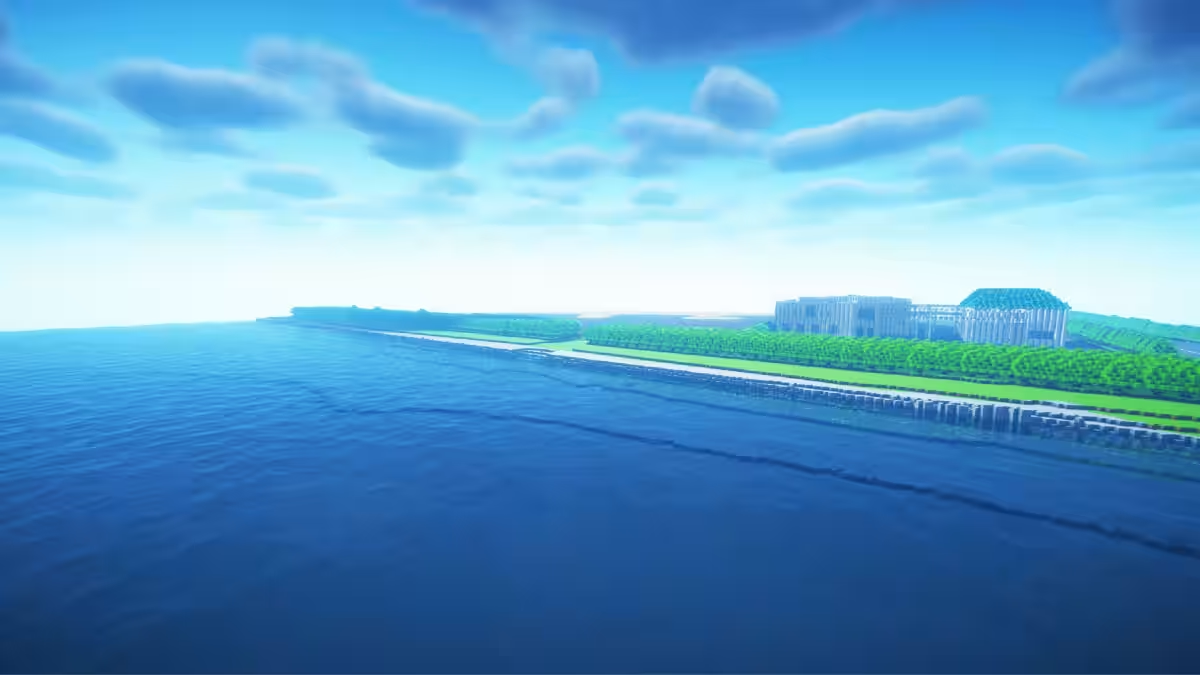
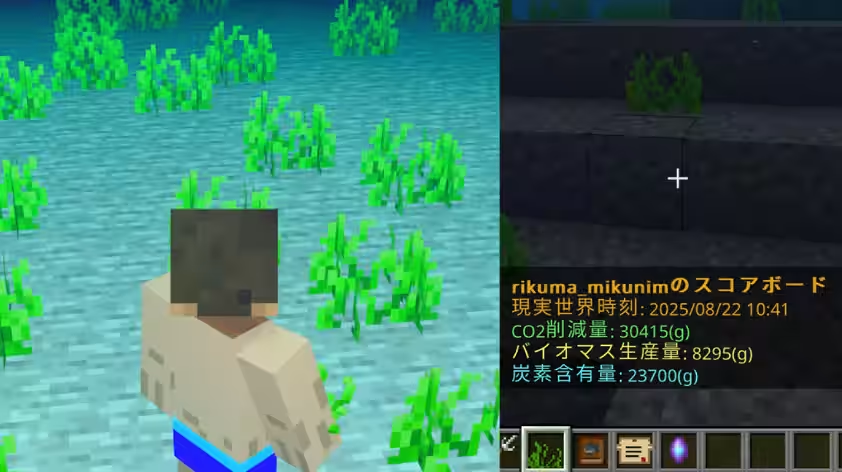
- - Engagement with Amamo Planting: Children were captivated by the mission to plant Amamo, facilitated through specially designed Minecraft worlds that closely mimicked the real environment of Hamana Lake. Participants accessed the game via 20 stationed PCs, embarking on their unique Amamo planting missions while witnessing the growth of fish and underwater life in real-time. The feedback from the children was overwhelmingly positive, with many expressing joy in planting as much Amamo as possible.
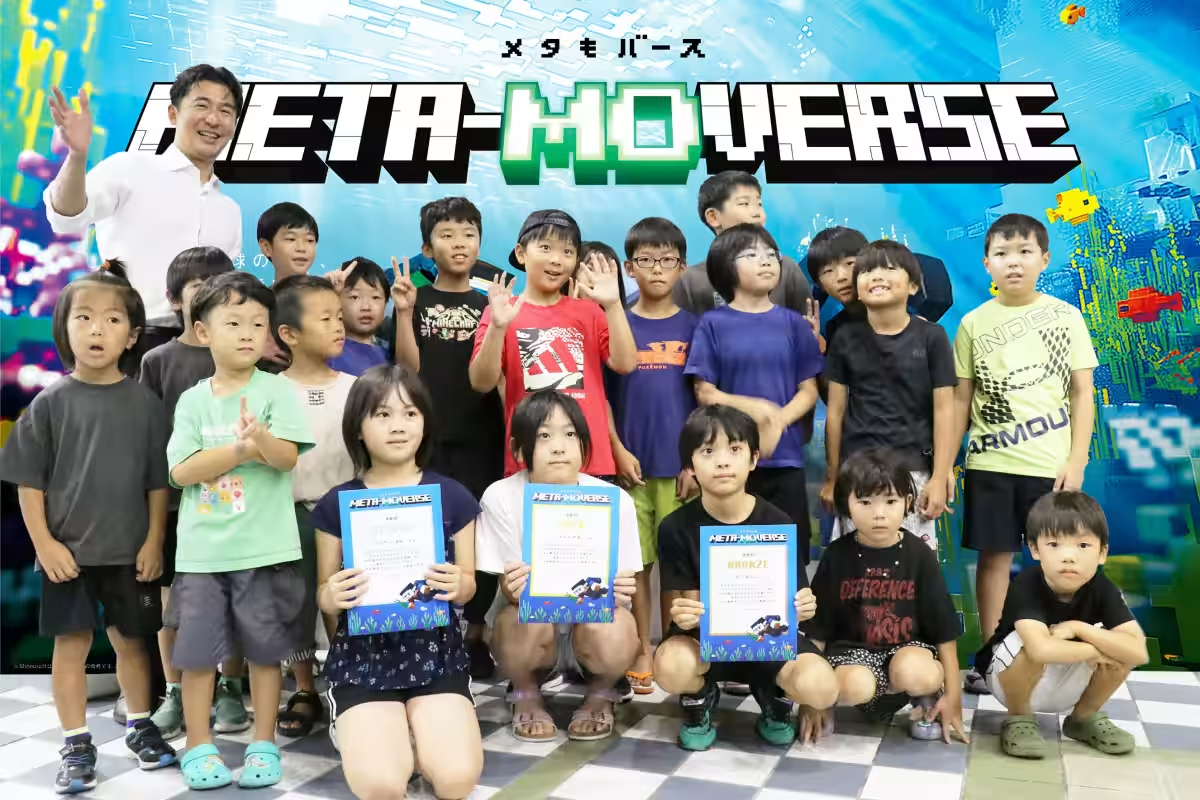
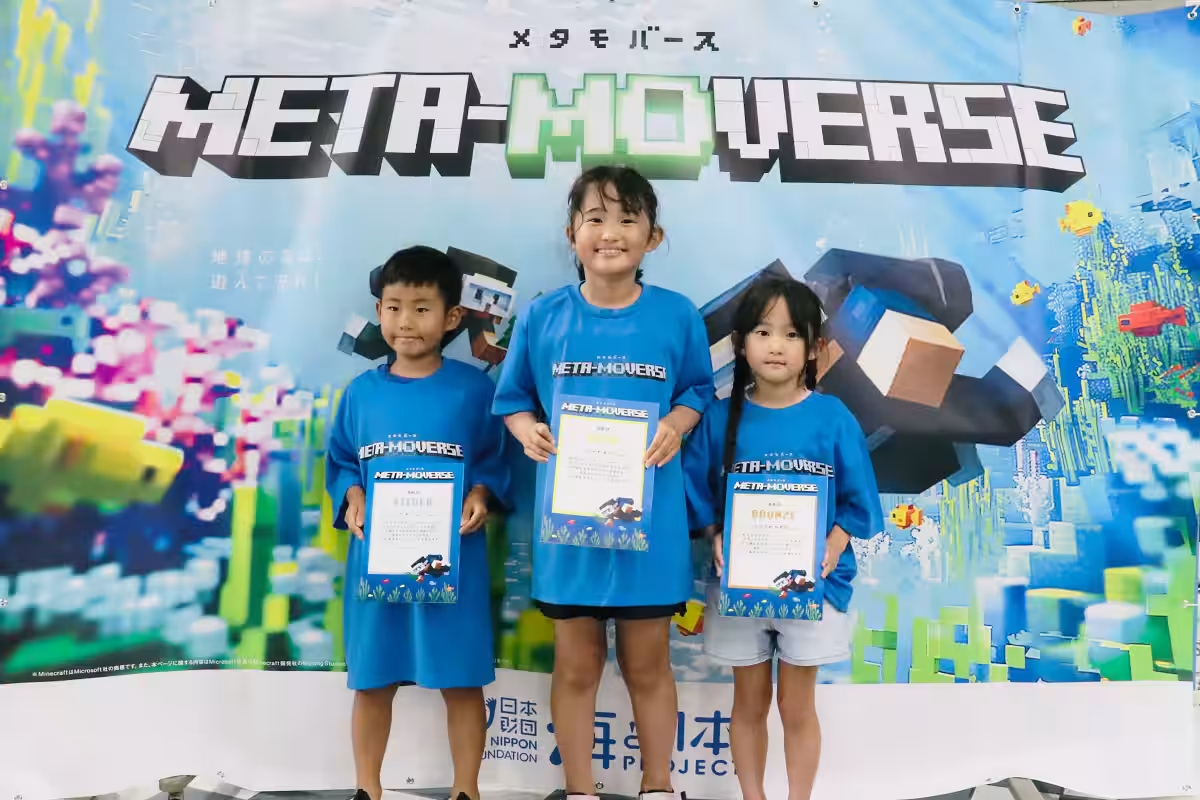
- - Recognition for Achievement: The three players who planted the most Amamo in-game were celebrated with awards, creating a spirited environment of excitement and accomplishment. As the event proceeded, every child raised their hands when asked if they had enjoyed the day, and smiles filled the venue.
- - Connecting Virtual Action with Reality: The Amamo planted in the Minecraft world will be physically planted in Hamana Lake in spring 2026, reinforcing the concept that actions taken in the virtual realm have real-world implications. Such activities are regarded as vitally important for ecosystem restoration, particularly given the declining seagrass meadows in Japan.
Why Gaming Can Help Protect Our Oceans
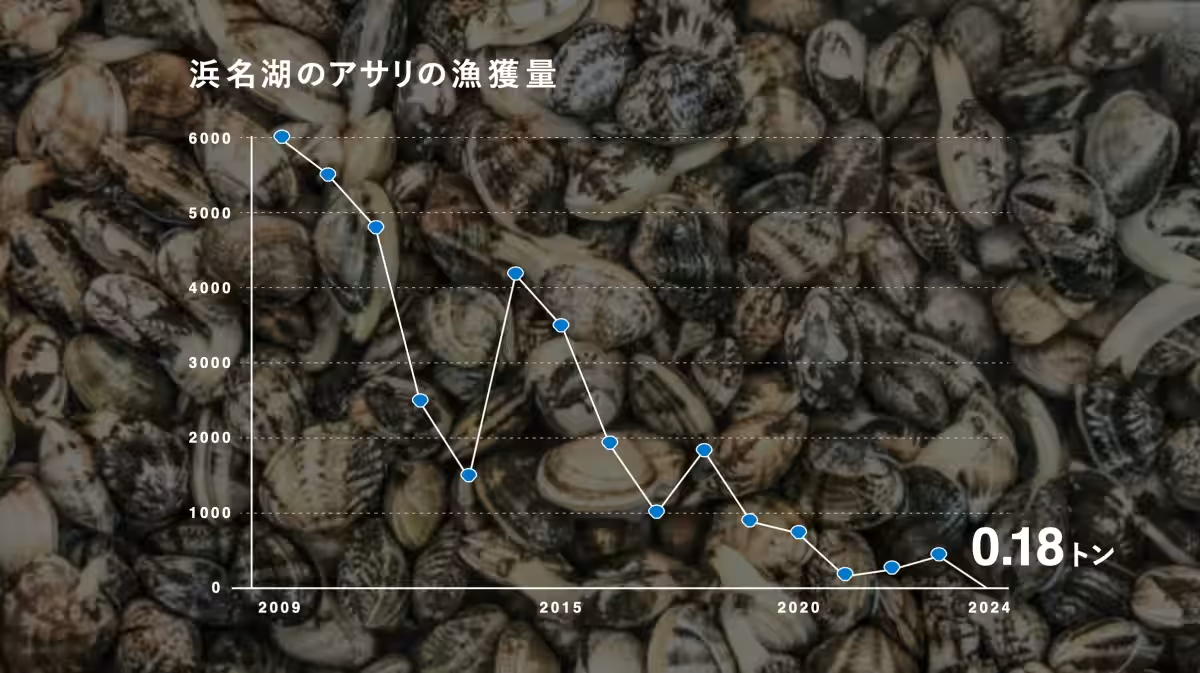
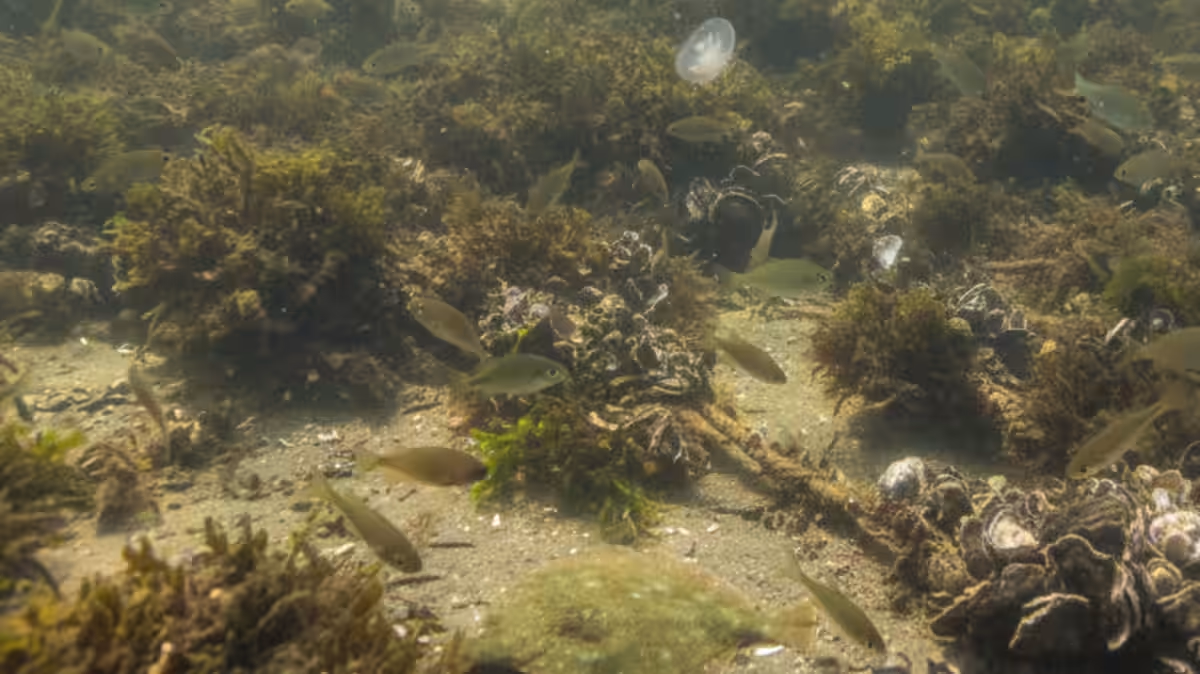
Seagrass meadows, renowned as nurseries for fish, absorb more CO₂ than forests and significantly contribute to the purification of water and biological diversity. However, Japan has seen a reduction in seagrass beds, leading to ecological challenges such as the drastic decline in clam populations. The reasons for these issues are often linked back to the loss of seagrass.
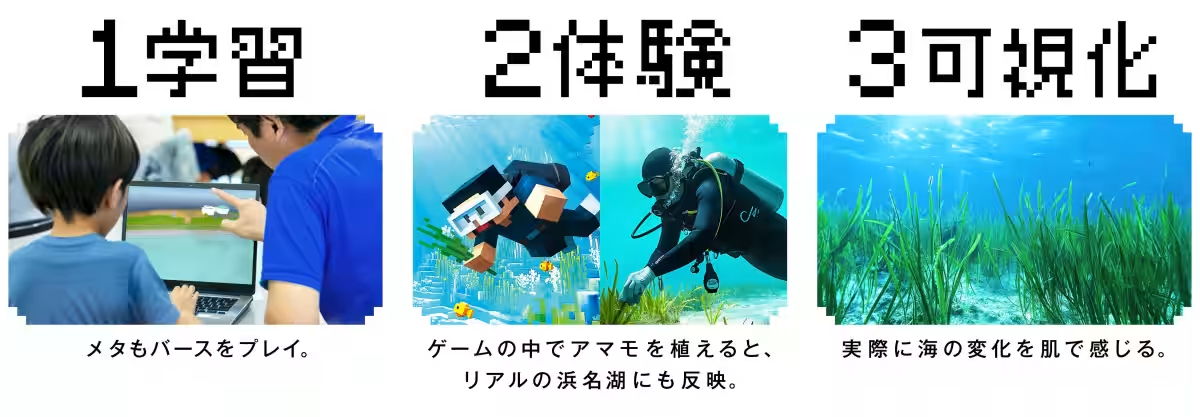
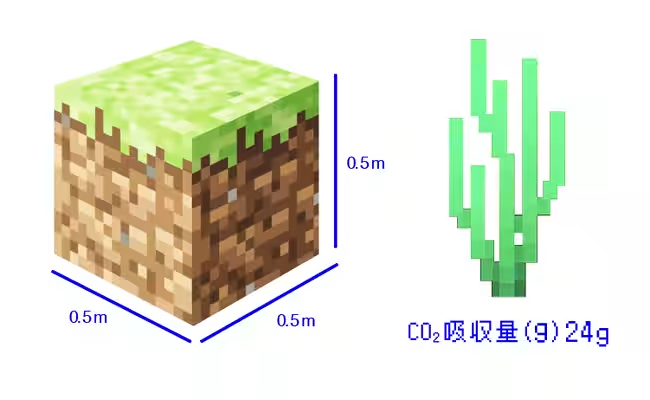
At META-MOVERSE, when participants plant Amamo in the game, a corresponding amount is set to be planted at the actual lake in the same coordinates, merging real-world ecological efforts with an interactive gaming experience. Each square block planted represents around 24g of CO₂ absorption, clearly linking children's gaming actions to environmental benefits.
Additionally, as players see increases in fish populations corresponding with their planting efforts, the program serves as a digital twin of the Hamana Lake ecosystem, illustrating how virtual actions can reflect in real-life ecological restoration.
This new program of learning (understanding), experience (planting), and visualization (seeing the changes) acts as an innovative approach to environmental education, bringing the topic to life through play while imparting the importance of marine conservation to young minds.
Community Support and Future Implications
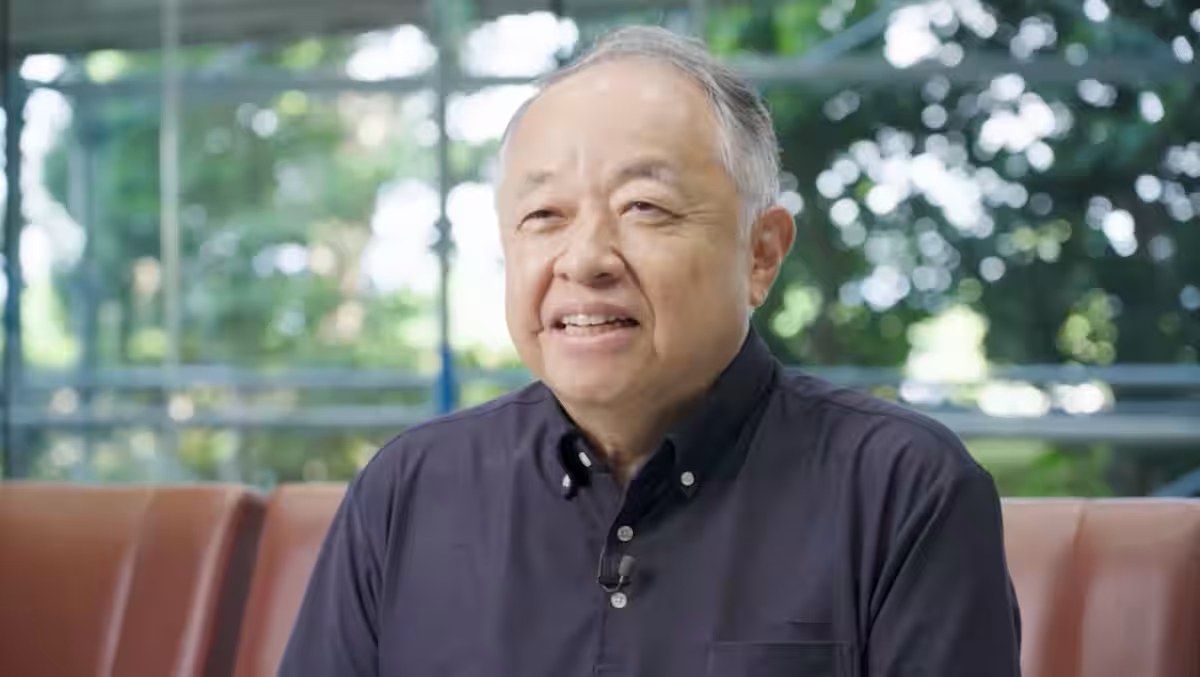
The event garnered support from local fishermen concerned about the decline in clam populations, as well as from Kohji Tanai, the mayor of Kosai City, and university professors specializing in environmental issues. Their comments highlighted the relevance of Amamo restoration for the region's future and the significance of engaging education that leads to real-life experiences.
As participants enjoyed planting Amamo, it was apparent that this initiative could potentially foster a long-lasting interest in marine ecosystems among children and families alike. The fusion of gaming and environmental education not only promotes awareness but also demonstrates a bridge to positive action.
In the future, ECD aims to broaden the scope of the META-MOVERSE initiative, integrating it into various regions across Japan. The overall goal remains to create a dynamic model where children can learn about environmental issues while enjoying the gaming experience. The success of this event represents the first steps toward establishing a nationwide movement aiming to restore and protect our vital marine ecosystems through innovative educational methods.
Conclusion
The engagement and enthusiasm displayed during META-MOVERSE signify a promising approach to environmental education, where gaming serves as a catalyst for real-world change. As the project evolves, it holds the potential to become a vital tool for fostering a generation of environmentally conscious citizens ready to take action in preserving our oceans.







Topics Other)
【About Using Articles】
You can freely use the title and article content by linking to the page where the article is posted.
※ Images cannot be used.
【About Links】
Links are free to use.