



Latest Survey Reveals Key Factors for Seniors' Community Participation
Understanding Senior Engagement in Communities
CosmoLab, a marketing platform focused on seniors, has released a comprehensive report detailing the findings from a recent survey on community participation among individuals aged 50 and over. This survey aimed to uncover the motivations, barriers, and satisfaction levels of seniors regarding their involvement in community activities.
The Participation Gap
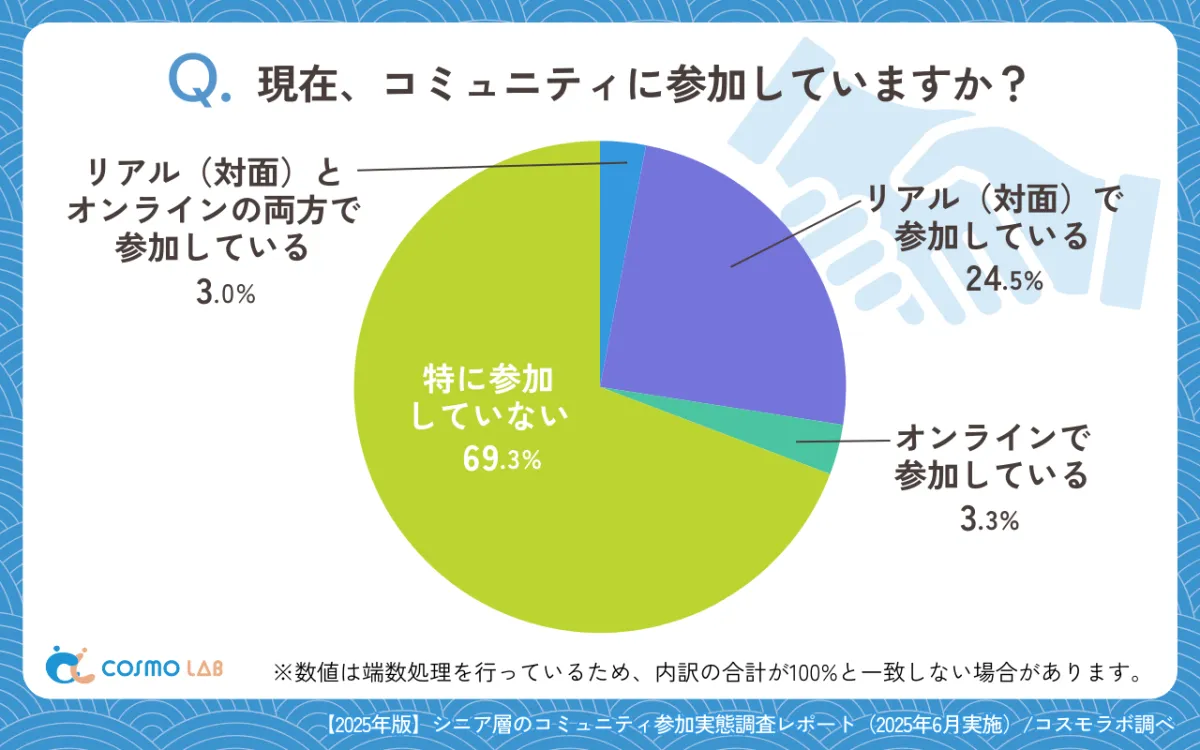
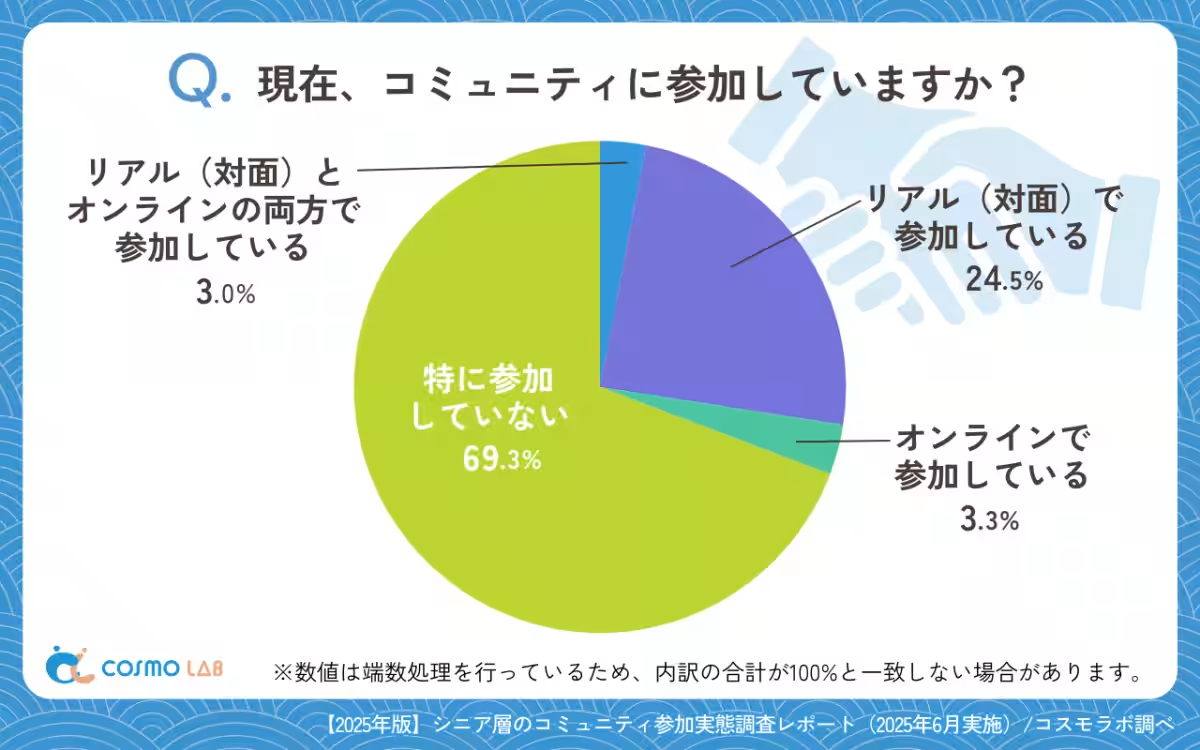
Notably, around 69.3% of respondents indicated they were not actively participating in any community activities. This statistic signals a significant opportunity gap, suggesting that many seniors are while missing out on vital social connections that can help mitigate feelings of isolation and enhance their overall quality of life. The data indicates that social participation is crucial for fostering well-being among this demographic.
Key Activities Among Participants
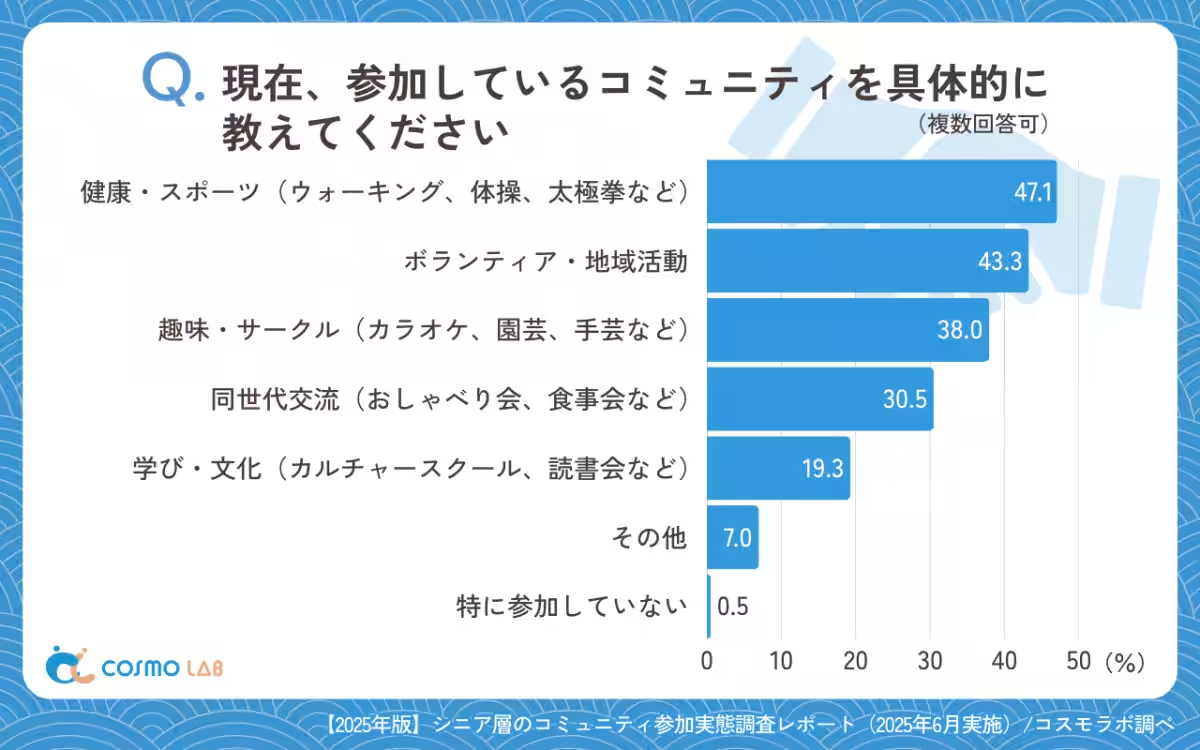
Among seniors who do engage, the primary activities reported included those centered around physical health and social contribution. A considerable 47.1% of participants focused on health-related activities like walking, exercise, and tai chi, while 43.3% engaged in volunteer work and community initiatives. These interests highlight a strong desire among seniors to maintain their health while also giving back to society.
High Satisfaction Rates
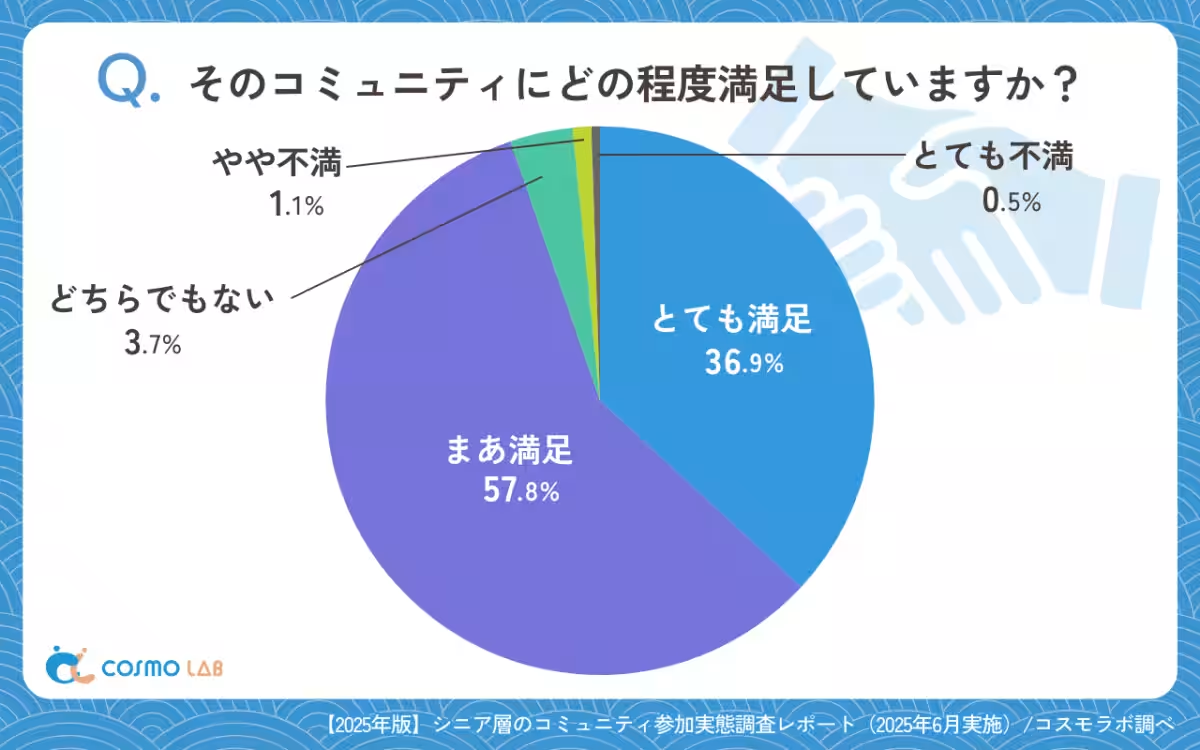
Interestingly, satisfaction levels among community participants were strikingly high. Approximately 57.8% reported being moderately satisfied, and 36.9% described themselves as very satisfied, leading to an overall satisfaction rate of about 94.7%. Such high satisfaction indicates that those involved find considerable value and fulfillment in their community activities, underscoring the benefits of social engagement.
Frequency of Participation
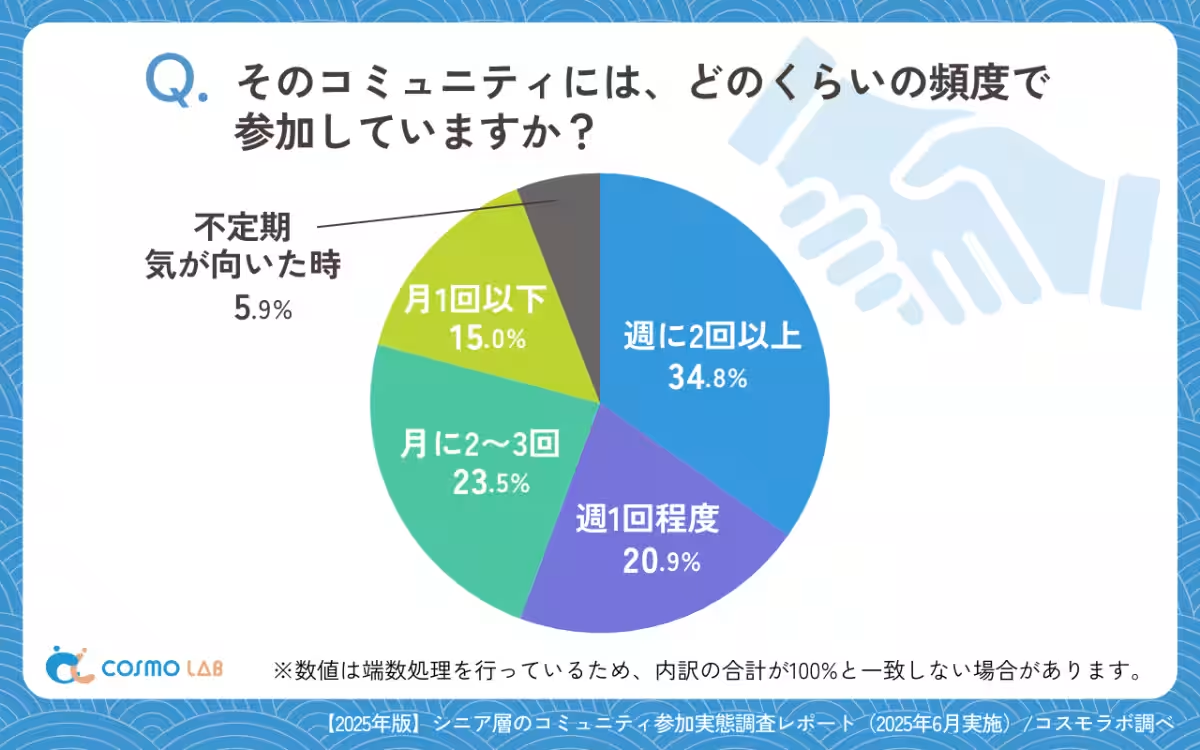
For those actively involved, participation frequency reveals a commitment to community life. About 34.8% of respondents attend community activities more than twice a week, while 23.5% participate two to three times a month. This frequency underscores the importance of community activities in the daily lives of engaged seniors, portraying these gatherings as not merely leisure activities, but essential components of their lifestyle.
Community Engagement Motivations
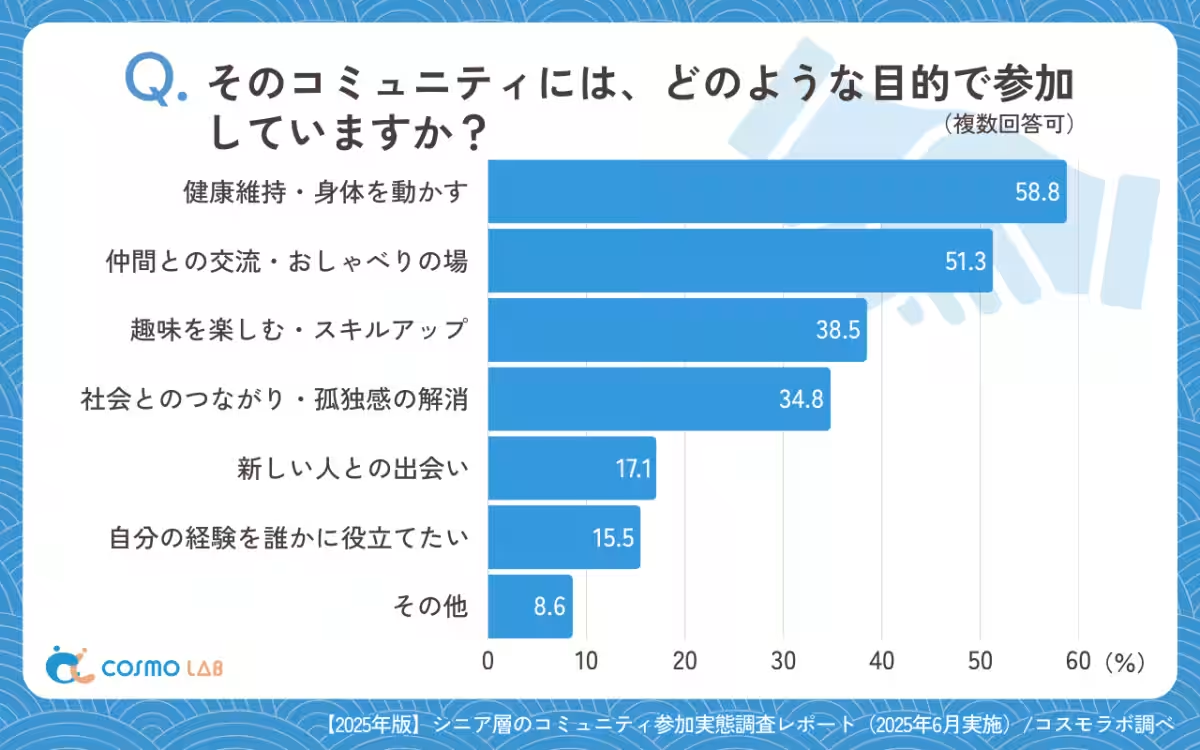
The primary motivation for community participation was maintaining health, with 58.8% emphasizing physical activity's role in their lives. Additionally, 51.3% valued the social interaction these communities provided. Other motivations included pursuing hobbies and learning opportunities, reflecting a broad spectrum of interests that include both personal and social growth.
Barriers to Entry
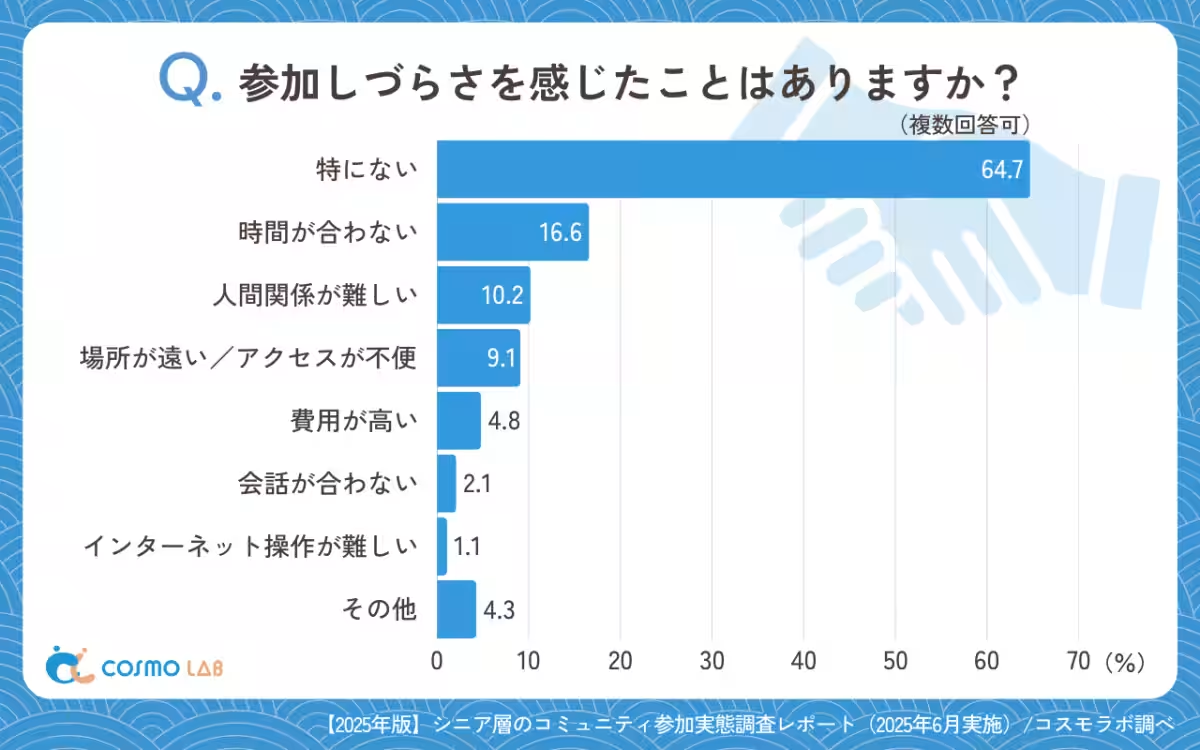
Despite the positive feedback from participants, barriers remain for the majority. While 64.7% indicated they felt no substantial barriers to joining, concerns like incompatible schedules (16.6%), complex social dynamics (10.2%), and logistical issues like distance (9.1%) were noted. This indicates a need for communities to address these challenges to increase participation rates.
Sources of Community Awareness
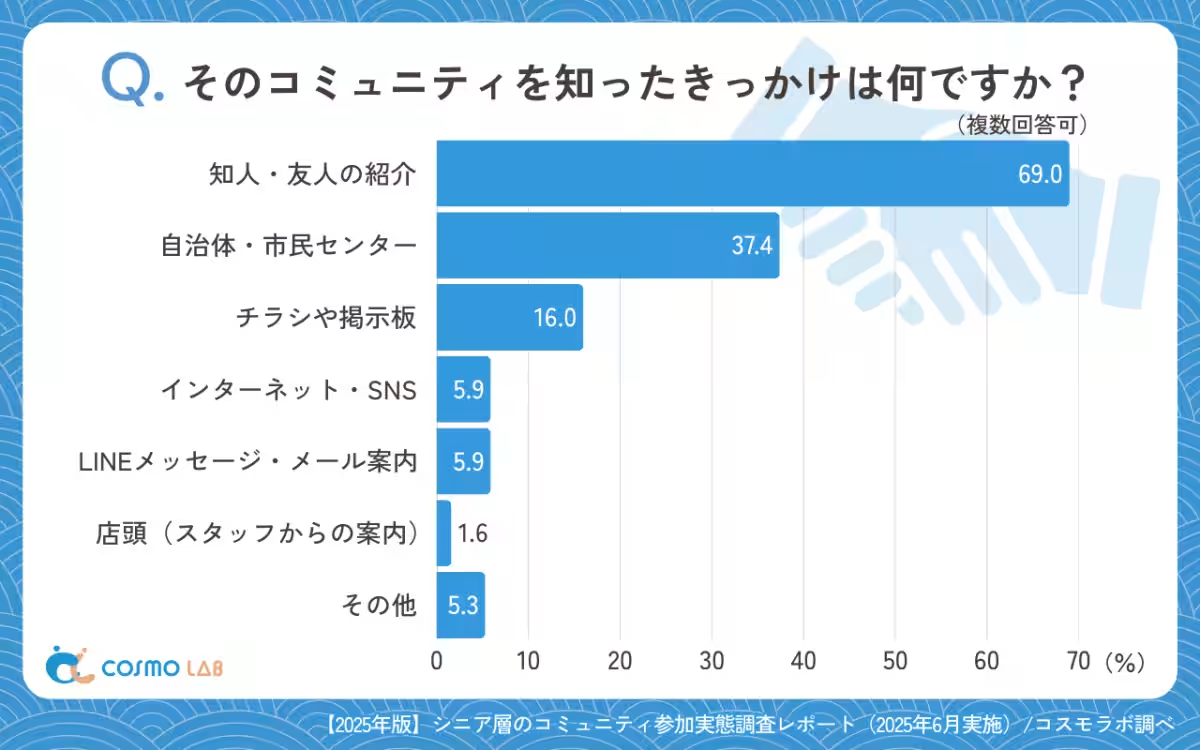
Most respondents (69.0%) learned about these communities through friends and acquaintances, which underscores the significant role of personal networks in facilitating community engagement. The dependency on social recommendations further emphasizes the necessity for outreach and support from existing members to help potential participants feel welcomed.
Future Engagement Opportunities
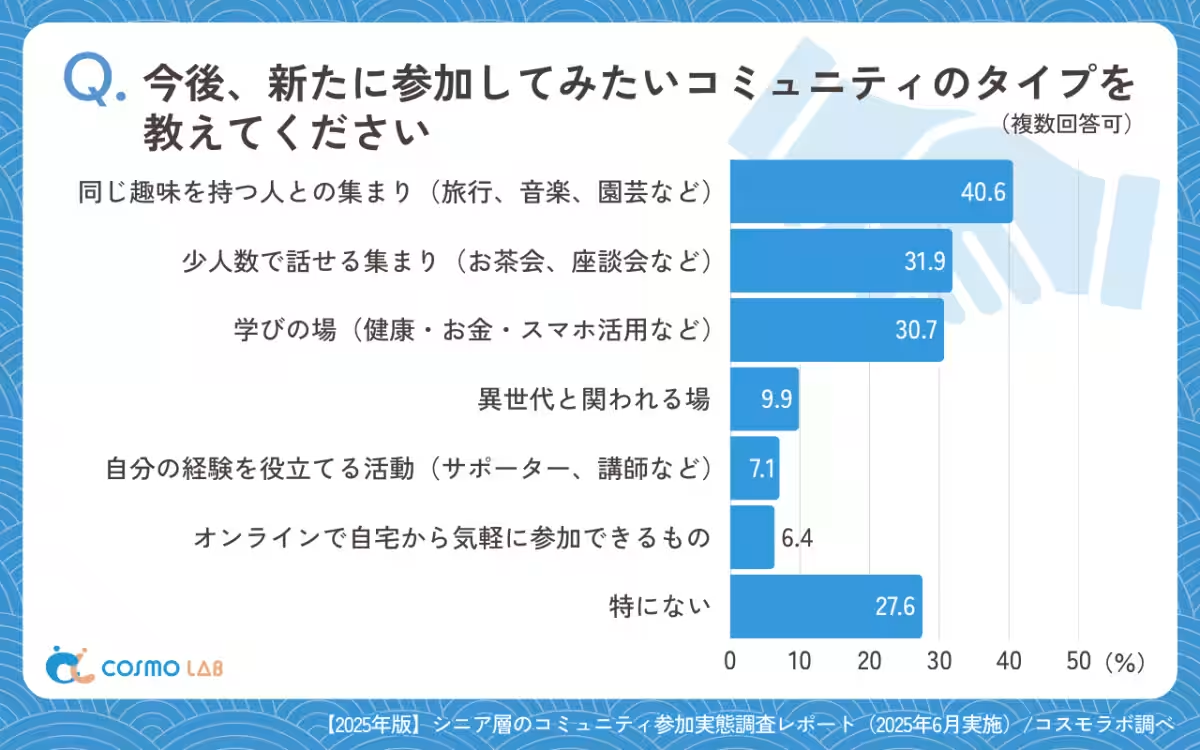
Looking ahead, 40.6% of survey respondents expressed a desire to join communities that share similar hobbies—such as travel, music, or gardening. A notable interest in intimate gatherings for discussion or learning about health and technology was also highlighted among the respondents. This data suggests an opportunity to develop new community programs tailored to the interests of seniors.
Preferred Participation Formats
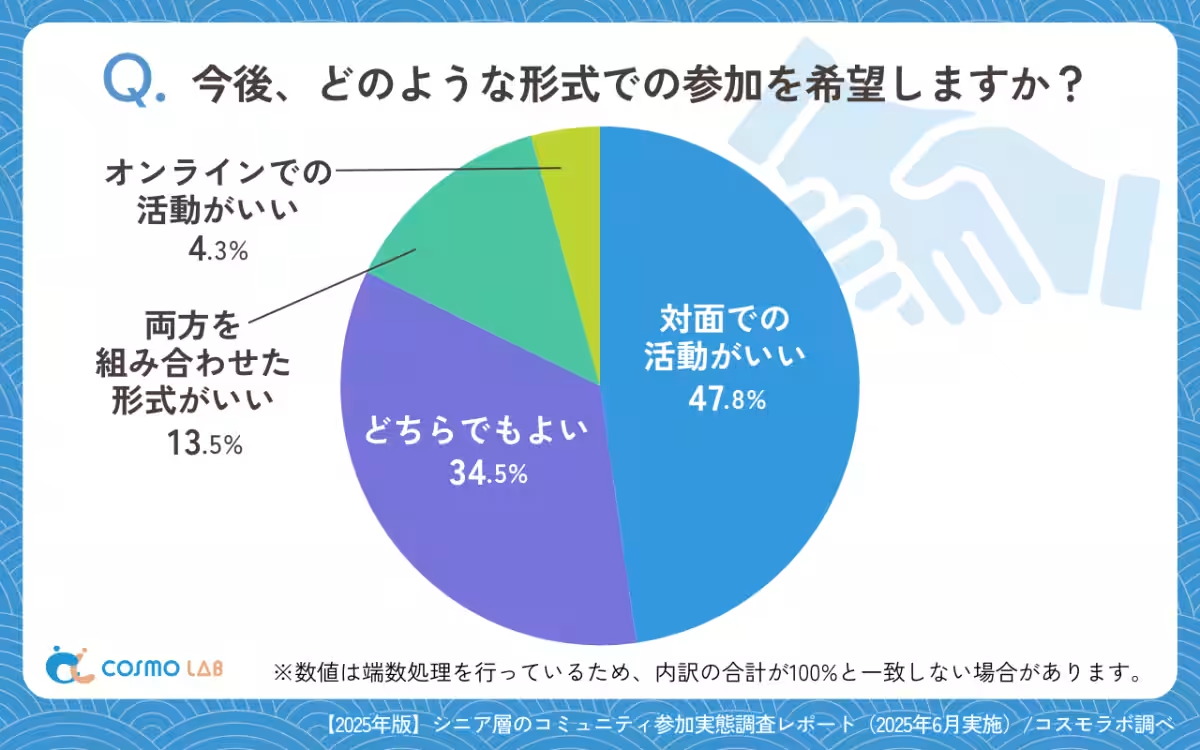
When asked about their preferred way to participate, 47.8% of seniors favored face-to-face activities while 34.5% remained comfortable with either format. The preference for in-person engagement indicates a strong desire for direct human interaction, which is essential for building connections in an increasingly digital world.
Conclusion
The findings from CosmoLab's survey highlight a pronounced disparity between high non-participation rates among seniors and the notable satisfaction levels among those who do engage. Factors such as the emphasis on health and social interaction play a significant role in their community involvement.
To foster greater community participation, organizations need to create inclusive environments that focus on the health and social benefits of involvement while minimizing barriers associated with participation. Leveraging personal networks and emphasizing the values of engagement can play pivotal roles in bridging this participation gap and enhancing the lives of seniors across various communities.
For further insights and detailed reports on senior market trends and community engagement, please visit CosmoLab's website.
Topics People & Culture)

【About Using Articles】
You can freely use the title and article content by linking to the page where the article is posted.
※ Images cannot be used.
【About Links】
Links are free to use.