



Reflections on the Atomic Bomb 80 Years Later: A Call for Peace and Understanding
Reflections on the Atomic Bomb 80 Years Later
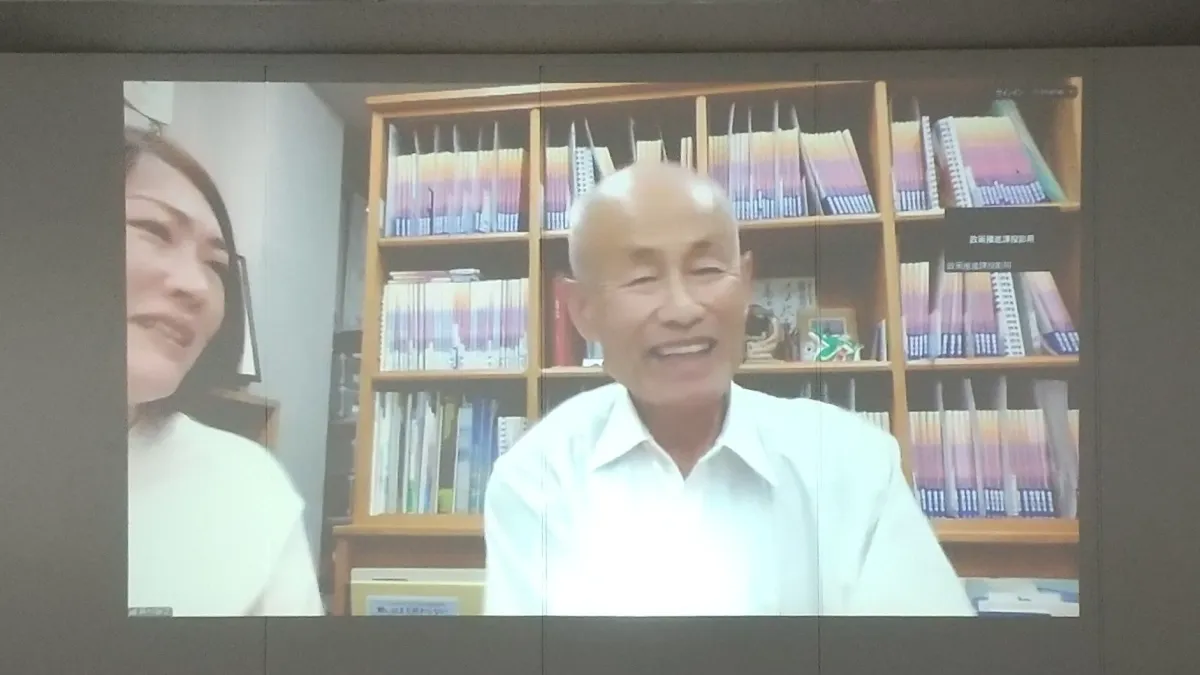
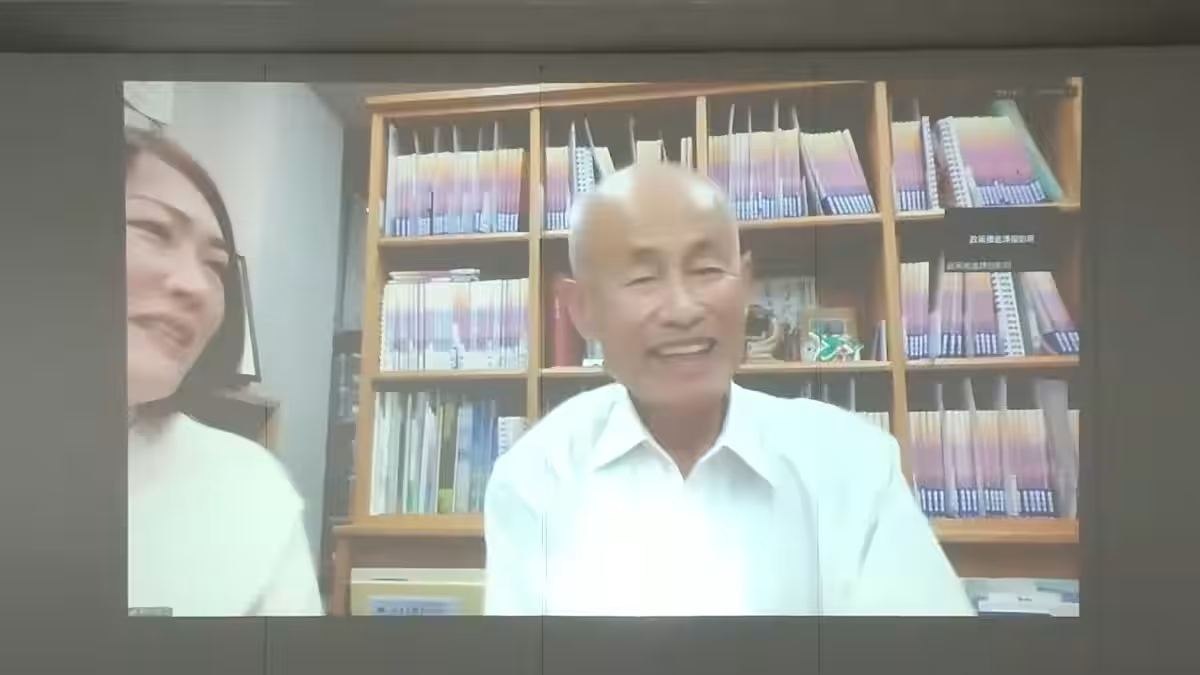
In July, the Tokyo-based living cooperative Pal System Tokyo hosted an impactful event that connected audiences across regions to reflect on the 80th anniversary of the atomic bomb. Key speakers included Tomoyuki Mimaki, the representative of the Japanese Atomic Bomb Victims Council (Nihon Hibakusha Dantai Kyogikai), who is also a survivor of the atomic bombing in Hiroshima. This event aimed to address the transformation of Japanese society from wartime through to the present day, as well as to advocate for the abolition of nuclear weapons.
A Legacy of Perseverance
Drawing a crowd of around 130 attendees, including those participating online, the event highlighted the importance of never giving up. Born in 1942 in Tokyo and evacuated to Hiroshima after the bombing, Mimaki shared vivid memories of that tragic day. He recalled the moment when he saw an intense light in the sky while playing outside, a prelude to the chaos that followed when countless injured individuals passed by his home, leading him to seek shelter in fear.
Concerned for the long absence of his father, Mimaki’s mother took him and his brother on a search through the city, exposing them to deadly radiation. He speculated that prolonged illnesses he faced during his youth were likely a consequence of radiation exposure from the bombing.
Mimaki's journey into activism began in 2005 when he met Naoko Tsuboi, a former representative of the Japanese Atomic Bomb Victims Council. Inspired by Tsuboi’s commitment to peace, Mimaki embraced the message that nuclear weapons must never be used again, viewing it as his responsibility to carry forward the sentiments of those who endured such devastation.
Through his advocacy, Mimaki has traveled to American schools, sharing the horrors resulting from the atomic bomb. He recounted a poignant moment in New York where a young girl broke into tears, expressing that she felt the impact of war’s brutality. In contrast, many adults in the audience held a positive view of the atomic bombings, prompting Mimaki to change his approach. He began by acknowledging Japan’s attack on Pearl Harbor, opening a dialogue and fostering mutual understanding—a crucial step towards building peace.
Mimaki emphasized the significance of the Nobel Peace Prize awarded to the Japanese Atomic Bomb Victims Council, attributing it to the relentless testimonies of figures like Tsuboi who echoed a steadfast resolve to never give up. With the average age of hibakusha (atomic bomb survivors) now over 86, the number of official certificate holders is anticipated to fall below 100,000 by 2024. He urged young people to stand against war, ensuring that Japan does not find itself embroiled in conflict again once survivors are gone.
The Weight of Testimony
Following Mimaki's testimony, Shunsuke Taga shared his experiences as a second-generation survivor who has dedicated his life to peace education. As a high school social studies teacher, he has led students on field trips to various war memorials, providing them with tangible insights into the devastations of war. However, he recounted a moment of disbelief when he approached a teacher who had survived the atomic bombing, asking them to share their experiences; only to be met with a firm refusal, highlighting the heavy burden of recounting such trauma.
Taga reflected on the importance of an empathetic audience: "The ability to share painful experiences derives from the listeners’ willingness to absorb that pain. Many survivors feel as though sharing their trauma is akin to extracting their very lives. It’s essential to foster opportunities for cross-generational learning." He continues to serve as a Hiroshima Peace Volunteer, emphasizing the critical need for awareness about the long historical journey of those affected by the bomb and the societal attitudes that have remained impacted by discrimination and silence.
One hibakusha in attendance, Iwao Nakanishi, expressed his thoughts to the younger generation: "The enemy of peace is apathy. It’s easy to claim that peace is vital, but without action, it can swiftly diminish. As opportunities to hear firsthand accounts from survivors dwindle, I implore the next generation to carry these experiences forward and find ways to advocate for peace."
Continuing the Dialogue
Pal System Tokyo remains committed to nurturing connections across generations while encouraging individuals’ contributions toward peace. As they advance their initiatives, the cooperative aims to cultivate social consciousness around the lessons learned from the past.
Contact Information:
Pal System Tokyo
Location: 2-2-6 Okubo, Shinjuku-ku, Tokyo
Chairperson: Yoko Nishimura
Capital: 22.57 billion yen
Members: 539,000
Total Operating Revenue: 88.32 billion yen (as of March 2025)
Website: Pal System Tokyo
As 2025 marks the International Year of Cooperatives, it’s a critical moment for us to reflect on our cooperative values and the imperative of peace.
Topics People & Culture)

【About Using Articles】
You can freely use the title and article content by linking to the page where the article is posted.
※ Images cannot be used.
【About Links】
Links are free to use.