



Exploring Generation Z's Unique Work Values and Income Aspirations: A Survey Study
Understanding Generation Z's Work Values and Aspirations
In a recent survey conducted by Human Holdings Co., Ltd., which encompasses educational and various service sectors, the perspectives of 1,000 individuals aged between 20 to 29 were examined to uncover the work values and identity of Generation Z. This demographic, pivotal for future workforce dynamics, holds unique views on work-life balance, income expectations, and the workplace environment.
Key Findings of the Survey
1. Prioritizing Work-Life Balance
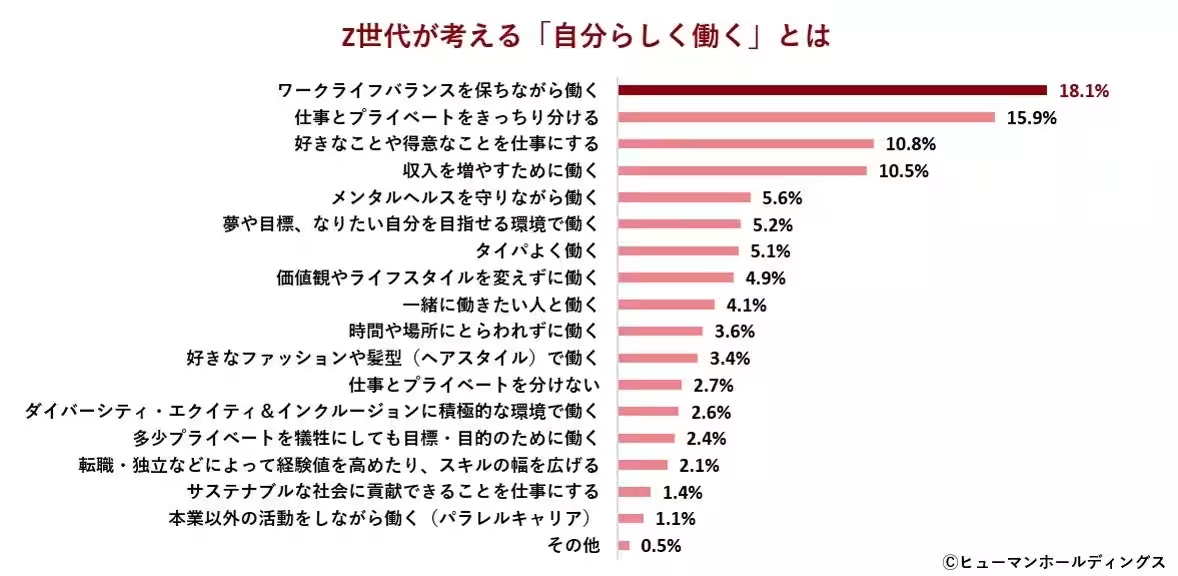
Generation Z shows a strong preference for maintaining a balance between work and personal life. The survey highlighted that the most common view of working authentically includes preserving a work-life balance (18.1%) and clearly separating work from personal life (15.9%). Over 30% of respondents prioritize maintaining a harmonious public-private balance. Additionally, supporting mental health while working (5.6%) and working efficiently (5.1%) are also highly valued, indicating a trend toward working comfortably without overexertion.
2. Stability as a Primary Work Motivation
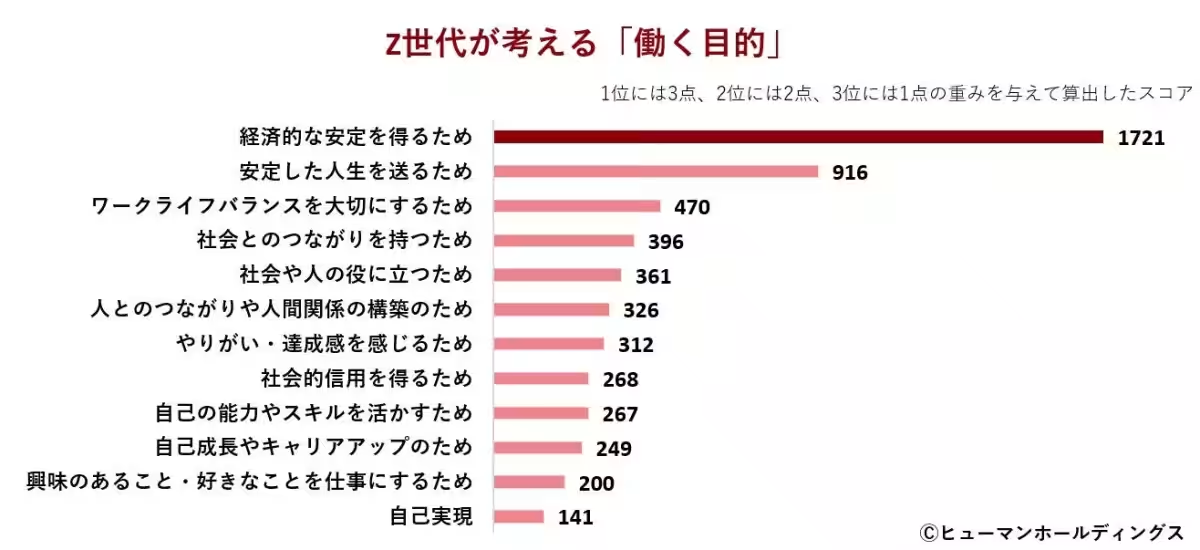
When asked about their motivations for working, the majority indicated a focus on achieving economic stability. Notably, the top responses were centered around financial security, reflecting a strong desire among this generation for safe and sustainable careers. Interestingly, less emphasis was placed on pursuing passion or self-actualization, suggesting a pragmatic approach to their professional futures.
3. Emphasis on Personal Fulfillment
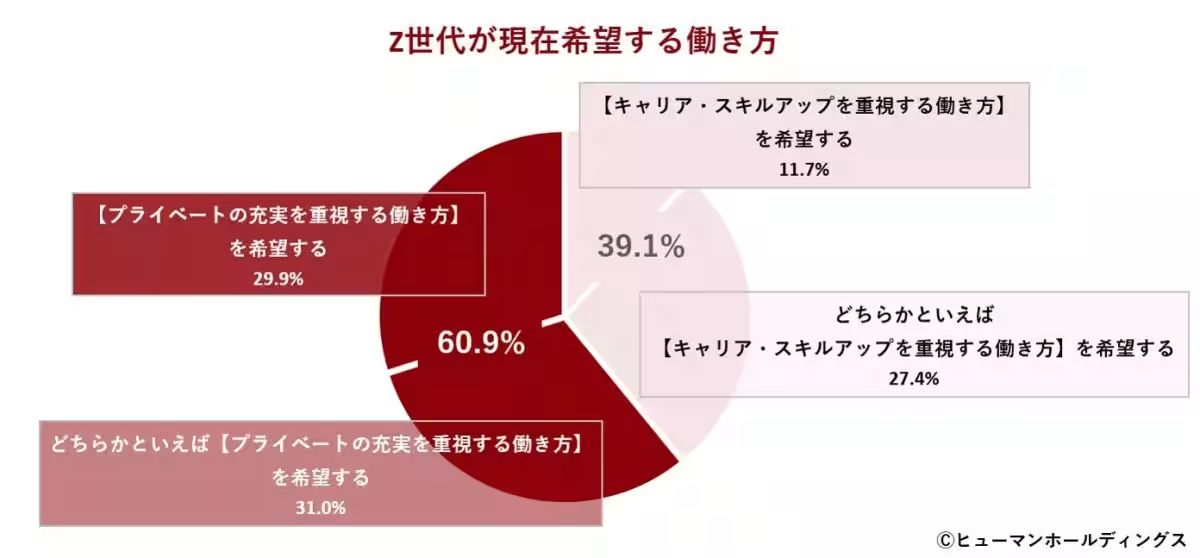
An intriguing aspect of the survey findings was that about 60.9% of respondents prioritized personal fulfillment and leisure over career advancement, indicating a significant shift in values. This further supports the idea that Generation Z is seeking a sustainable career path that does not compromise their personal life and mental health.
4. Desired Workplace Policies
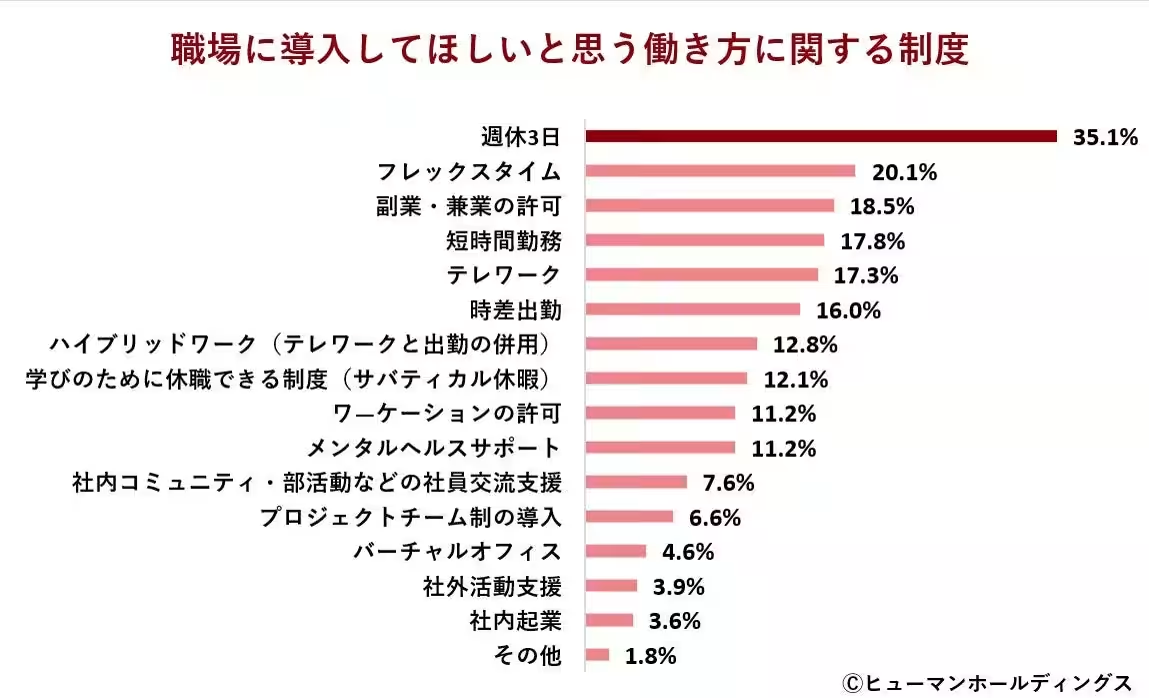
When it comes to preferred workplace policies, the most desired was a three-day weekend (35.1%), followed by flexible hours (20.1%). This highlights the demand for a workplace that accommodates their lifestyle and allows for personal growth while maintaining career flexibility. The desire for supportive policies such as learning leaves and mental health resources indicates a vision for a workplace that champions overall well-being.
5. Reality vs. Ideal Working Hours
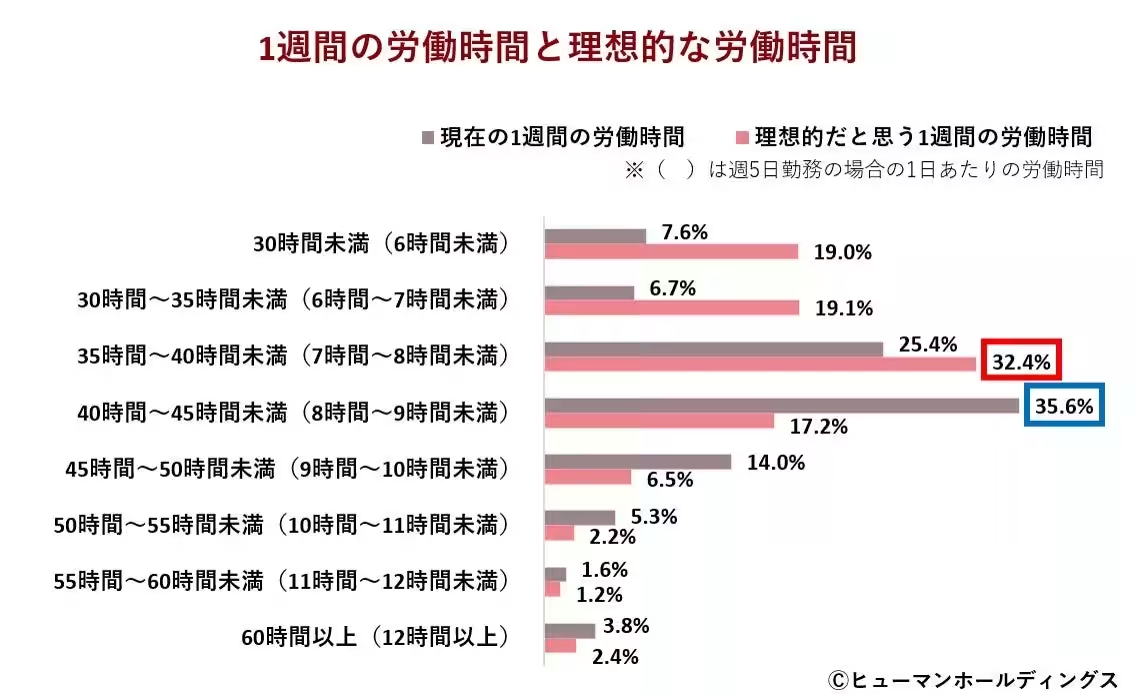
There exists a notable gap between actual working hours and the hours desired by Generation Z. A significant portion of respondents currently engages in full-time work, yet over 70% indicated a preference for shorter working hours to enhance their quality of life.
6. Limited Use of Generative AI
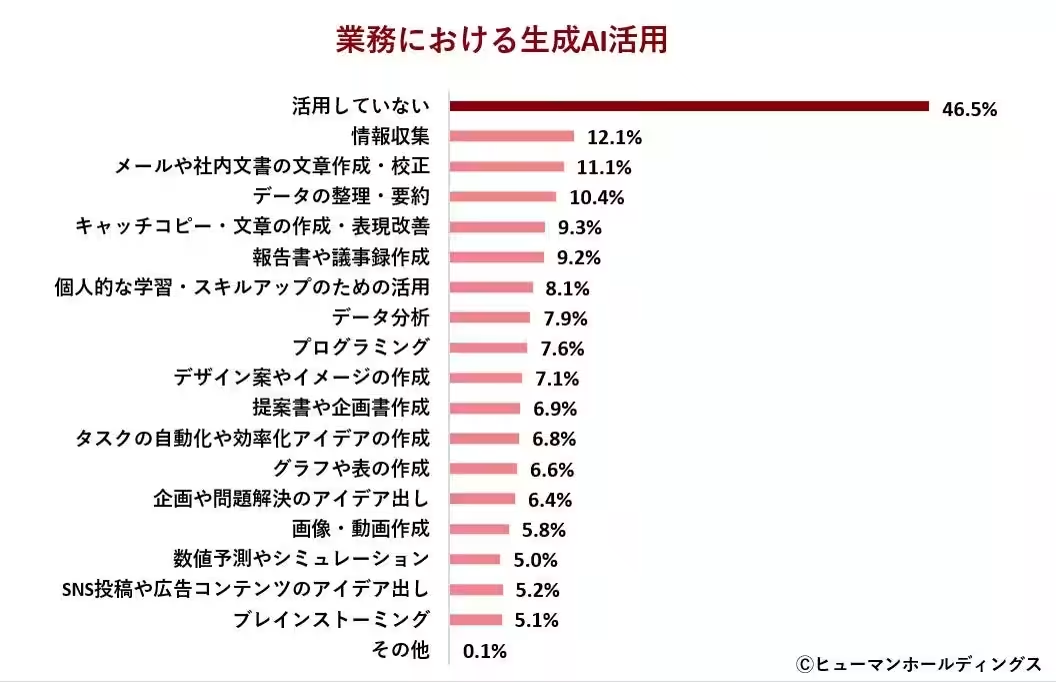
Despite a strong inclination toward improving efficiency, nearly 46.5% of respondents reported not utilizing generative AI tools in their professional tasks. This disconnect reveals a gap where awareness and desire for effective work practices are not translating into action, underscoring the potential need for training and education on digital tools within the workforce.
7. Sources of Workplace Stress
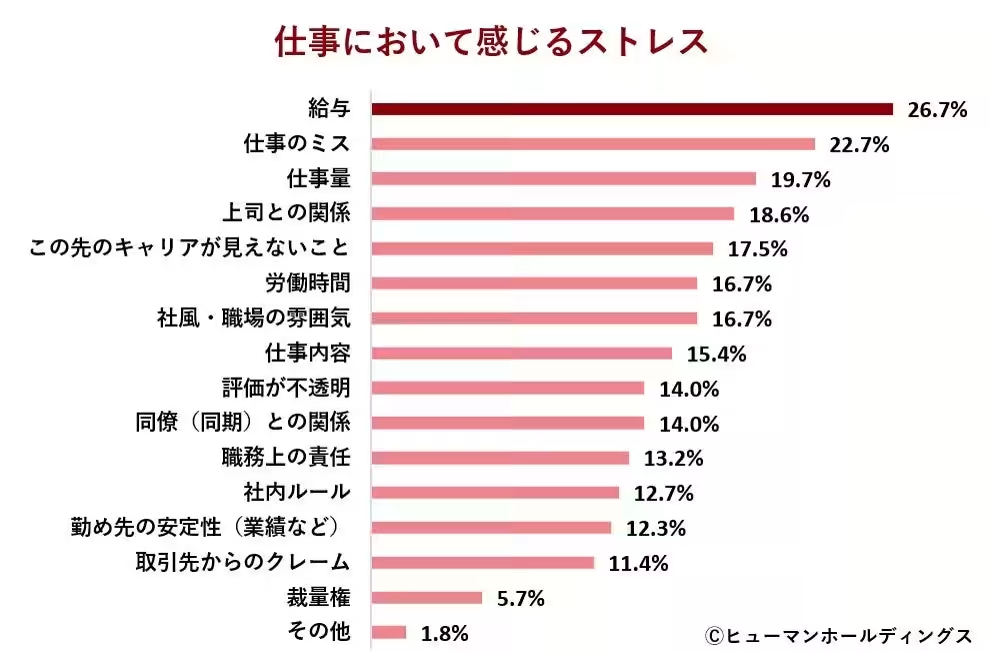
The survey also delved into stress factors at work, where the major sources identified were salary concerns (26.7%), performance issues (22.7%), and workload (19.7%). These findings align with the generation's focus on financial security and a balanced work environment, showcasing their sensitivity to stressors effectively tied to their quality of life.
8. Income Expectations
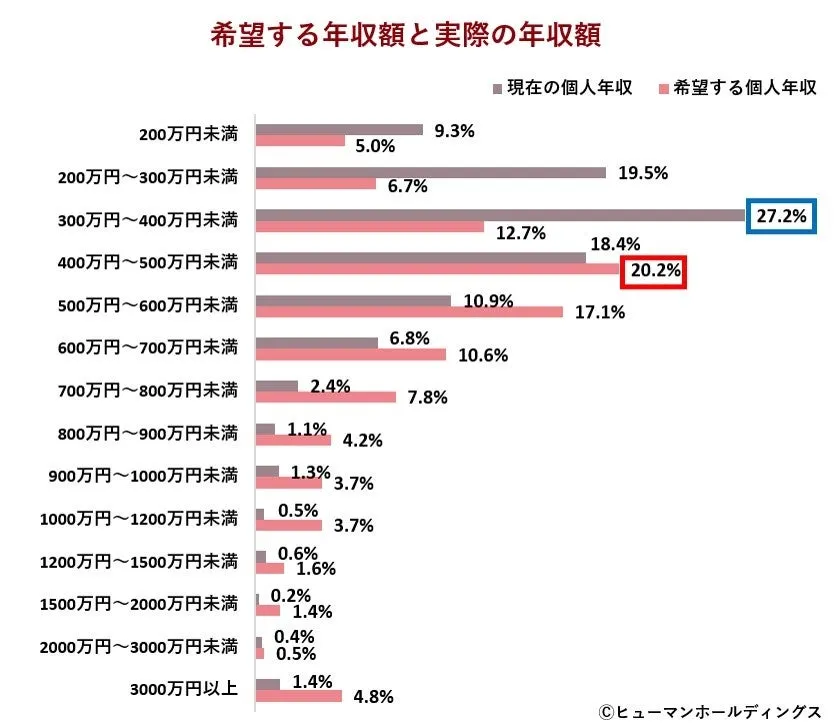
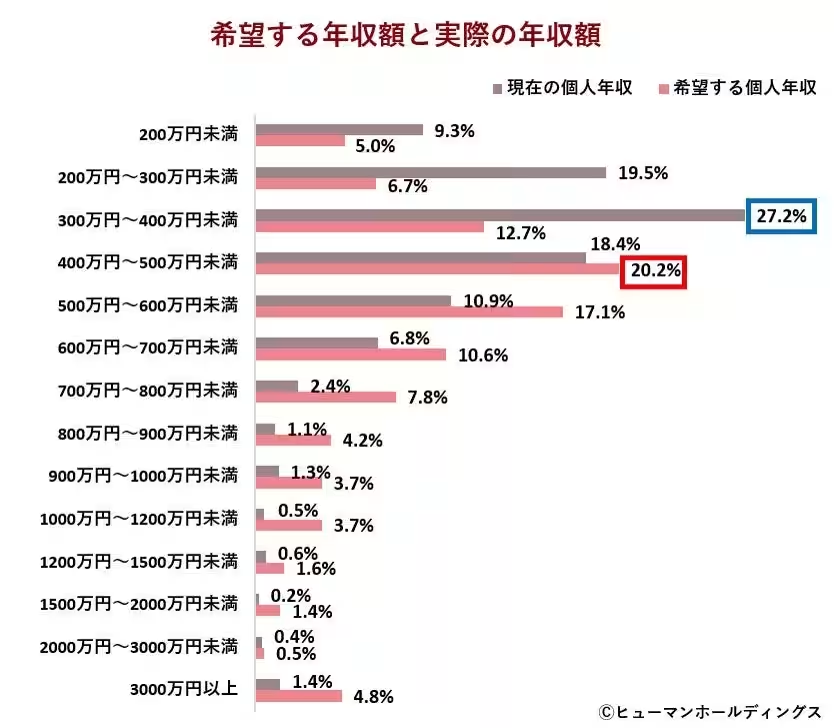
Lastly, respondents indicated a significant gap between current income and desired salary, with most currently earning between 3 to 4 million yen, while hoping for an income range of 4 to 5 million yen. This reflects an aspiration not merely for financial stability but also for upward mobility and enhanced living standards.
Conclusion
Overall, the findings from Human Holdings reveal that Generation Z is driven by a strong emphasis on achieving personal fulfillment, work-life balance, and a stable income. These values suggest a shift in workplace culture towards flexibility and support for holistic development, aligning with the broader trends of sustainability and well-being in the workforce. Companies aiming to attract and retain top talent should consider adapting to these emerging values that prioritize health, balance, and a fulfilling work experience for this new generation of workers.
Topics People & Culture)


【About Using Articles】
You can freely use the title and article content by linking to the page where the article is posted.
※ Images cannot be used.
【About Links】
Links are free to use.