



Celebrating Strong Women Through History: Digital Exhibition Launch
Women Who Shine Beyond Time: A Digital Exhibition
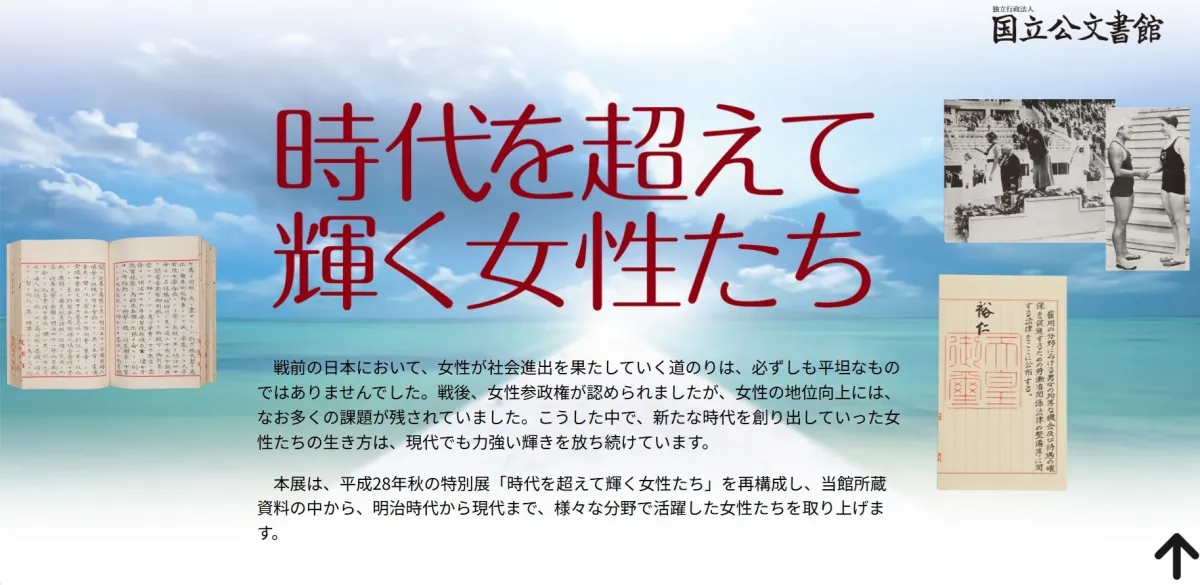
On March 30th, the National Archives of Japan will unveil its latest digital exhibition titled "Women Who Shine Beyond Time," highlighting the incredible contributions of women throughout Japanese history. The exhibition can be accessed online, making it a valuable experience for those unable to visit in person.
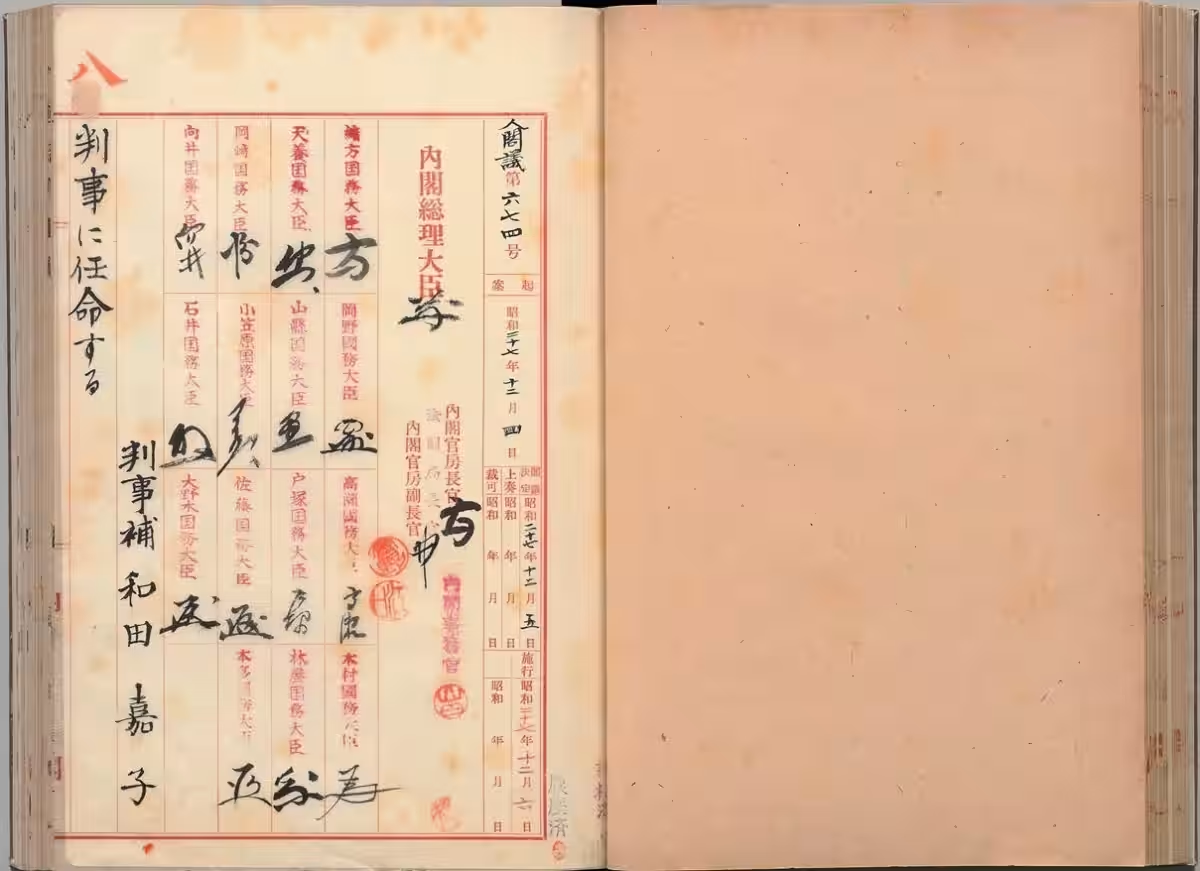
In this new exhibition, notable figures such as Tsuda Umeko, who accompanied the Iwakura Mission to study abroad, Chika Kuroda, a pioneering female researcher, Yoshiko Mibu, Japan's first female judge, and Masa Nakayama, the country's first female cabinet member, will be featured, among others. These women excelled in various fields amidst a challenging social environment where women's roles were severely restricted during pre-war Japan.
The path to women's empowerment was not smooth. Although women gained the right to vote post-war, many obstacles to gender equality remained. Nevertheless, the journeys of these remarkable women illuminate the societal issues surrounding women's empowerment while also inspiring contemporary women today to shine brightly in their pursuits.
Digital Exhibitions at the National Archives
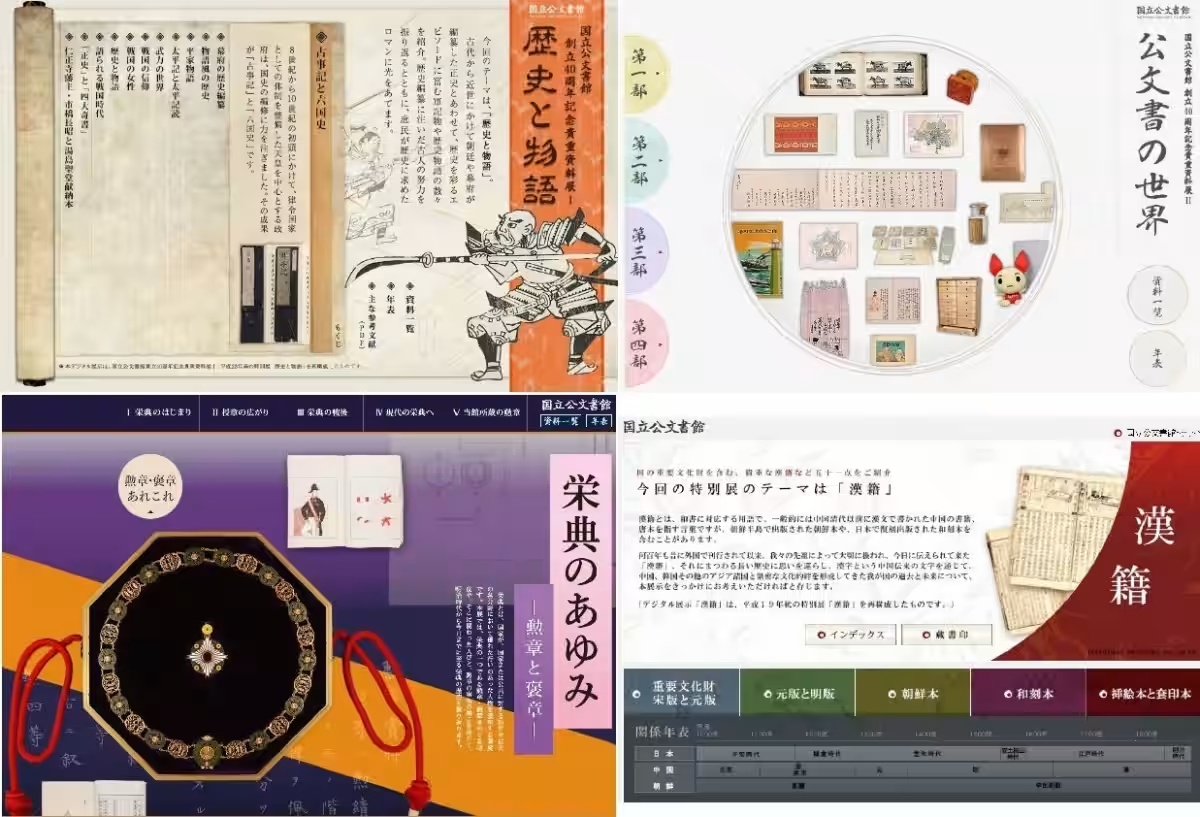
The National Archives of Japan offers approximately 30 digital exhibitions online, covering various eras and themes. Each exhibition is accompanied by detailed descriptions and high-resolution images, making them accessible even to those with limited knowledge of history. Popular topics include the Chronicles of Japan and tales from the Tale of the Heike, under the exhibition "History and Stories."
For those unfamiliar with public documents, the exhibition "The World of Public Documents" breaks the typical mold, presenting not just traditional written records but also distinctive documents made from unconventional materials like sand and plush toys.
As preparations for the spring awards season are underway, the exhibition "History of Honors" will showcase important documents regarding the Japanese honors system and feature medals from the National Archives’ collection.
Additionally, exhibitions covering significant cultural treasures like "Complete Accounts of the Heike" published in East Asia prior to the 19th century, found under the "Classical Chinese Texts" exhibition, will be presented as well.
Key Highlights of the Exhibit
Part 1: The Beginning of Women’s Education
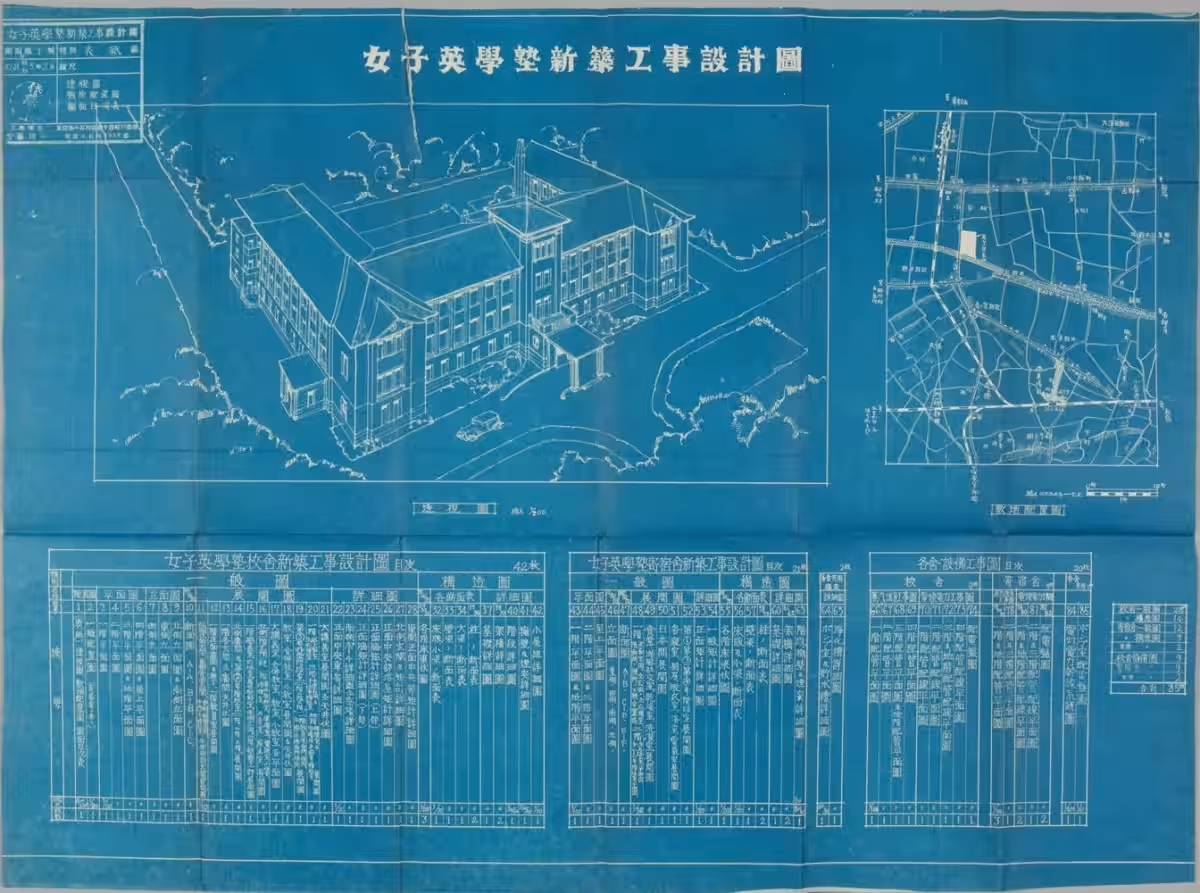
The Meiji Restoration marked a significant transformation for Japan, as the nation began to adopt Western institutions and knowledge. The government employed numerous foreign teachers and sent students abroad to learn vital skills. By 1872, the education system began taking shape, yet the establishment of educational institutions for women lagged behind that of their male counterparts. To fill this gap, private initiatives emerged, aiming to empower women. Schools such as the Kyoritsu Women's Vocational School and the Joshi Eigo Gakuin, founded by Haruko Hatoyama and Umeko Tsuda, respectively, arose to promote women's education.
Part 2: Women’s Entry into Society
The expansion of women's education fostered independent individuals who began engaging in social affairs. Women like Iwa Uryū dedicated themselves to social welfare, while others like Yone Suzuki supported family businesses that blossomed into large enterprises. This shift enabled women to take on various professional roles, leading to the emergence of the term "working women." By the Showa era, women's societal involvement increased even further, with notable examples like Yoshiko Mibu and Setsu Tani making strides in the world of law and administration.
Part 3: Post-War Reforms
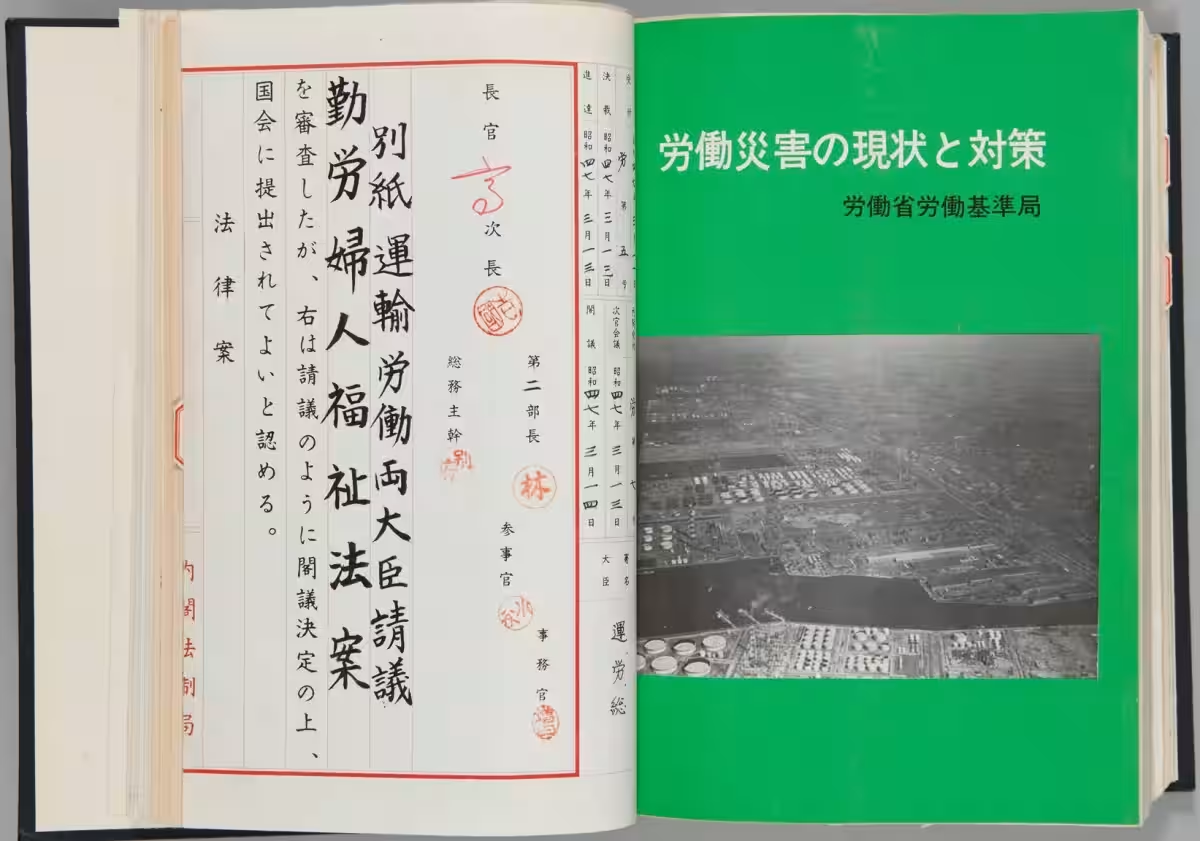
The aftermath of World War II brought significant reforms affecting women's status. The establishment of women's suffrage, the promulgation of the Japanese Constitution ensuring gender equality, the abolishment of the family (ie) system through civil law reforms, and the declaration of equal educational opportunities set the groundwork for women's rights advancements. These changes, alongside Japan's economic boom leading to labor demand, opened doors in professions previously inaccessible to women, fostering a transformative society. Legislative measures, such as the Equal Employment Opportunity Law, emerged as vital national policies addressing workplace inequalities.
In conclusion, the upcoming digital exhibition is an opportunity to delve into the remarkable lives of women who have shaped history. Visitors are encouraged to explore these engaging online resources that provide valuable insights into the evolution of women's roles in Japan and beyond, inspiring future generations to continue striving for equality and empowerment.
Topics People & Culture)
【About Using Articles】
You can freely use the title and article content by linking to the page where the article is posted.
※ Images cannot be used.
【About Links】
Links are free to use.