



The Challenge of Career Advancement for Students with Disabilities: Insights from Educators
The Challenge of Career Advancement for Students with Disabilities: Insights from Educators
In a significant new survey commissioned by Start Line Inc., a company based in Mitaka, Japan, dedicated to creating a society where everyone can live authentically through employment support for people with disabilities, over 100 educators involved in career guidance for students with disabilities shared their insights. Conducted from July 30 to August 1, 2025, the survey revealed alarming statistics about the challenges faced by these students in achieving their career aspirations.
Key Findings from the Survey
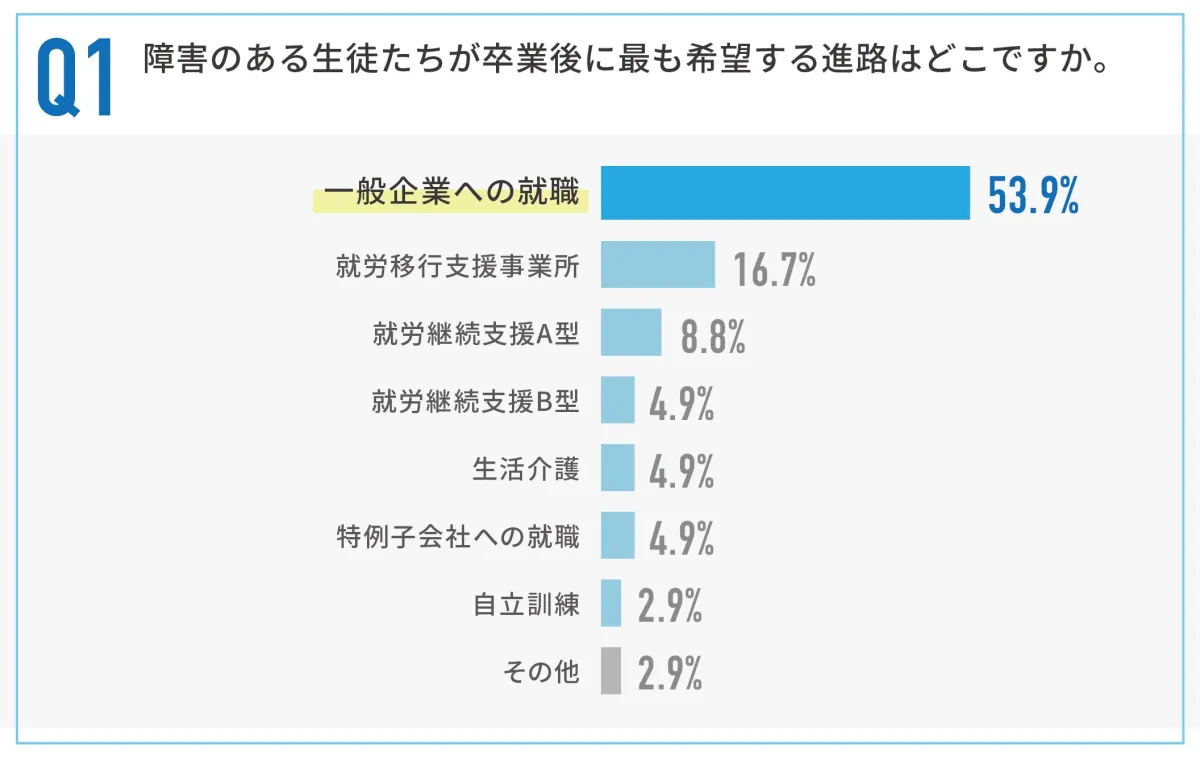
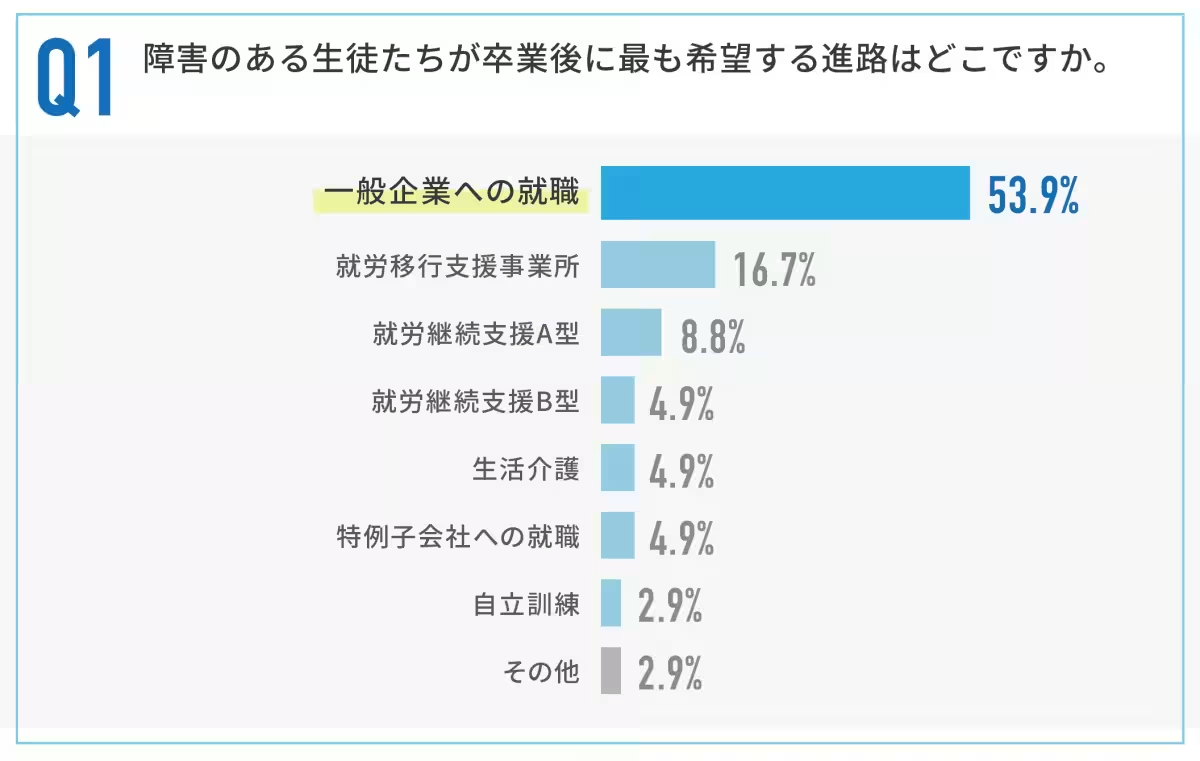
1. Desire for Employment: The survey revealed that a substantial 53.9% of students with disabilities aspire to work in general companies after graduation. This is a clear indication of their desire to integrate into the mainstream workforce. Following this, 16.7% preferred to engage with employment transition support services, suggesting that many students value skill acquisition and preparation time before entering the job market.
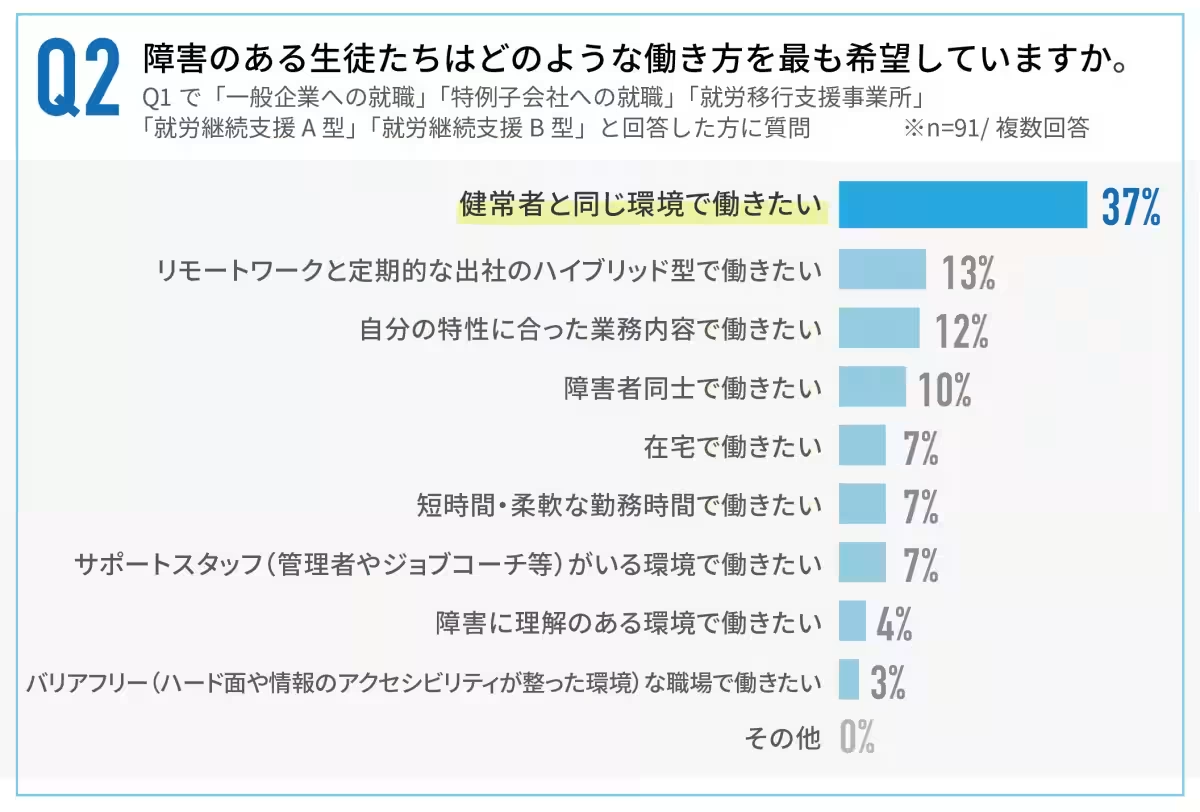
2. Working Environment Preferences: When asked about their preferred working conditions, 37% of respondents indicated a wish to work in an environment similar to that of able-bodied colleagues. This reflects a strong desire for inclusivity and collaboration in the workplace. Additionally, 13% favored a hybrid model of remote and in-office work, while 12% sought roles that aligned with their specific characteristics. Interestingly, 10% expressed a preference for working among fellow individuals with disabilities—this choice reflects a focus on mutual understanding and a sense of security rather than a desire to isolate from broader society.
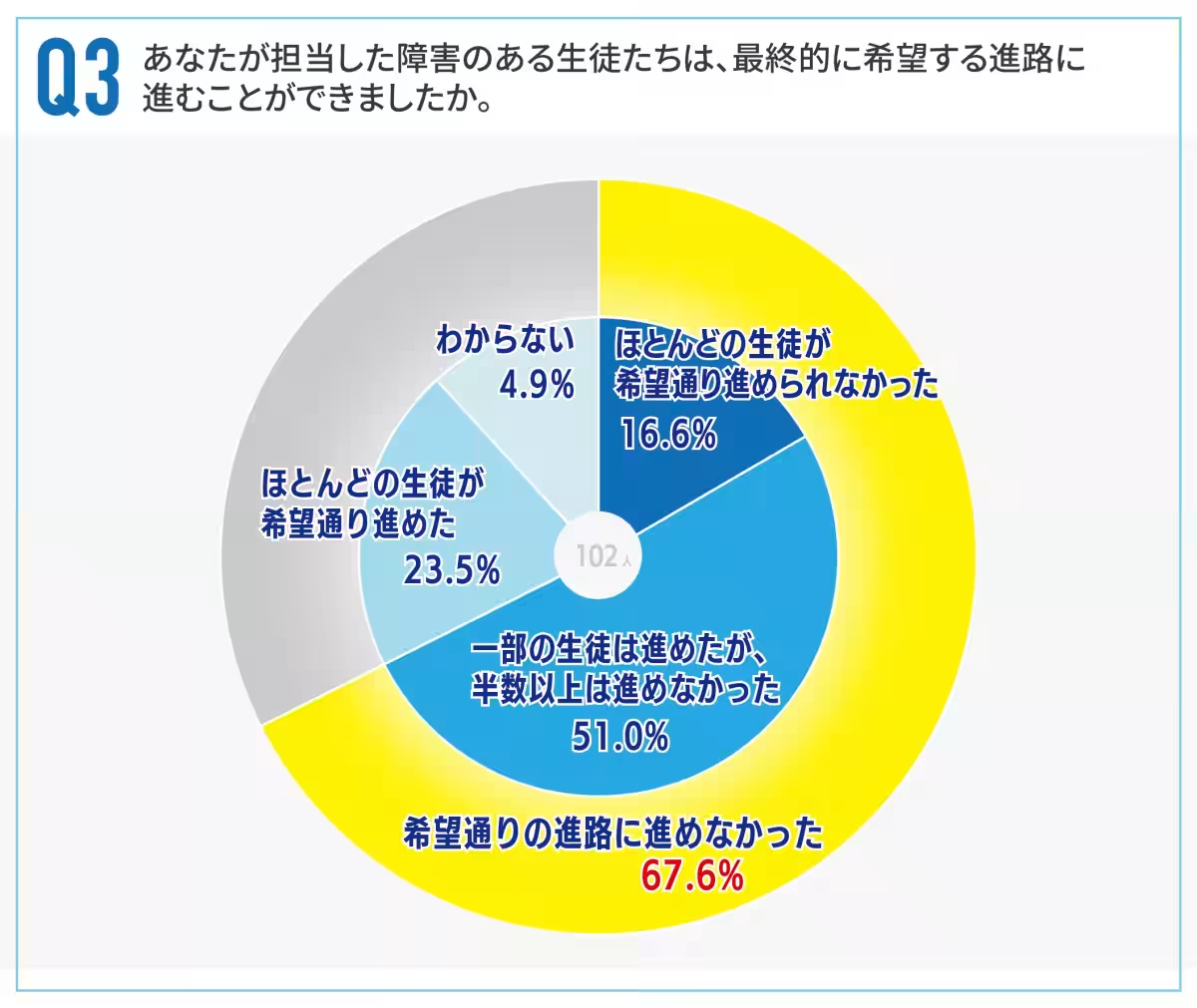
3. Educational Gap: Alarmingly, approximately 70% of educators indicated that their students were unable to pursue their desired career paths, highlighting a significant gap between dreams and reality. This raises concerns about the adequacy of current career guidance systems and the societal structures supporting these students.
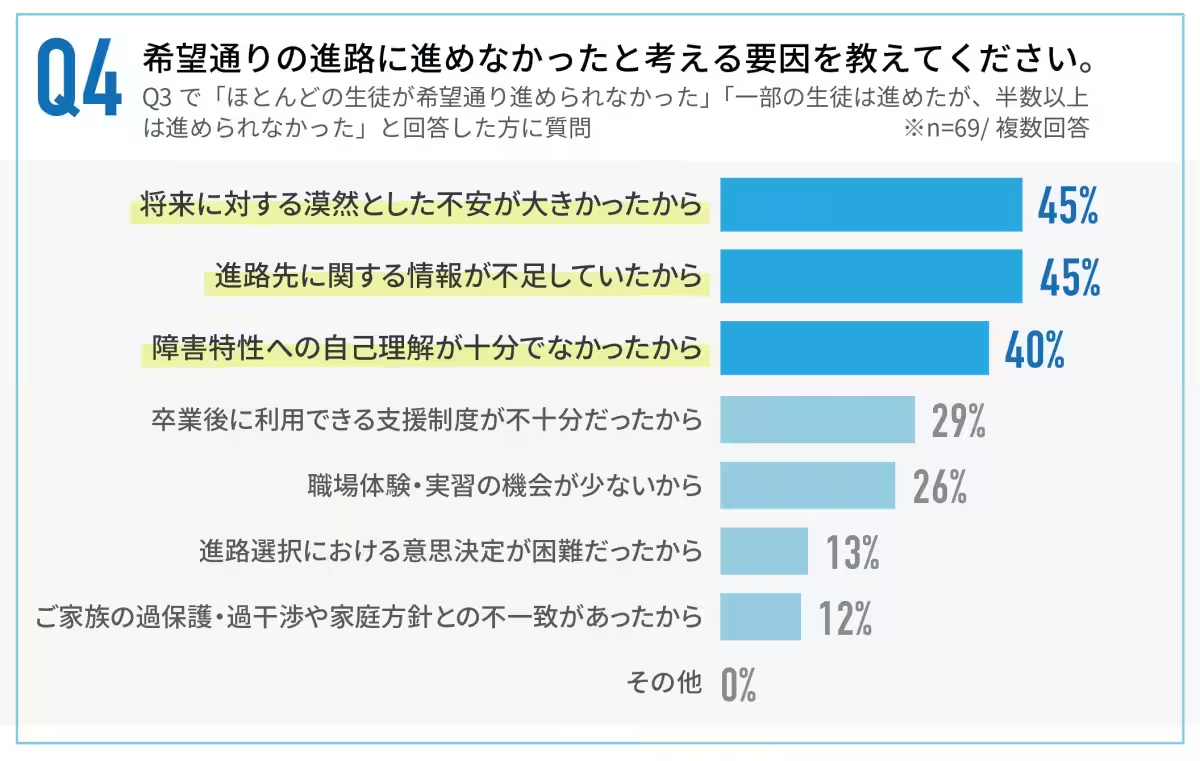
4. Barriers to Progression: The key reasons cited for not achieving career aspirations were a vague anxiety about the future and a lack of information regarding potential career paths. Both factors impeded students’ ability to make informed decisions and contribute to their overall feelings of insecurity and apprehension about venturing into the workforce.
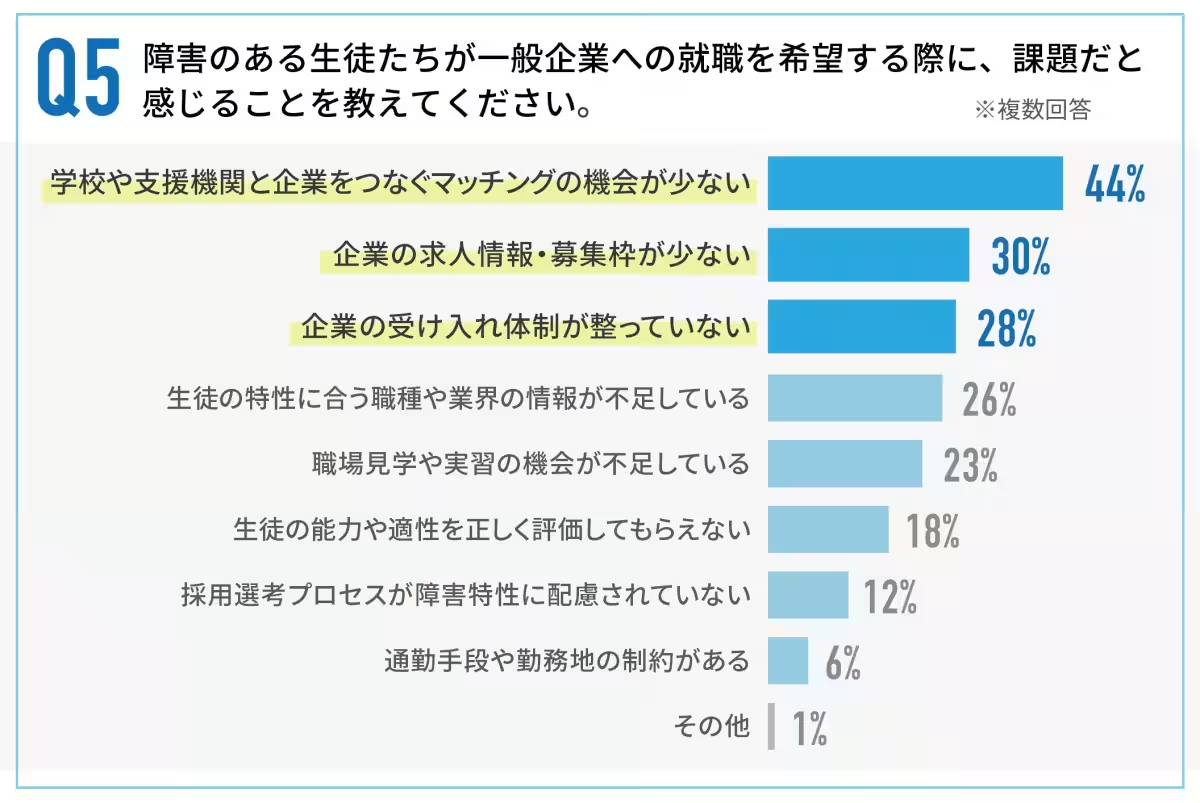
5. Employment Challenges: When asked about the challenges in securing employment with mainstream companies, 44% of educators noted a lack of matching opportunities between schools or support organizations and companies as a primary concern. This was followed by reports of insufficient job postings (30%) and inadequate corporate acceptance systems (28%). These concerns underscore the urgent need for fostering better understanding among companies and enhancing collaboration with educational and support entities.
Expert Commentary
Eiji Yoshida, a disability employment evangelist at Start Line Inc., emphasized that despite the strong desire of students with disabilities to work in general firms, systematic barriers stemming from a lack of resources and support remain. He noted that the findings illustrate a pressing need for a more robust connection between educational institutions, support organizations, and businesses. Increased transparency around career options and a variety of experiential learning opportunities, such as internships and workplace exposure, are essential for improving outcomes.
He further explained, "While it is natural that many students wish to work alongside their able-bodied peers, it is crucial to recognize that this shouldn't be the only career option available. Diverse working styles should be embraced, allowing individuals to choose what best fits their needs. Voices advocating for working in a supportive environment among fellow disabled individuals or working remotely should also be heard—the value of understanding and mutual support in these arrangements is significant."
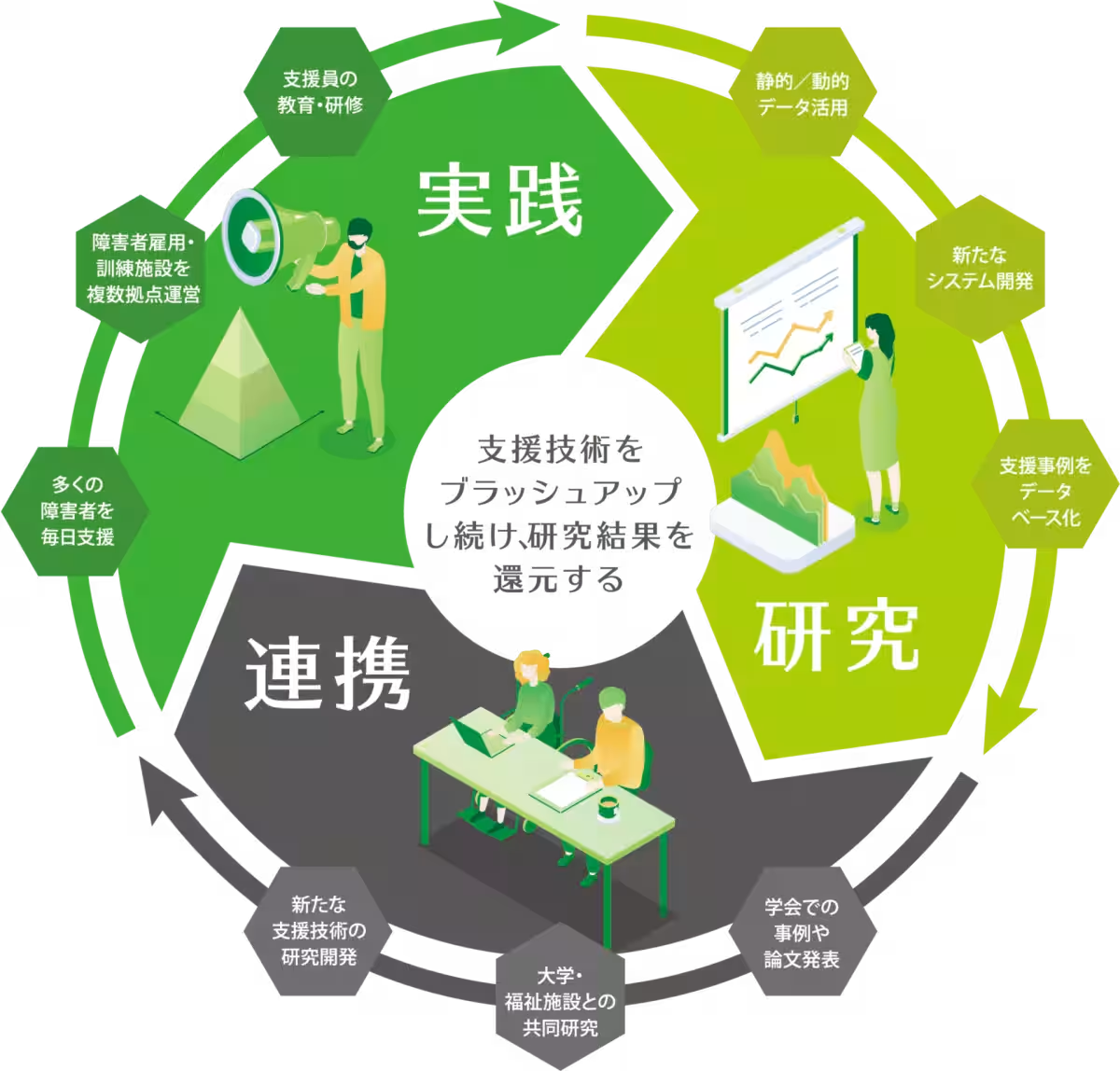
As Start Line continues to enhance its role in facilitating employment for those with disabilities, it remains committed to collaboration with various stakeholders to build a society where every individual can thrive. The findings from this survey are a call to action for all involved in shaping the future of work to ensure inclusivity and empowerment for students with disabilities.
Conclusion
Start Line Inc. calls for a collective effort to overcome these employment barriers, ensuring that all individuals, regardless of their challenges, have a fair chance at a fulfilling career. Citing their extensive experience in incorporating over 500 companies into disability employment, they aim to deploy their learnings towards creating more inclusive workplaces.
For more information on the survey and its implications, please refer to their detailed analysis and ongoing efforts at Start Line.

Topics People & Culture)



【About Using Articles】
You can freely use the title and article content by linking to the page where the article is posted.
※ Images cannot be used.
【About Links】
Links are free to use.