



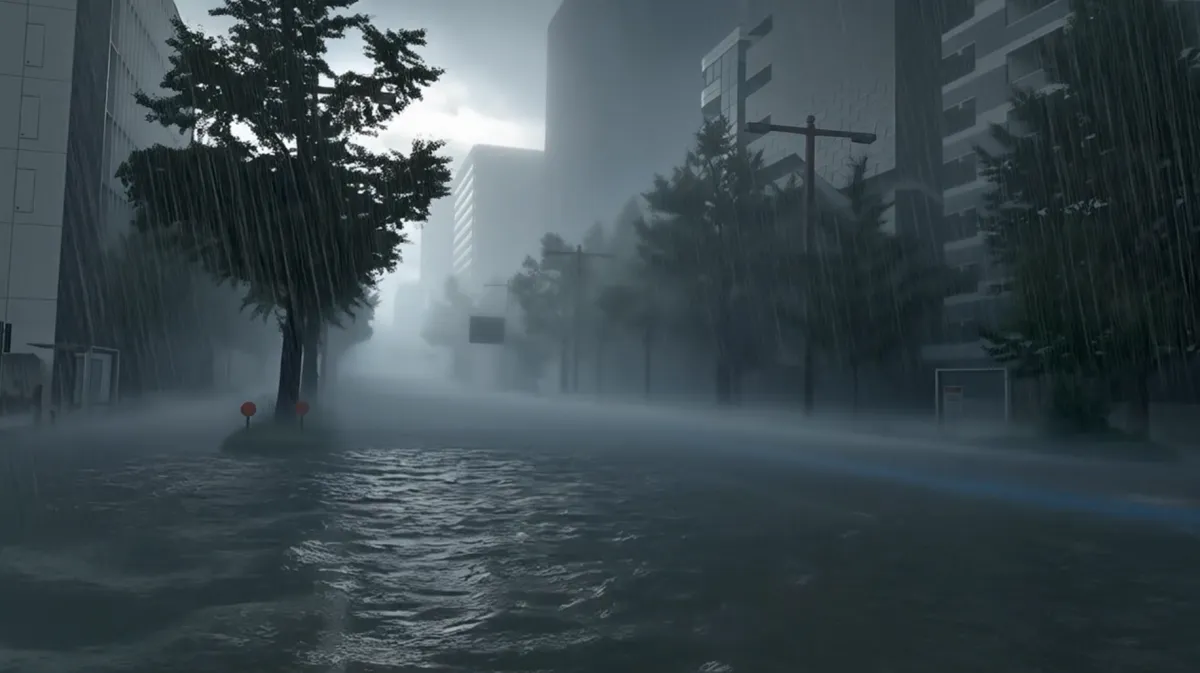
Innovative AI Service Transforming Everyday Scenes into Disaster Scenarios
Transforming Everyday Scenes Into Disaster Scenarios with AI
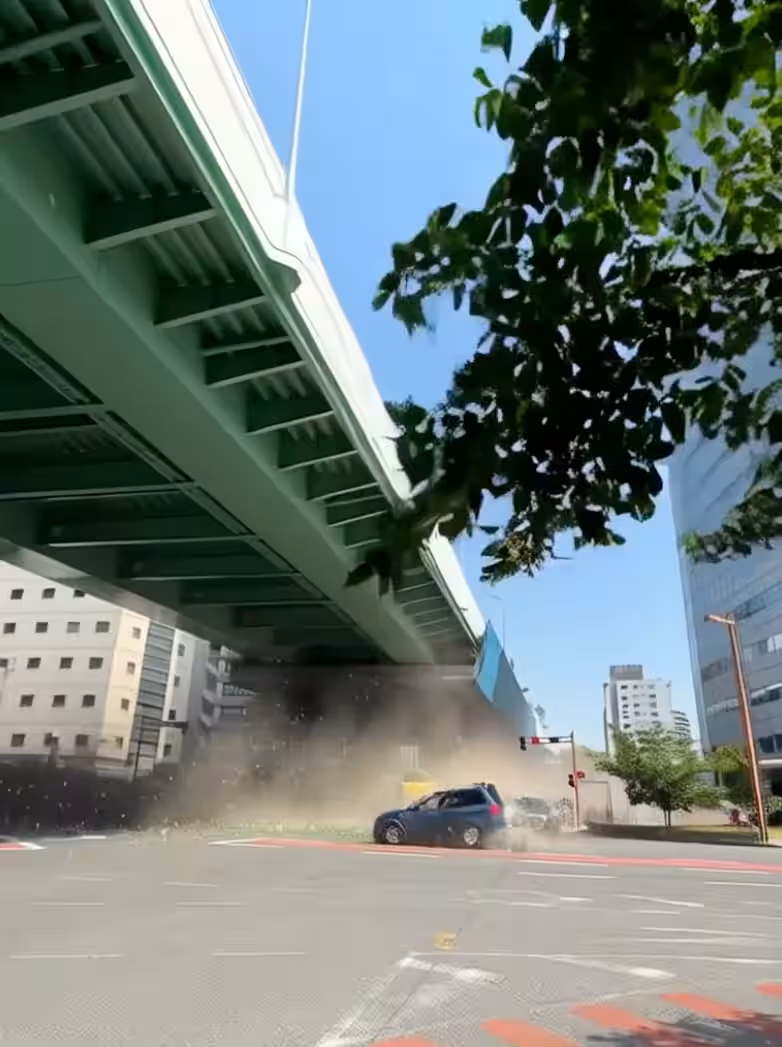
In a world increasingly aware of the potential for natural disasters, two companies, BlueR Co., Ltd. and Tajiku Co., Ltd., have developed an innovative service designed to enhance disaster awareness. Launching on June 30, 2025, this service, named "Watadai - My Disaster Experience AI", leverages artificial intelligence to transform familiar daily scenes into what they would look like in the aftermath of a disaster. This unique, visual experience urges users to consider the oft-ignored grim realities of disasters and how they might impact their own lives.
The Urgency Behind 'Watadai'
Japan faces a significant earthquake risk, particularly concerning the Nankai Trough, with experts indicating a 70-80% chance of a major quake occurring within the next 30 years. Despite these alarming statistics, many still regard such disasters as distant events that won’t directly affect them. 'Watadai' aims to bridge this gap by visually representing how familiar locations — such as homes, workplaces, and daily commutes — would look if they were to suffer from disasters like earthquakes or floods.
A Visual and Emotional Call to Action
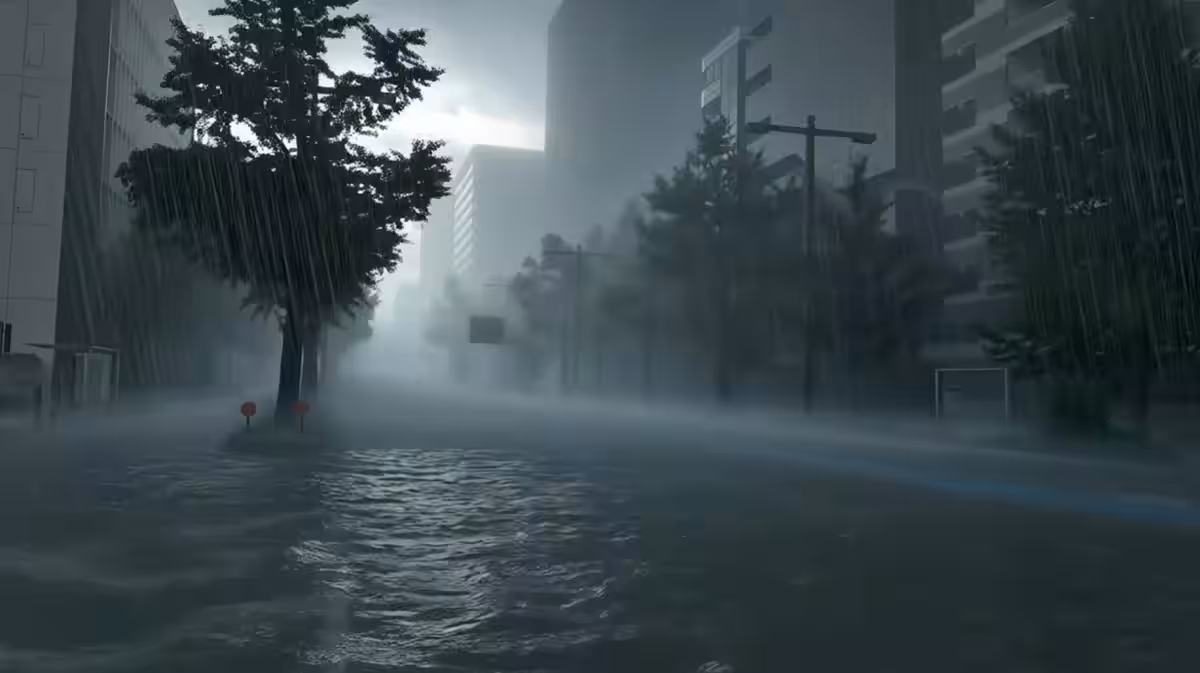
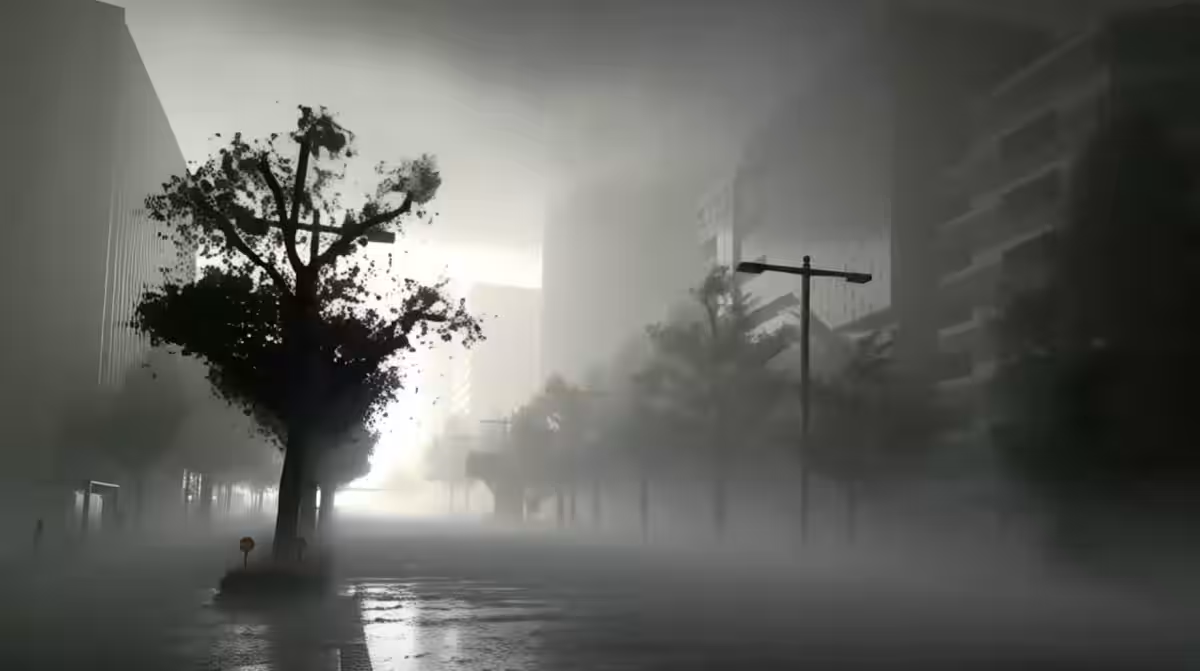
By generating realistic images and video simulations of disasters in popular locales, 'Watadai' provides a visceral experience that helps individuals realize the severity and immediacy of disaster preparedness. This innovative approach addresses the often abstract nature of traditional hazard maps and statistical data that fail to resonate with the average citizen. With 'Watadai', users can engage with impactful visual representations, prompting them to reevaluate their own disaster preparedness measures.
Key Features of 'Watadai'
1. Transformative Visualization
- The AI-driven platform morphs images of everyday settings into disaster-struck environments, instilling a direct sense of urgency and personal involvement.
2. Enhanced Emotional Engagement
- Users experience the dramatic changes that disasters can wreak on familiar landscapes, fostering deep empathy and understanding that static information rarely achieves.
3. Revolutionary Educational Tool
- Schools, local governments, and businesses can utilize 'Watadai' as a novel educational resource, effectively integrating disaster training into their programs through immersive exercises.
Real-World Applications
The utility of 'Watadai' extends across various sectors:
- - Educational Institutions: Using disaster scenarios relevant to local schools to foster awareness in students.
- - Community Safety Initiatives: Creating engaging events for residents to learn about disaster risk and preparedness through firsthand visual experiences.
- - Corporate Disaster Planning: Offering training sessions that visualize risk factors affecting office locales to reinforce business continuity plans.
Future Directions
Looking ahead, the service plans to expand beyond static images to include immersive 360-degree videos and VR experiences, leading to even deeper engagement. This evolution positions 'Watadai' not only as a tool for awareness but as a vital platform for the next generation of disaster preparedness, one that emphasizes personal responsibility and engagement.
About BlueR Co., Ltd.
BlueR Co., Ltd. is committed to harnessing the potential of AI within creative industries, crafting new promotional experiences across numerous sectors. Their comprehensive services span from event management to digital marketing strategies, ultimately enriching client interactions through innovative technology.
About Tajiku Co., Ltd.
Tajiku Co., Ltd. focuses on employing cutting-edge technologies like AI and NLP to create unprecedented artistic expressions and experiences. Their mission is to facilitate a more dynamic creative environment that goes beyond traditional B2B or B2C contexts.
For more information about this groundbreaking service and its implications for disaster awareness, please visit BlueR's website or contact them directly.
Additional Notes
Please note: Images generated by this service are artistic interpretations aimed at raising awareness and are not precise representations of real disaster scenarios. Users are encouraged to view this tool as a prompt for enhancing disaster preparedness without inciting unnecessary fear.
Topics Policy & Public Interest)
【About Using Articles】
You can freely use the title and article content by linking to the page where the article is posted.
※ Images cannot be used.
【About Links】
Links are free to use.