



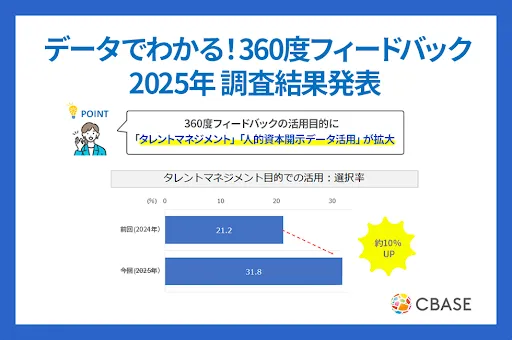
Insights from 2025 Survey on 360-Degree Feedback Implementation and Utilization
Understanding the 2025 Survey Results on 360-Degree Feedback
In the ever-changing business environment, the importance of both employee and organizational growth cannot be overstated. This principle is reiterated through the recent survey conducted by CBASE Inc., a leading HR cloud service provider based in Shinjuku, Tokyo. With a mission to "update all individuals, organizations, and society through feedback and dialogue," CBASE has unveiled its findings on the current state of 360-degree feedback, also known as multi-faceted evaluations, management reviews, or simply 360-degree assessments.
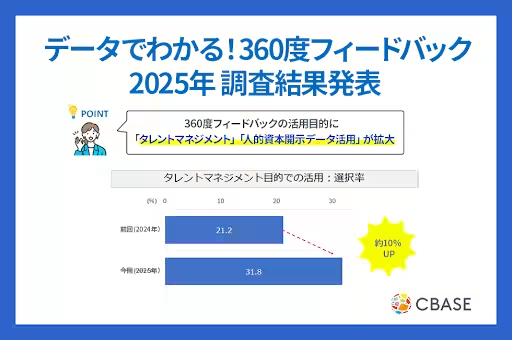
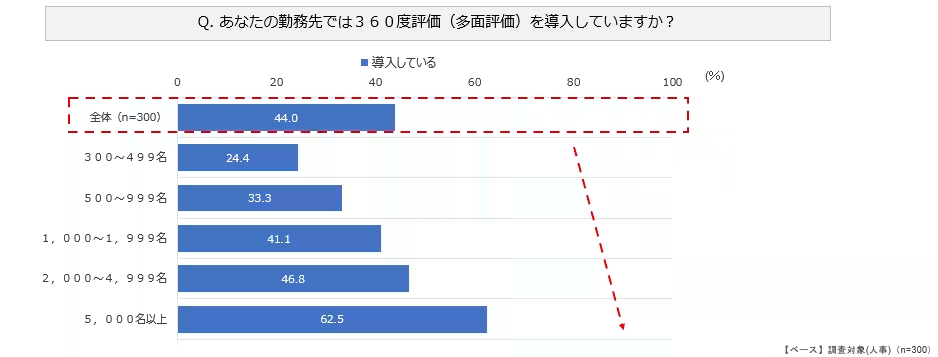
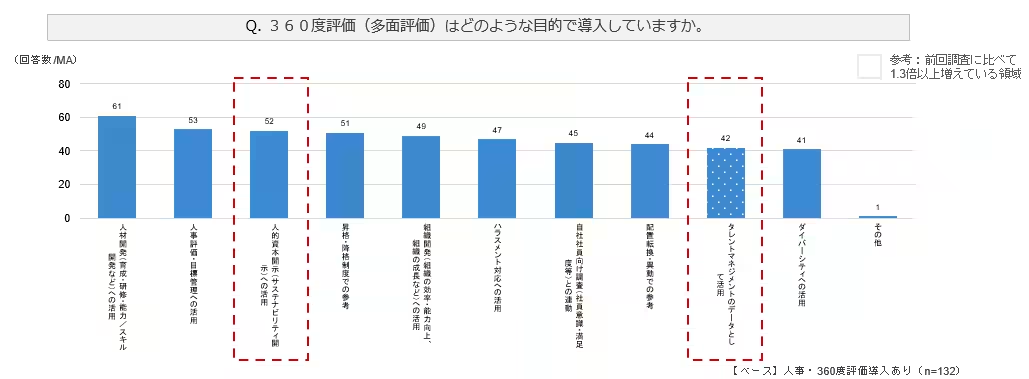
The survey, titled "Insights from Data! Implementation and Utilization of 360-Degree Feedback," reveals that over 40% of companies have adopted this approach, with larger enterprises showing a higher rate of implementation. Notably, the primary objectives for utilizing 360-degree feedback are talent management, personnel evaluation, and goal management, with the demand for talent management increasing by approximately 1.3 times compared to the previous year. This highlights a growing focus on utilizing HR data effectively for managing human capital.
Key Highlights of the Survey
Utilization Goals and Satisfaction Levels
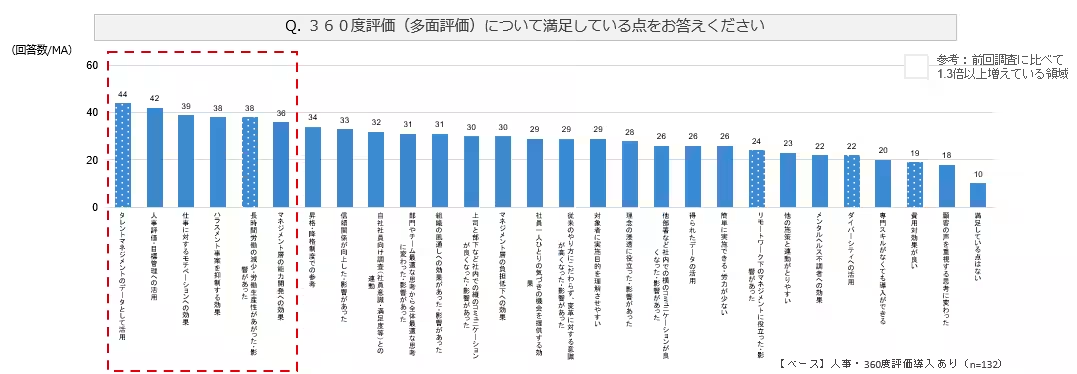
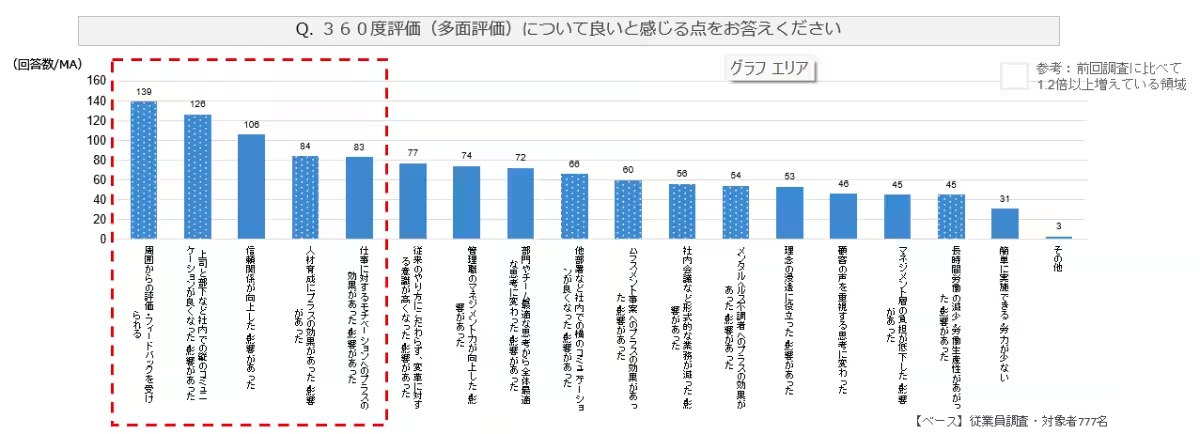
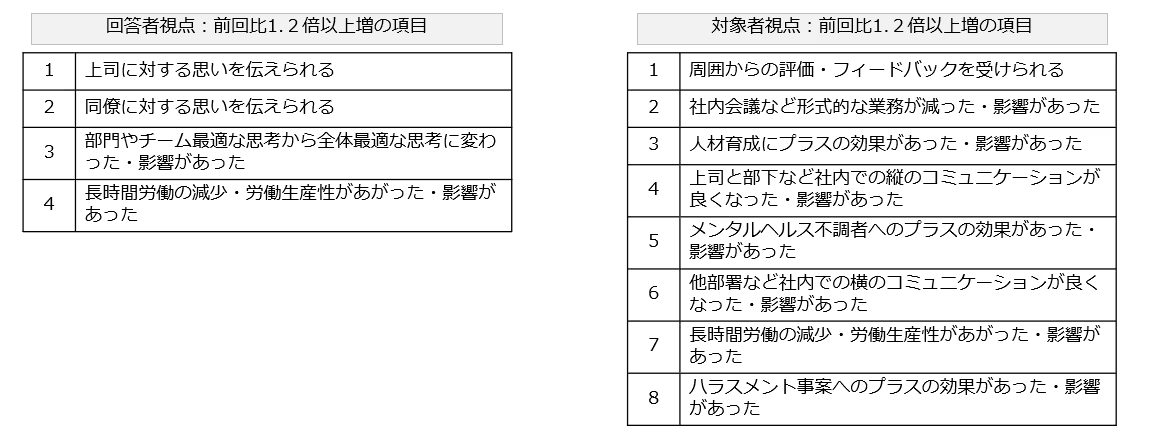
Human resource departments have expressed a newfound satisfaction with the utility of 360-degree feedback, emphasizing its role in enhancing talent management and fostering a deeper understanding of organizational challenges. Importantly, the survey reveals that feedback has become increasingly recognized for improving mutual communication and trust among colleagues in the workplace—seen as a significant benefit of this approach.
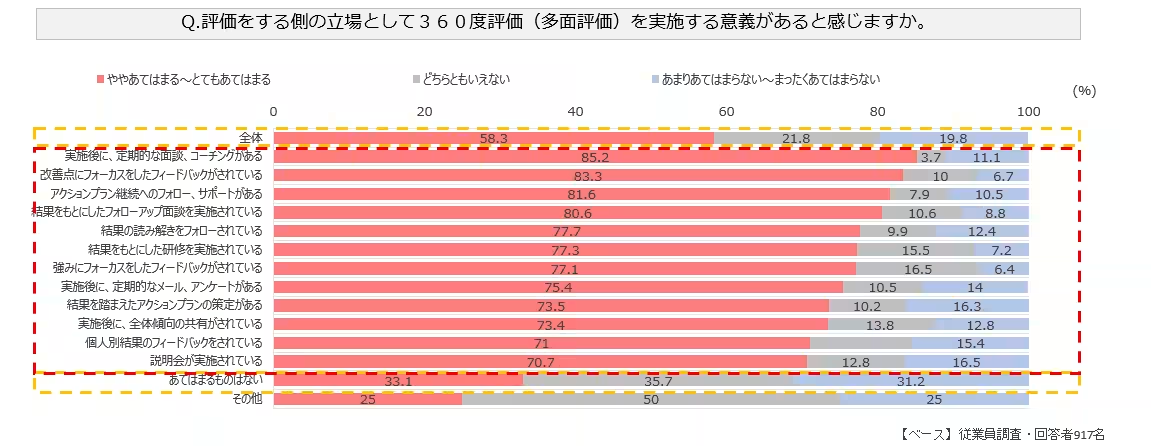
The survey indicates a significant shift in the perception and application of 360-degree feedback, especially regarding employee interactions. Many employees now view it as a critical tool for expressing their thoughts to supervisors and colleagues while receiving constructive evaluations in return. These conditions have led to a notable rise in levels of satisfaction concerning workplace communication.
Differences between Implementing and Non-Implementing Companies
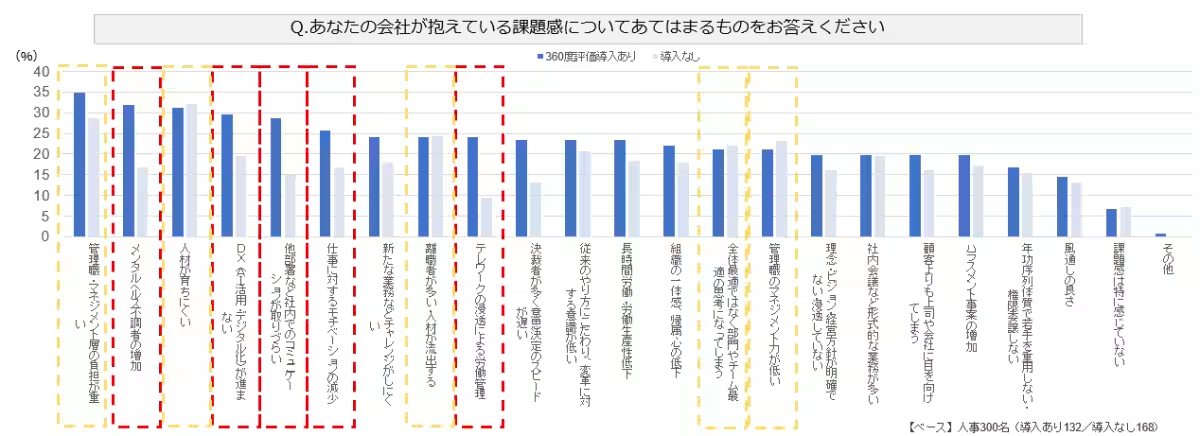
Among the companies that implemented 360-degree feedback, common challenges included increased burdens on management and difficulties in fostering talent development. In contrast, organizations that have not adopted this method reported issues more starkly related to mental health, internal communications, and decision-making speed. This indicates that firms invested in modern workplace strategies tend to adopt such feedback mechanisms more readily.
Current Implementation Practices
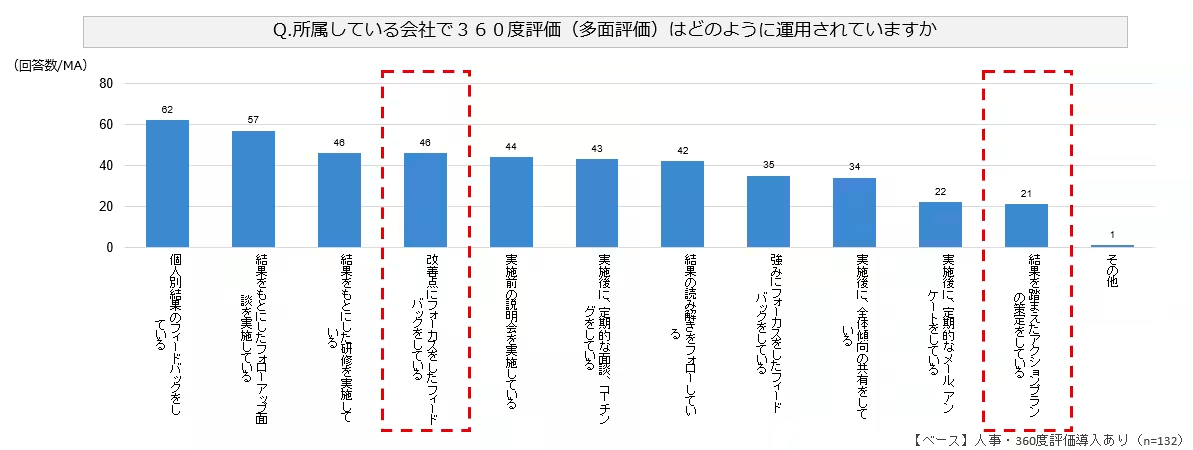
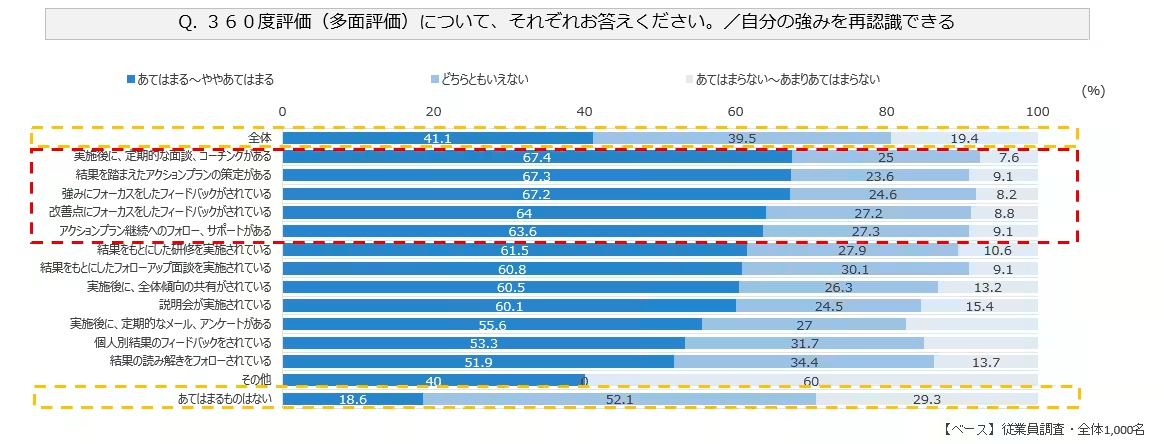
Despite the progress made, the operational aspect of 360-degree feedback reveals both strengths and weaknesses. High engagement has been noted in result feedback and follow-up discussions, yet fewer than half of organizations have established mechanisms for drafting action plans or ongoing support. This disparity indicates that while many organizations recognize the value of feedback, they have not yet fully integrated actionable strategies into their processes.
The Need for Continuous Practice
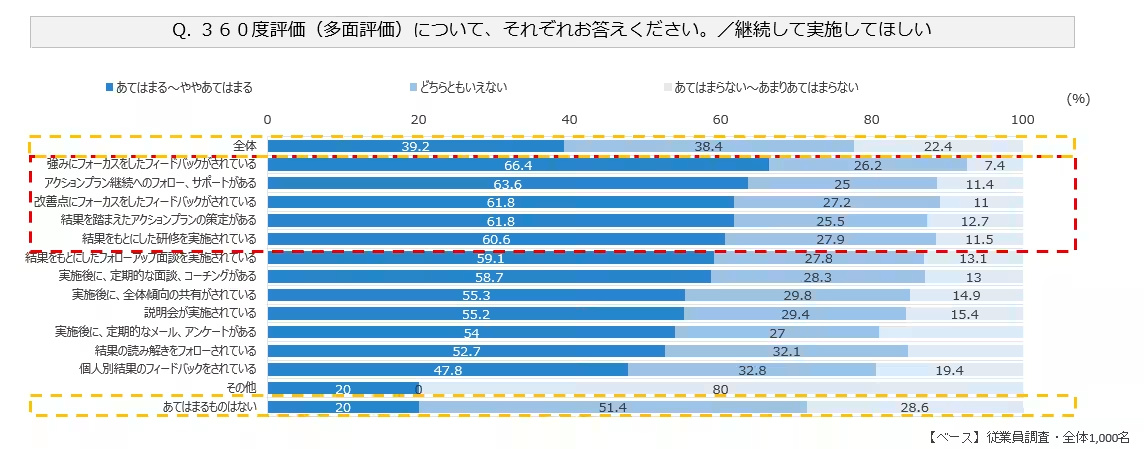
The survey reinforces the need for regular and systematic implementation of 360-degree feedback. Companies must work towards strengthening their structures to advance behavior change and habit formation as part of their human resource strategies. This becomes imperative as many employees feel a disconnect between the operational methods currently in place and their perceived significance of the feedback process.
The collected data also highlights a robust desire among respondents to sustain the use of 360-degree feedback as a continuous developmental tool. Approximately 60% of personnel involved indicated they would prefer to maintain their engagement with the process, provided that effective feedback systems and action planning were in place.
Future Expectations
With the growing emphasis on human capital governance, the role of 360-degree feedback in companies is anticipated to expand further. Organizations are encouraged to foster a culture of feedback driven by dialogue, allowing them to strengthen team dynamics and individual accountability. This survey serves as a critical resource for organizations aiming to harness the transformative potential of structured feedback and communication.
CBASE's research speaks to the increasing necessity of integrating 360-degree feedback into organizational practices. As businesses navigate the complexities of modern workplaces, the insights gained can guide strategic implementation, enriching workplace cultures and, by extension, overall business performance. The survey results illustrate how such tools have solidified their roles not only as methods for evaluation but as catalysts for meaningful dialogue in the workplace, paving the way for enhanced productivity and morale.
For more comprehensive visuals and data insights from the research, readers are encouraged to download the full report available at CBASE's official site.

Topics People & Culture)

【About Using Articles】
You can freely use the title and article content by linking to the page where the article is posted.
※ Images cannot be used.
【About Links】
Links are free to use.