



Exploring the Trends and Challenges in Video Editing as a Side Hustle
The Landscape of Video Editing as a Side Hustle
Video editing has emerged as a popular side hustle, particularly with the surge in demand for content on platforms like YouTube and various social media channels. However, a study conducted by Wondershare Software has revealed the challenges and skills required for those venturing into this creative field. The research specifically targeted two groups: individuals already engaged in video editing as a side job and those aspiring to start.
The Demand for Video Editing
With the increasing popularity of social media, many individuals are pursuing video editing on the side. The report indicates varying methods of skill acquisition and selection of editing software, leading to significantly different paths towards monetization. Assessing current participants' experiences, the study sought to understand the types of projects being undertaken and income generated.
The survey, held over two days in late October 2025, included responses from 1,004 individuals, revealing a wealth of insights into the realities of video editing as a side income.
Frequency and Earnings
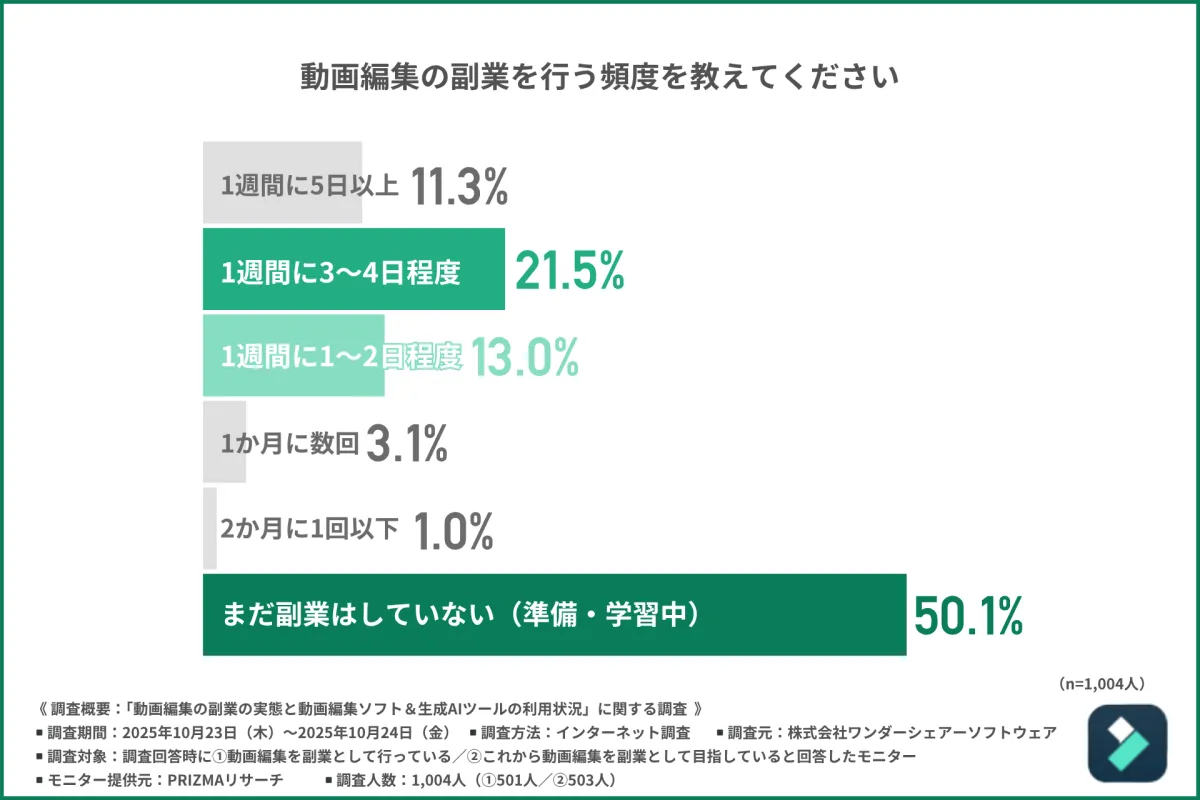
In terms of frequency, most respondents reported working on video editing projects multiple days a week. The data collection highlighted that:
- - 11.3% edit more than five days a week
- - 21.5% edit three to four days
- - 13% edit one to two days
- - 50.1% are currently not engaged but are preparing or learning.
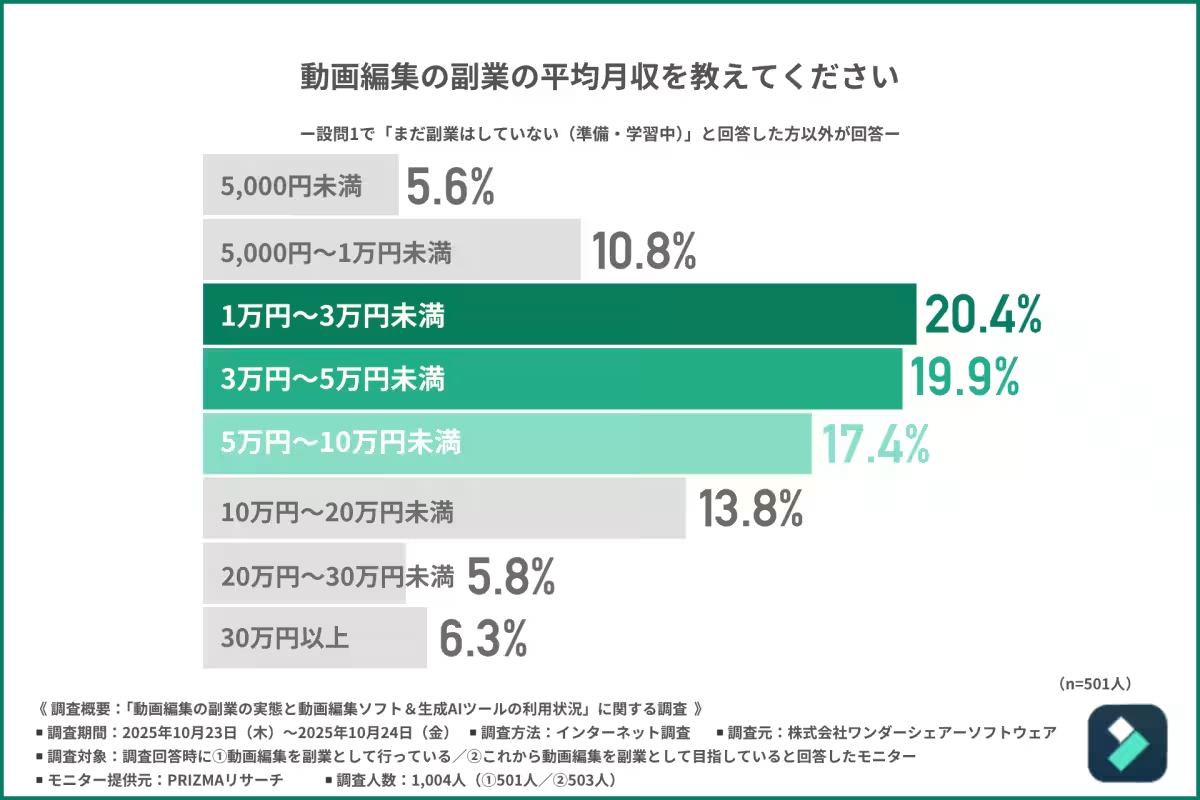
When exploring monthly earnings from video editing, the most common income bracket among respondents was between 10,000 and 30,000 yen. Others reported:
- - 30,000 to 50,000 yen: 19.9%
- - 50,000 to 100,000 yen: 17.4%.
The findings suggest a dual structure within the video editing scene, distinguishing between hobbyist participants earning modestly and those pursuing it more professionally. Variances in speed, quality, and pricing all play critical roles in determining income levels.
Popular Project Types
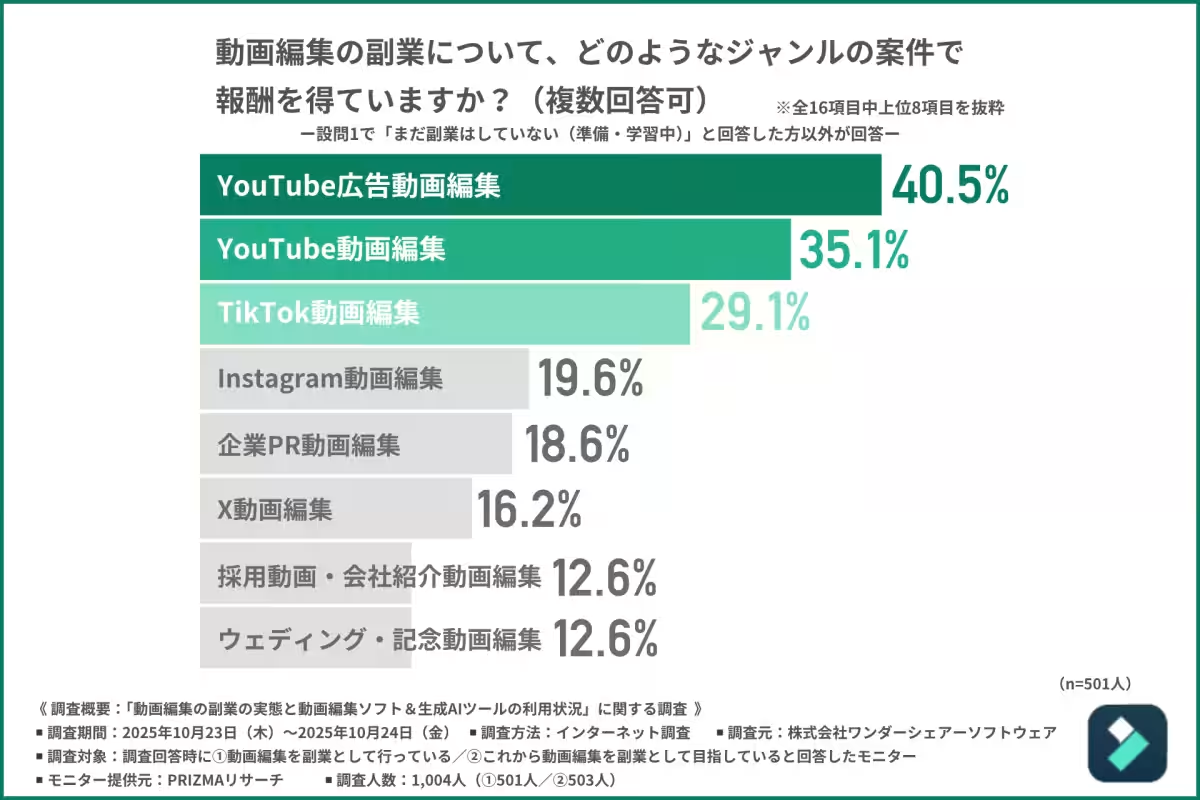
As the analysis turns to project types, it reveals that the majority of side hustle earnings are linked to video editing jobs associated with YouTube:
- - 40.5% of respondents work on YouTube advertisement video edits,
- - 35.1% handle basic YouTube video edits like cuts and text insertion,
- - 29.1% edit TikTok videos.
While YouTube remains the cornerstone of video editing projects, demand for short-form content has expanded, with TikTok and Instagram requiring different skills that focus on video speed and format adaptability. The growing diversity in platforms signifies a broadening scope for freelancers in this space.
Existing Challenges
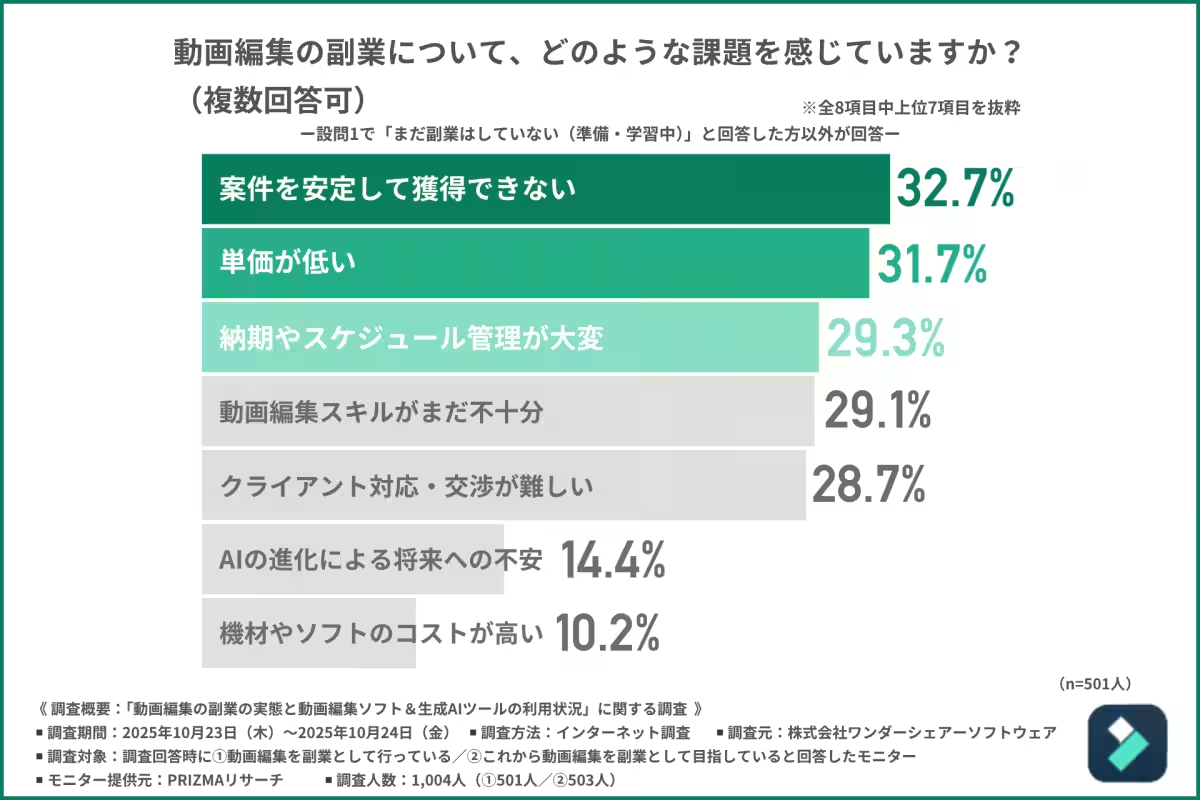
Despite the positive outlook of the industry, many participants expressed concerns, particularly regarding:
- - 32.7% struggle with securing stable projects,
- - 31.7% face issues with low pricing,
- - 29.3% find managing delivery schedules challenging.
The rising number of freelancers in video editing appears to heighten competition, making it increasingly difficult to secure consistent work. The concerns about managing quality and time within projects also remain prevalent in discussions.
Desired Skills for the Future
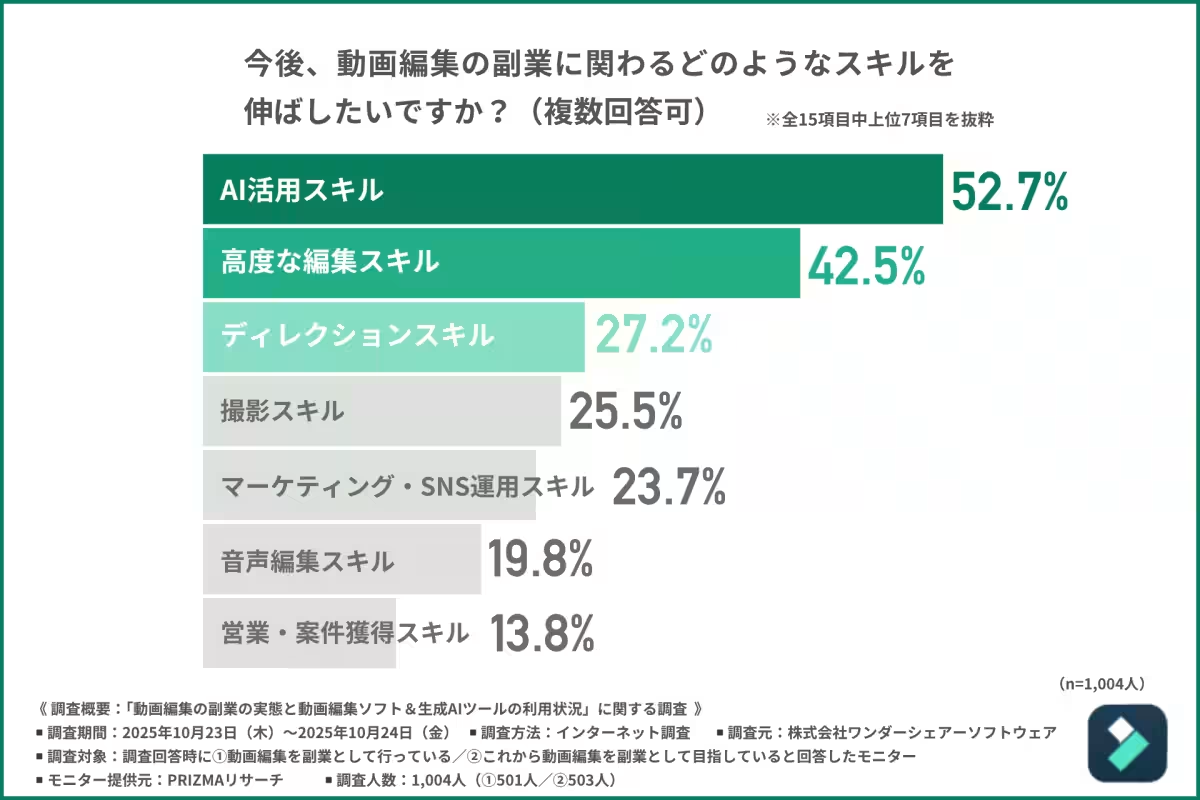
When asked about desired skills for future development, the responses highlighted a keen interest in integrating Artificial Intelligence (AI):
- - 52.7% are looking to improve their AI application skills—spanning prompt creation, AI-supported video production, and editing
- - 42.5% indicated a desire for advanced editing skills, such as color grading and motion graphics.
The strong inclination toward AI-based skills reflects a readiness to embrace new technology as a fundamental tool rather than a threat. Respondents also articulated a commitment to developing creative and managerial capabilities that remain distinctly human.
Tools of the Trade
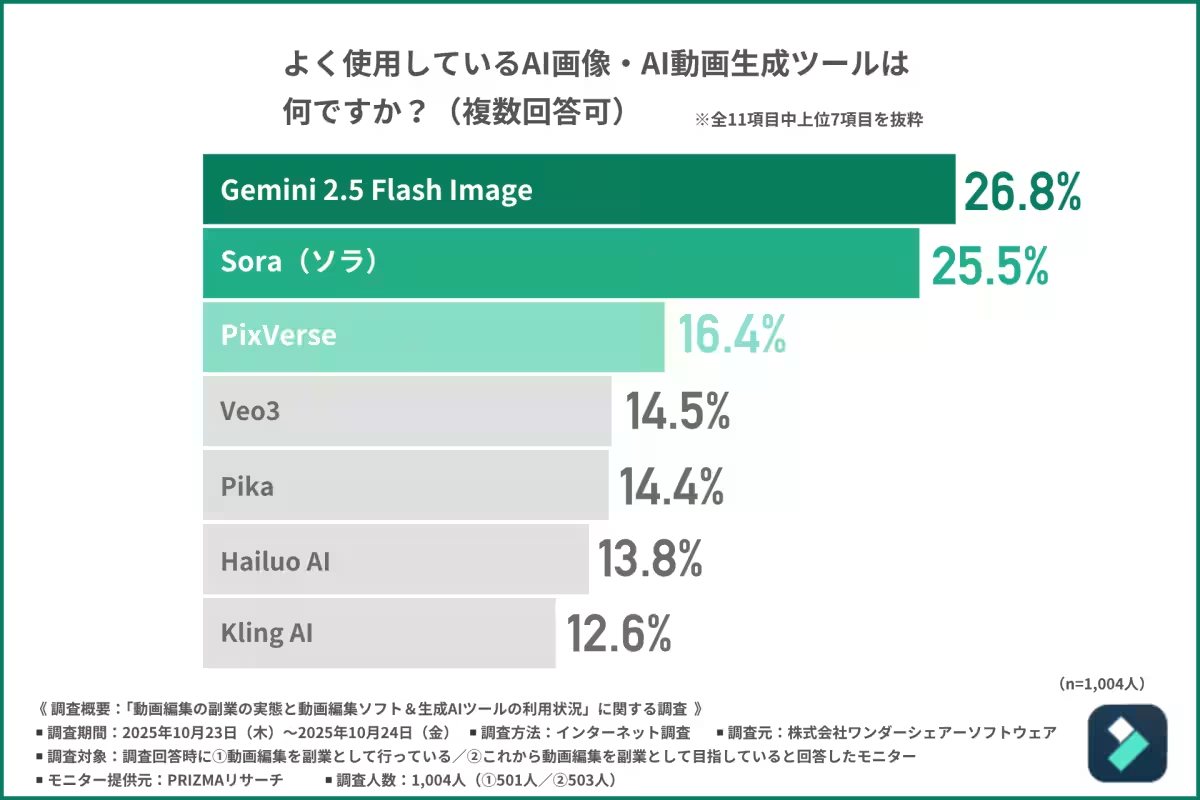
Lastly, the survey examined the prevalent tools employed by video editing freelancers. Notably:
- - 26.8% employ `Gemini 2.5 Flash Image` prominently for its user-friendly interface and generation quality,
- - 25.5% utilize `Sora`,
- - 16.4% engage with `PixVerse`.
These tools underscore a trend among freelancers toward selecting AI services that are both efficient and suited to a range of creative needs, indicating the growing reliance on AI not merely as an aide but as a critical element of the production process.
Conclusion: A Shifting Landscape
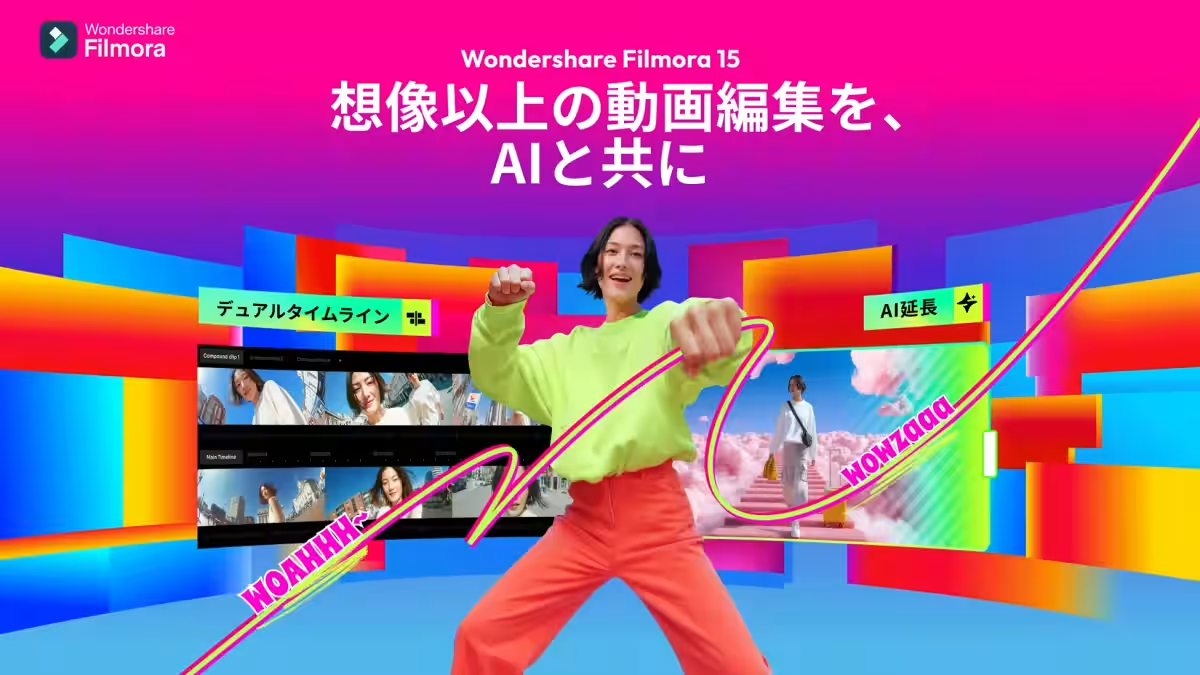
In conclusion, the study illuminates the current state of video editing as a side hustle, showcasing an industry at the crossroads of growth and maturity. As the balance shifts towards quality and skill diversity, editors are increasingly seeking technical expertise in tandem with creativity. With the powerful new capabilities of software like `Filmora 15`, video editing is becoming even more efficient, presenting exciting prospects for the future of digital storytelling. The fusion of human creativity and AI technology suggests a future where both elements enhance the editing process to achieve more engaging and effective storytelling.
Topics Entertainment & Media)
【About Using Articles】
You can freely use the title and article content by linking to the page where the article is posted.
※ Images cannot be used.
【About Links】
Links are free to use.