



Young Employees' Career Aspirations and Growth Perceptions: Key Findings from a Recent Survey
Young Employees' Career Aspirations and Growth Perceptions
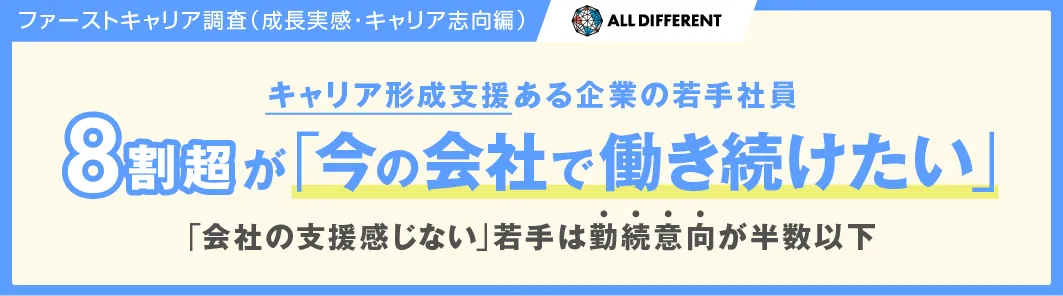
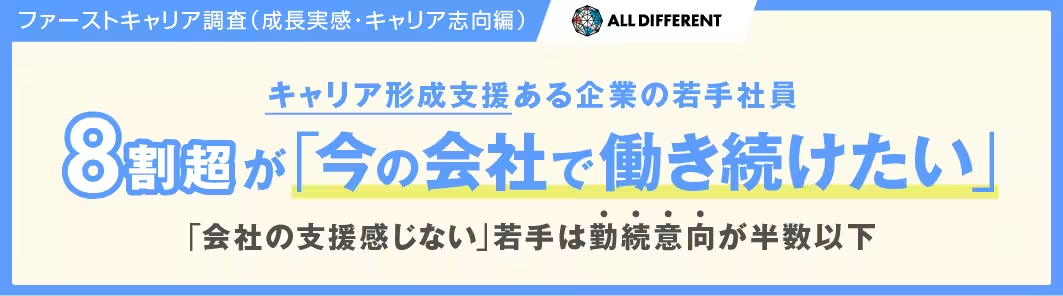
In a recent survey conducted by ALL DIFFERENT Inc. and the Learning Innovation Comprehensive Research Institute, more than 80% of young employees expressed their desire to continue working at their current companies. This sentiment is particularly strong among those who feel supported in their career development. However, a contrasting view emerges with young employees who feel unsupported; their intention to remain with their companies is significantly lower, with less than half indicating a desire to stay.
Background to the Survey
The phenomenon of early turnover among younger employees continues to be a significant challenge for many organizations. One of the underlying factors contributing to this issue is the anxiety and uncertainty that young workers feel regarding their growth and advancement in their current roles. As the employment landscape shifts towards a job-based model, individuals are increasingly encouraged to take charge of their career paths. Nonetheless, many young employees struggle to clarify their future ambitions, making guidance and support from both superiors and their employers crucial.
Overview of the Survey Resuls
The survey, conducted from August 1 to August 27, 2025, engaged 1,793 employees in their first to fourth years of work. Key findings include:
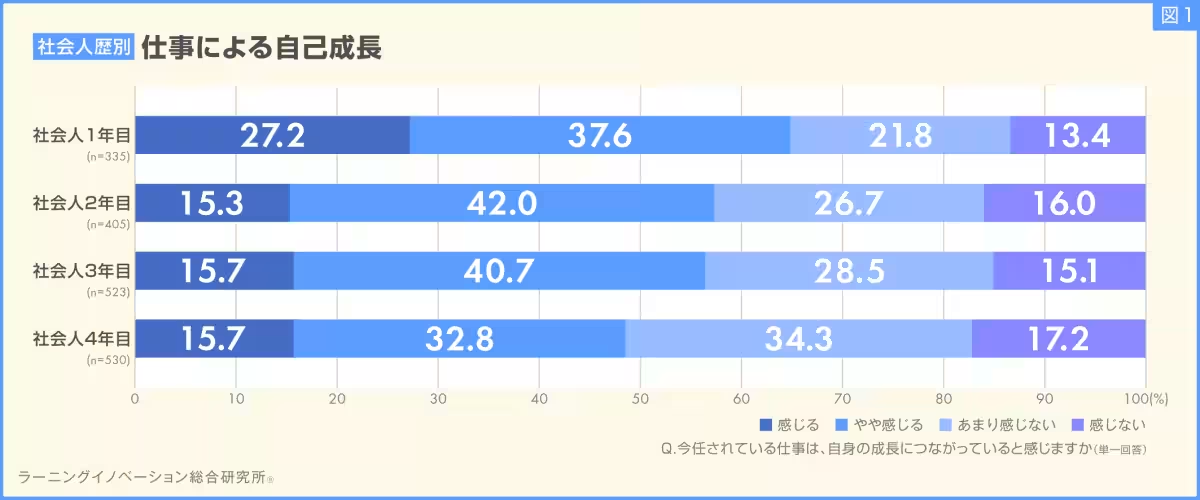
1. Perceived Growth through Assigned Tasks: In their first year, 64.8% of young employees felt that their assigned tasks contributed to their growth, a figure that dropped to below 50% by their fourth year.
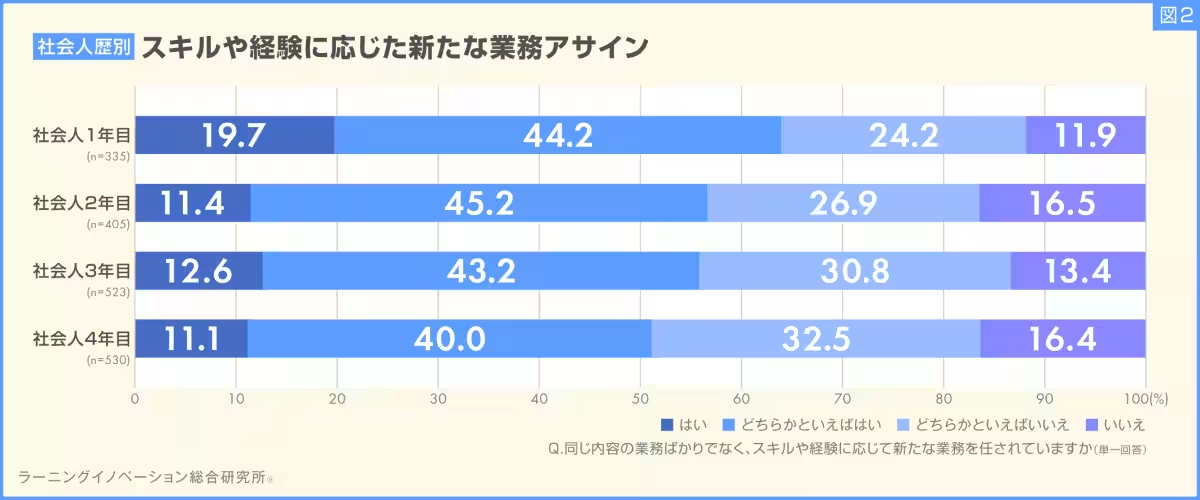
2. Opportunities for New Responsibilities: While 63.9% of first-year employees felt they were assigned new responsibilities, this perception declined with tenure, indicating a trend of reduced opportunities for challenges.
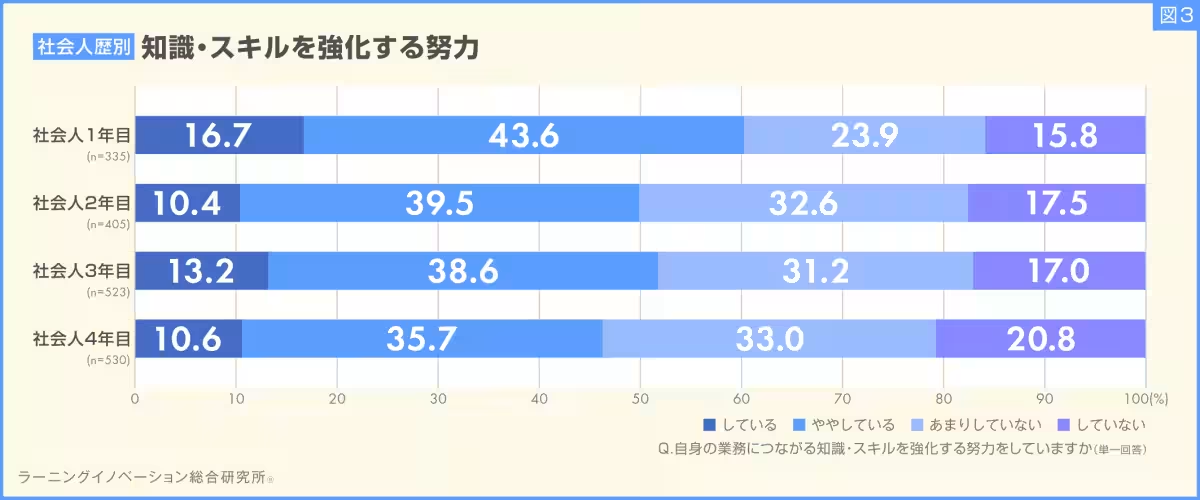
3. Efforts in Skill Development: Among fourth-year employees, only 46.3% were engaged in enhancing skills relevant to their roles, 14% lower than first-year employees.
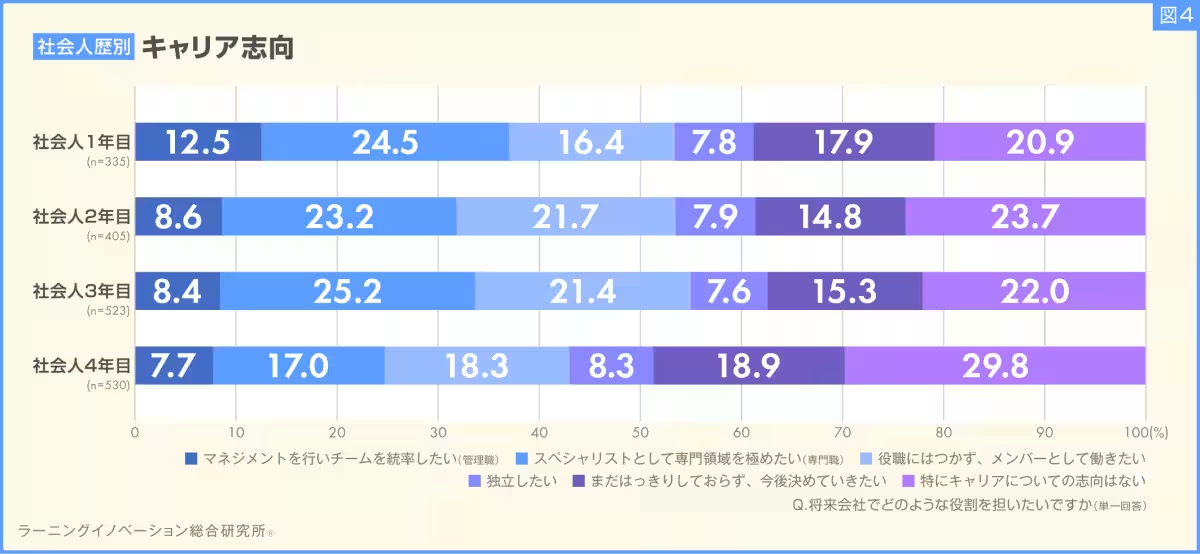
4. Future Career Aspirations & Indecision: A notable proportion of fourth-year employees (nearly half) reported unclear career intentions, reflecting a rise in indecision over time.
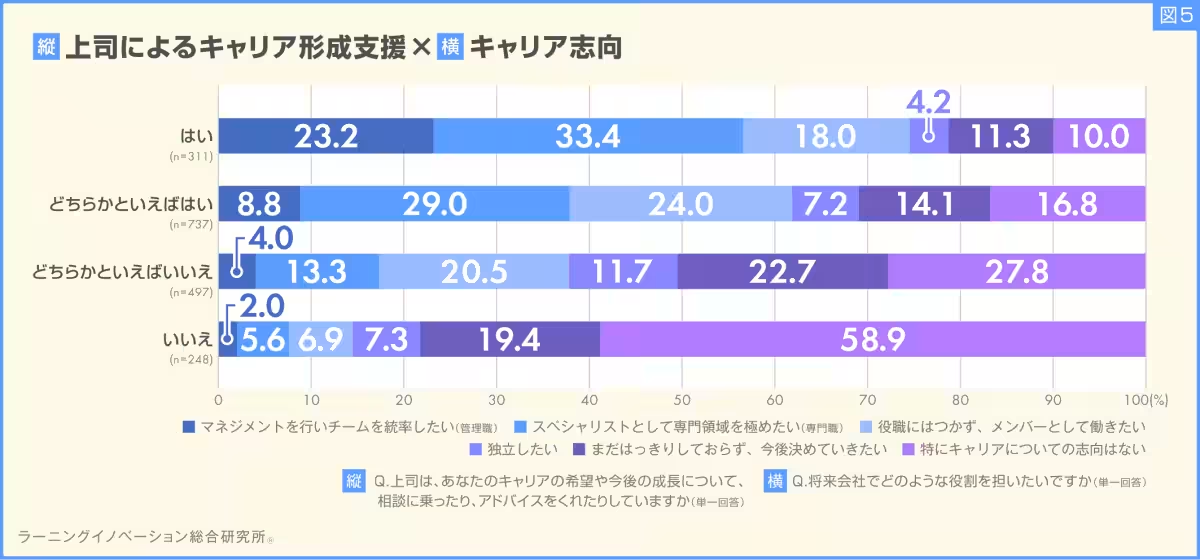
5. Impact of Support on Career Ambitions: Those who received career development support from supervisors showed a higher tendency to aspire for roles in management or specialization.
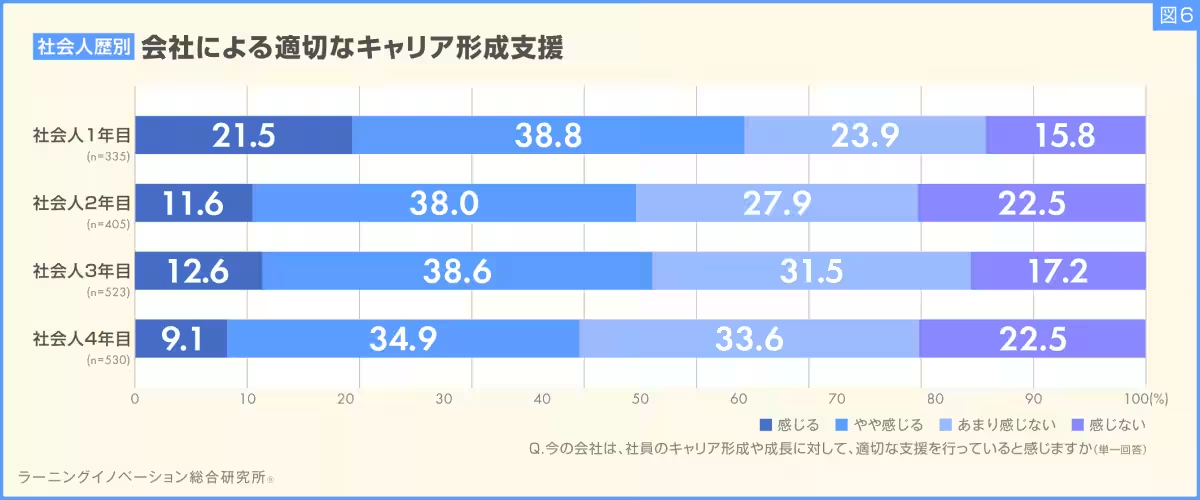
6. Perception of Company Support: The feeling that the company provides appropriate career support diminishes with years of service, dropping from 21.5% in the first year to below 10% by the fourth year.
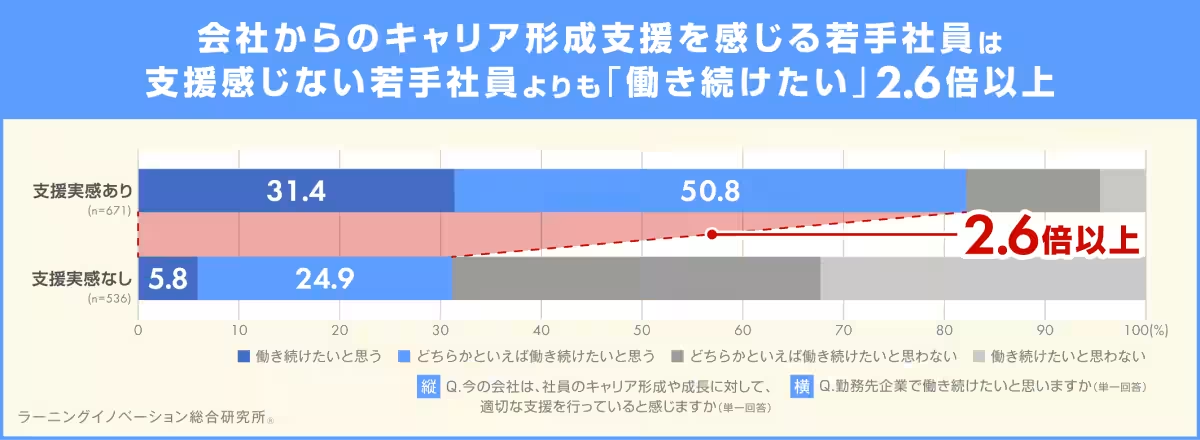
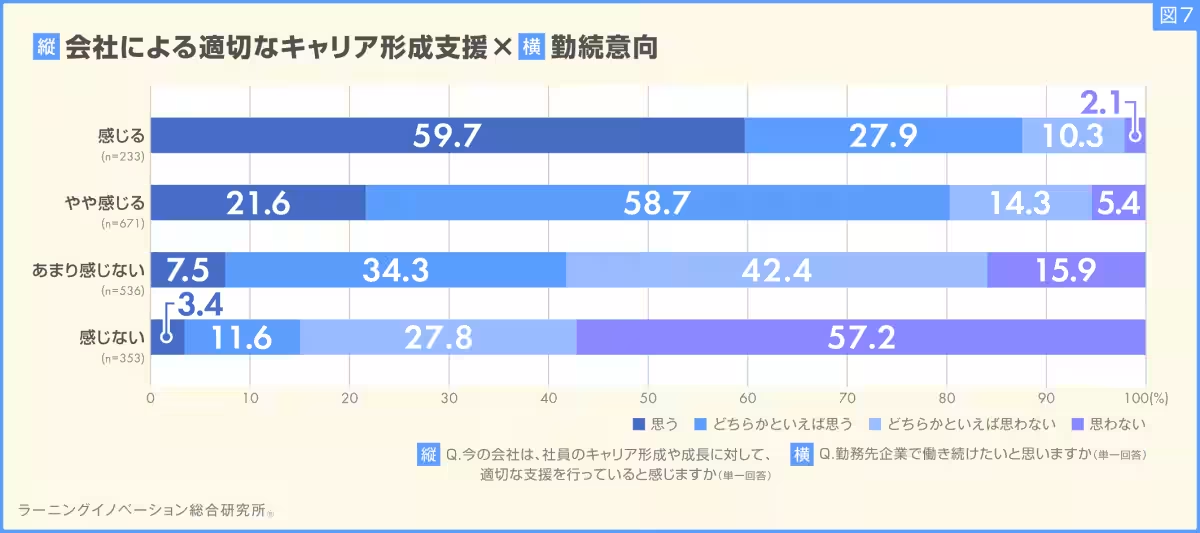
7. Retention Intentions: Employees who felt supported were significantly more likely to wish to remain with their companies, with 87.6% indicating a desire to stay compared to only 15% of those who felt unsupported.
Detailed Insights
1. Growth Perception Linked to Responsibilities: First-year employees reported a greater sense of growth linked to their responsibilities. Specifically, only 27.2% said they felt their tasks contributed strongly to their development, but when including those who felt it somewhat contributed, the figure rises to 64.8%. In contrast, by their fourth year, just 15.7% felt a strong sense of growth, with a total of 48.5% indicating any contribution to growth. This pattern signals diminishing motivation among longer-tenured employees.
2. Declining New Task Assignments: New responsibilities are crucial for maintaining engagement. In response to whether they are assigned varied tasks relevant to their skills, 63.9% of first-year employees affirmed this, but only 51.1% of fourth-year employees felt similarly, showcasing a troubling trend of reduced challenge with tenure.
3. Skill Development Efforts Flounder: The need for continuous skill enhancement is recognized most by first-year employees, with just over 60% actively improving their skills. In contrast, older employees are less engaged, indicating that early career enthusiasm often wanes without external encouragement.
4. Career Intentions Grow Vague: When asked about future roles, first-year and third-year employees frequently specified a desire to become specialists in their fields, while their second and fourth-year counterparts showed higher rates of uncertainty regarding their career paths.
5. Career Assistance Influences Aspirations: Support from supervisors significantly correlates with aspiration levels among young employees. Those receiving advice and support reported a higher likelihood of wanting to move into management or specialist roles.
6. Company Support Perception Drops: Awareness of effective company support lessens over time. As young employees progress, they increasingly perceive a lack of adequate support, which may contribute to feelings of stagnation.
7. Correlation Between Support and Retention: The correlation between perceived support and retention intentions is stark. Employees who felt supported expressed a desire to continue their employment, while those who did not perceive support showed a high inclination towards leaving.
Conclusion
The findings reveal that as young employees gain experience, they often experience a decline in growth perception and enthusiasm for new challenges. Management must recognize this trend and proactively provide career development support and engagement to enhance employee retention.
Recommendations for Companies
To foster growth among young employees and improve retention rates, companies should clearly communicate the value of continued employment. Strategies may include:
- - Regular feedback and encouragement from supervisors.
- - Development plans focusing on medium-to-long-term growth for young professionals.
- - Assigning roles that challenge employees and allow for professional growth.
- - Flexibility in work arrangements to accommodate personal circumstances.
This approach will not only promote individual growth but also aid companies in retaining their valuable young talent in an increasingly competitive market.


Topics People & Culture)


【About Using Articles】
You can freely use the title and article content by linking to the page where the article is posted.
※ Images cannot be used.
【About Links】
Links are free to use.