



Disaster Education Workshop Hosted by Tokyo Fire Department Engages Middle School Students
Disaster Education Workshop in Tokyo
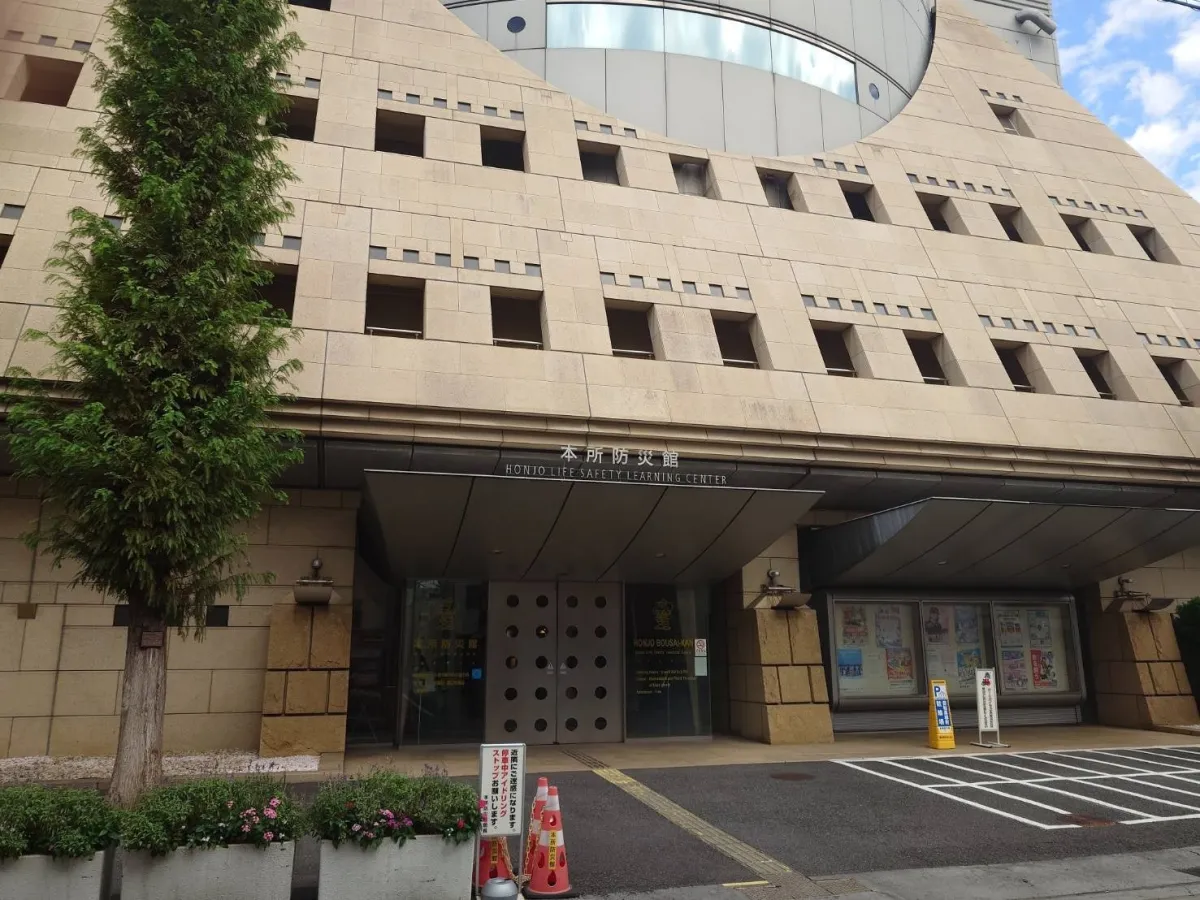
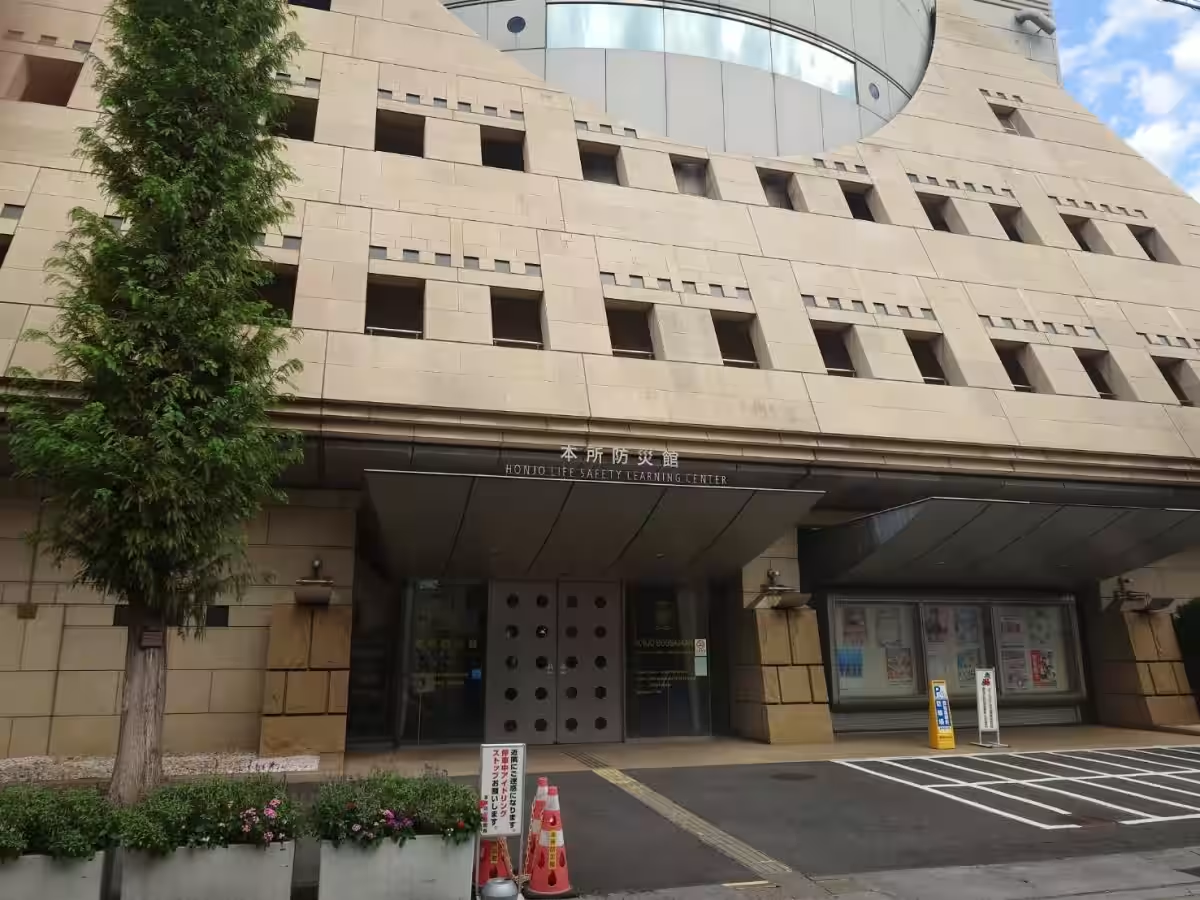
On October 24, 2023, a significant disaster education event took place at the Tokyo Fire Department's headquarters in Sumida Ward. This initiative, organized by the Tokyo Fire Department, involved approximately 86 students from local middle schools, who were divided into 11 groups. The event aimed to educate the youth about disaster preparedness and response in an engaging environment.
Overview of the Event
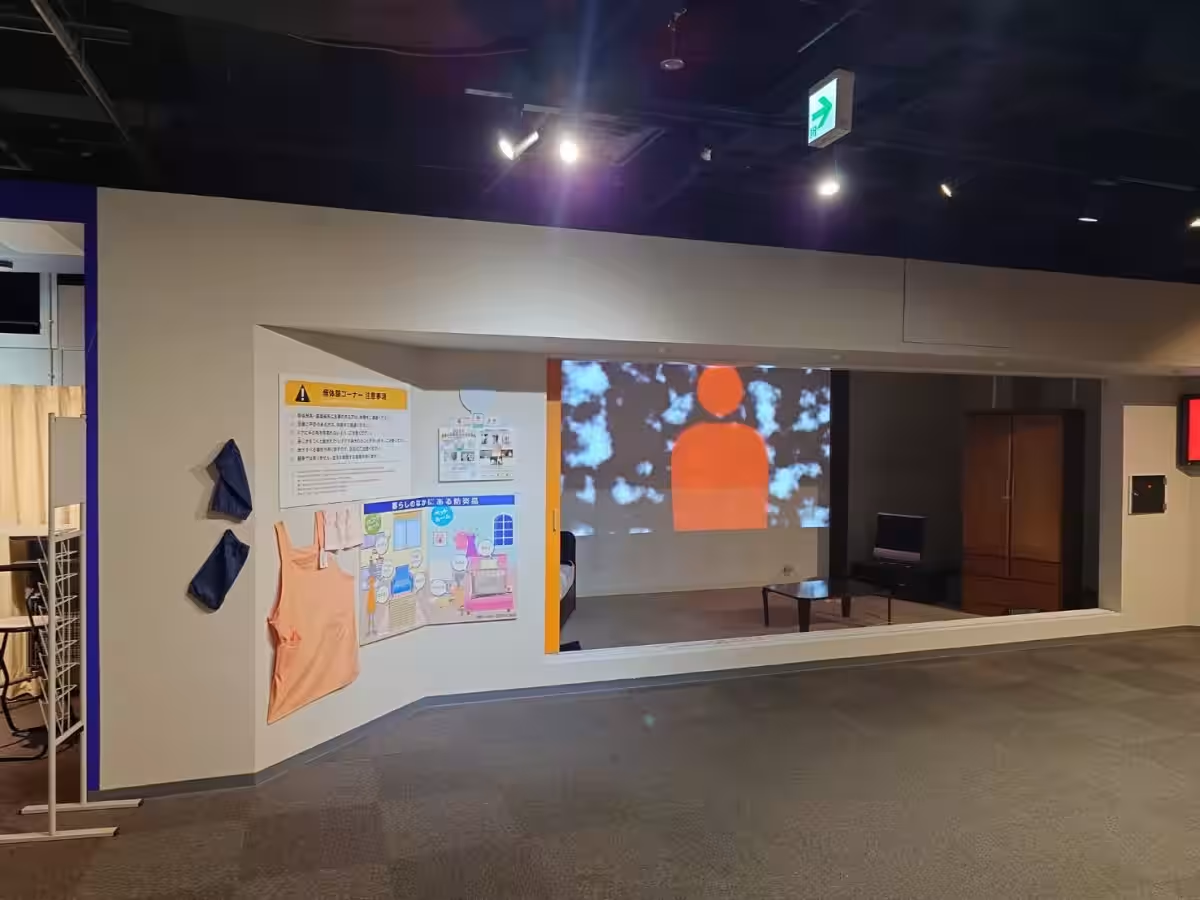
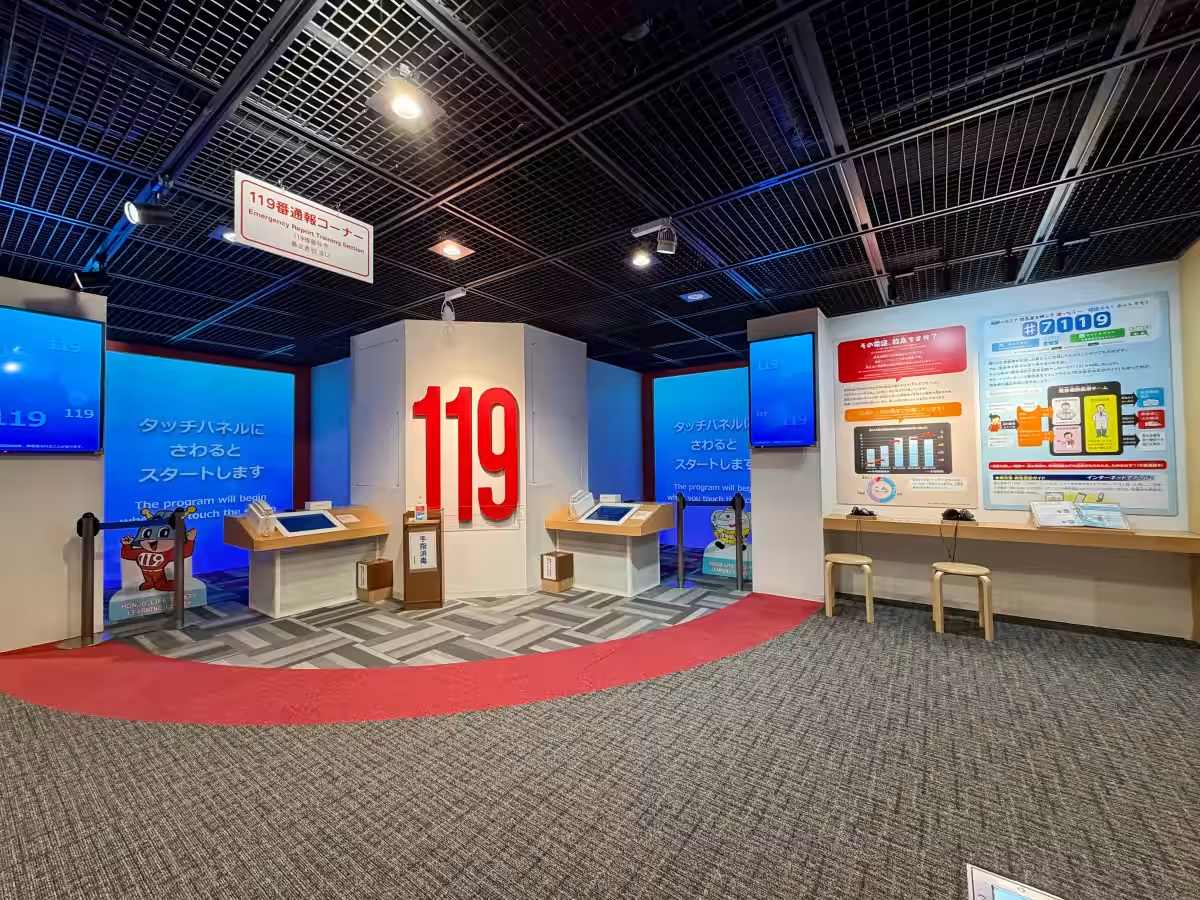
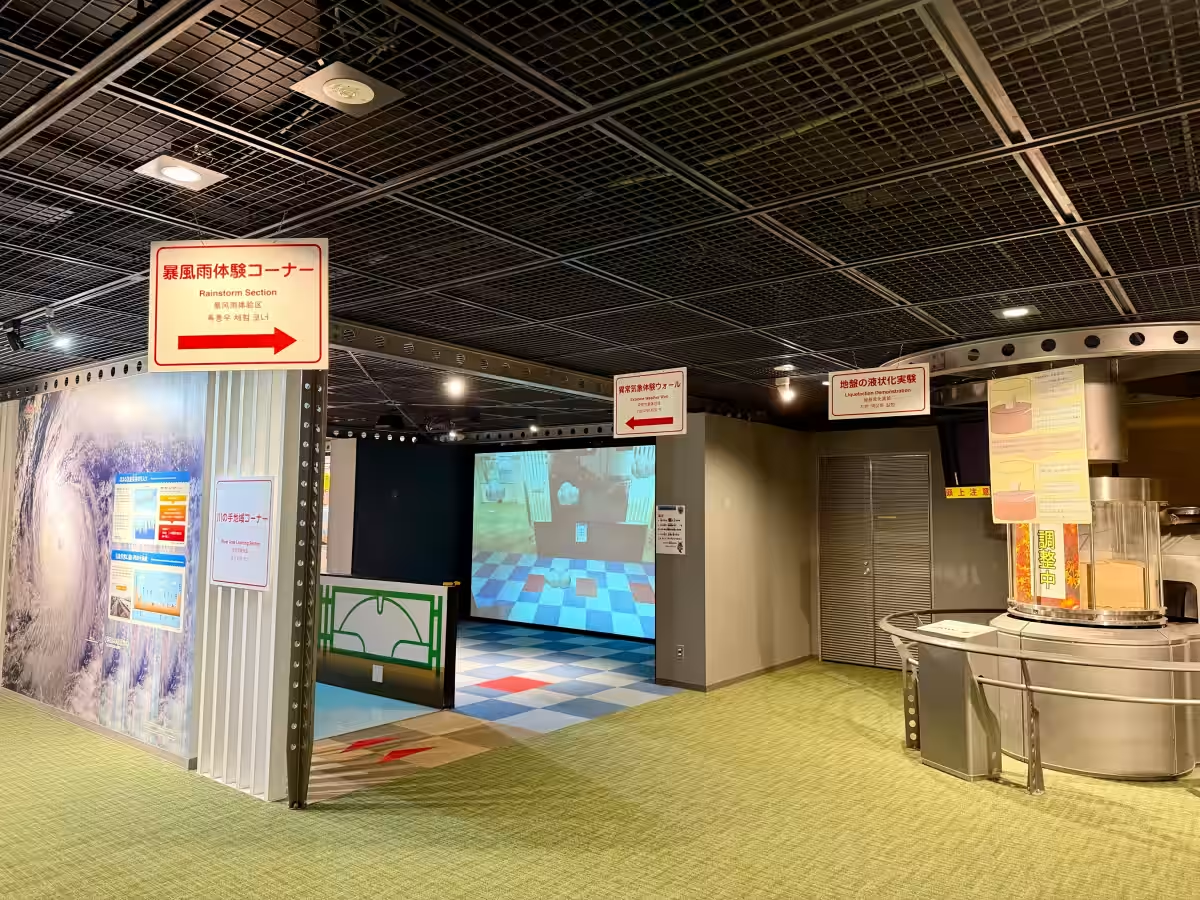
The Tokyo Disaster Education Center offers experiences for residents to learn essential skills such as earthquake shaking, initial fire extinguishing techniques, emergency first aid, and evacuation procedures during smoke-filled situations. These experiences are not only crucial for individual safety but are also used in community fire drills and training for new employees in schools and companies, measuring their effectiveness in fostering a well-informed public.
Crossroad Game - Learning through Experience
To engage students in thinking and learning about disaster response, various hands-on experiences were facilitated, including earthquake simulation, smoke exposure from fires, storm experiences, and urban water disaster scenarios. Following these exercises, the Japan Friends Association (Kizuna Association) introduced the Crossroad Game to help students understand the complexities of decision-making during disasters.
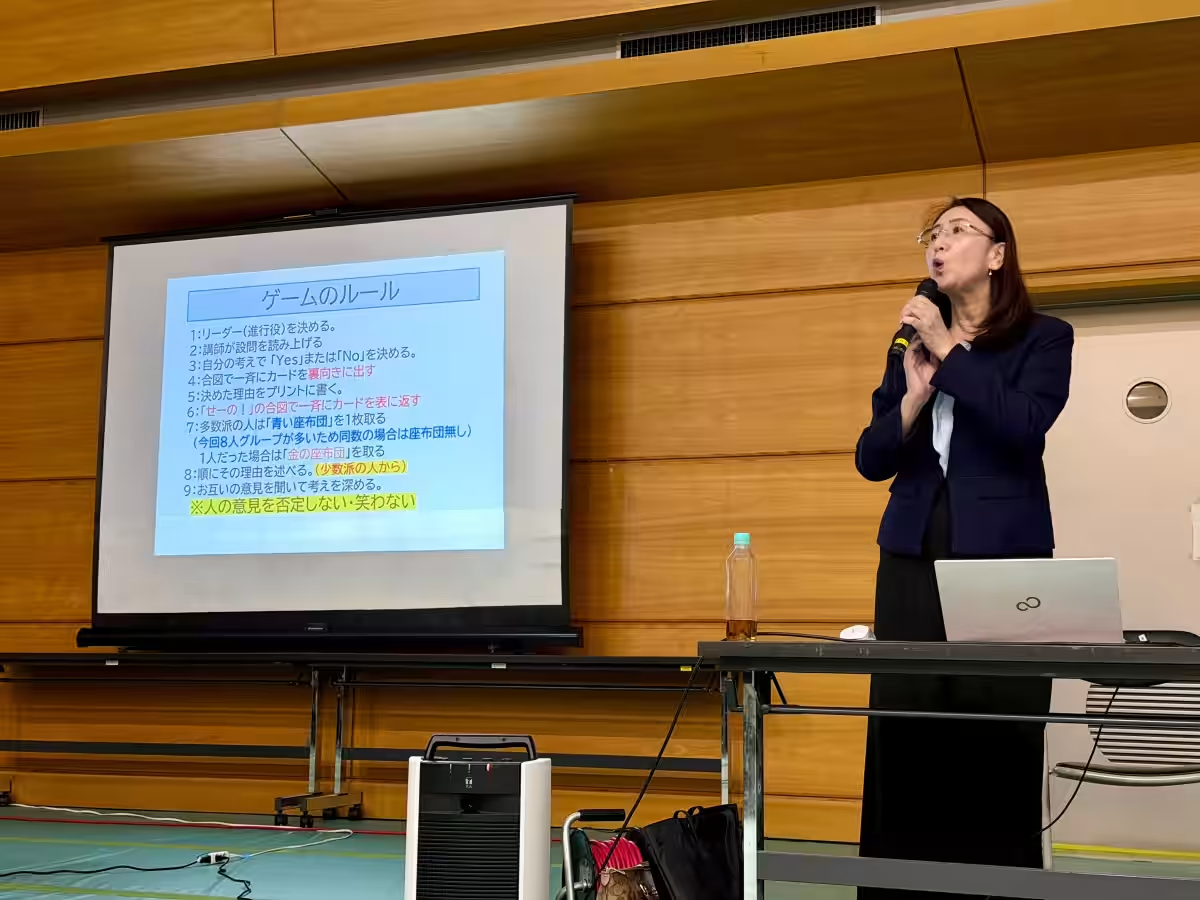
This educational game, based on real stories from the Great Hanshin-Awaji Earthquake, encourages players to confront dilemmas faced during disasters. Participants learn that there are rarely any absolute correct answers in disaster scenarios. They discuss opinions and learn collaboratively about the best choices to make under pressure.
The game posed questions, such as, “If you were in that situation, how would you act?” prompting students to reflect and share their reasoning behind their decisions. Notably, diverse responses emerged even for the same yes or no answers, illustrating the individuality of decision-making processes under stress.
Instructor Insights
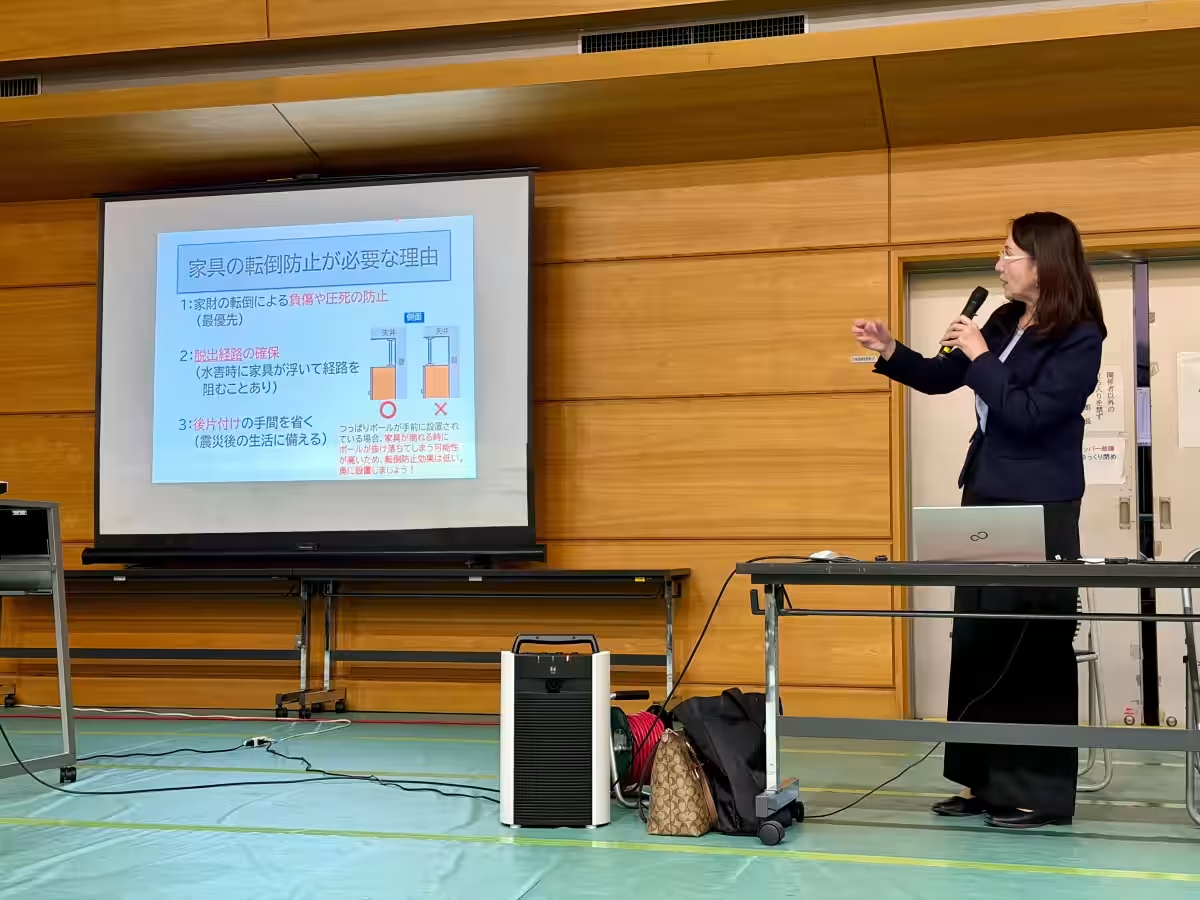
Instructors noted that the Crossroad Game profoundly impacted students by prompting discussions around life-saving actions and exposing them to varying values and perspectives. The students expressed desires to assess the disaster risks in their neighborhoods, engage in family discussions on preventive measures such as securing furniture to prevent tipping, and recognize the needs of individuals requiring special consideration in evacuation shelters.
The ground rules set before the session, emphasizing the absence of a singular right answer, cultivated an atmosphere where minority opinions could emerge freely, enhancing engagement among participants when they revealed their choices simultaneously.
One group stood out for its efficient rotation of opinion gathering, which led to a smooth discussion process. Although several other disaster response games exist, the relatively simple setup and cleanup process of the Crossroad Game make it particularly appealing for educational settings.
Having already undergone various disaster simulations prior to the workshop, students approached the game with heightened enthusiasm, treating it as a personal responsibility rather than an academic exercise. They realized the unpredictable nature of disasters, emphasizing the importance of not viewing them as external concerns but as personal responsibilities. Understanding risks associated with their homes and schools could lead to quicker evacuations and safer actions in emergencies.
Such workshops are intended to elevate disaster awareness, prompting discussions within schools and families regarding disaster preparedness.
Instructor Profile
Hitomi Tahara, the representative of Ark Next, is a member of the Japan Disaster Prevention Committee and the Japan Disaster Medicine Society. She also serves as a regional disaster advisor for Asaka City. An alumna of the Disaster Management Training Center affiliated with the University of Tokyo, she has completed programs in disaster response training and medical care (suction and tube feeding) instruction. Besides disaster education, she conducts training for childcare workers and staff across various regions, collaborating with government, educational institutions, and community groups for practical disaster awareness and personnel training.
Expanding Disaster Education
Disasters can strike unexpectedly, making it crucial for individuals to view them as personal concerns and to be prepared in advance. Familiarity with risks in homes and schools can facilitate quicker evacuations and safer behaviors in emergencies.
Such educational sessions can significantly enhance disaster awareness among participants and inspire ongoing discussions about preparedness within schools and homes.
Consultation for Training and Workshops
The Kizuna Association welcomes inquiries regarding disaster education and experiential training for schools, local organizations, and businesses. We offer tailored programs, including the Crossroad Game, shelter management (HUG), and disaster workshops to suit varying needs. Organizations interested in integrating disaster learning or employee training should feel free to reach out.
For inquiries:
Social Welfare Corporation Kizuna Association
Email: [email protected]
Phone: 080-5188-5855
Website
(Please refrain from contacting us for sales or solicitation.)
Topics People & Culture)
【About Using Articles】
You can freely use the title and article content by linking to the page where the article is posted.
※ Images cannot be used.
【About Links】
Links are free to use.