




Exploring the Community Spirit: An Insight into Online Culture and Civility Trends
Understanding Community Civility in Online Spaces
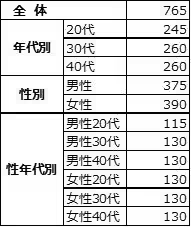
In recent years, online communities have become pivotal in shaping social interactions and information dissemination. According to a comprehensive survey by Asmark Co. in Tokyo, which targeted individuals in their 20s to 40s engaged in various online communities, over 700 participants shed light on the evolving dynamics of civility and engagement across different cultural niches. The survey focused on the period from August 19 to August 21, 2025, and revealed some interesting insights about the nature of these communities.
Survey Insights
The term 'community' often conjures up images of spaces ripe for fruitful exchanges and shared experiences. However, these online environments can also exhibit restrictive norms and heightened emotional reactions, leading to contrasting levels of civility—a concept frequently discussed in the context of online behavior.
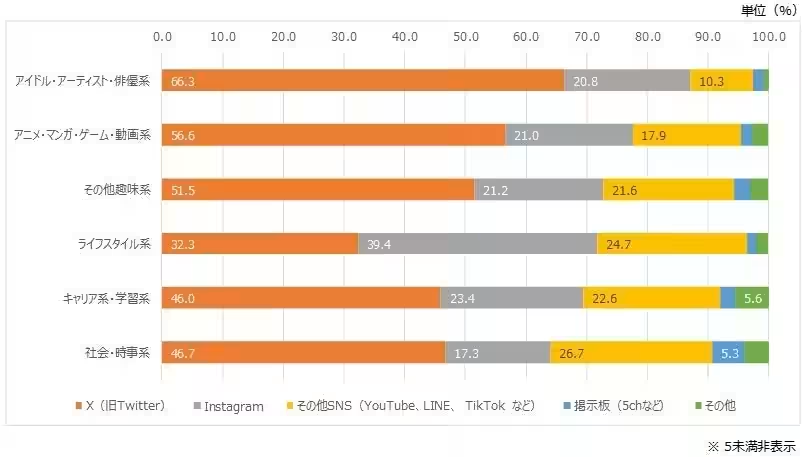
The survey sought to understand factors influencing perceived civility in communities centered around specific interests, such as lifestyle, entertainment, and politics. Respondents were asked about the platforms where they interacted most (like X and Instagram), their personal assessments of civility, as well as the rules and informal agreements within their chosen communities.
Key Findings
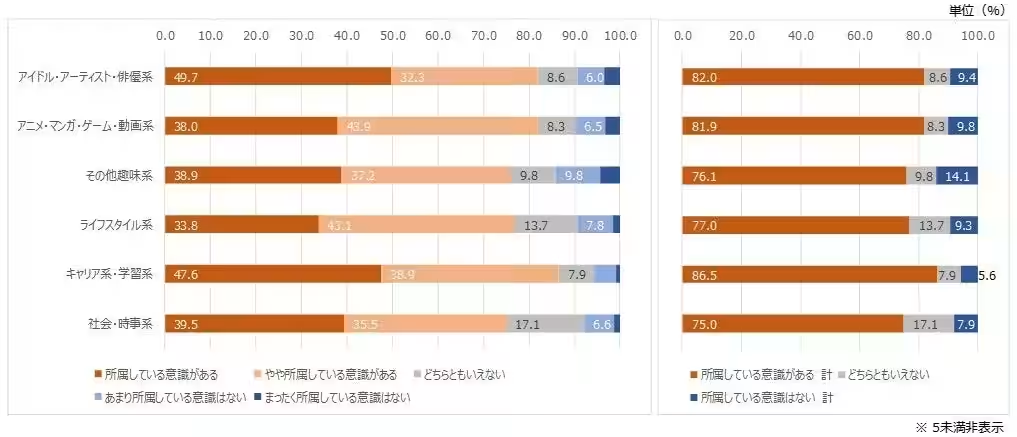
1. Belonging Perception: Over 70% of participants felt a sense of belonging within their respective communities. The highest belonging was associated with idol and artist communities at approximately 53%, while lifestyle categories were at the lower end, around 34%.
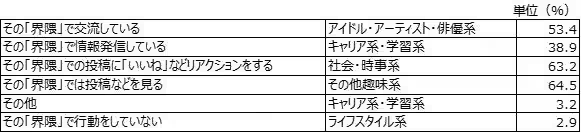
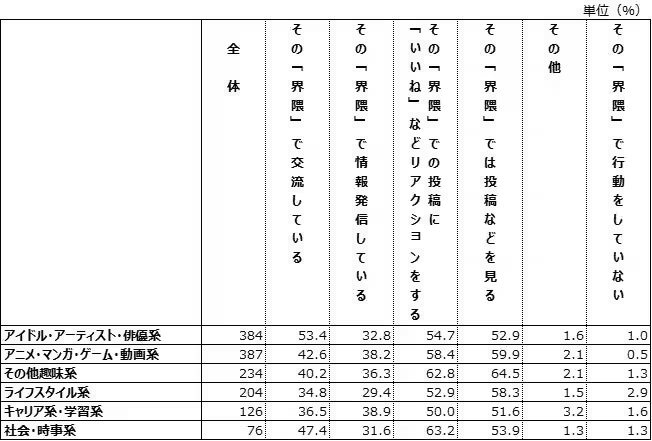
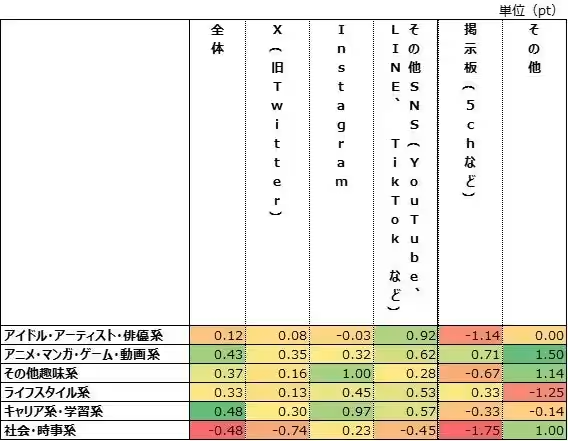
2. Engagement and Activity: In terms of content creation and sharing, career and learning communities emerged as the most active, with about 39% of respondents engaging in these areas. Interestingly, while lifestyle communities had significant engagement, X was prefered slightly less than Instagram for this demographic.
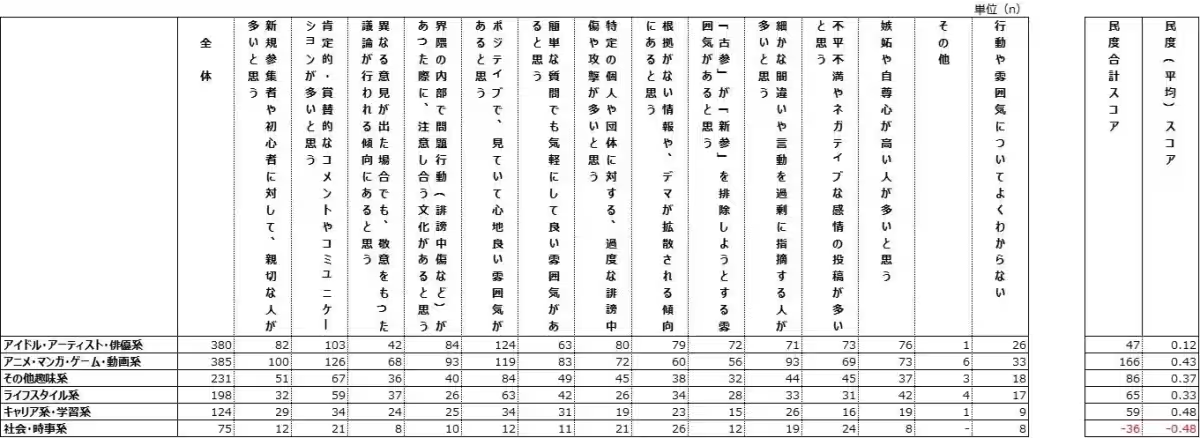
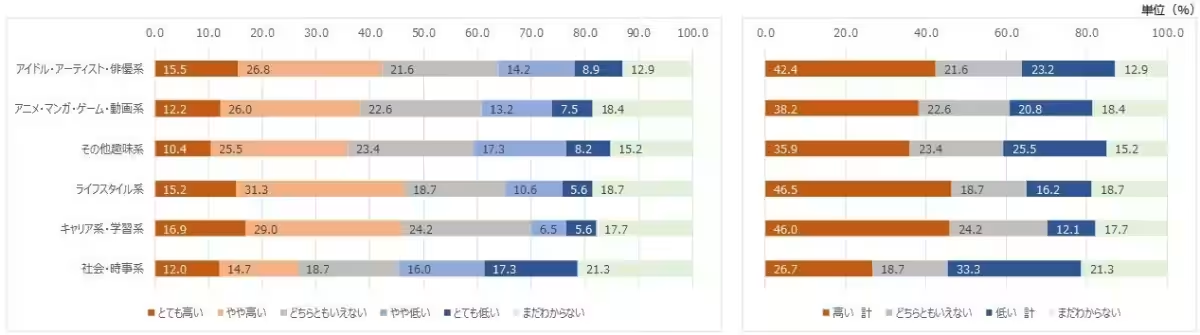
3. Civility Scores: The surveyed communities demonstrated civility scores ranging from -0.5 to +0.5, indicating that while no significant discrepancies were highlighted, variations in community dynamics did exist. Lifestyle communities showcased the highest civility scores of approximately 47%, in contrast to social and political communities, which languished at lows around 33%.
Community Behavior Patterns
The survey also uncovered behavioral trends, such as the ways community members interacted:
- - Social Interactions: Participants noted that reacting to posts, like adding likes or comments, ranged between 50% to 65% across platforms, indicating a robust engagement culture.
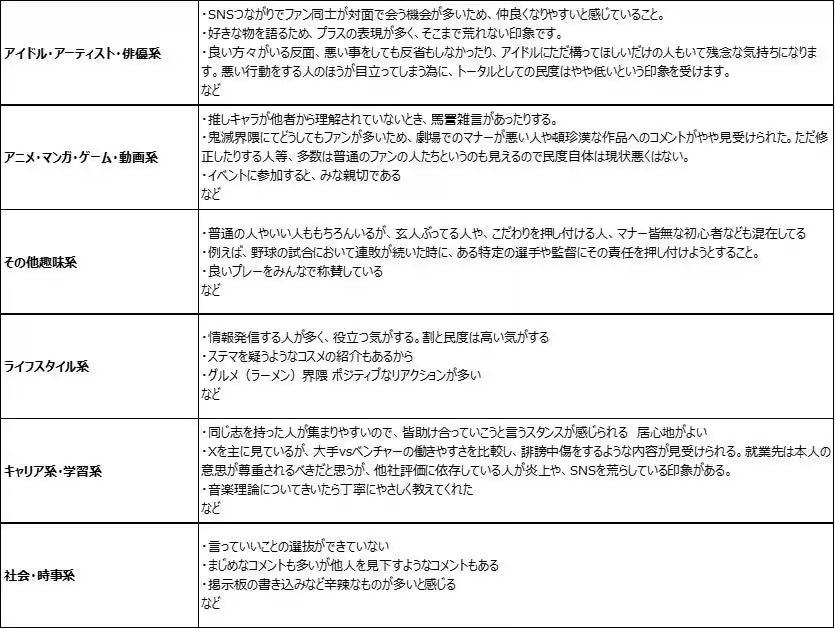
- - Expression of Opinions: It was noted that diverse opinions were often met with polite, respectful discussions, especially in environments perceived as civil.
Recent Trends and Changes
The survey included a recent reflection on community civility over the past three months. Respondents identified various factors that contributed to their collective experiences:
- - Positive Factors: Many reported a welcoming attitude towards newcomers and respectful debates as signs of high civility. The lifestyle and career/learning communities stood out positively here, near the 46% mark.
- - Negative Trends: Conversely, instances of toxic behavior, unfounded criticisms, and exclusionary practices were highlighted, particularly in social and political realms.
Conclusion
Ultimately, understanding online community dynamics is essential in fostering better user experiences. The contrasting civility levels based on community categories illuminate the need for ongoing dialogue about norms and shared values in online interactions. This insight can guide community leaders and members alike to cultivate healthier spaces that encourage positive engagement.
Download the Full Survey Report
For those interested in deeper analysis or specifics of the findings, the full survey report is available for download through Asmark Co.
This survey offers a glimpse into the complex layers of online interactions and the inherent values shared by participants across multiple digital landscapes.


Topics People & Culture)


【About Using Articles】
You can freely use the title and article content by linking to the page where the article is posted.
※ Images cannot be used.
【About Links】
Links are free to use.