



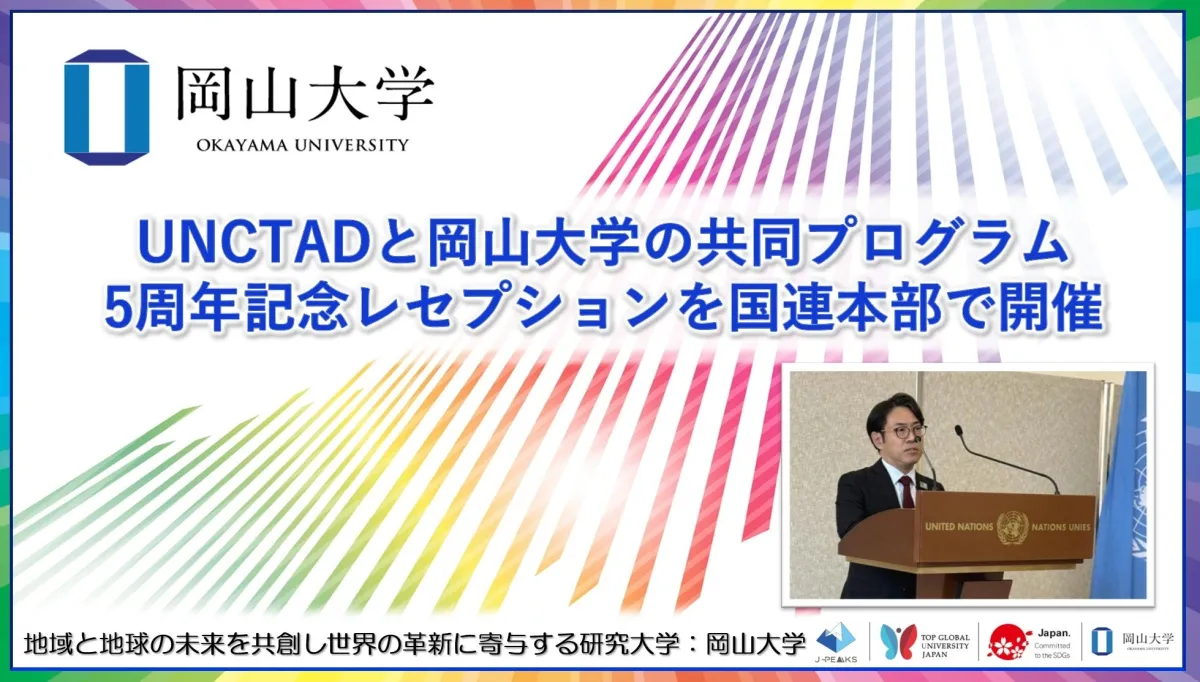
Okayama University Celebrates 5th Anniversary of UNCTAD Joint Program Supporting Women Researchers
Celebrating Five Years of Empowering Women Researchers
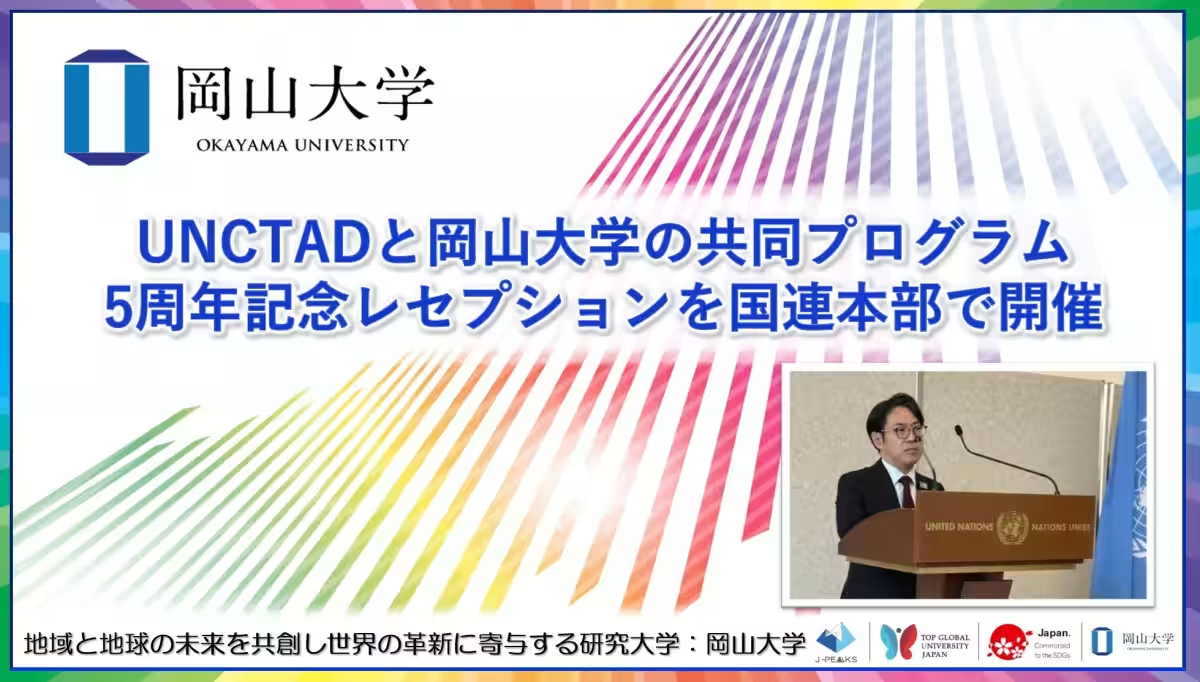
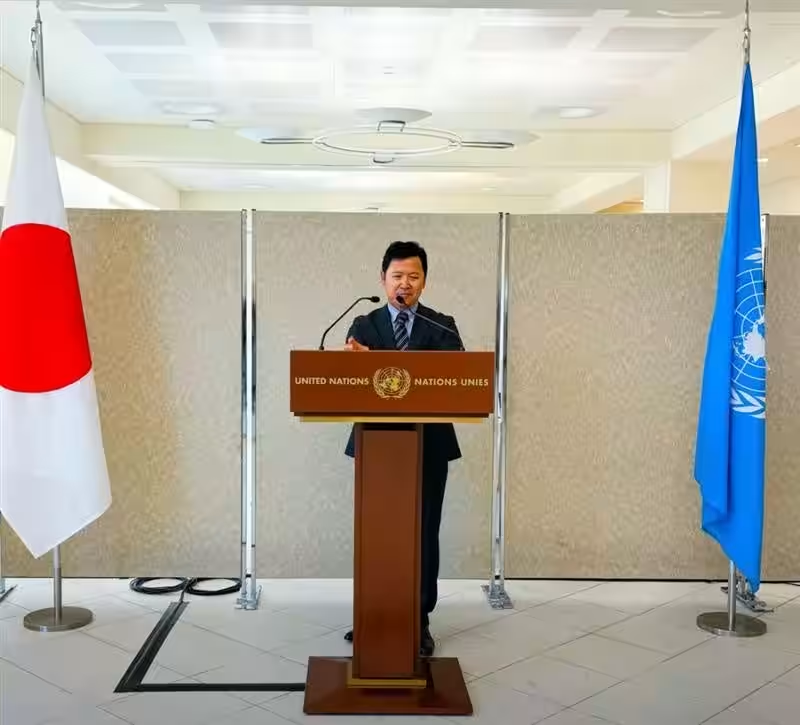
On November 17, 2025, Okayama University, headquartered in Okayama City and led by President Yasuto Nasu, hosted a special reception at the United Nations European Headquarters in Geneva. This event marked the fifth anniversary of the cooperative program with the United Nations Conference on Trade and Development (UNCTAD), which aims to support young female researchers from developing countries through collaborative research and training courses. The reception took place during the Commission on Science and Technology for Development (CSTD) annual intersessional panel meetings for 2025-2026, providing a prominent backdrop for this significant celebration.
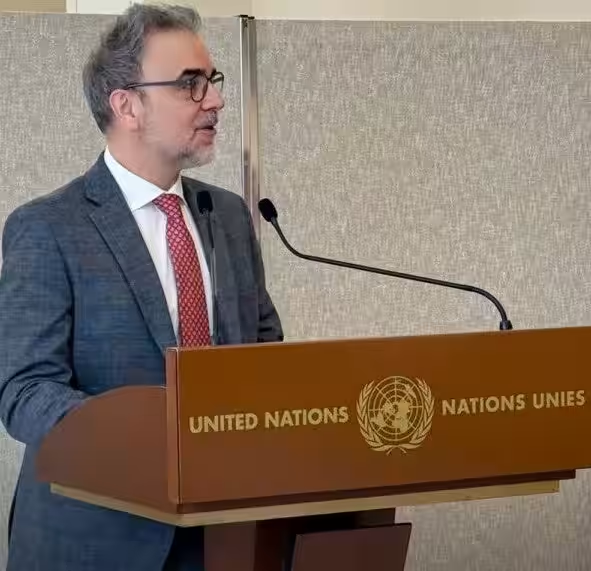
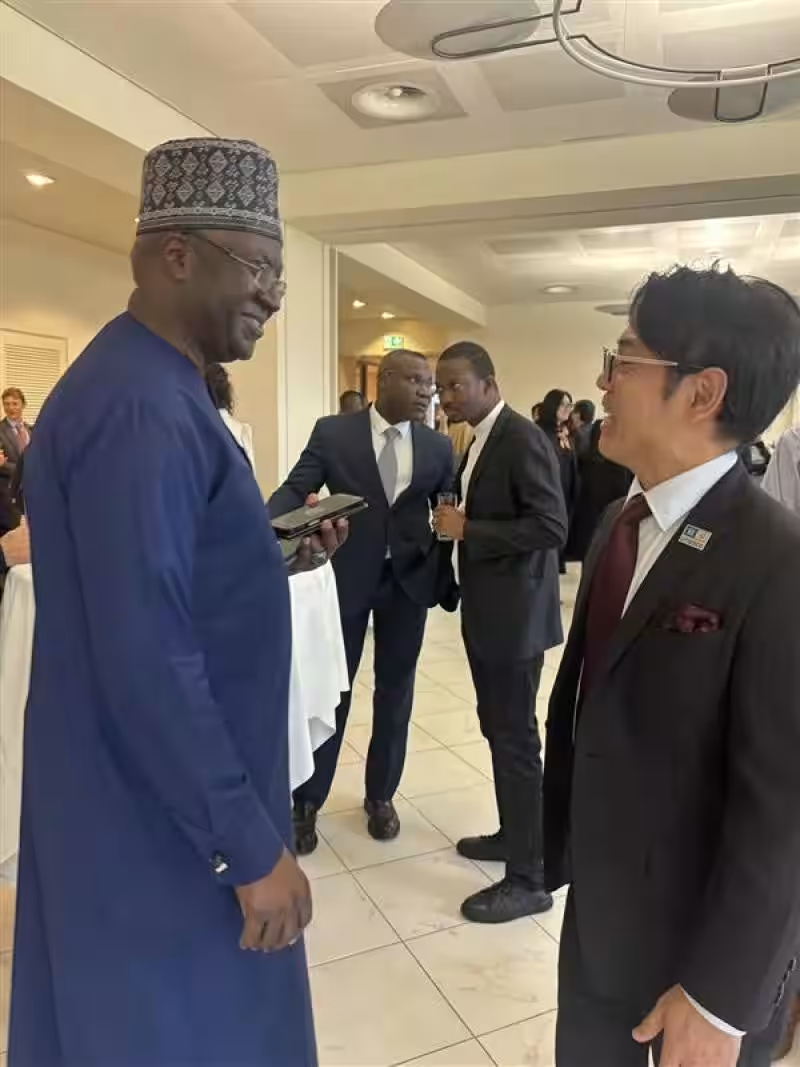
The event attracted a diverse audience, including representatives from UN agencies, various governments, academic institutions, and international organizations, creating an opportunity for engaging discussions on the program's past achievements and future directions. Key figures present included Pedro Manuel Moreno, Deputy Secretary-General of UNCTAD, H.E. Ambassador Muhammadou M.O. Kah, acting chair of CSTD, H.E. Mr. José Valencia, the Permanent Representative of Ecuador to the UN in Geneva, and Ms. Ritu Agarwal, member of CSTD's Gender Advisory Committee from Johns Hopkins University. Additionally, Ambassador Katsuro Nagai, Japan's permanent representative to the International Organizations in Geneva, was present, emphasizing the importance of this initiative.
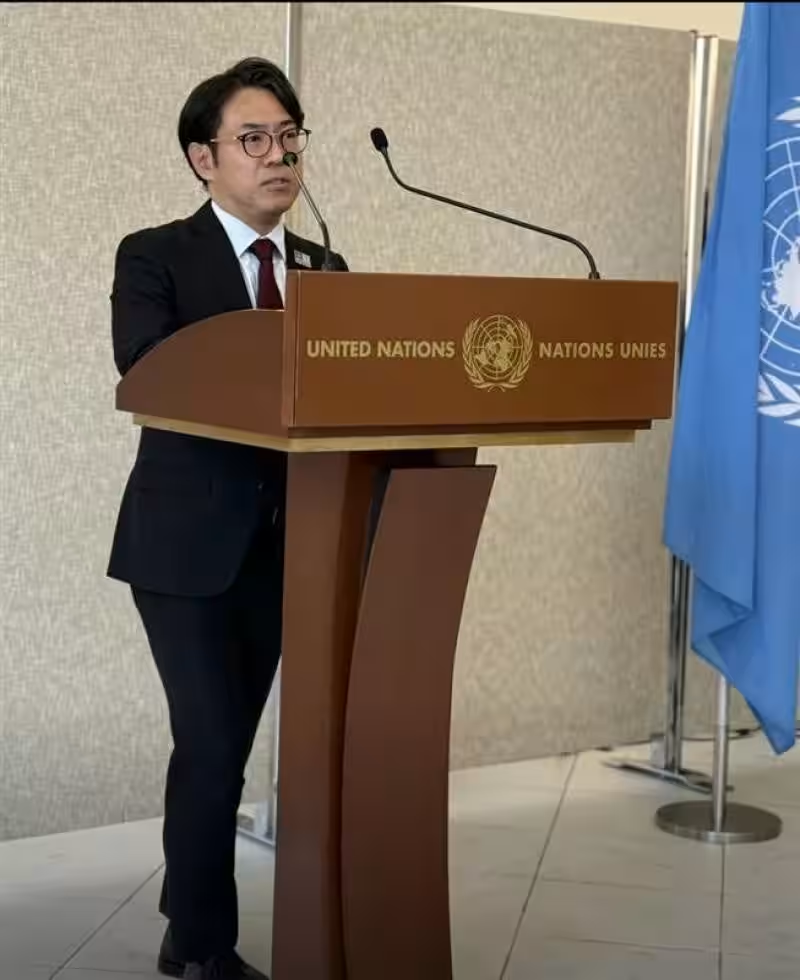
The opening remarks were delivered by Atsufumi Yokoi, Vice President in charge of Global Engagement and UNESCO Chairholder at Okayama University. He highlighted the essential role of women's empowerment in science, technology, and innovation (STI) for achieving the Sustainable Development Goals (SDGs). He stated that universities should not only create knowledge but also act as tanks for sustainability, ethics, and international understanding.
Since its inception in 2020, this program has welcomed talented young female researchers from Africa and Southeast Asia. This year, it expanded its reach to include participants from Central and South America, with new entrants from Ecuador, Guatemala, and Peru. As a result, the program now encompasses researchers from 12 countries, totaling 32 participants. The influence of this initiative has been significant, having catalyzed a collaborative effort to support female researchers through a partnership between UNCTAD and the Thai government.
During the reception, the establishment of a new international network was announced, aimed at fostering continuous interaction and collaboration among program participants. This network will facilitate mentoring, joint research, and knowledge sharing—essential components for nurturing the next generation of female scientists. Such network-building is expected to invigorate participants' research initiatives and enhance ongoing engagement with Okayama University, thereby contributing to the sustainability and growth of the program itself.
While in Geneva, Vice President Yokoi also visited Japan's government representative office to the International Organizations, where he had a productive dialogue with Ambassador Nagai concerning the university's global engagement center and past collaborations with overseas institutions as well as ongoing work with UNCTAD.
Okayama University reaffirms its commitment to strengthening international partnerships, fostering female leadership in the STI field, and promoting inclusive and sustainable societies. The community can look forward to the university's continued contributions as a regional hub and distinctive research institution.
This information was released by Okayama University on December 16, 2025.
About UNCTAD
Established in 1964 and based in Geneva, UNCTAD is a key UN body that addresses a wide array of issues relating to trade, development, finance, investment, technology, and sustainability. Its mission is to maximize trade, investment, and development opportunities for developing countries and to help them effectively integrate into the global economy. For more information, visit UNCTAD's website.
Topics People & Culture)
【About Using Articles】
You can freely use the title and article content by linking to the page where the article is posted.
※ Images cannot be used.
【About Links】
Links are free to use.