



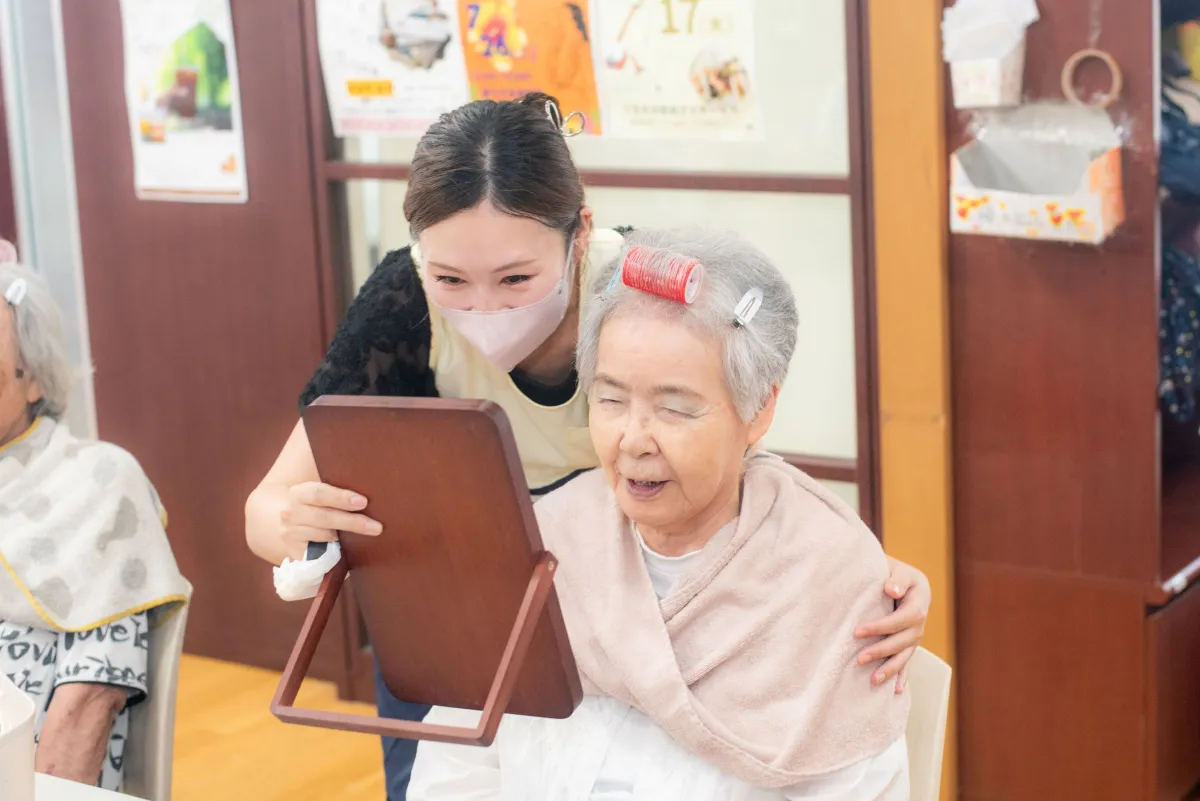
Beauty Becomes Integral to Care: Japanese Elderly Care Industries Transforming by 2026
The Rise of Beauty Services in Japan's Elderly Care
Japan is facing a critical challenge as it grapples with its rapidly aging population. By 2026, a significant shift is anticipated within the caregiving sector, where traditional care may struggle to accommodate the emotional and physical needs of elderly citizens due to an overburdened long-term care insurance system. This unprecedented scenario has led to the emergence of a unique approach—'Care Beauty'—which aims to enhance the quality of life for seniors. Reportedly, the number of facilities incorporating beauty services into their caregiving routines has surged by a staggering thirteen times since 2021.
What is Care Beauty?
Care Beauty isn’t just a trend; it’s a revolutionary solution designed to address the multifaceted challenges that the caregiving industry faces today. These challenges include caregiver burnout, unstable facility management, and the phenomenon of care refusal, where elderly individuals decline necessary assistance.
Why is Beauty in Care Becoming Vital?
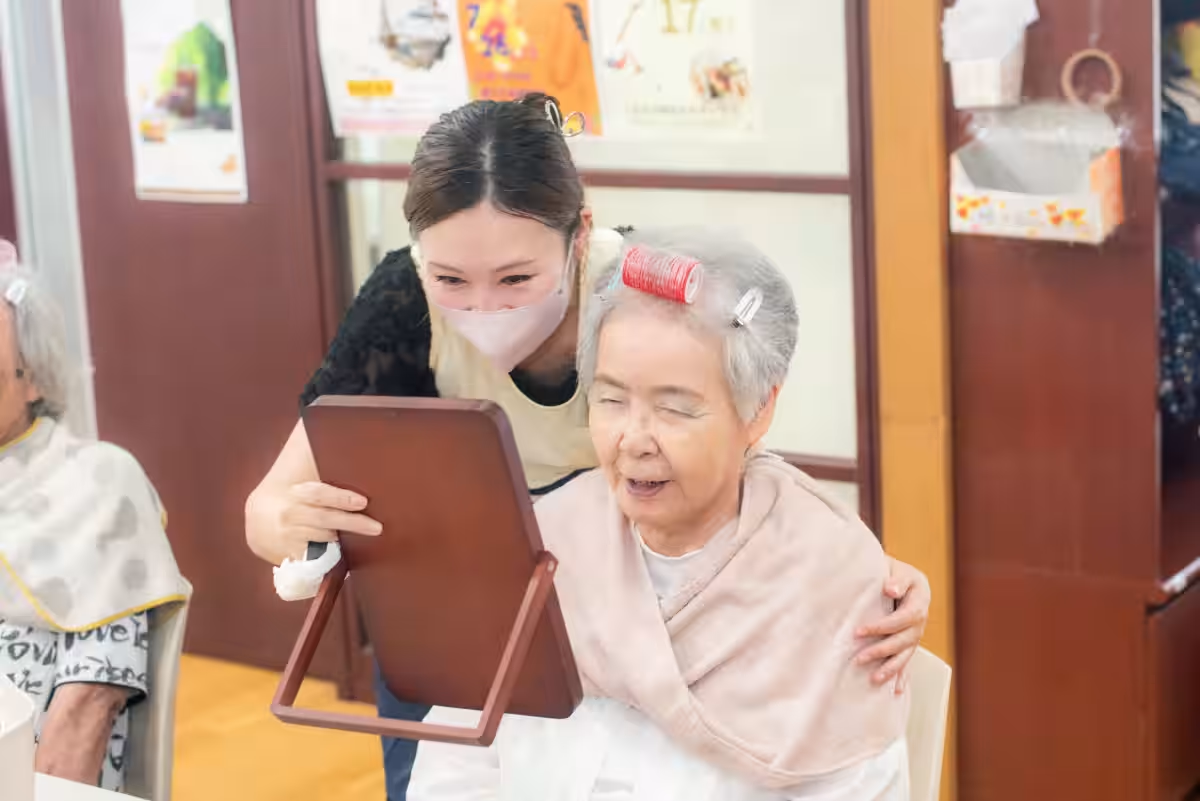
The implementation of beauty services in elderly care is proving to be a psychological game-changer. By rekindling a sense of autonomy and self-esteem in seniors, these services help combat feelings of decline. For the staff, employing Care Beauty methods has emerged as a 'lubricant' that facilitates smoother caregiving interactions. Instead of viewing beauty as an ancillary element, it's recognized as an integral part of fostering dignity and desire among seniors.
Economic Benefits of Care Beauty
From a management perspective, the integration of beauty services allows facilities to differentiate themselves within a highly competitive sector. As families look for quality care, the presence of beauty services often influences their decision-making process. Some facilities have reported that the implementation of these services can significantly enhance their occupancy rates, with one facility improving its occupancy from about 80% to 90% within six months.
Changes in Mental and Emotional Health
Across the nation, numerous facilities adopting Care Beauty are witnessing remarkable changes among residents. Many individuals, previously reluctant to engage with caregivers, are now showing an eagerness to participate in grooming activities.
Psychological Impacts
One common development reported is the resurgence of personal motivation among residents. On beauty treatment days, individuals who typically remain in bed are opting to rise and prepare themselves for their appointments. The invigorating effects of beauty treatments are believed to enhance self-affirmation and drive further engagement in rehabilitation activities and everyday living.
Rebuilding Connections
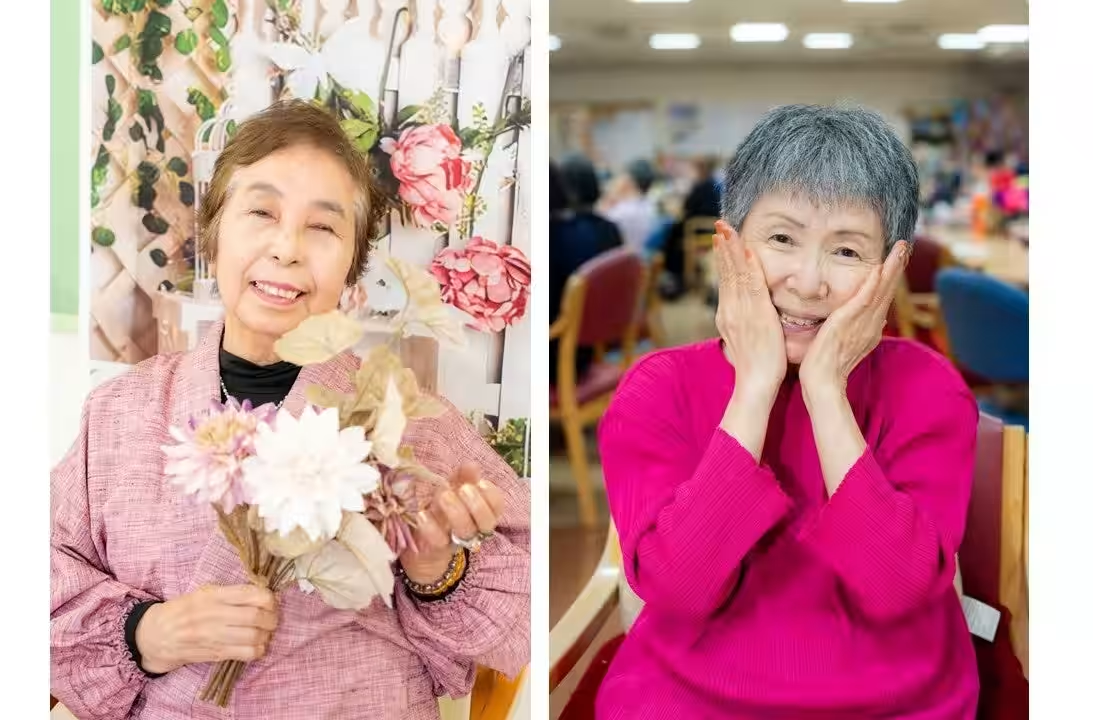
Beauty services also serve as a vital social link within facilities, facilitating communication and friendship among residents. After treatments, it isn’t uncommon for participants to admire each other’s looks, fostering a warm sense of community. Sending cheerful photographs to family members post-treatment has often rekindled estranged family relationships. In this light, beauty transcends mere appearance; it becomes an actionable pathway toward reconnecting families.
The Future: Establishing a Beauty Care Association
To further solidify the place that Care Beauty holds in caregiving across Japan, the establishment of the ‘Japan Care Beauty Association’ is set for April 2026. This organization aims to standardize beauty services within the caregiving sector by focusing on several key areas:
1. Setting Industry Standards: Developing guidelines to ensure safe and effective service delivery in Care Beauty.
2. Professional Qualification Certification: Establishing a career pathway for professionals in the sector through a certification program for 'Care Beauticians.'
3. Evidence-Based Research: Gathering data on the impacts of beauty treatments on conditions associated with dementia and daily living activities, creating a robust platform for evidence-based best practices.
By establishing these standards, Care Beauty can evolve into a recognized specialty within caregiving. The flexibility offered by non-insured services provides a new, adaptable approach to meet the growing demands of an aged society.
Opportunities for Media Engagement
The Mirai Project, which operates the ‘Care Beauty Institute,’ extends an invitation to media representatives for coverage and insights related to this transformative movement. Areas of potential collaboration include:
- - On-Site Reporting: Capturing the real-life impact of beauty treatments on elderly clients.
- - Interviews: Conducting discussions with facility management who have successfully adopted Care Beauty.
- - Expert Commentary: Insightful narratives from industry leaders like Satoshi Yamagiwa on the societal significance of Care Beauty.
- - Visual Materials: Compelling images from milestones, such as celebratory makeup for centenarians.
The Care Beauty Institute conducts its activities across six locations in Japan, catering to many individuals, even those new to the caregiving and beauty industries. In light of the growing recognition of Care Beauty's role in the caregiving sector, the future promises ambitious developments that could reshape the landscape of elderly care in Japan.
For more information, you can contact Mirai Project, and explore the Care Beauty Schools and their activities online.
Topics People & Culture)


【About Using Articles】
You can freely use the title and article content by linking to the page where the article is posted.
※ Images cannot be used.
【About Links】
Links are free to use.