


Understanding IT Engineers' Perspectives on Ideal Management Styles
Insights into IT Engineers' Expectations for Management
In a recent survey conducted by Kikkake Creation, over 431 IT engineers provided their perspectives on what makes an ideal supervisor and how management affects productivity. The results spotlight the broad impact of management on an engineer's work life and highlight some common traits that engineers appreciate or criticize in their supervisors.
Management Styles and Productivity
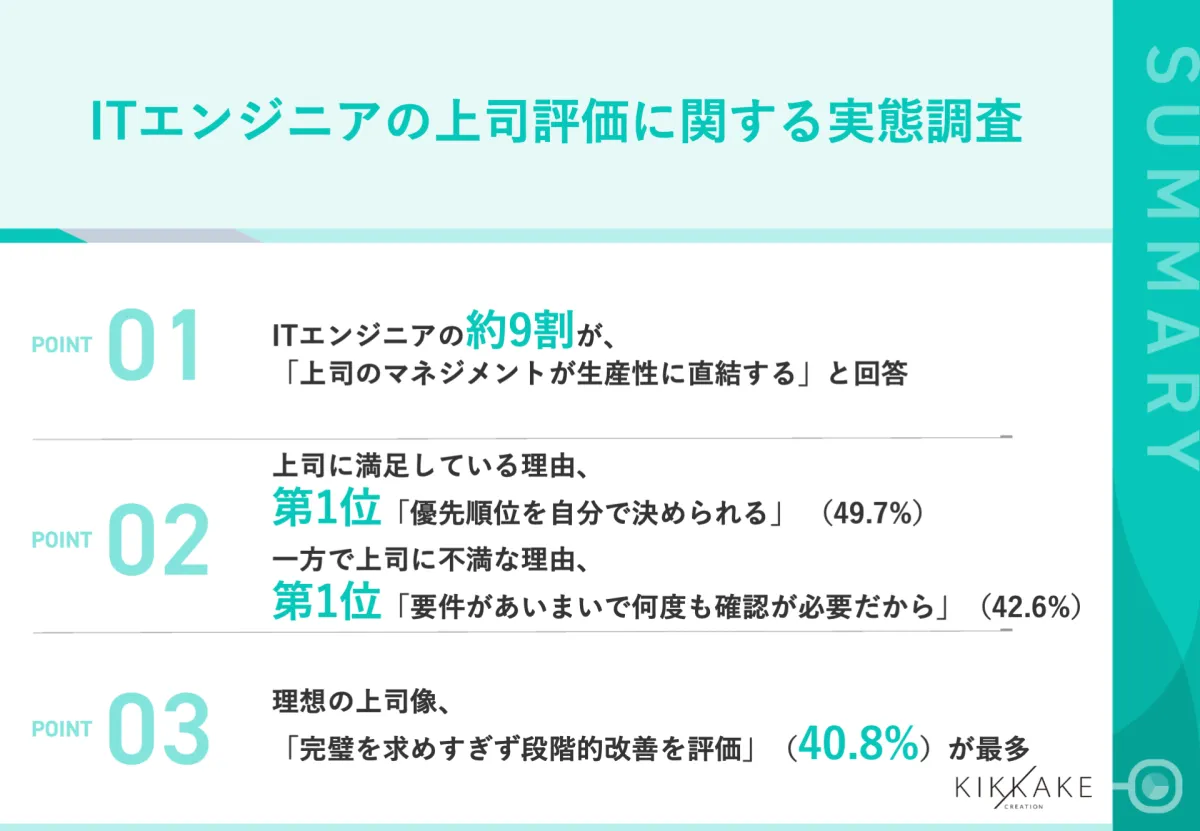
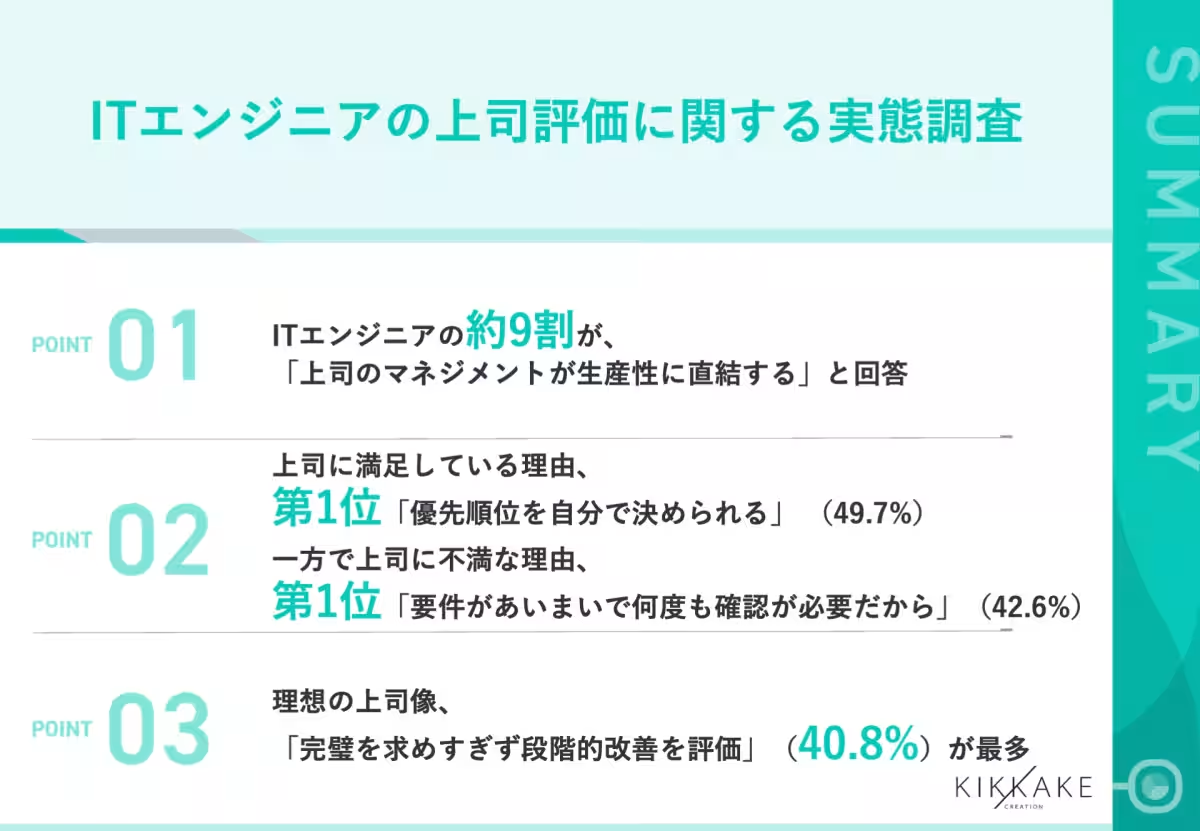
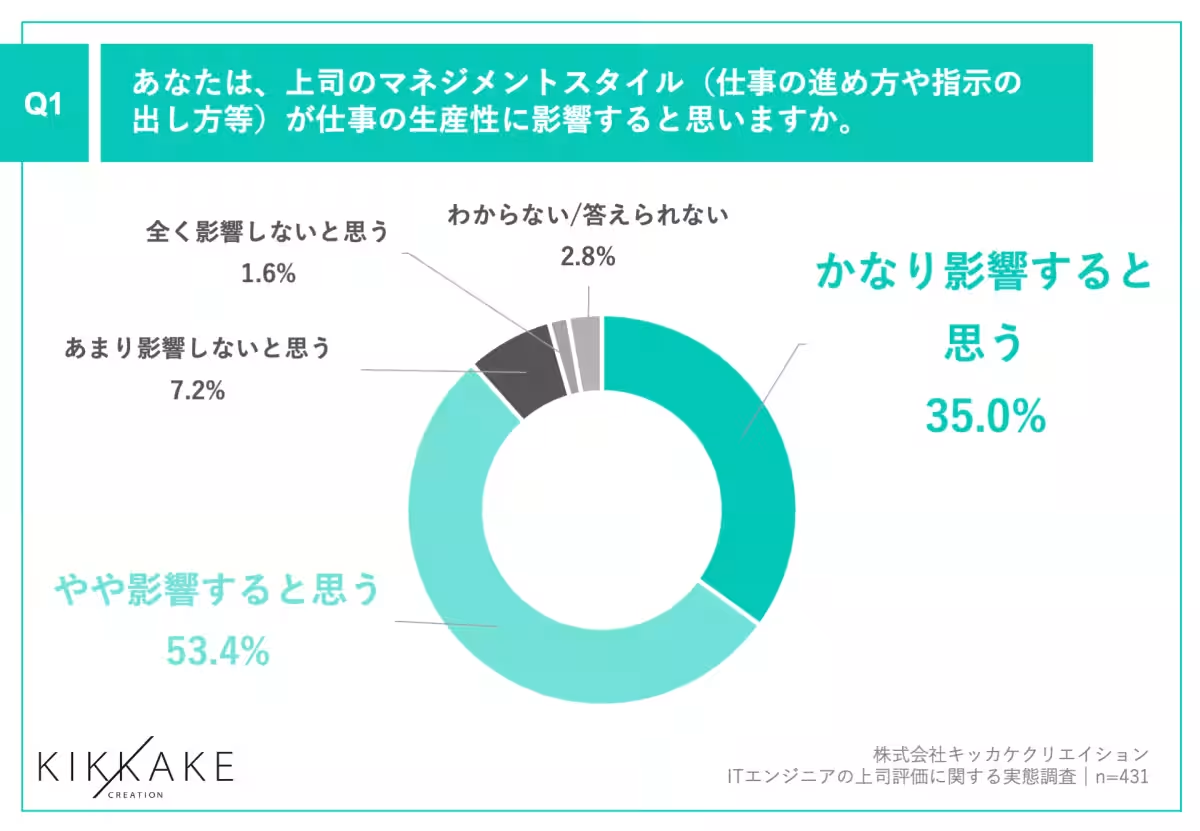
A striking 88.4% of respondents believe that a supervisor's management style directly influences productivity. In exploring this critical relationship, the survey revealed that nearly nine out of ten IT professionals feel their productivity is significantly affected by their managers’ approaches. 35.0% of those surveyed stated that they felt management had a considerable impact, whereas 53.4% suggested it had some level of effect.
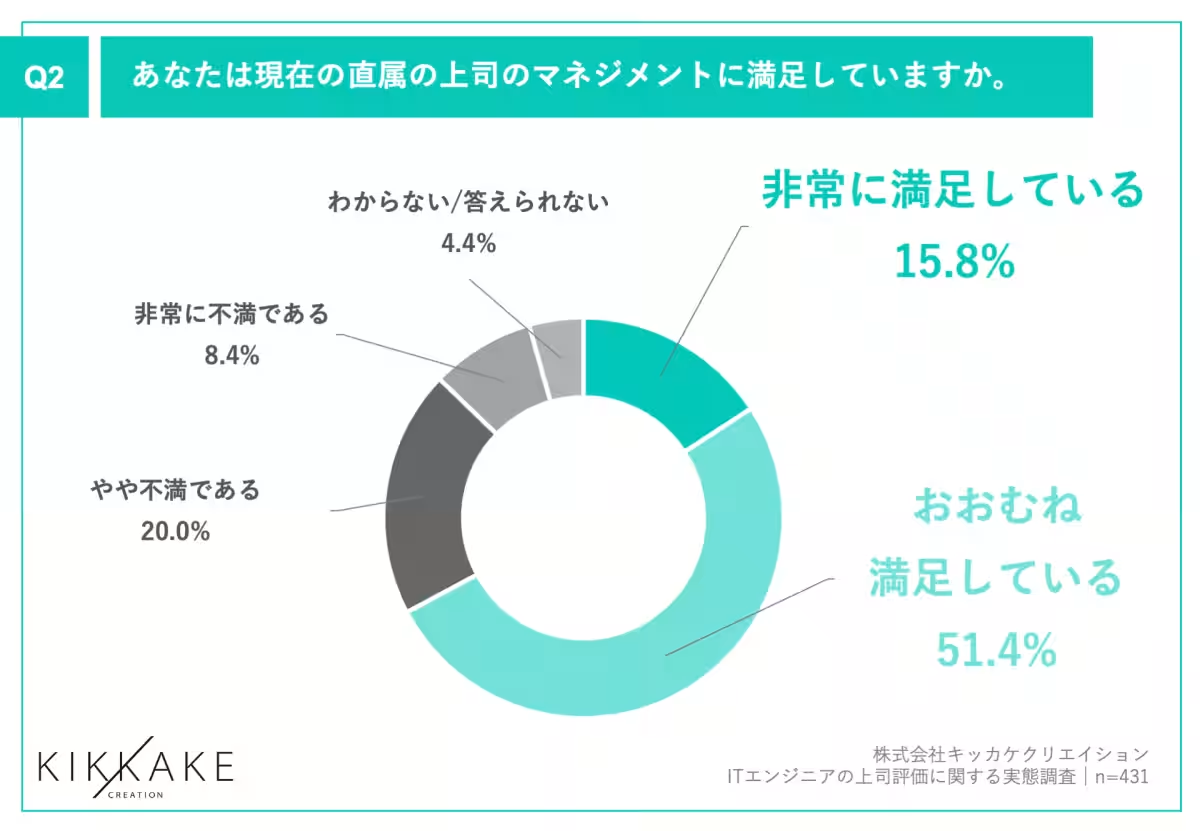
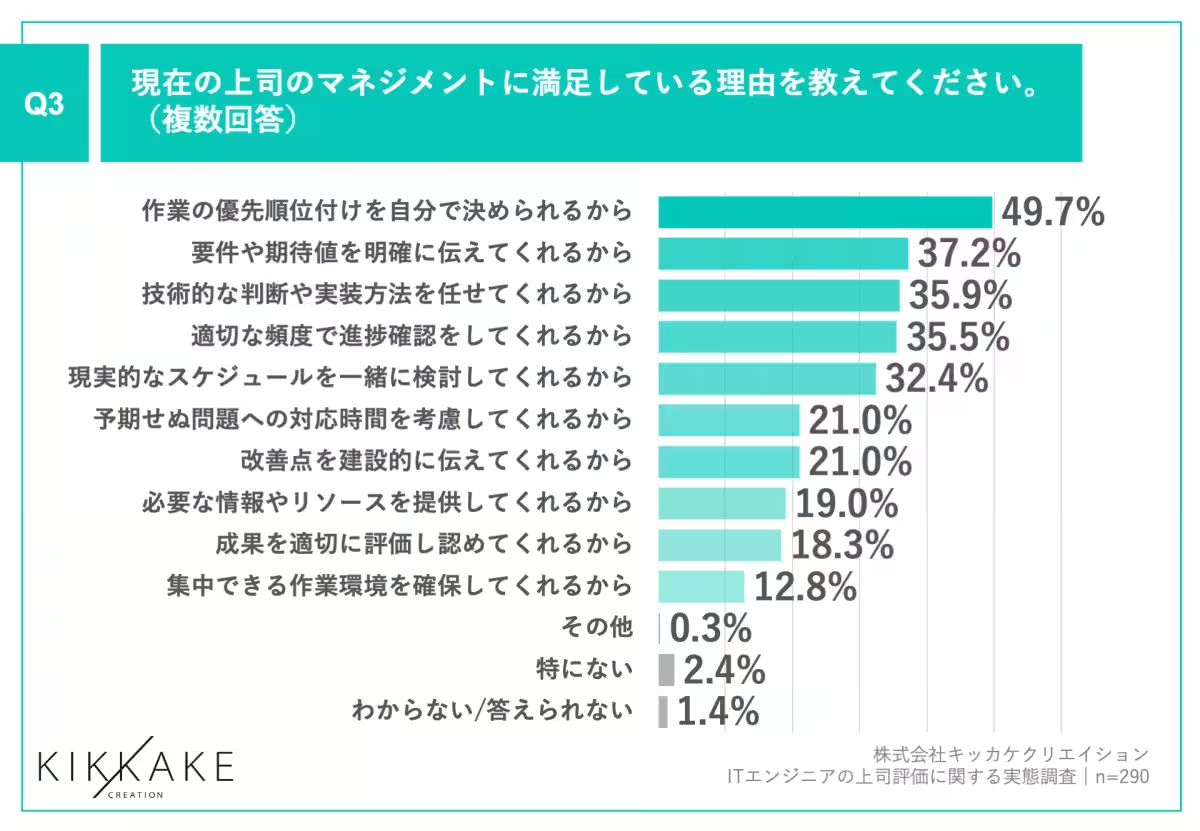
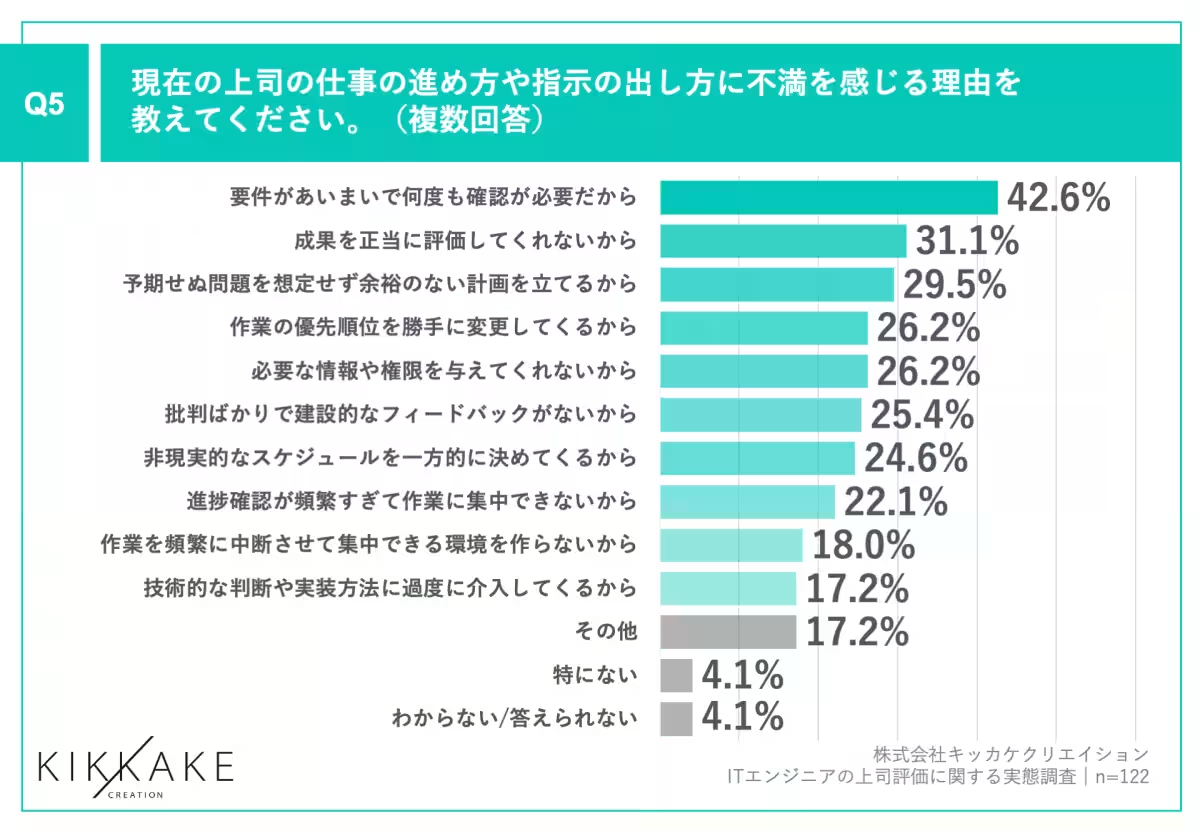
In response to satisfaction with their current managers, approximately 66.2% identified themselves as either very or generally satisfied. The top reason for satisfaction was the freedom to set their own task priorities, appreciated by 49.7% of respondents. Conversely, a prominent source of dissatisfaction was the ambiguity in requirements, noted by 42.6% of the participants, which often necessitates repeated clarifications.
Characteristics of an Ideal Supervisor
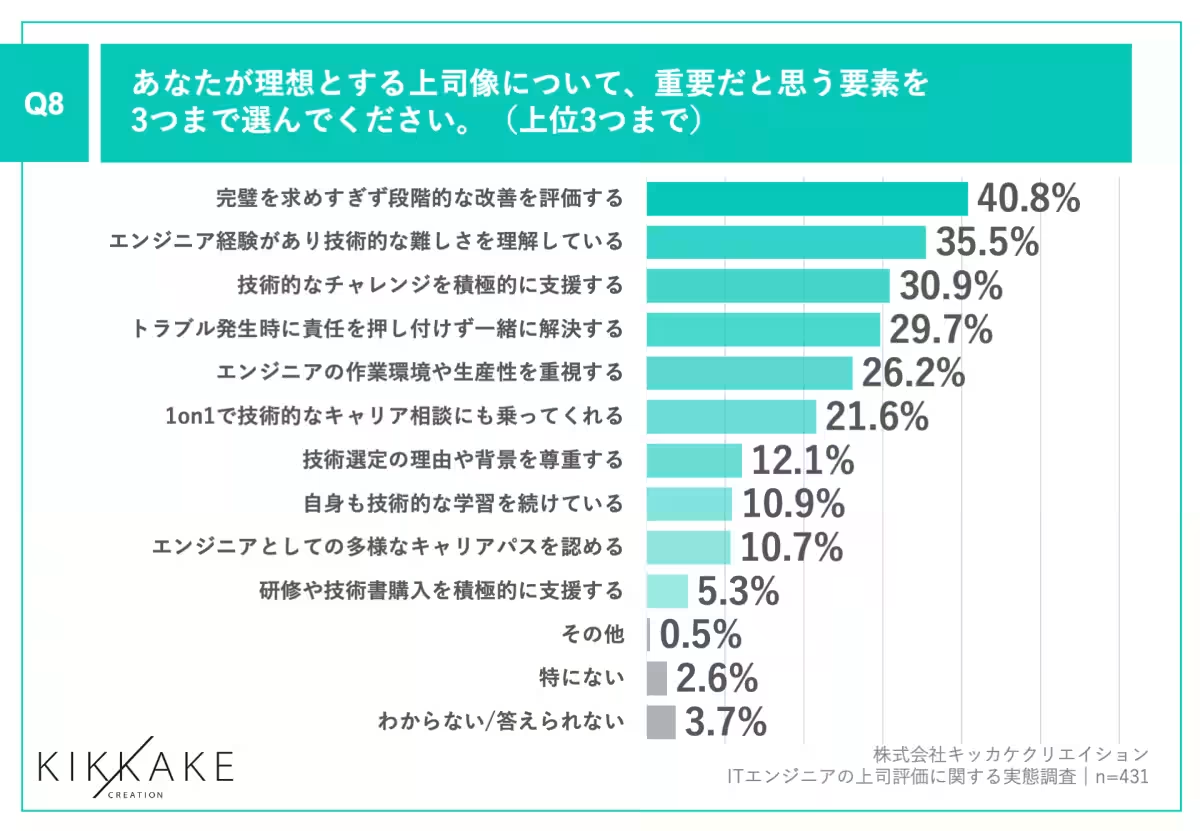
When questioned about the characteristics of an ideal supervisor, 40.8% of IT engineers expressed a desire for a manager who encourages gradual improvements rather than striving for perfection. Additionally, 35.5% valued a supervisor who possesses prior engineering experience and understands the technical challenges faced.
Further insights highlighted effective communication and acknowledgement of individual circumstances, as many engineers cherished environments where they felt heard and understood. Open dialogues about challenges also emerged as a significant factor contributing to job satisfaction.
Sources of Discontent
Despite the satisfaction expressed by many, notable discontent arose regarding vague instructions. A troubling 31.1% expressed dissatisfaction with perceived inadequate evaluation of their performance. These sentiments often stemmed from a lack of realistic planning, defined tasks, and feedback, leading many engineers to question whether their managers could accurately gauge their contributions.
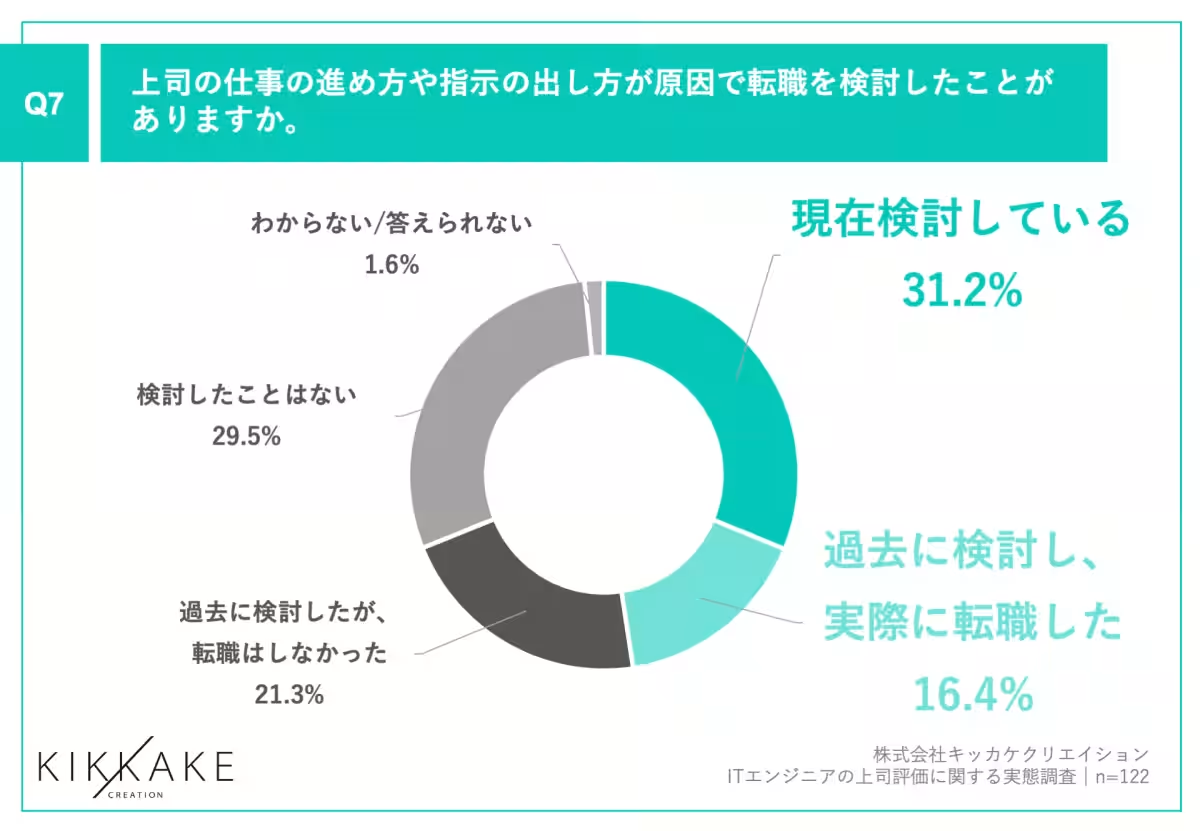
The discontent is making some engineers reconsider their job options: 31.2% stated they are currently contemplating changing jobs due to discontent with their management. This highlights the urgent need for organizations to craft environments conducive to productivity and constructive feedback, ensuring engineers feel valued and motivated.
Constructing Effective Management Frameworks
The survey findings shed light on the importance of understanding and catering to IT engineers' unique needs within the workplace. Companies facing a projected shortage of IT talent must invest in training their managers to develop skills that create a supportive environment. Supervisors should not only understand the technical aspects but also promote open communication and recognize achievements.
By committing to greater managerial competency, organizations can foster improved productivity and overall morale among IT engineers. Developing a supportive management style can lead to enhanced retention rates and a thriving work atmosphere conducive to success.
In a rapidly evolving tech landscape, it is essential to cultivate a management approach that emphasizes clarity, recognition, and collaboration. When engineers feel empowered and understood, they are more likely to flourish in their roles, guiding their companies to long-term success. The key takeaway from this survey indicates that the right management style can make all the difference in retaining top talent and maximizing productivity in the IT sector.
For those wanting to delve deeper into these findings and strategies for improvement in management styles, refer to the full survey report here.
Topics People & Culture)




【About Using Articles】
You can freely use the title and article content by linking to the page where the article is posted.
※ Images cannot be used.
【About Links】
Links are free to use.