



Exploring Disaster Preparedness Awareness Among Homebuyers in Japan
Understanding the Survey Findings
September 1st marks Disaster Prevention Day in Japan, a nation known for its susceptibility to natural disasters. Recently, VSG Real Estate Company, based in Shibuya, Tokyo, conducted a survey on disaster preparedness awareness among homebuyers. The survey assessed the priorities of homebuyers when choosing properties, uncovering a significant gap between disaster preparedness considerations and more immediate needs such as commuting and shopping.
Key Findings from the Survey
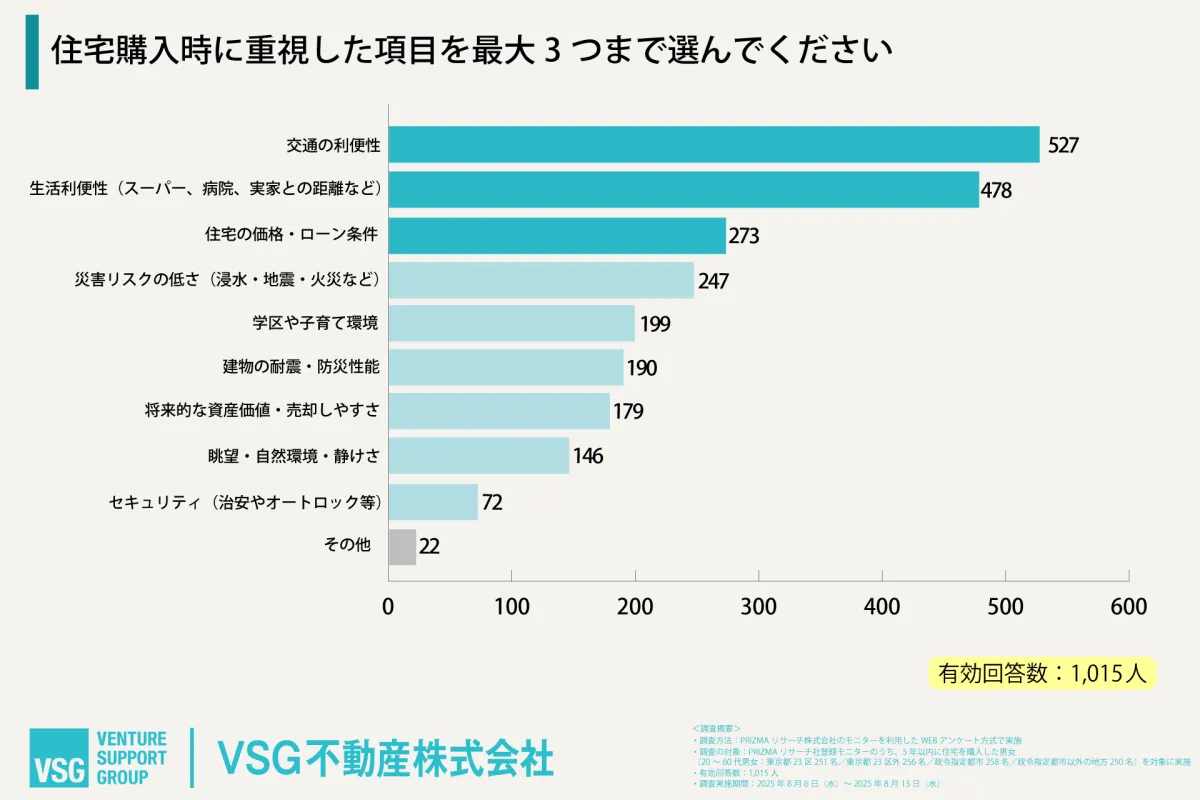
- - Commuting and Shopping over Safety: The majority of respondents prioritized transportation convenience (51.9%) and local amenities (47.1%) over disaster risk mitigation (24.3%) when making home-buying decisions. This raises concerns about awareness in a country frequently impacted by disasters.
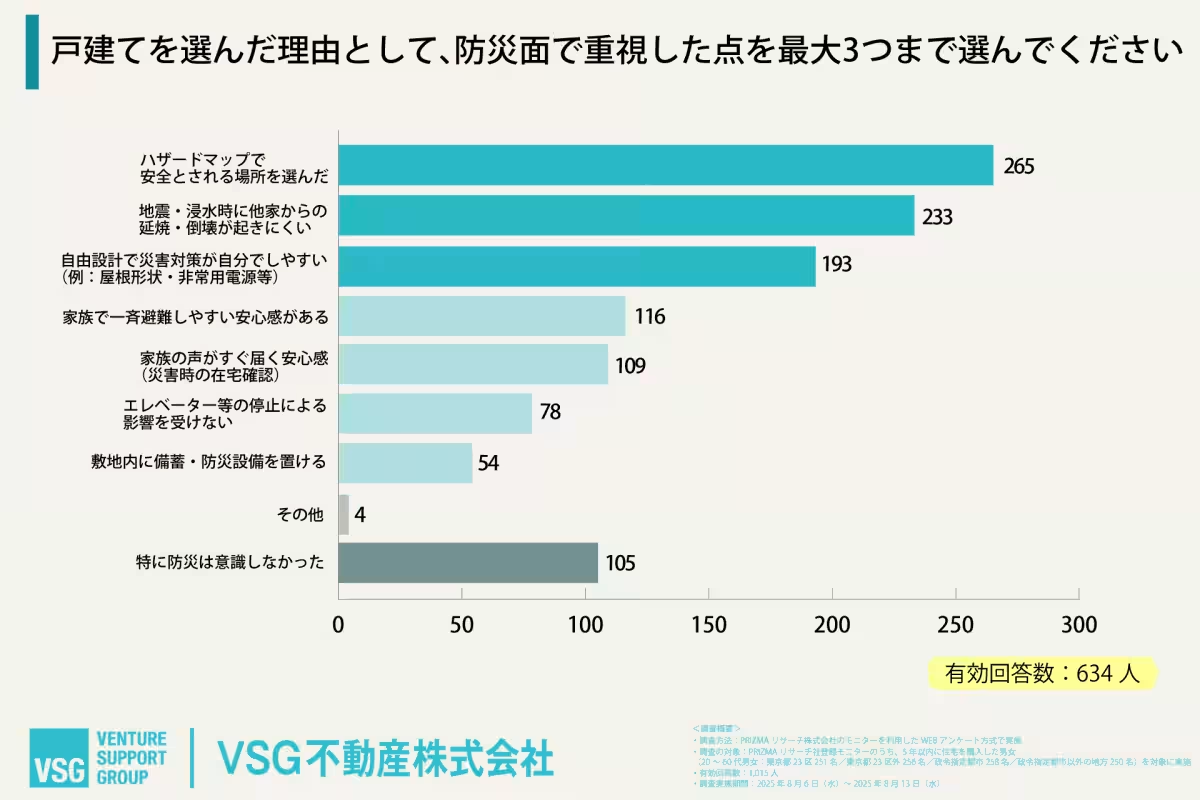
- - Focus on Hazard Maps: 40% of single-family homebuyers indicated they considered “safe areas based on hazard maps” during their purchase deliberations, highlighting some awareness of disaster risks.
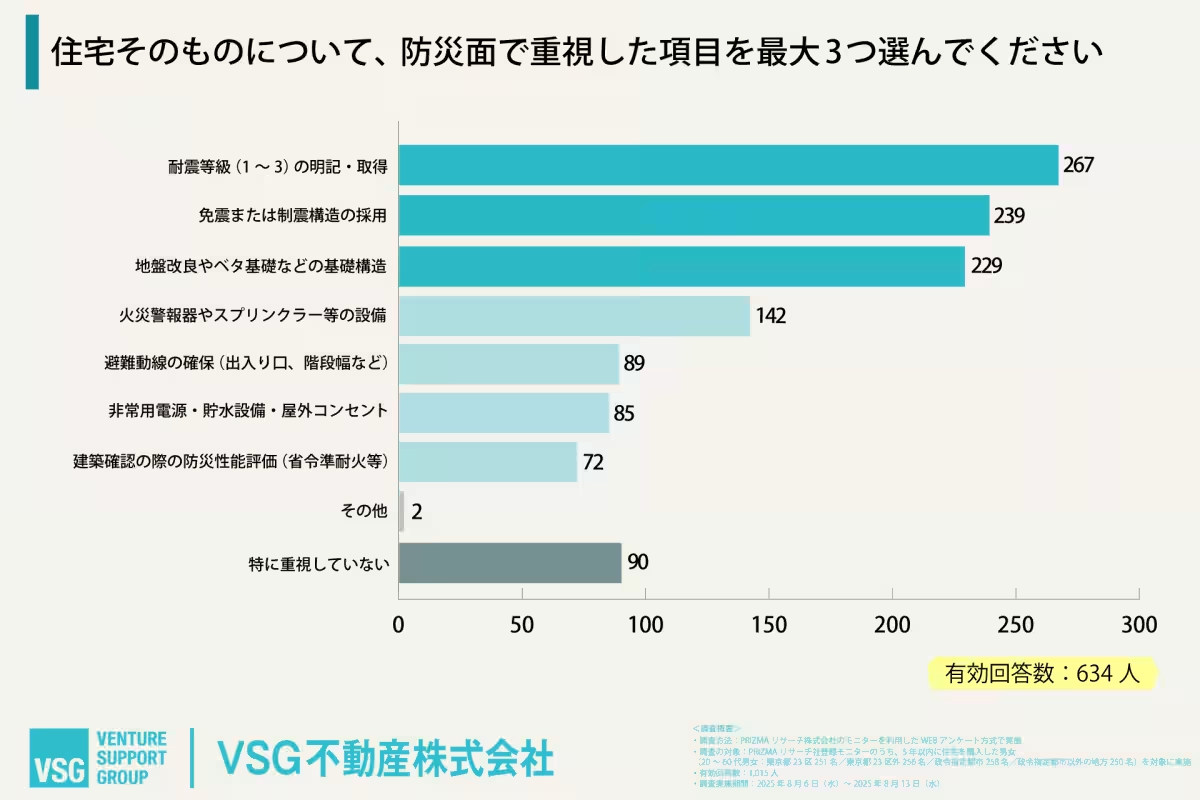
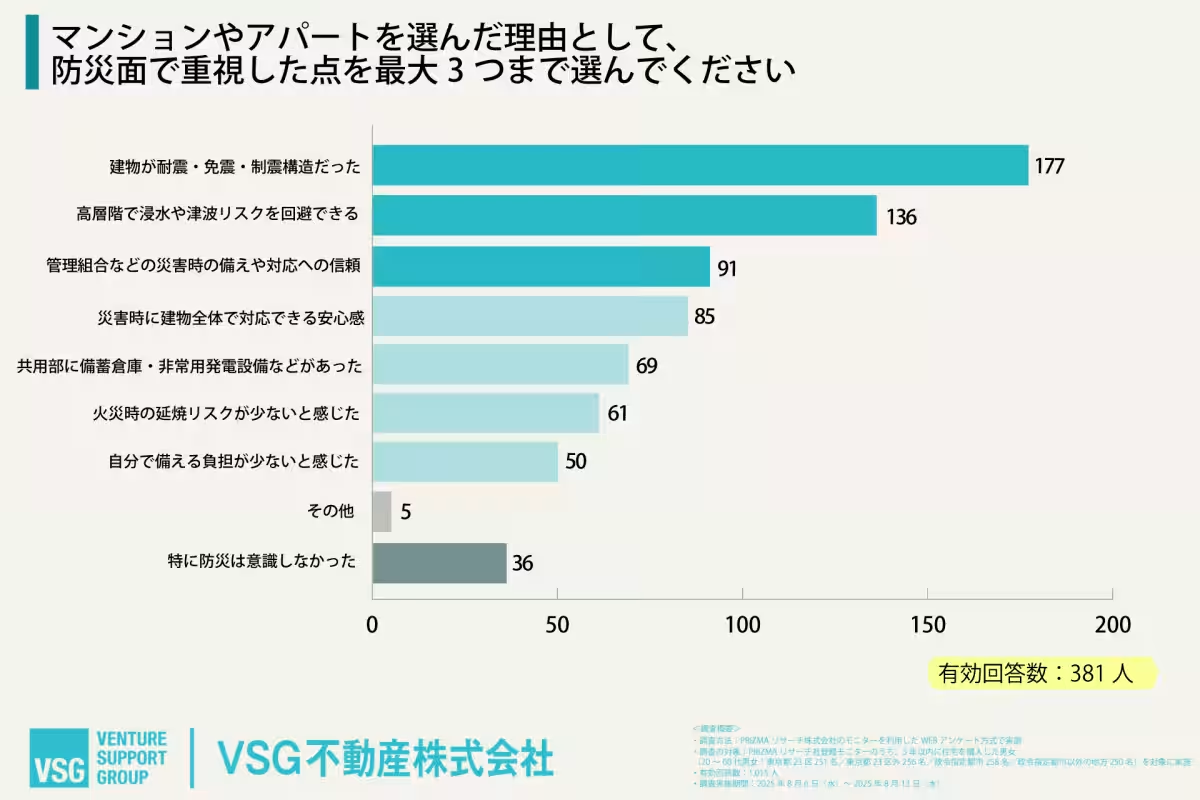
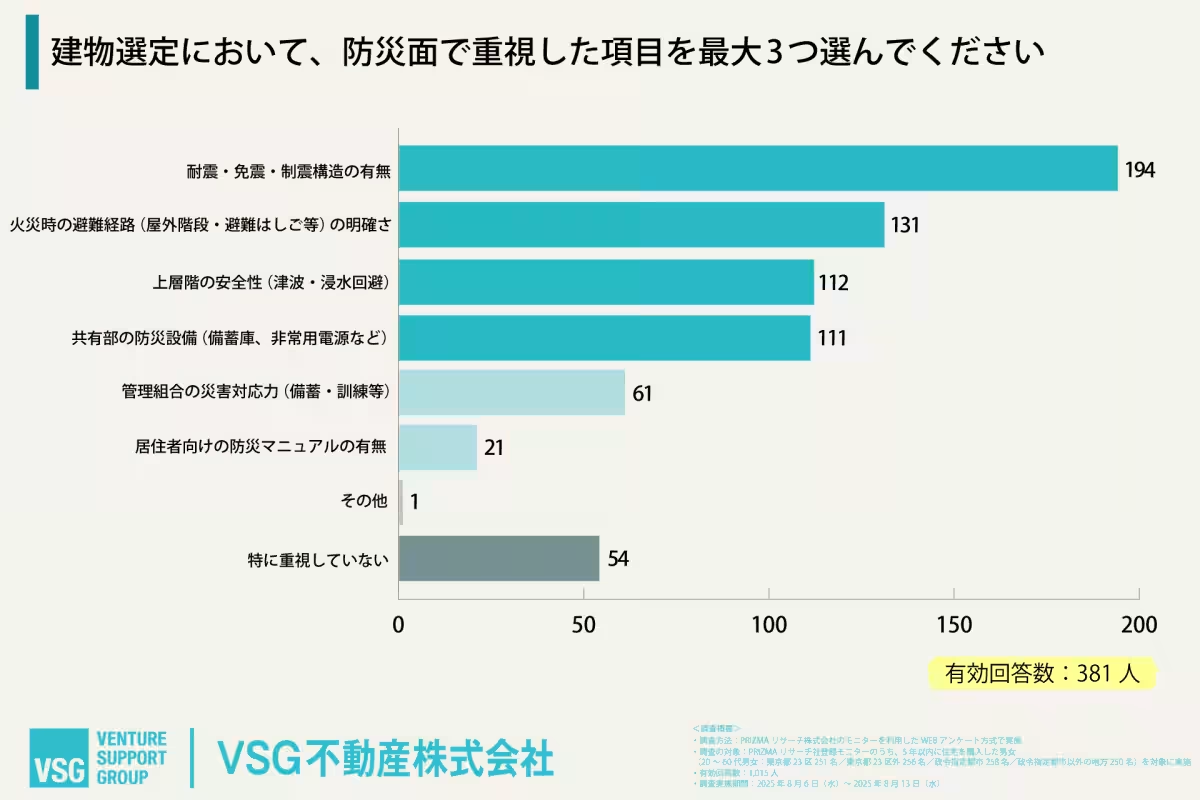
- - Importance of Structural Resilience: Almost half of the condominium buyers emphasized the importance of earthquake-resistant or seismic isolation structures (46.5%), recognizing their significance in safeguarding against disasters.
The survey, which gathered results from 1,015 respondents—men and women aged 20 to 60 who purchased properties within the last five years—reveals a range of insights into the mindset of homebuyers in Japan’s disaster-prone context.
Commuting and Shopping Top Priorities
When asked to select up to three important factors in their housing decisions, participants showed a marked preference for those closely tied to everyday life. While convenience in commuting and local facilities ranked highest, the emphasis on reducing disaster risk was notably low, with only 24.3% prioritizing it. This discrepancy indicates a concerning trend where immediate lifestyle choices overshadow long-term safety concerns.
Single-Family Homebuyers and Hazard Awareness
Among the homebuyers, single-family residents displayed a greater inclination towards disaster preparedness, with 41.8% selecting properties based on safety ratings from hazard maps. Factors that resonate with them include the ease of evacuating during disasters (36.8%) and the option for personalized disaster measures (30.4%). However, 16.6% admitted not considering disaster preparedness during the buying process, pointing toward a significant individual variation in awareness and preparedness strategies.
The Trend Among Condominium Owners
Interestingly, about 50% of buyers of condominiums or apartments prioritized seismic-resistant constructions, indicating a clear preference for robust structural safety. Additional considerations included the safety afforded by higher floors against potential flooding (35.7%) and trust in the management’s disaster readiness (23.9%). This reveals a substantial focus on collective safety in public living spaces compared to individual home solutions.
Preferences for Ground Stability
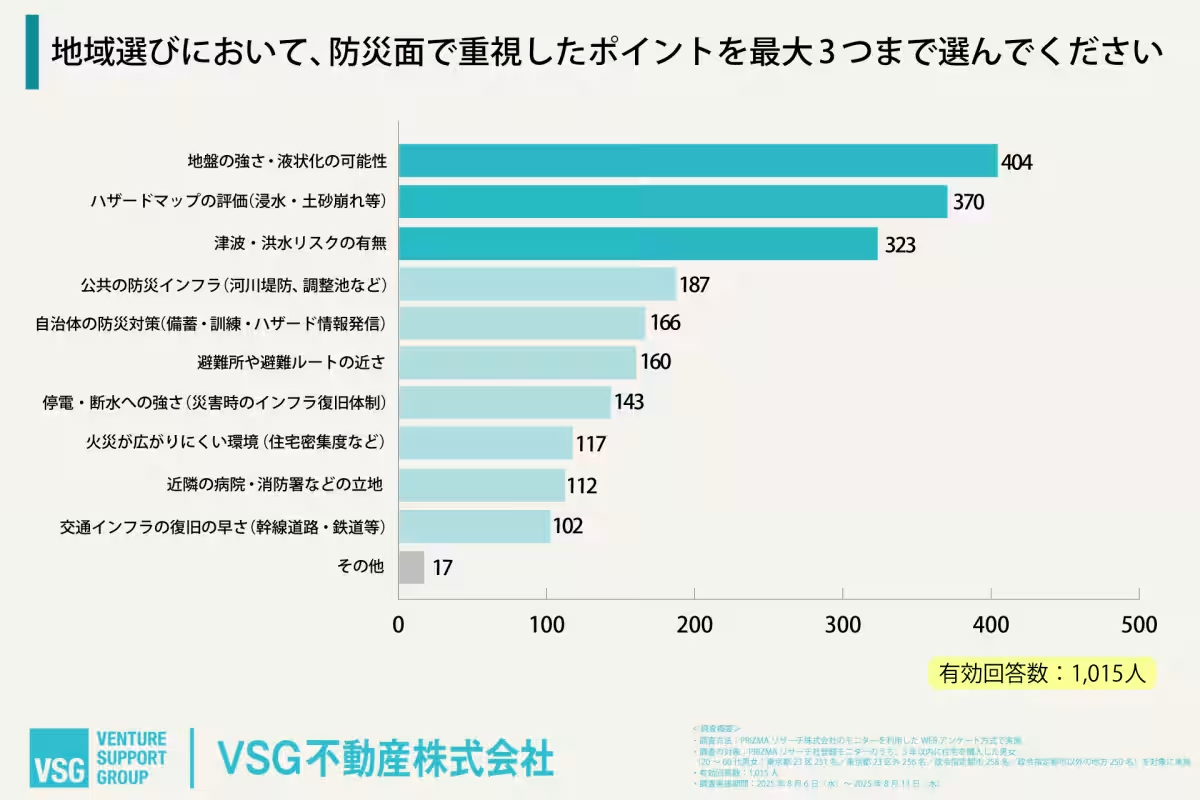
Geographical considerations also played a critical role, where nearly 39.8% of buyers prioritized ground stability and the risk of liquefaction. When asked, participants cited the importance of local risk assessments related to flooding and landslides (36.5%) and the proximity to public safety infrastructures (18.4%).
Utilizing Hazard Maps as an Information Source
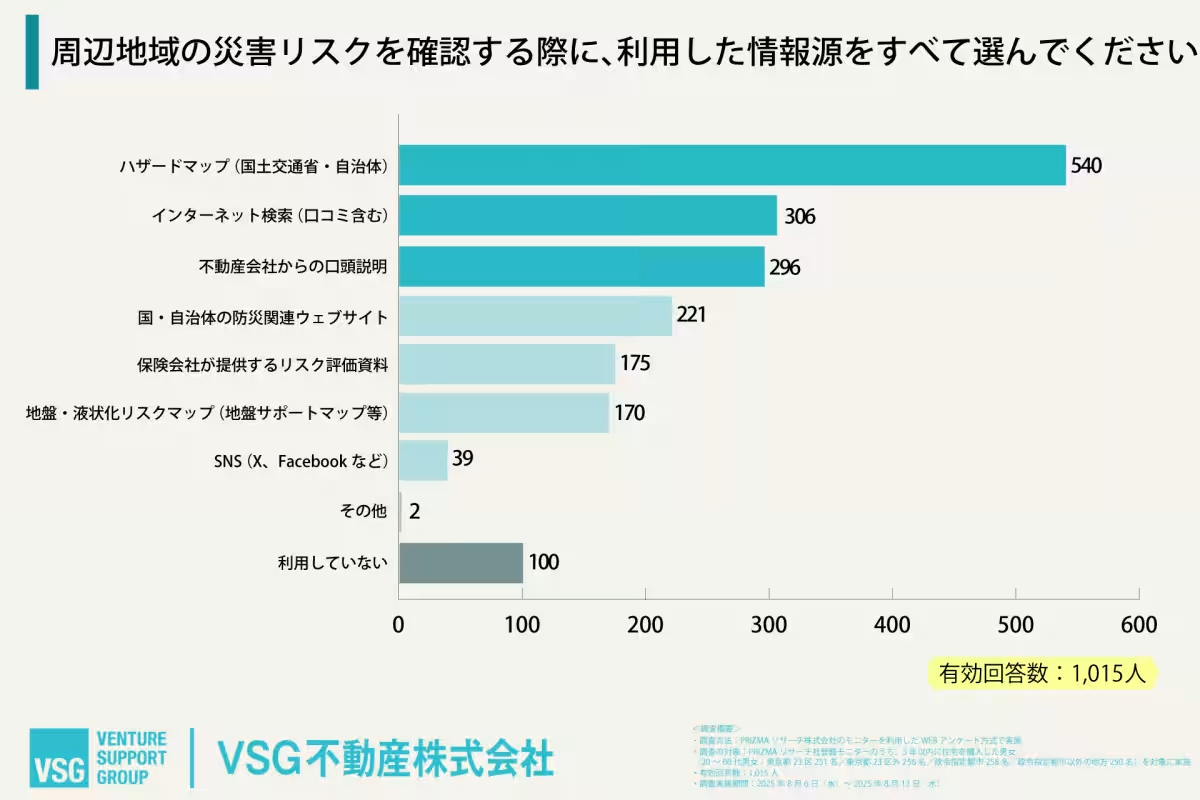
The usage of hazard maps emerged as the most popular choice for assessing disaster risks, with over 53% of respondents relying on them. This indicates a strong preference for accessible, visual information regarding risks associated with potential purchases. However, a significant percentage (9.9%) reported they do not utilize any information sources, emphasizing a persistent gap in disaster literacy among potential homebuyers.
Dynamic Changes in Disaster Awareness
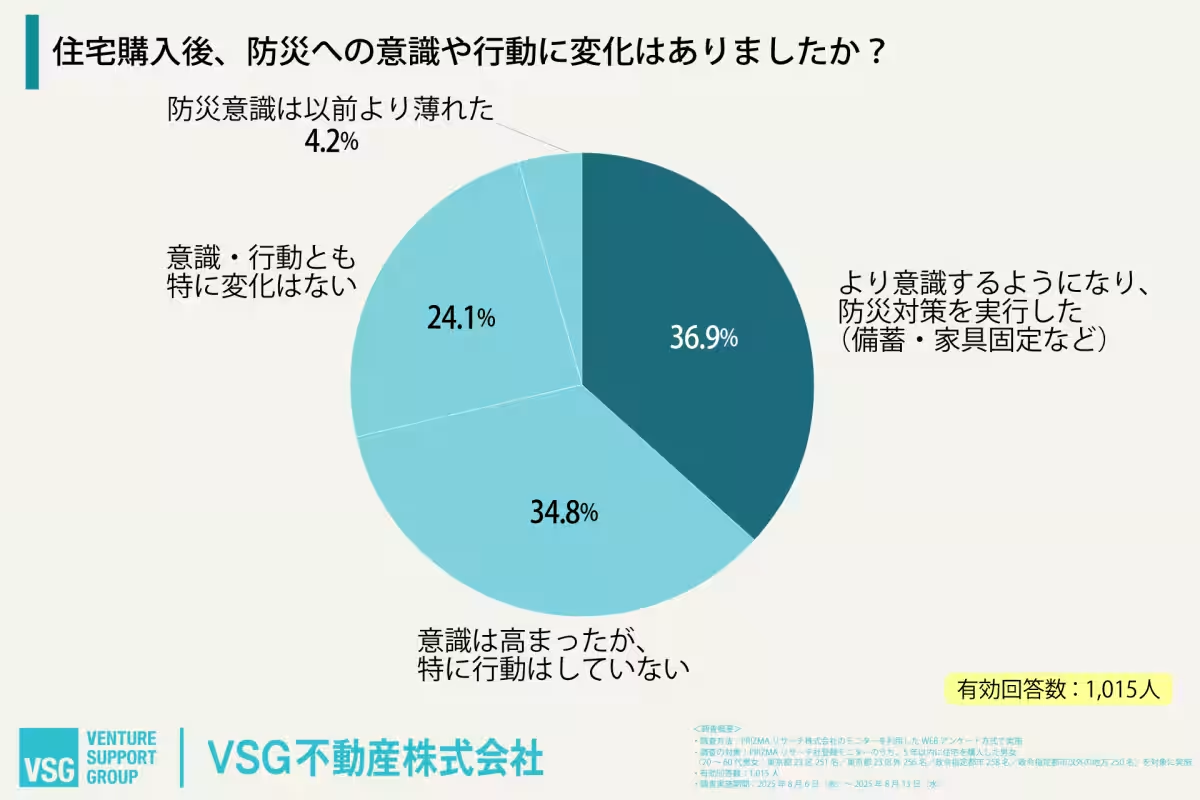
Among those who had recently purchased homes, about 70% reported a heightened awareness of disaster preparedness post-purchase. While many recognized the importance of taking actions such as securing furniture and maintaining emergency supplies, there remains a gap between consciousness and action, as only 36.9% implemented these changes.
Conclusion
This survey sheds light on the complex dynamics surrounding the prioritization of disaster preparedness in real estate decisions within Japan's context. It raises crucial questions regarding the educational and informational efforts needed to bridge the gap between awareness and proactive measures in disaster resilience among homebuyers. The results call for the visibility of disaster safety features in property listings and more robust outreach programs aimed at informing buyers about the crucial importance of these considerations.
For more details, please visit our website and check out "Complete Guide to Real Estate Sales" here.
About VSG Real Estate Company
VSG Real Estate Company is part of the Venture Support Group, which boasts 51 locations nationwide. This comprehensive service group converges various legal experts, including tax accountants, real estate professionals, and lawyers, to offer clients a broad array of solutions tailored to their needs. Every expert in our group adheres to a shared philosophy: "Legal professions are service-oriented.”
Contact Us: 0120-183-200
Website: VSG Real Estate
Summary
This newly highlighted awareness around disaster preparedness illustrates a crucial need for merging housing considerations with proactive emergency planning, which may ultimately safeguard lives in a country facing frequent natural disasters.
Topics Consumer Products & Retail)
【About Using Articles】
You can freely use the title and article content by linking to the page where the article is posted.
※ Images cannot be used.
【About Links】
Links are free to use.