



Survey Reveals Gender Disparities in Household Duties and Political Expectations
Understanding Household Responsibilities in Japan
A recent study conducted by Cross Marketing examined the dynamics of household responsibilities and public perception of politicians in Japan. With a sample of 3,000 individuals aged between 18 and 79, this survey, titled "Living Style Awareness Survey 2025," aimed to capture shifts in lifestyle perceptions and responsibilities among the Japanese population.
Key Findings on Household Duties
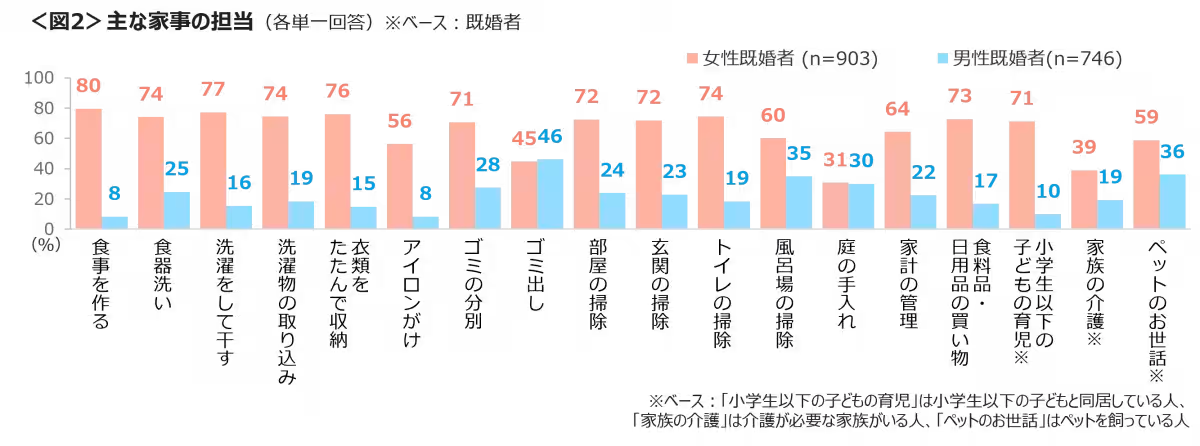
The study revealed a striking disparity in the division of household chores between genders. While married individuals were surveyed on 18 specific chores, it was found that women overwhelmingly shoulder the burden of the domestic workload. Notably, tasks such as cooking, cleaning, and managing the household are primarily managed by women, with 76% of the total load falling on their shoulders.
Throughout the survey, it became clear that men and women equally share responsibilities when it comes to taking out the trash and gardening; however, women dominate in 16 out of the 18 chores surveyed. Married men reported taking responsibility for tasks like garbage disposal (46%) and cleaning bathrooms (approximately 30%), but their involvement dropped significantly for other chores, where women's involvement exceeded 70%.
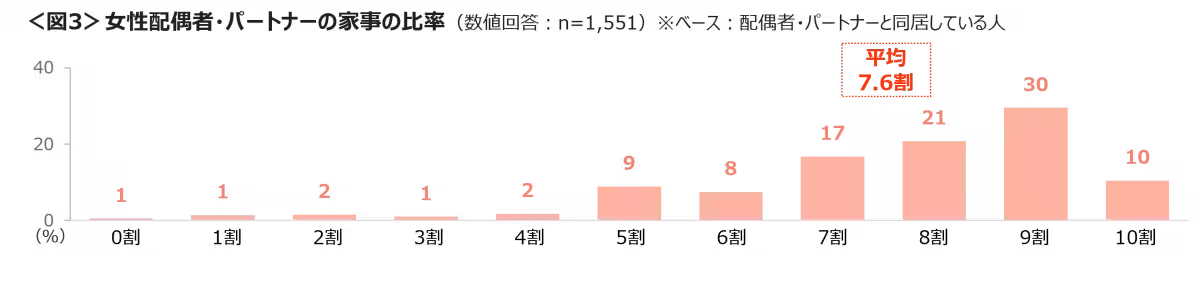
Furthermore, among couples living together, the average female contribution to household chores stands at a staggering 76%. The survey also revealed that 30% of the respondents indicated that women do 90% of the household chores, reflecting a significant societal norm in Japan that places the bulk of domestic responsibilities on females.
Satisfaction Ratings in Household Contributions
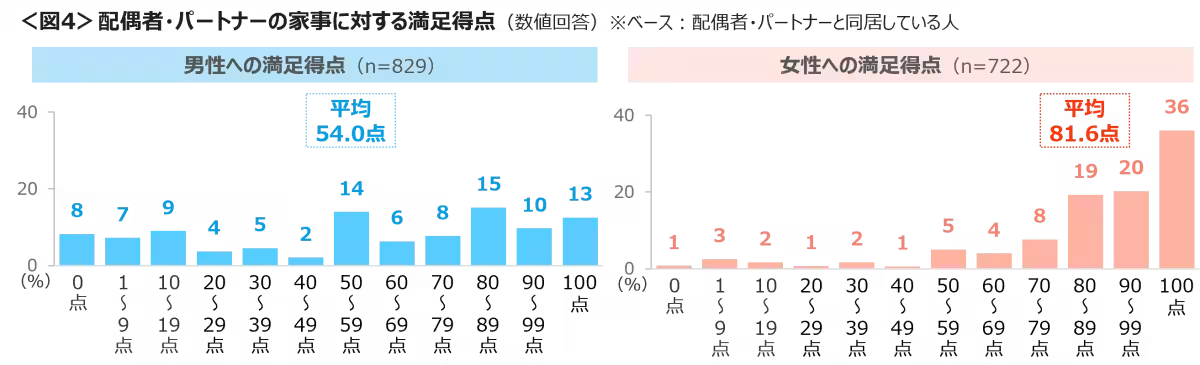
Evaluating the satisfaction scores regarding household contributions, the survey painted an interesting picture. Women rated their male partners' contribution to household duties at an average of 54 points out of 100, while men rated their female partners significantly higher, at an average of 82 points. In fact, 75% of men scored their partners above 80 points, indicating a perception gap that may feed into broader societal issues.
Imagery of Desired Living Conditions
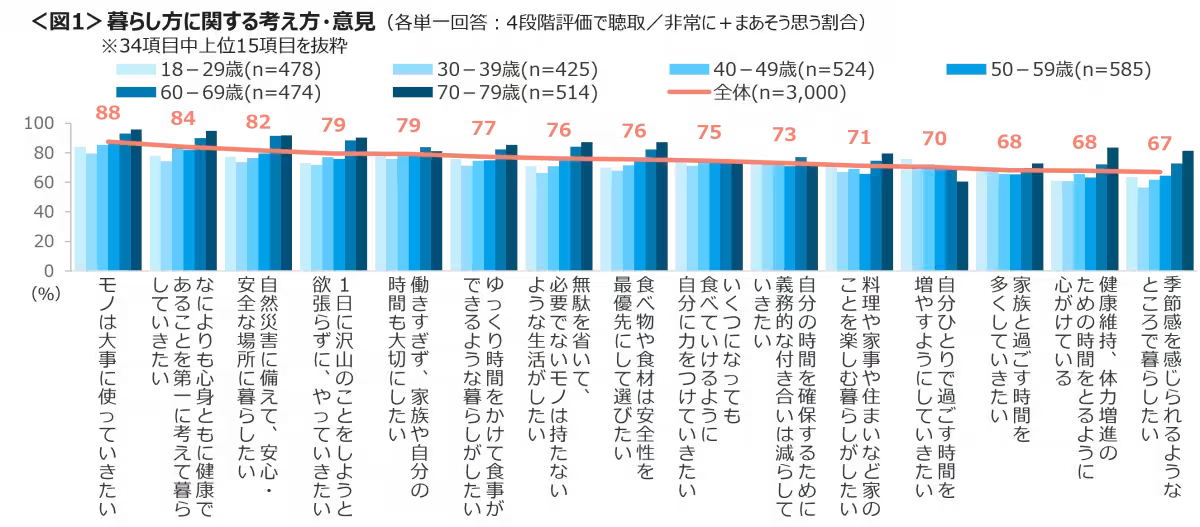
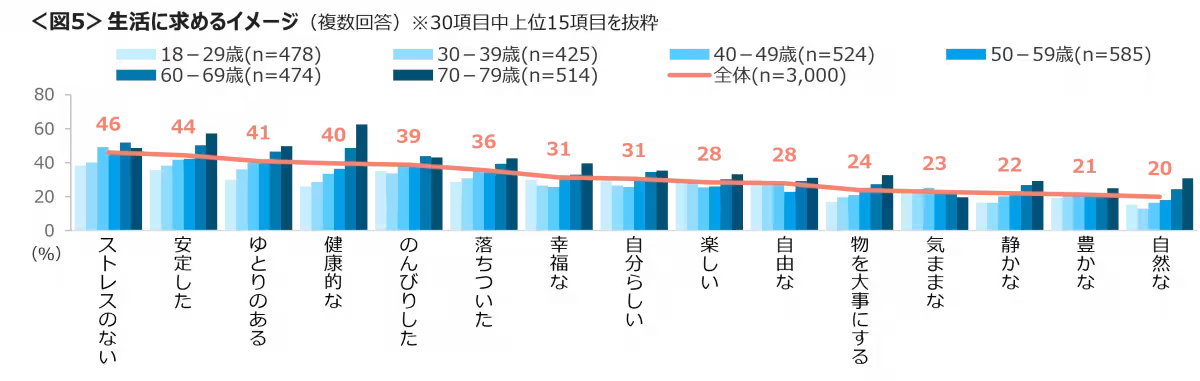
The survey also explored what individuals aspire to achieve in terms of their living conditions. Top desires included a stress-free environment (46%), stability (44%), and the ability to live comfortably (41%). Interestingly, those in their 70s prioritized health, with 63% indicating this as the foremost quality they seek in their living conditions.
Political Satisfaction and Its Implications
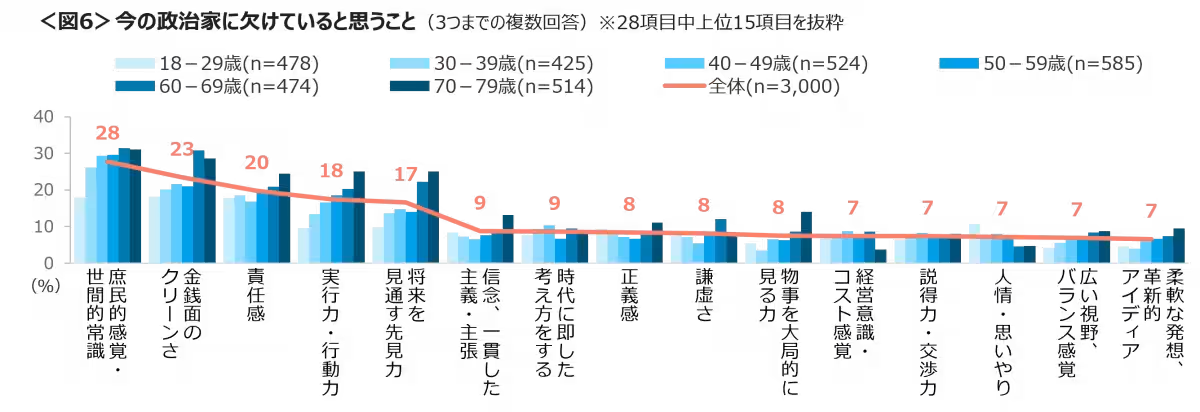
Shifting the focus to the political realm, the survey probed into what the public perceives as missing from current political representation. Approximately 28% of respondents highlighted a lack of "common sense and empathy for the public" as the primary deficiency among politicians. Additionally, transparency regarding finances and a sense of accountability were also noted as significant shortcomings, reflecting the public's growing desire for integrity in leadership.
This insight underscores a fundamental expectation from political figures: they must resonate with the realities of everyday citizens and demonstrate genuine commitment to their responsibilities. Other notable limitations identified included action-oriented leadership (18%) and foresight for the future (17%).
Conclusion
This survey conducted by Cross Marketing serves as a crucial barometer of societal attitudes toward household responsibilities and the expectations we hold for our leaders. As Japan continues to evolve, so too must the dialogue around shared responsibilities in both domestic and public spheres. This ongoing conversation is essential in fostering a more equitable society in the years to come.
For more details on the complete report, you can download it from their official website here.

Topics People & Culture)



【About Using Articles】
You can freely use the title and article content by linking to the page where the article is posted.
※ Images cannot be used.
【About Links】
Links are free to use.