



Ranking of Prefectures with Cool Names According to High School Students Reveals Surprising Choices!
Rankings of Cool Surnames Based on Japanese Prefectures
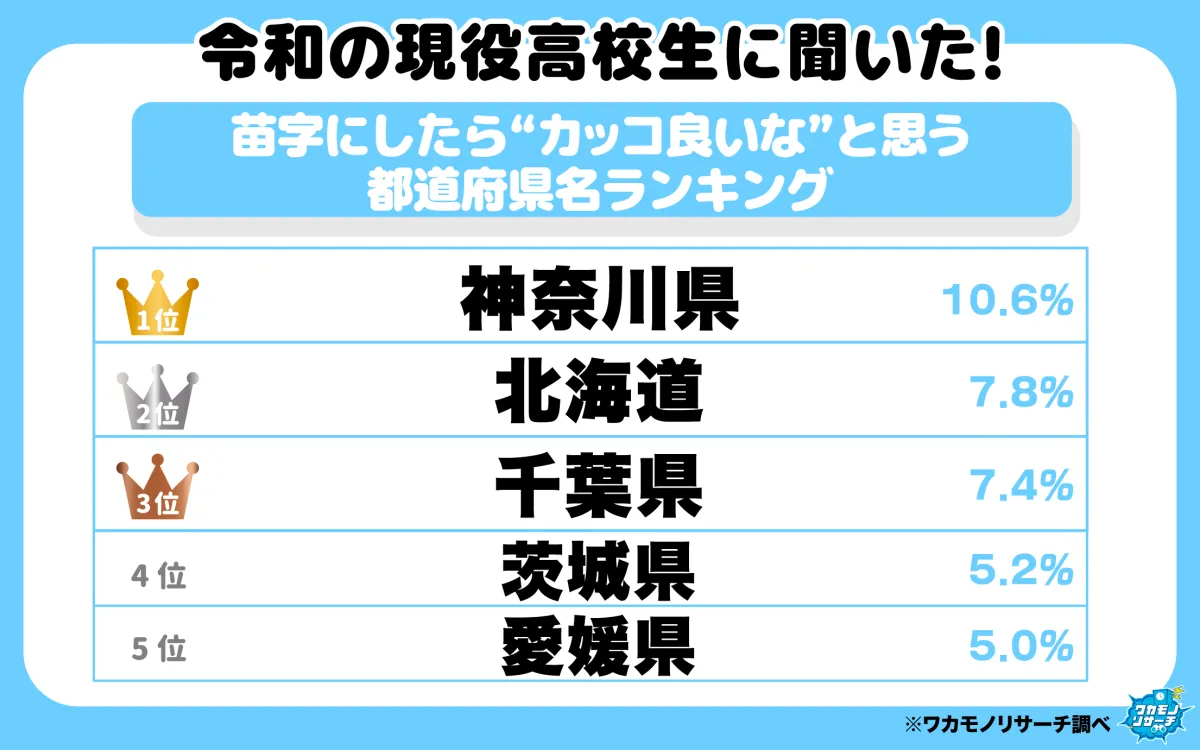
A recent survey conducted by Wakamono Research targeted current high school students, asking them which prefectures they think would make cool surnames. The results were interesting, surprising, and enlightening.
Top Performers
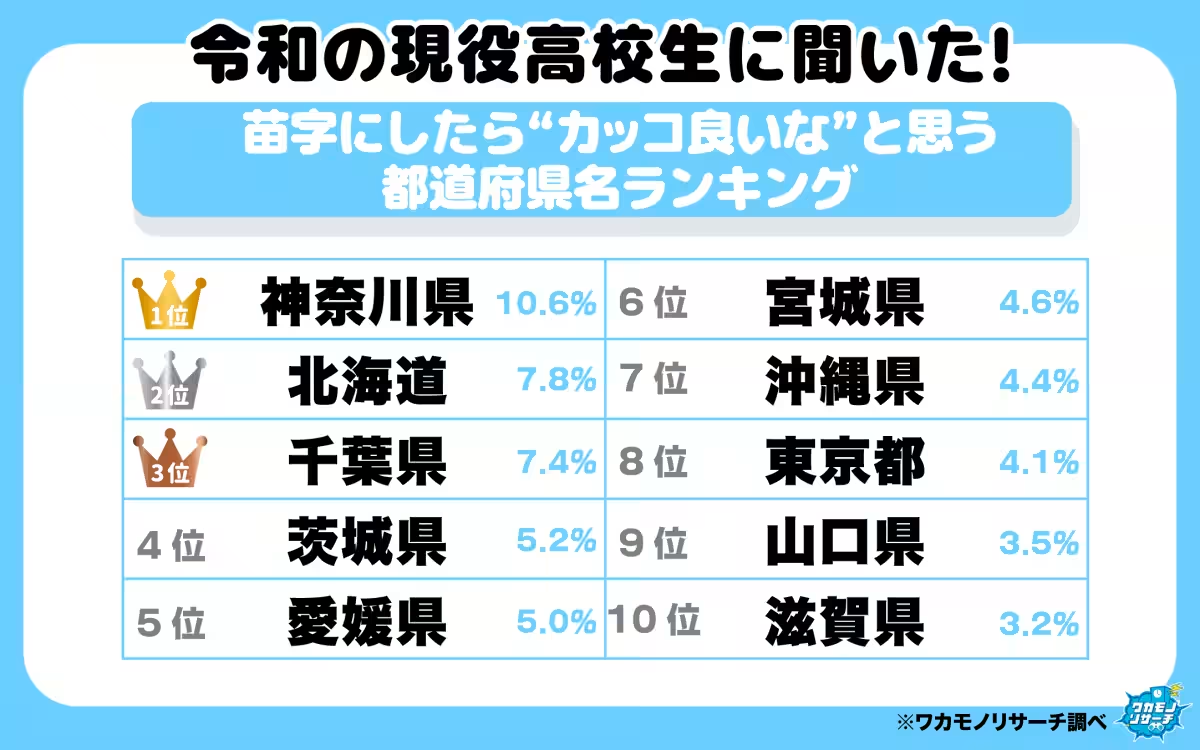
The proud winner of the survey was Kanagawa Prefecture, grabbing 10.6% of votes. The reasons?
- - "The character '神' (God) looks cool!"
- - "It sounds sharp and stylish,"
- - "It's striking and impactful!"
Moreover, Yokohama, a city known for its charm, has also contributed positively to Kanagawa's reputation. The allure of Yokohama as a fashionable place to live, supported by its status as the top city in the 'Most Desired Places to Live 2025' list, has influenced students’ perceptions. Notably, Kanagawa also boasts famous spots like Enoshima and Kamakura, adding to its overall appeal.
Next in line was Hokkaido at second place, garnering 7.8%. High school students loved its three-character name because:
- - "It’s long and unique!"
- - "It gives a sense of vastness."
- - "It seems rare!"
Chiba Prefecture came in third at 7.4% with responses linked to its simplicity and the association with various celebrities:
- - "It sounds simple and has a friendly vibe,"
- - "There are cool people with that name!"
Surprisingly, Ibaraki Prefecture landed fourth place with 5.2%, where opinions suggested:
- - "It has a sharp and edgy feel!"
- - "The kanji characters are pretty cool!"
- - "'Ibara' and 'Jo' combine nicely!"
Ehime, ranking fifth with 5%, displayed a contrasting mindset:
- - "It feels lovable and hopeful."
- - "Love conquers all!"
Expanding the Rankings
Following up, Miyagi (6th, 4.6%) drew interest due to its kanji '城' (castle), aligning it with aesthetics.
Okinawa claimed the 7th position (4.4%) due to its exotic reputation and geographical distance, while Tokyo stood at 8th (4.1%) as the embodiment of urban life.
Yamaguchi (9th, 3.5%) was praised for its familiarity as a surname, reflecting a popular appeal.
Lastly, Shiga made it to the 10th spot (3.2%) with an appreciation for the beauty in its characters, especially the elegance of '滋'.
Insights from 11th to 20th Place
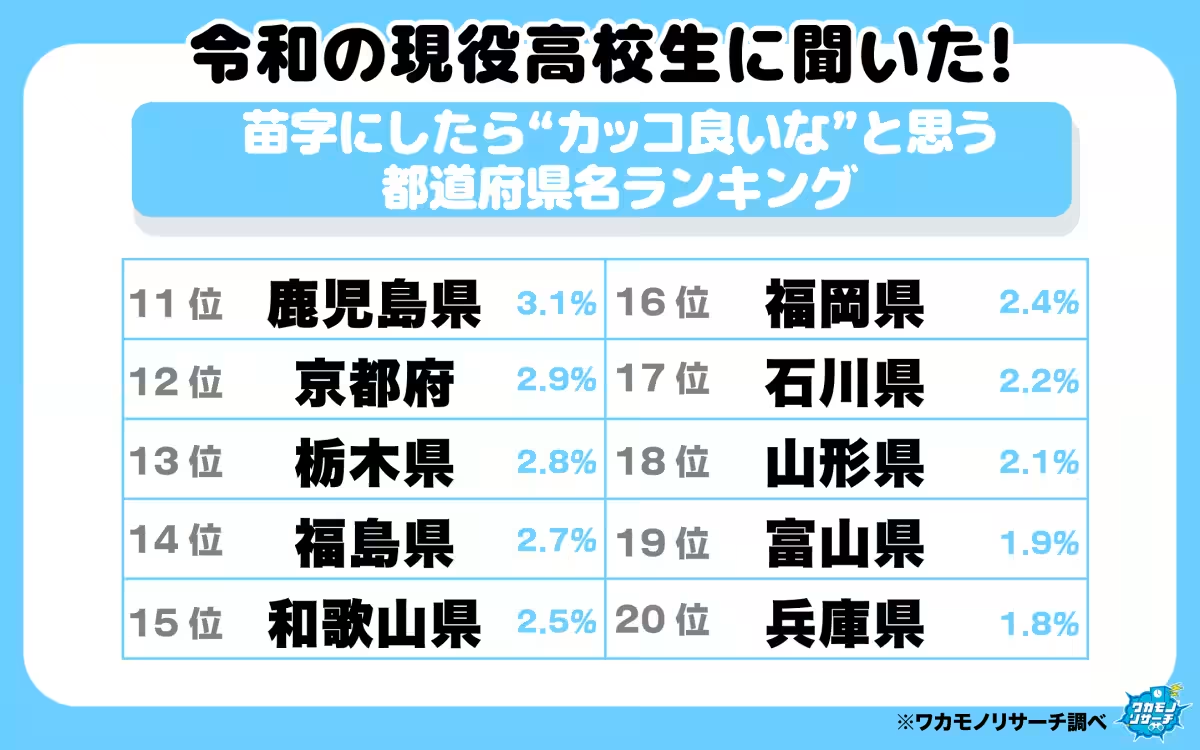
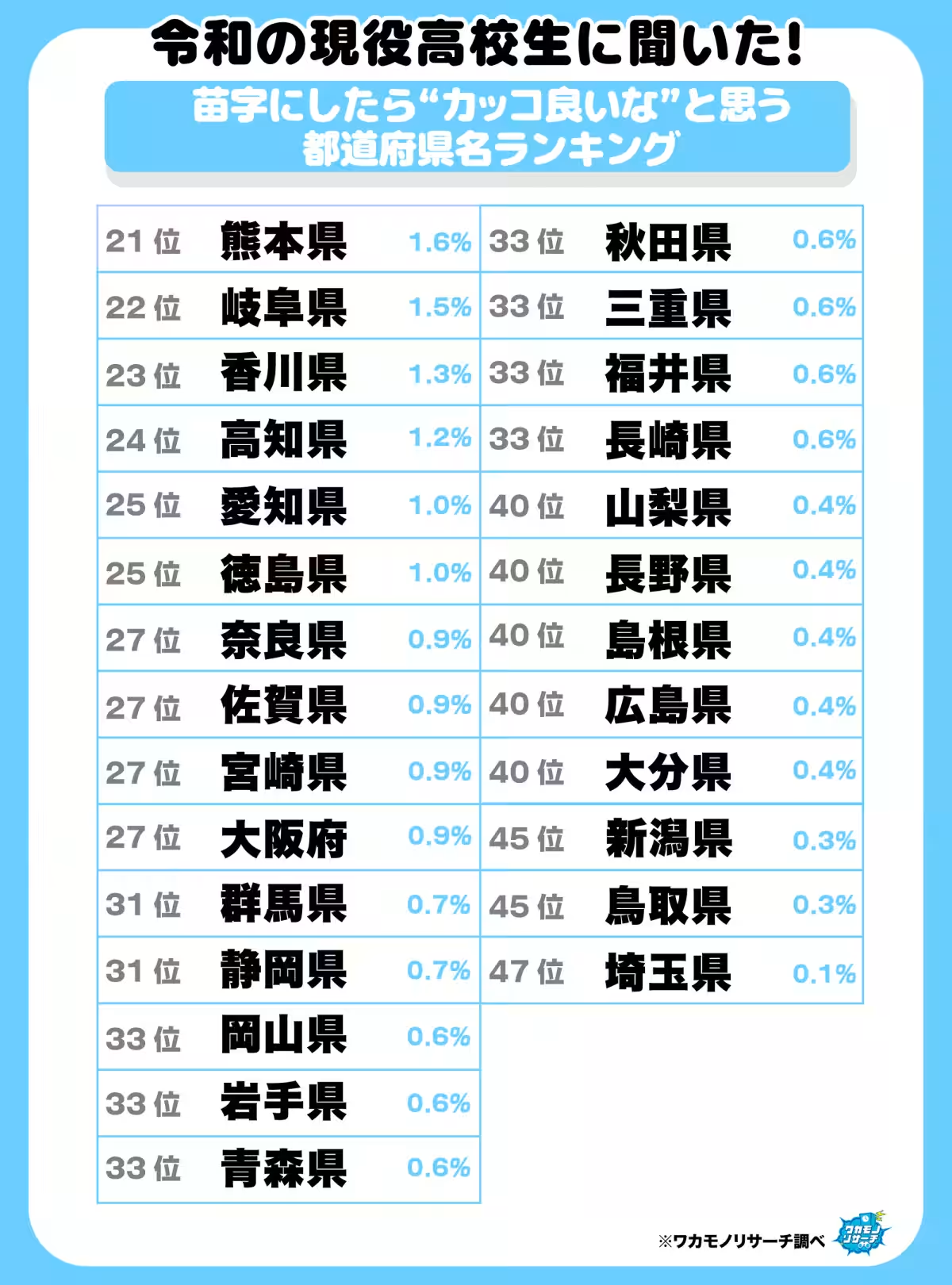
The secondary range included Kagoshima (3.1%) and Wakayama (2.5%), both of which benefitted from the three-character trend. Meanwhile, Fukushima, Fukuoka, and Ishikawa received mentions for their associations with being common and crowd-pleasing names.
However, the bottom of the rankings included places like Saitama (0.1%), often dismissed humorously due to its perceived unattractiveness. Some students even expressed their thoughts with the cheeky remark, "Daisaitama!"
Conclusion
This survey dives deep into the perceptions of beauty and charm associated with surnames linked to Japanese prefectures. From the top spots to the bottom, each ranking reveals trends in youthful imagination and the ways names intersect with identity and hope. This dialogue reflects a generation's quest for meaning in their connections with places, establishing how culture and language influence personal biases.
For more details about the survey and its comprehensive findings, please visit the official website of Wakamono Research.
Topics People & Culture)
【About Using Articles】
You can freely use the title and article content by linking to the page where the article is posted.
※ Images cannot be used.
【About Links】
Links are free to use.