



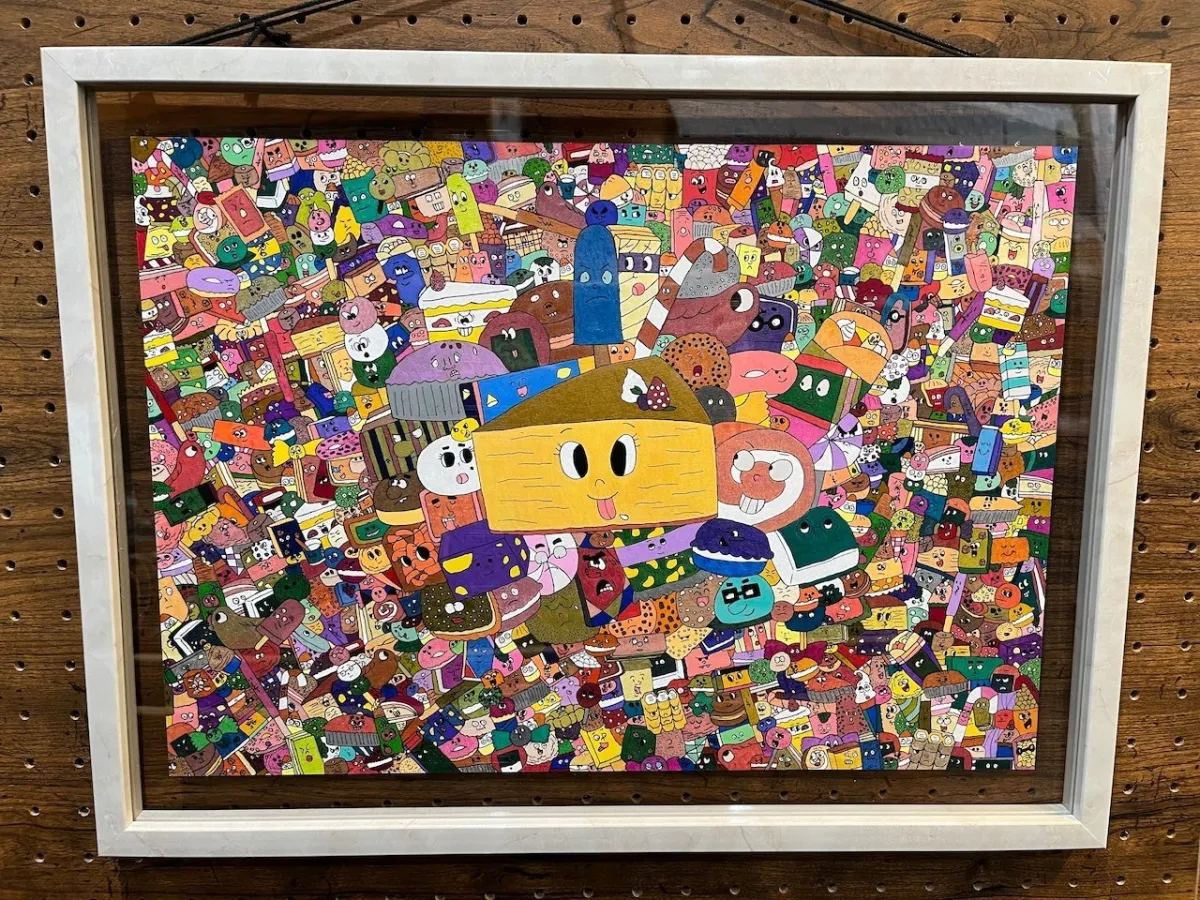
The Union of Irotoa and Labomen: Crafting a New Art Style for a Brighter Future
The New Collaboration: Irotoa and Labomen
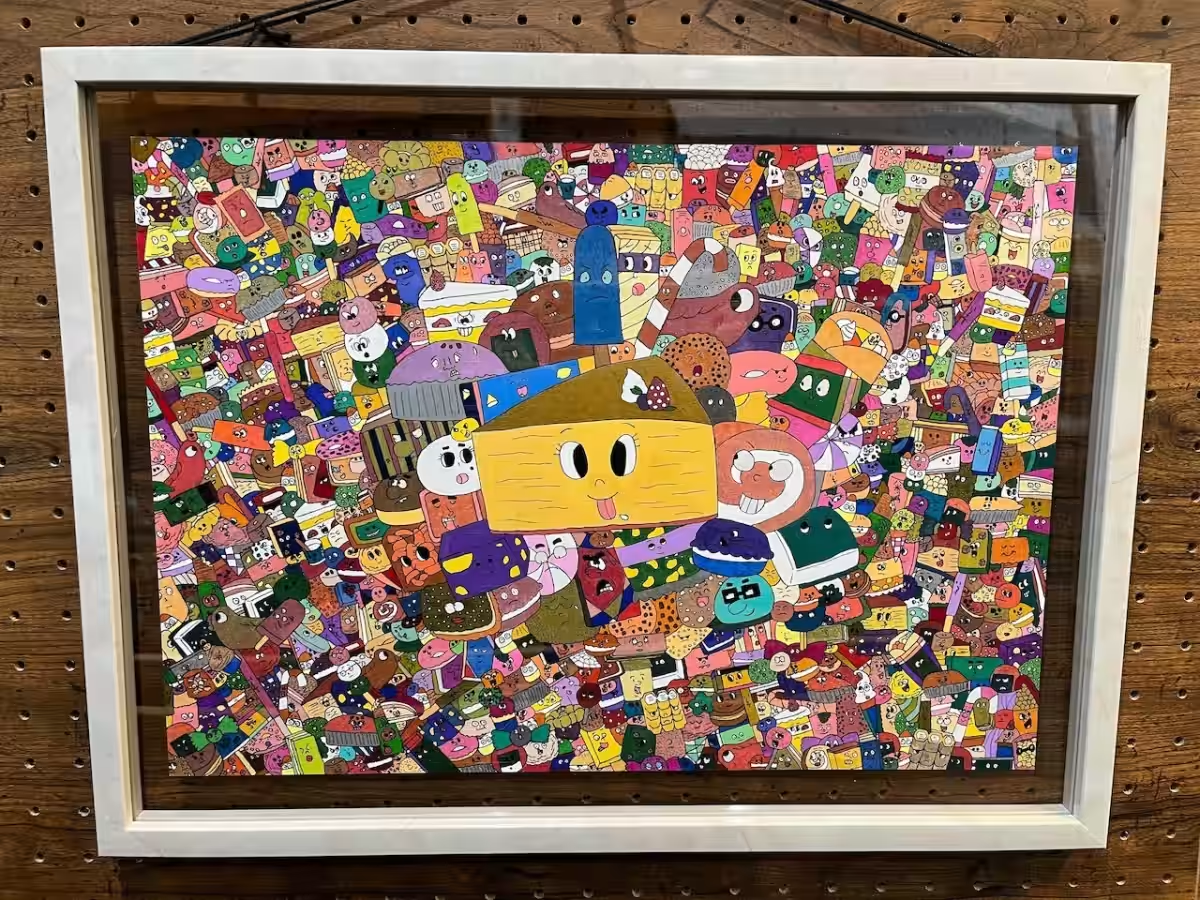
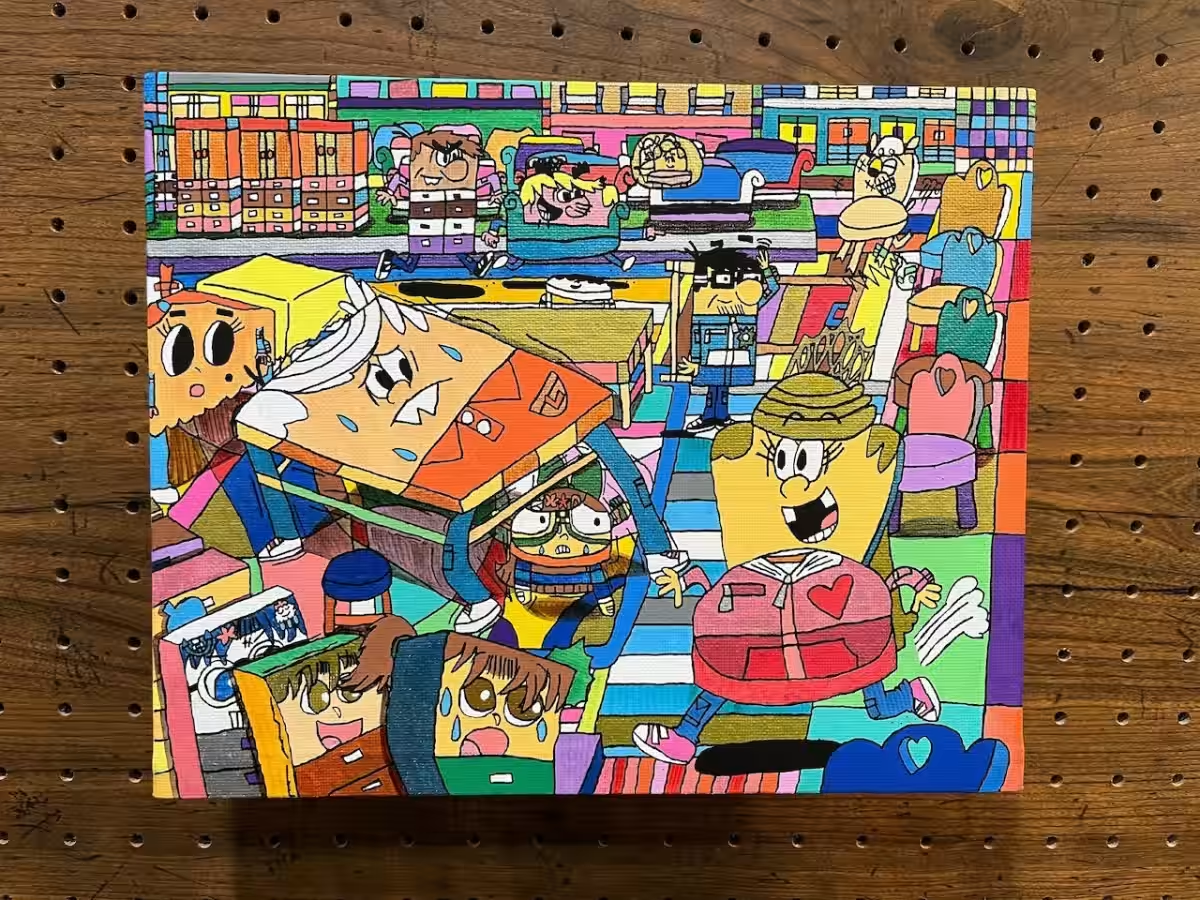
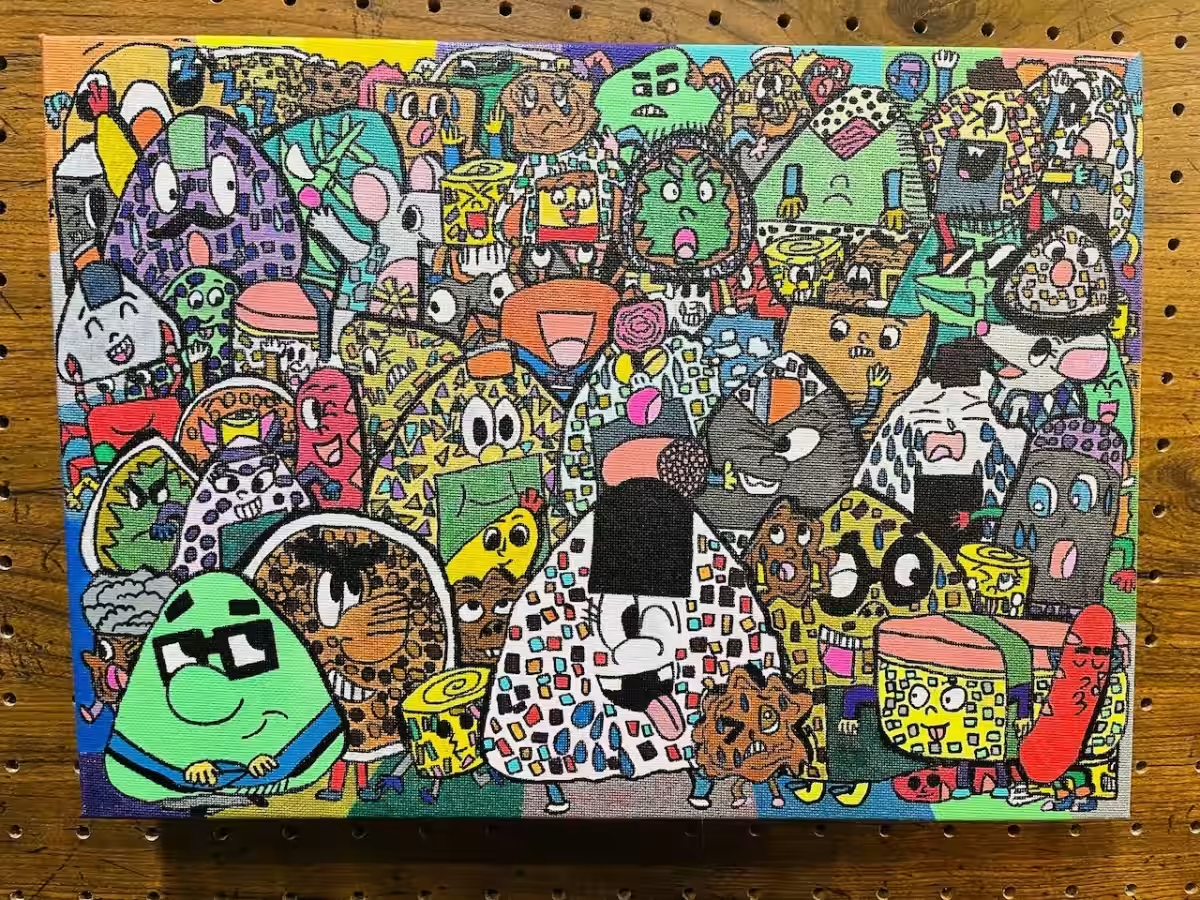
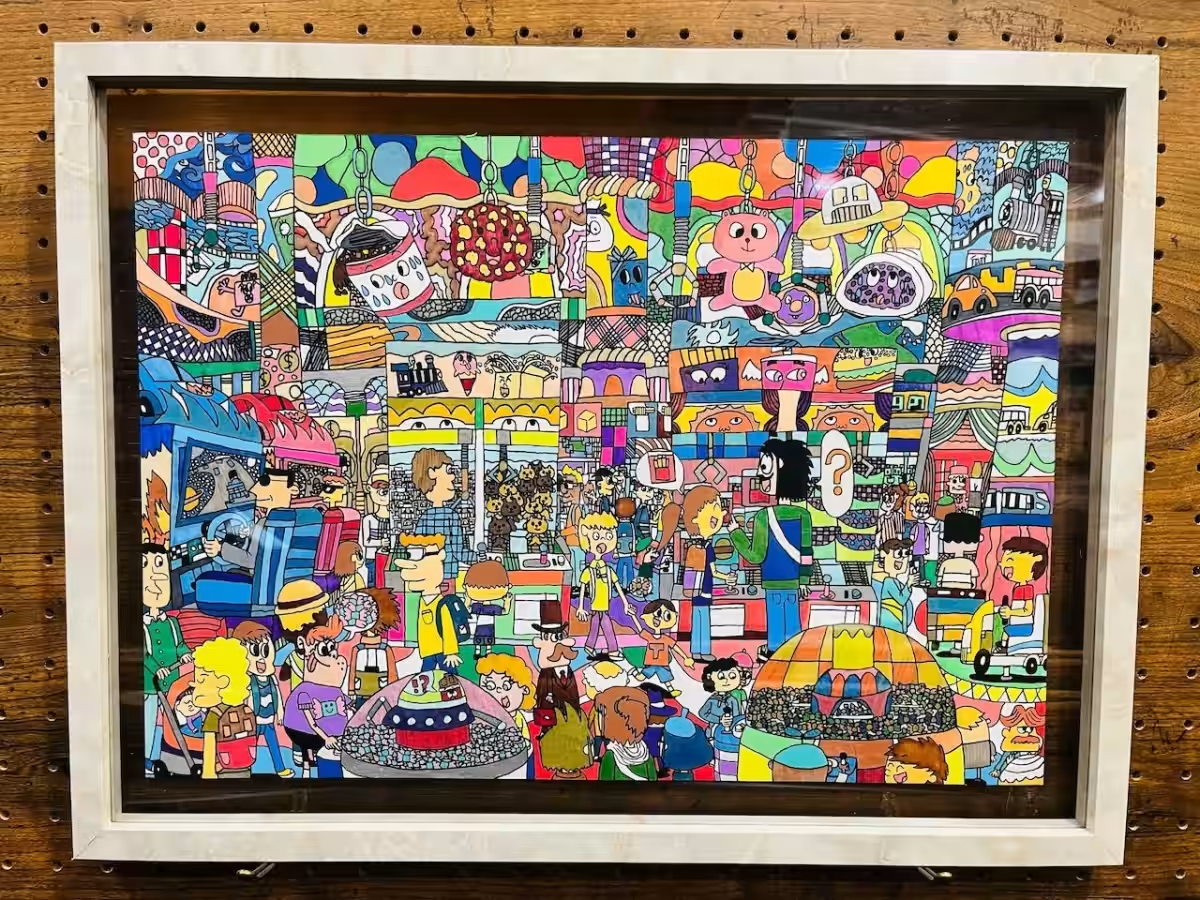
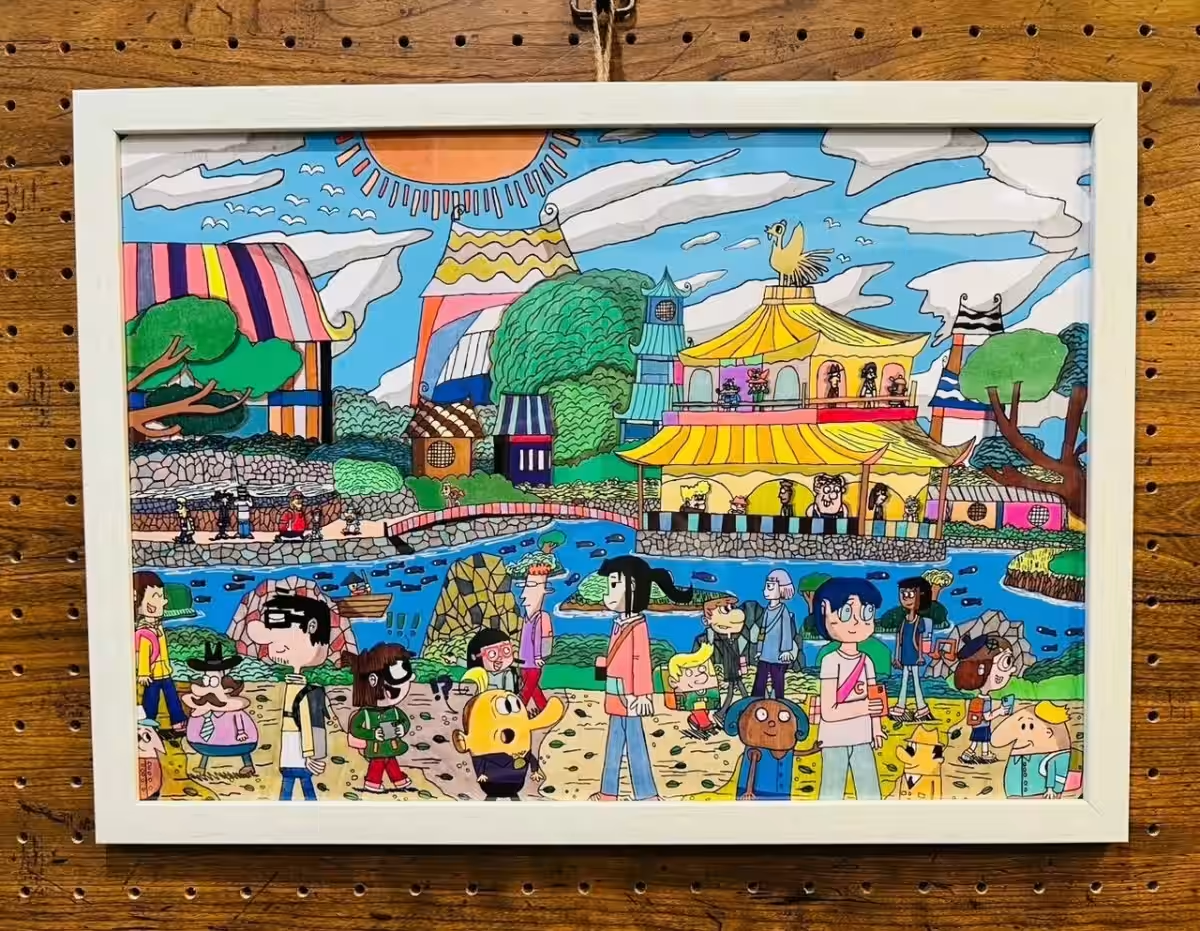
In an unexpected yet inspiring collaboration, Labomen, a work continuation support facility located in Yokohama, has joined forces with the inclusive culture brand Irotoa from Harajuku. Both entities, which appear to be worlds apart at first glance, have harmonized their philosophies and sensibilities, paving the way for new value creation. One of the rewarding outcomes of this collaboration is the debut of Color Tone Art—a unique art style that blends color and sound with playfulness. This creative fusion redefines the essence of art, reminding us that disabilities are merely a part of a person’s sensibility. The true brilliance lies in the practice and effort it takes to express that sensibility through art.
Chapter 1: Five Bridges of Connection Between Irotoa and Labomen
1. Connecting Individual Colors
The art created by Irotoanistas at Labomen is neither a mere imitation of existing trends nor a copy of someone else's work. The creators' life experiences, daily observations, and even their emotions manifest as vibrant colors on canvas. Sometimes they encapsulate the hues of a morning sunrise viewed during their commute, while at other times, they bring to life memories of childhood fireworks through layered colors. Irotoa's philosophy of “individual colors” shines through as Labomen’s unique expressions transform into one-of-a-kind creations.
2. Layering Sounds of Life
The workspace is filled with the sounds of brushes gliding, the rhythmic hum of sewing machines, and laughter shared among friends. On sunny afternoons, the sound of paper being cut and the intricate movements of hands threading a needle create the music of this environment. This represents the ‘sounds of life’ woven into the fabric of daily interactions—what Irotoa values as the resonances that connect people to society.
3. Bridging Welfare and Culture
Typically, products from welfare facilities are assessed merely in light of their ‘welfare backgrounds’. However, Labomen and Irotoa defy this norm. People who are unaware of the background will reach for the art simply because they find it attractive. Once displayed at the Harajuku store, these artworks transform from mere products of special assistance into integral elements of culture, effectively creating the bridge between welfare and culture.
4. From Users to Creators
Artists from Labomen transcend the label of ‘facility users’ to become integral members of the brand, known as Irotoanistas. As they share the stories behind their art, their eyes radiate newfound confidence. Their creations are no longer mere artworks but bold expressions that invite societal discourse, fundamentally changing their self-perception.
5. Introducing Unique Value to the World
Every piece of art is unique, characterized by spontaneous blends and unexpected hues—no identical work will ever be recreated. This originality resonates with Irotoa’s belief in the significance of embodying individuality. Those who acquire a piece feel the weight of its uniqueness, recognizing it as an expression of their “personal color,” which they cherish for a lifetime.
Chapter 2: The Depth of Labomen Art
Art creation is intricately intertwined with life. Inspirations arise from daily commutes, conversations with family, and the colors of the city. Each color choice embodies personal memories and feelings. A day of creation unfolds quietly, beginning with focused concentration as brushes and pens meet paper, gradually filling the space with sounds. During breaks, smiles flourish as peers share and discuss their work. Color Tone Art is dedicated to selling only original pieces, ensuring that each creation is one-of-a-kind, thereby providing unmatched value. The moment these artworks first appear in the store, the creators brim with pride, feeling that their colors are now part of the world.
The convergence of disability and talent is not as simplistic as saying, "Disabilities bring forth talent." Disabilities indeed form an integral part of a person's sensibility, but it is the practice, trial and error, and daily dedication that truly brings these pieces to life. The sale of the art signifies the culmination of innate sensibility and dedicated effort.
Chapter 3: The Persona of President Matsuhashi
Kenta Matsuhashi, the head of Labomen, is a father of four, two of whom are on the autism spectrum. In contemplating his sons' futures, he recognized the necessity of creating opportunities for them to thrive on their terms. This insight led him to establish his business, where he actively engages with creators, sometimes drawing inspiration from their ideas right beside them at the worktable. He emphasizes “co-creation” rather than mere support. The results manifest in numbers, as wages and sales steadily increase, along with skills and confidence among creators. “I want to express colors and sounds that transform lives from this place,” he asserts, embodying both a welfare entrepreneur and a creator.
Chapter 4: Social Significance and the Future
This initiative embodies more than just the evolution of artistic work.
- - A shift in assessment criteria: from welfare-based value to market-valuable recognition.
- - Advancement of the workspace: evolving beyond mundane tasks into a place that promotes skill development and increased income.
- - Expansion plans: moving from Harajuku to rural cities and forging national collaborations with welfare facilities.
The collaboration with Irotoa holds the potential to elevate work continuation support facilities into cultural hubs. Above all, this initiative illustrates that talent is born not only from inherent sensibility but also from continuous dedication. Disabilities are but part of a person; they offer a glimpse into one’s sensibility yet do not solely define value. Through consistent practice, inventive expression, and relentless perseverance, one's sensibility can resonate with society, yielding value. This collaborative future, where diverse creators work together, is just beginning here.
Topics People & Culture)

【About Using Articles】
You can freely use the title and article content by linking to the page where the article is posted.
※ Images cannot be used.
【About Links】
Links are free to use.