



The Impact of Aging Hair: Insights from a Survey on Men's Beauty Attitudes for Respect Your Elders Day
Understanding Men's Grooming Attitudes Towards Aging Hair
In the lead-up to Respect Your Elders Day on September 15, 2025, a significant survey was conducted to delve into the grooming habits and perceptions of aging hair among men aged 40 to 60 years. This survey, executed by Men's Rize, a dermatology clinic focusing on male beauty, emphasized the cultural shift regarding men's self-care and grooming as they age.
Traditionally regarded as a female concern, beauty treatments such as skincare, makeup, and hair removal have gained traction among men, effectively breaking the gender norms surrounding personal grooming. Notably, the male beauty market continues to expand, fueled by changing attitudes towards self-investment in health and aesthetics, particularly in the context of the ‘100-year lifespan’ culture.
The Growth of “Senior Hair” Awareness
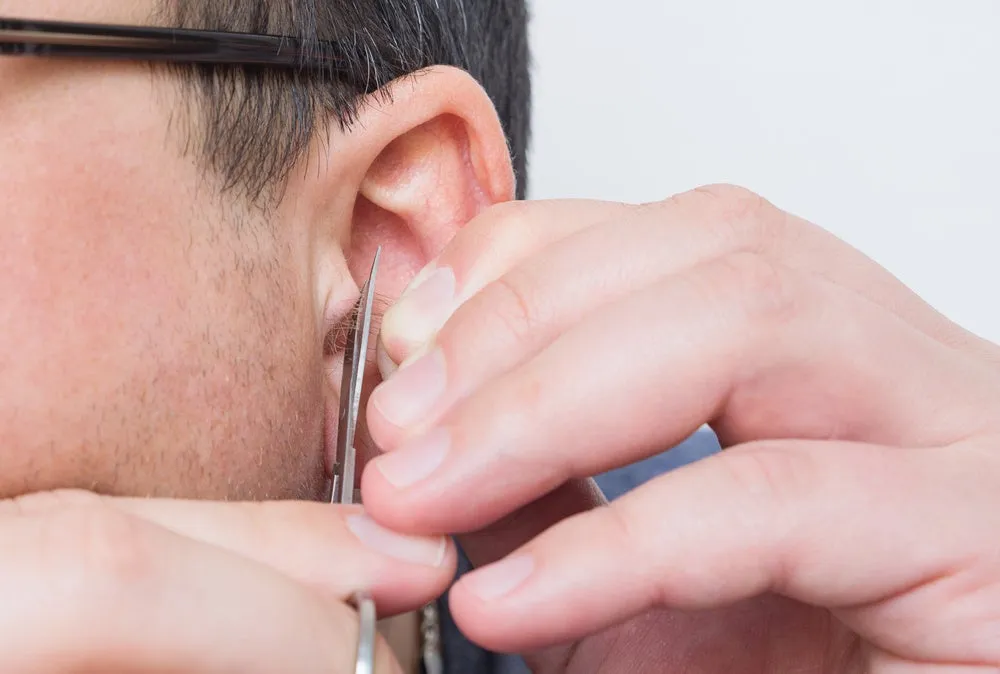
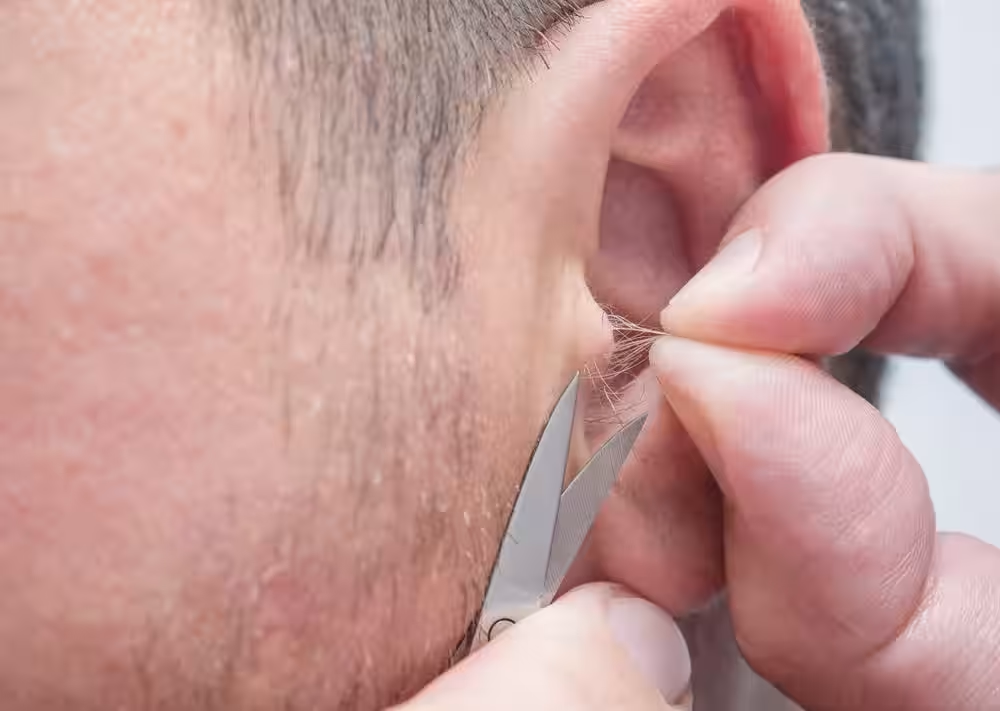
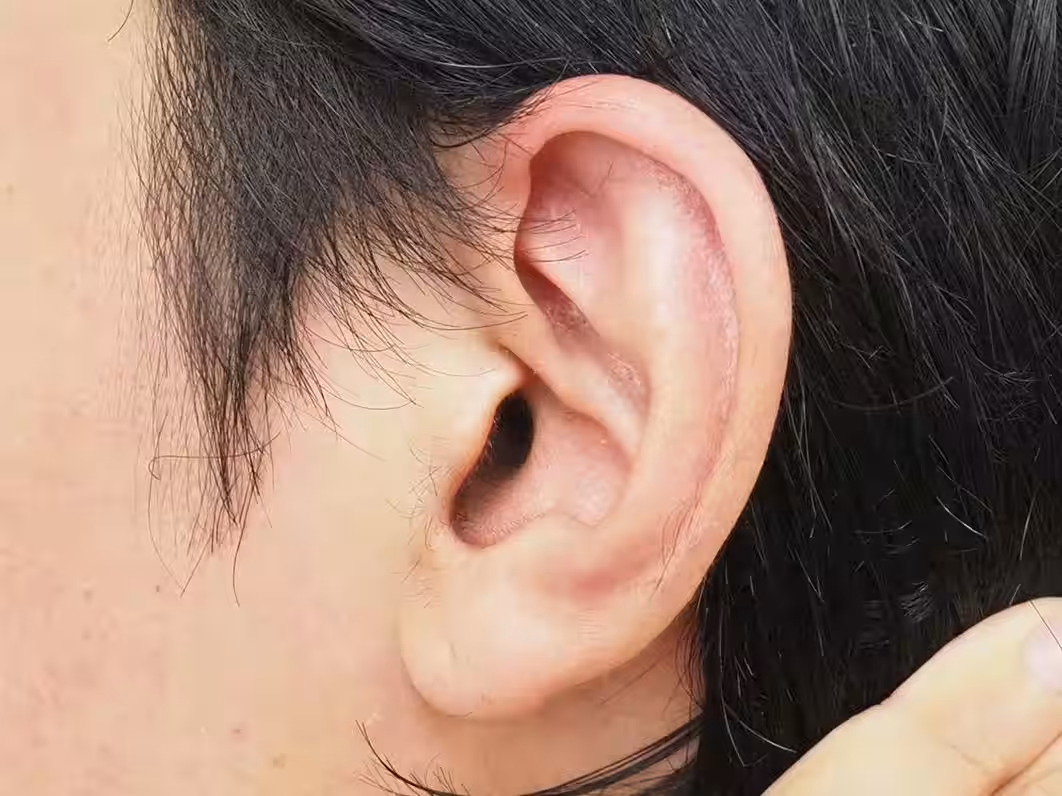
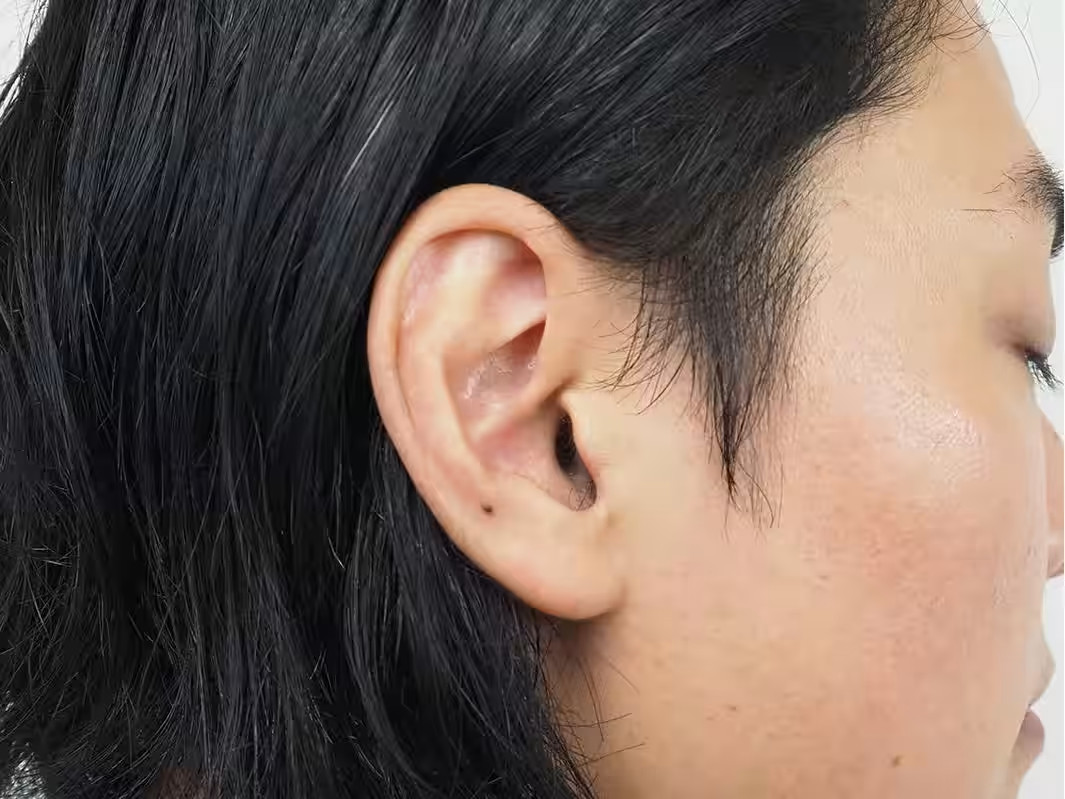
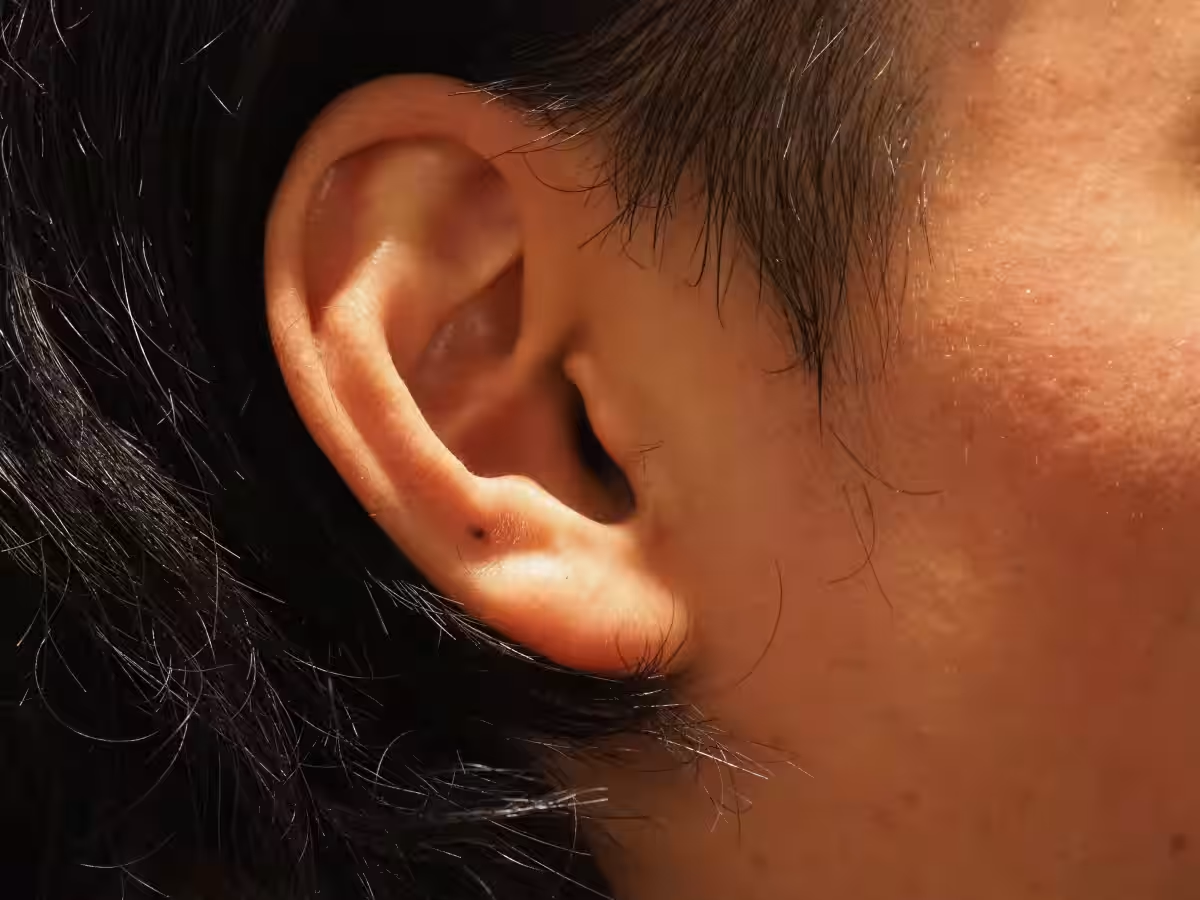
The survey revealed that men in their 40s and older often experience noticeable changes in their body hair. Hair in areas like the ears, eyebrows, and nostrils can become longer, thicker, and more prominent, which many men might find embarrassing or bothersome. The term “Senior Hair,” coined by Men's Rize, describes this aesthetic phenomenon associated with aging.
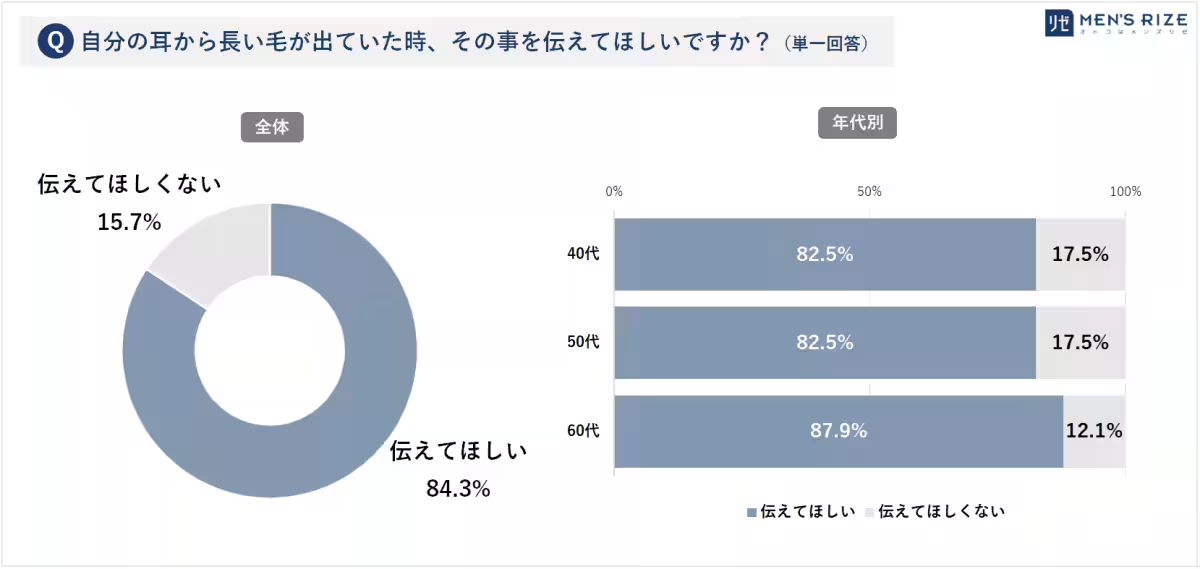
Interestingly, when asked about addressing discomfort related to their own prominent ear hair, the responses indicated a cultural discrepancy. While many men reported feeling self-conscious about their aging hair, a striking 84.3% expressed a desire for others to inform them of their excessive ear hair when noticed, highlighting a significant gap between personal acceptance and the willingness to confront peers about such matters.
Grooming Insights from the Survey
Awareness and Acceptance
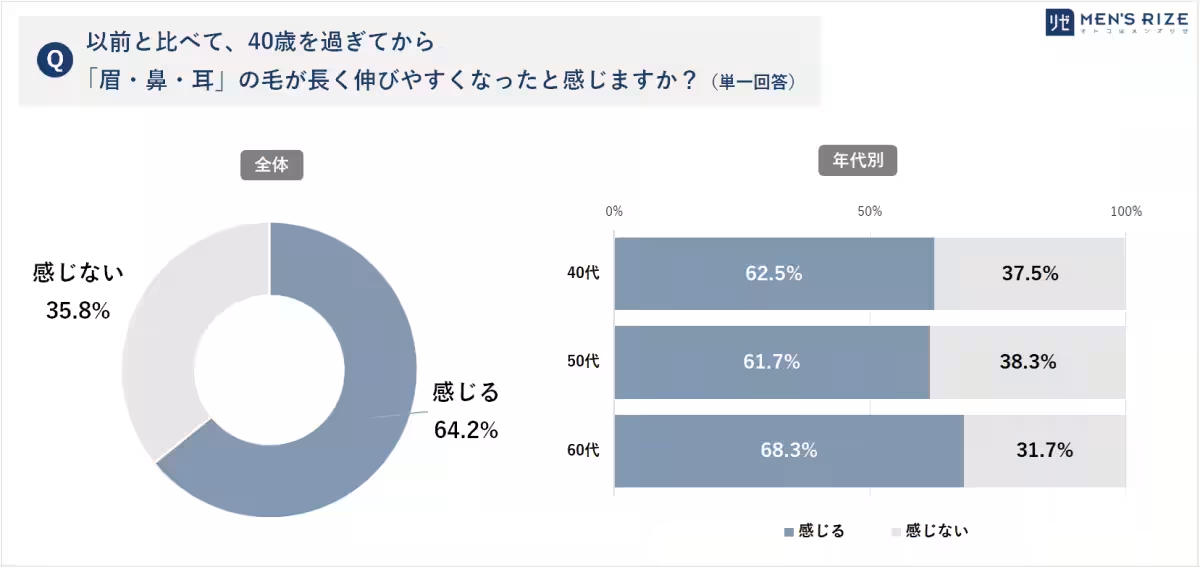
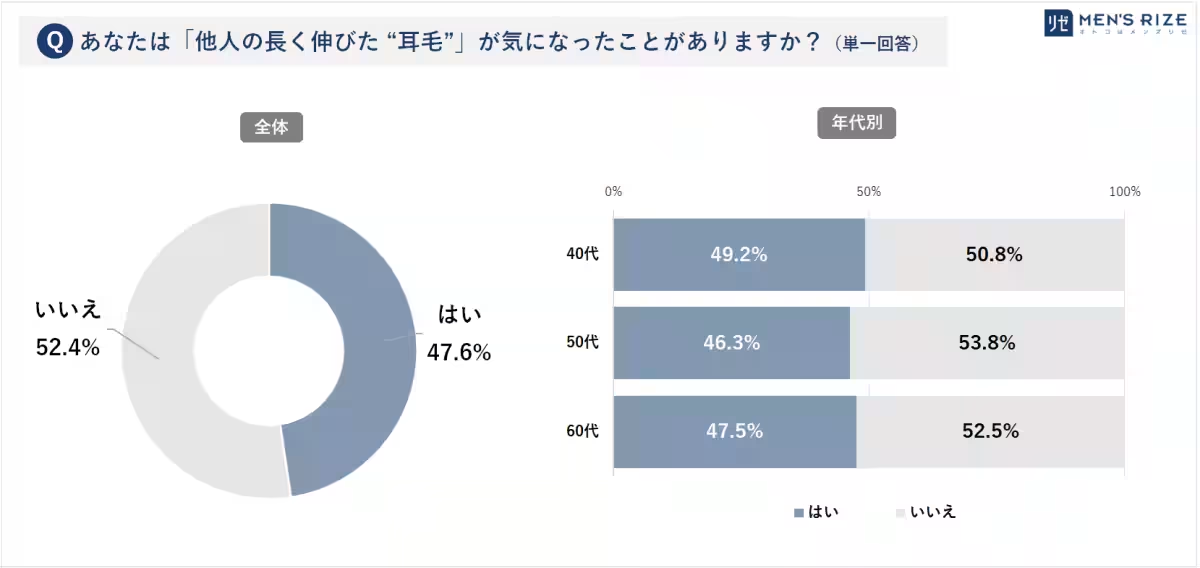
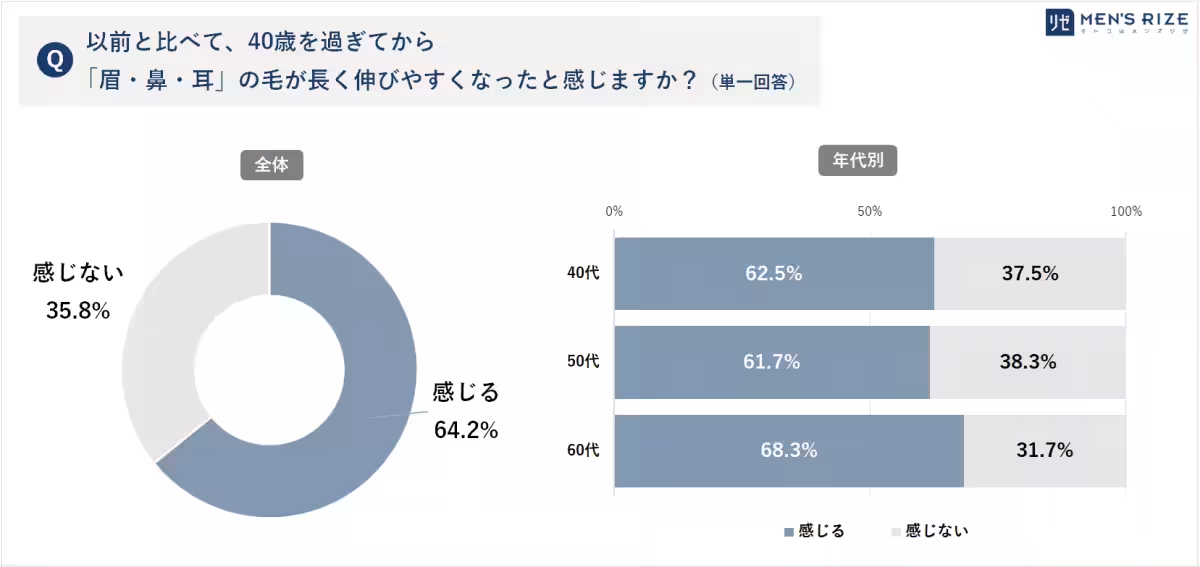
According to the survey, nearly half (47.6%) of men admitted to having noticed long ear hair on others, demonstrating heightened awareness of the phenomenon. About 64.2% confirmed they felt hair growth in their eyebrows, noses, and ears becomes more pronounced after turning 40. This trend especially resonated among those in their 60s, where 68.3% acknowledged noticeable changes in hair growth.
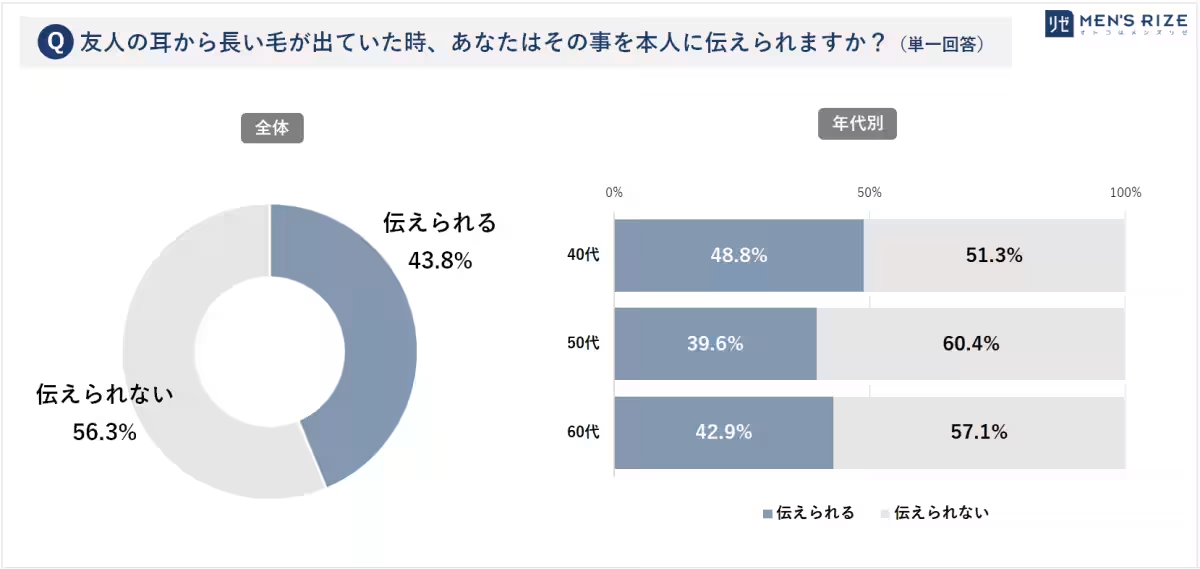
Moreover, a majority (56.3%) of respondents felt uncomfortable about pointing out a friend's ear hair, while many (over 60%) in their 50s and 60s found it particularly daunting. Despite this reluctance to speak out, there was a consensus that men would appreciate being informed about their own hair growth, illustrating a dichotomy of acceptance within male circles as they age.
The Quest for Youthful Appearance
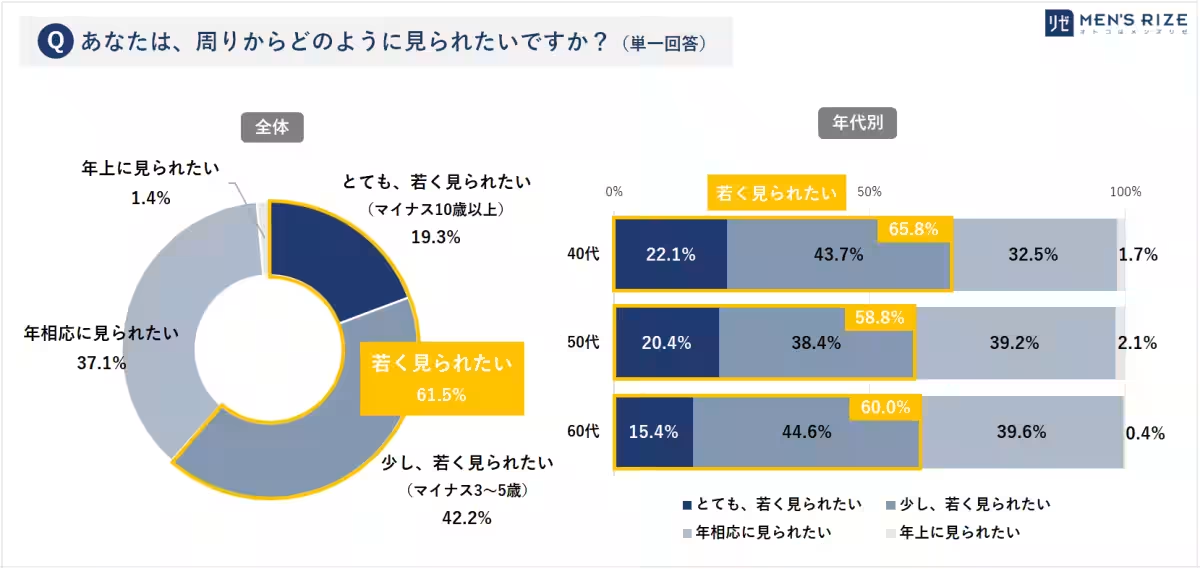
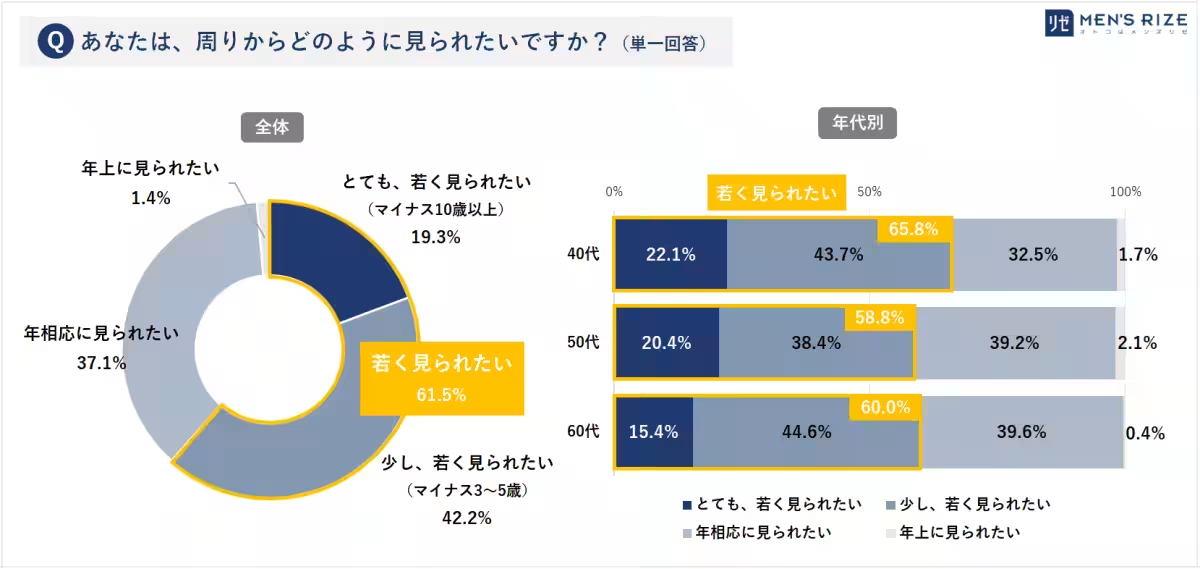
Surprisingly, the survey indicated that 61.5% of respondents desired to appear younger, with the strongest desire expressed by those in their 40s, where about 65.8% wanted to present themselves as youthful. The desire for a natural youthful look—around 3 to 5 years younger—was common, showcasing a universal aspiration across age groups.
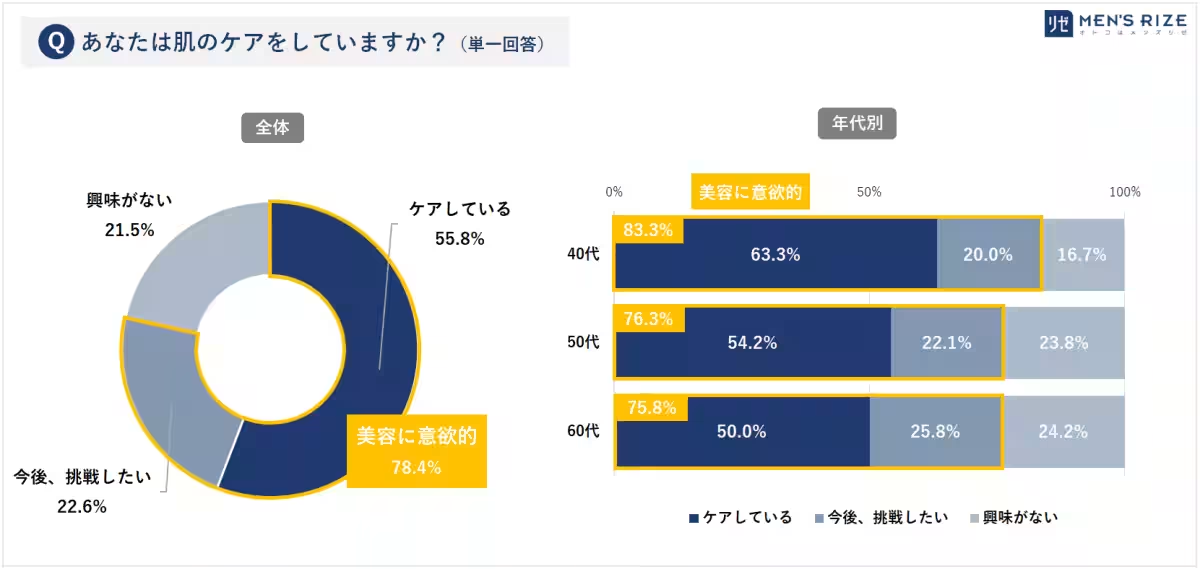
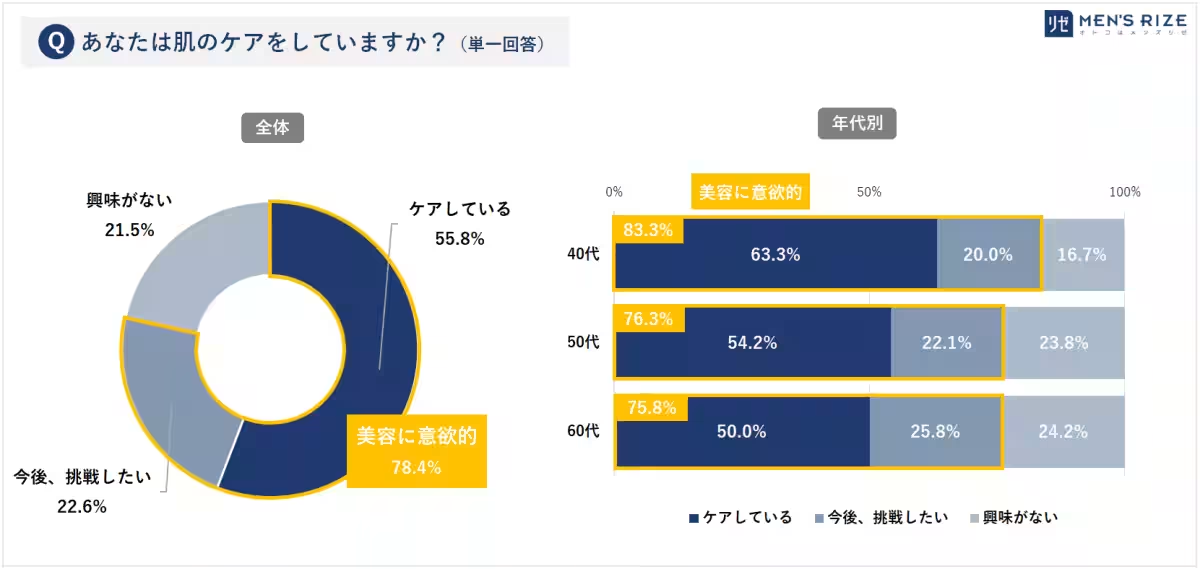
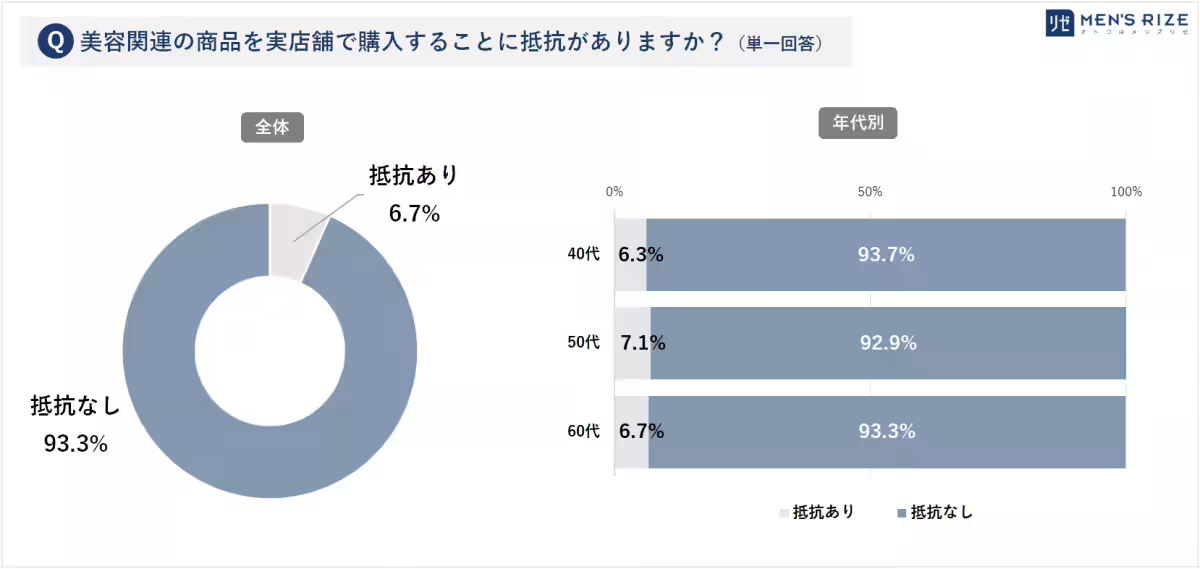
In terms of skincare, over half (55.8%) reported actively engaging in skin care routines, and an encouraging 78.4% expressed an intention to adopt or expand their skincare efforts. The survey also found that 93.3% of participants felt no resistance to purchasing beauty products, indicating a significant shift towards normalizing men's engagement in beauty and self-care.
Changing Perceptions on Hair Removal
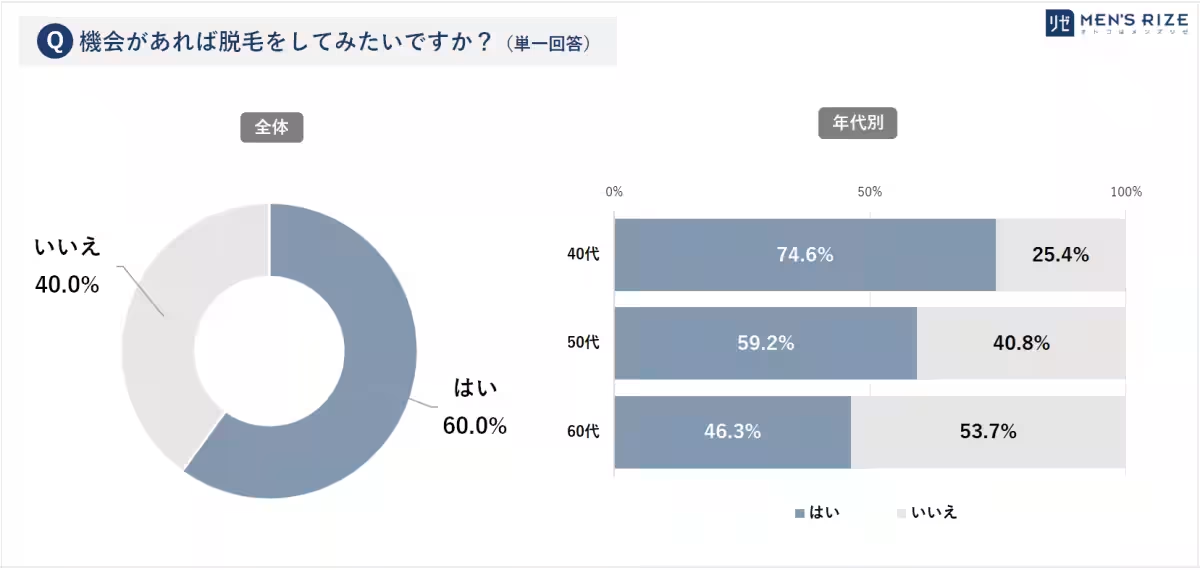
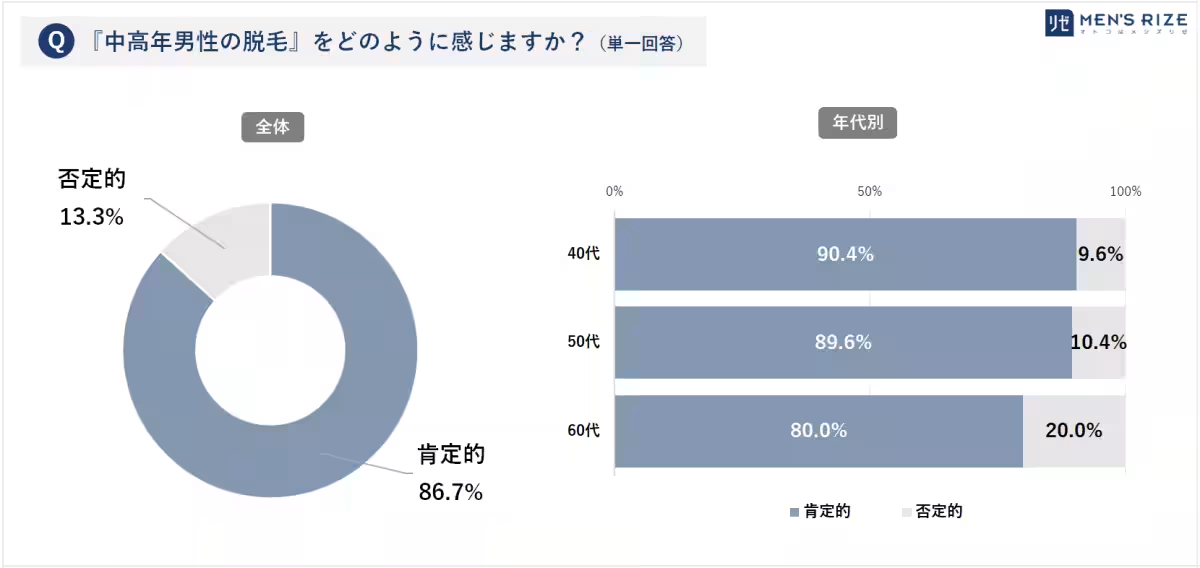
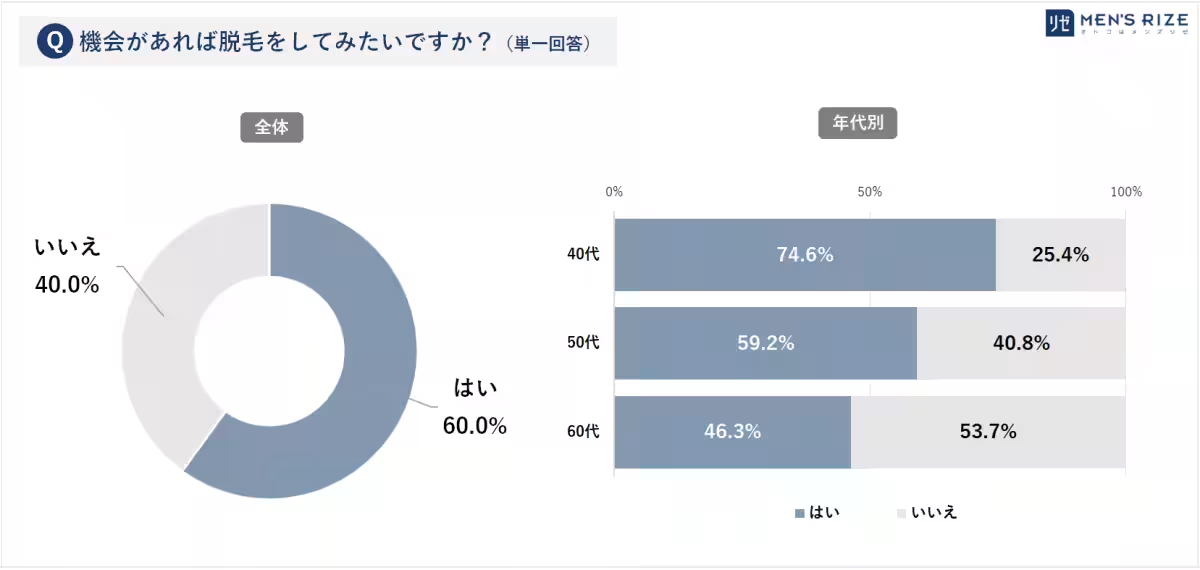
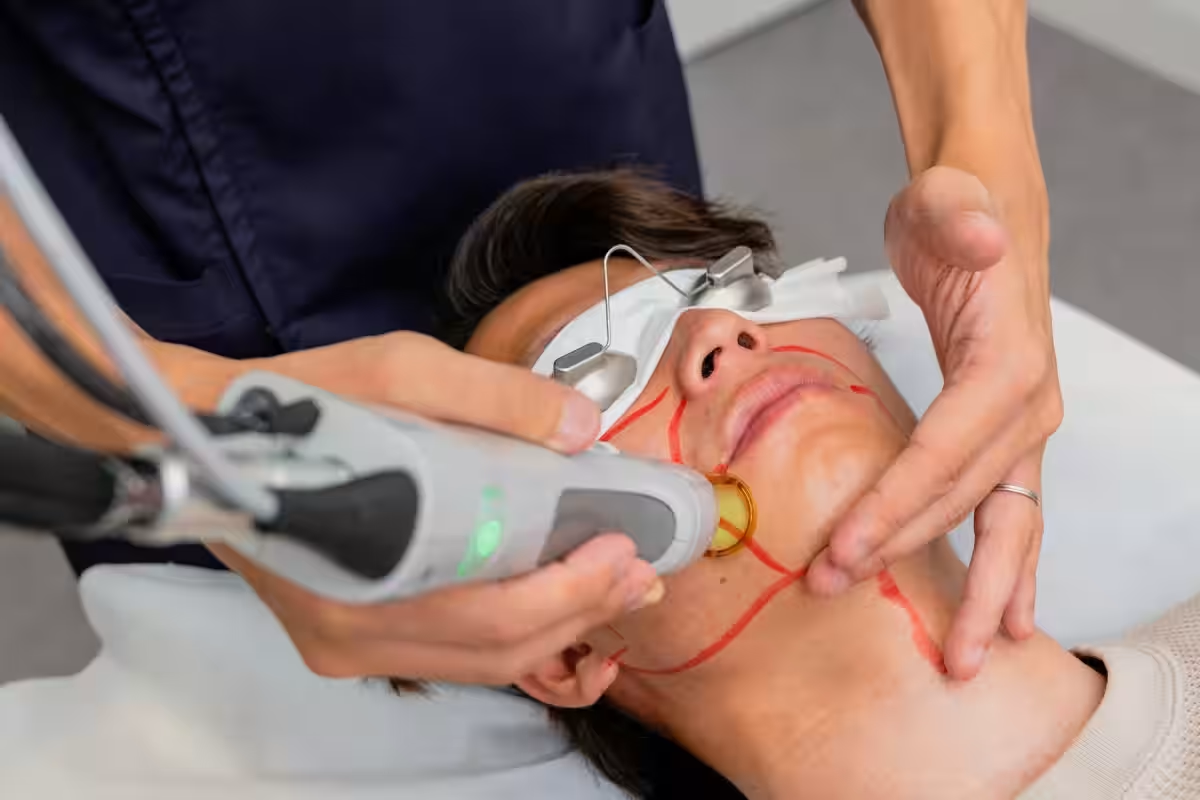
Men's attitudes towards hair removal have notably shifted. Approximately 86.7% of respondents approved of hair removal among middle-aged men, and about 60% expressed an interest in trying hair removal options. Notably, even 46.3% of men in their 60s indicated openness to the idea, suggesting that such practices are no longer stigmatized.
Reasons Behind the Shift
There are several factors driving this shift in perception:
1. Investment in Aging: Many men see hair removal as a form of investment in comfort and hygiene during later years, particularly as personal grooming becomes challenging.
2. Affordability of Treatments: The costs associated with hair removal have drastically reduced over time due to competition and advancements in technology, making treatments more accessible.
3. Less Painful Procedures: Improved equipment has made hair removal procedures faster and less painful, attracting more men to consider these services.
4. Awareness of Senior Hair: Growing awareness of “Senior Hair” has prompted more men to seek out practical solutions as they age.
5. Decreased Social Barriers: Endorsements from public figures and normalization of grooming discussions have lowered the social barriers for men considering hair removal.
Conclusion
Men’s attitudes toward aging and personal grooming are undergoing a transformative era, driven by a desire for youthfulness and an increasing acceptance of beauty routines. The findings from the Men's Rize survey reveal a growing belief that looking after oneself is not merely a woman's domain but a critical part of self-care for men as well. As the lines blur, the future of beauty and grooming for men looks promising, paving the way for a culture of openness and confidence in addressing the concerns that come with aging hair.
By Men's Rize



Topics People & Culture)

【About Using Articles】
You can freely use the title and article content by linking to the page where the article is posted.
※ Images cannot be used.
【About Links】
Links are free to use.