


New Study Shows 4.1% of Japanese Toddlers May Have Suspected Anemia
Overview
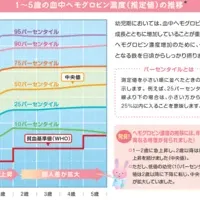
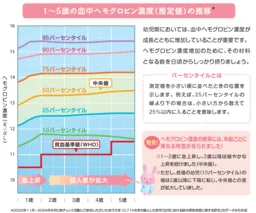
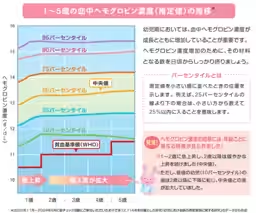
A groundbreaking study, published in the BMC Pediatrics journal, has unveiled that approximately 4.1% of toddlers in Japan, aged 1 to 5 years, are suspected to have anemia. This alarming finding was obtained through a collaborative research initiative led by Meiji Co., Ltd. in partnership with Sagami Women's University and renowned experts in pediatric health. Utilizing a non-invasive method to measure the estimated concentration of hemoglobin in the blood, the study assessed a total of 12,714 children, emphasizing the need for awareness and targeted nutritional solutions.
Details of the Study
Starting from November 2022, Meiji began a nationwide initiative called the "Iron Check Activity" aiming to address nutritional deficiencies among young children. The latest results of this initiative reveal that the percentage of toddlers suspected to have anemia ranges from 2.3% to 6.6% depending on subgroups categorized by age and sex. This data is particularly concerning as it indicates that Japanese toddlers have a higher rate of suspected anemia compared to counterparts in countries like the United States (3.2%) and Australia (2.0%).
The study didn't just stop at identifying the proportion of children at risk. It further explored the relationship between iron-fortified follow-up milk consumption and blood hemoglobin levels. From the data collected, a positive correlation was evident, particularly in children aged 12 to 23 months. The research suggested that the intake of iron-enhanced follow-up milk is linked to higher hemoglobin levels, indicating that appropriate nutritional support could mitigate anemia risks.
Nutritional Intervention Strategies
In light of these findings, Meiji plans to leverage this study's insights to enhance its range of nutritional support products. The company's "Meiji Step" series of follow-up milk and “Meiji Mirafuru” series aimed at children will be pivotal in promoting better dietary iron intake among infants and toddlers. Effective outreach activities targeting parents, health care providers, and local governments will be crucial in informing about the importance of iron in early childhood development.
Addressing the Implications of Iron Deficiency
Iron deficiency anemia can lead to serious consequences, impacting both neurological and cognitive development in young children. Early identification and intervention are, therefore, critical. This study underscores the necessity of comprehensive and large-scale data collection regarding anemia in young children in Japan—an area that has historically seen limited investigation compared to other health issues.
The methodology involved in this research utilized non-invasive hemoglobin measurement techniques, allowing for straightforward data collection without requiring blood draws. The findings not only reveal the current state of infant anemia in Japan but also lay a foundation for future research focused on longitudinal studies and in-depth dietary assessments to combat iron deficiency effectively.
Conclusion
The results of this large-scale observational study shine a light on the pressing issue of toddler anemia in Japan and the influence of iron-rich diets on children's health. With the publication of the findings in a reputable international journal, the hope is to spark discussion among stakeholders in child health and nutrition, ultimately leading to improved health outcomes for the next generation. By promoting awareness and nutritional education, particularly regarding iron intake, there is a pathway to foster healthier childhood development in Japan.
Note: The estimated hemoglobin level (SpHb) is used as a screening indicator and does not provide a definitive diagnosis of anemia or iron deficiency.
Topics Health)

【About Using Articles】
You can freely use the title and article content by linking to the page where the article is posted.
※ Images cannot be used.
【About Links】
Links are free to use.