



Creating a Well-Being Office Space Through Gratitude and Smiling Initiatives
Introduction
In recent years, the significance of managing human capital in companies has gained traction. A key aspect of this management focuses on enhancing employee health and productivity through the office environment. It's widely recognized that comfortable and healthy settings can boost creativity and communication, directly correlating to enhancing corporate competitiveness. Furthermore, positive emotions are known to have a beneficial impact on motivation and work efficiency, prompting the ongoing development of workplaces centered around well-being.
Well-being transcends the mere absence of illness; it encompasses a comprehensive state of physical, mental, and social fulfillment. The World Health Organization (WHO) defines health as not just the absence of disease but a state of complete physical, mental, and social well-being. Therefore, in a business context, employees should work in an environment that fosters safety, builds trustworthy relationships, enables personal growth, and harmonizes with their lives. These elements are critically essential for productivity and sustainability within companies.
Background of the Experiment
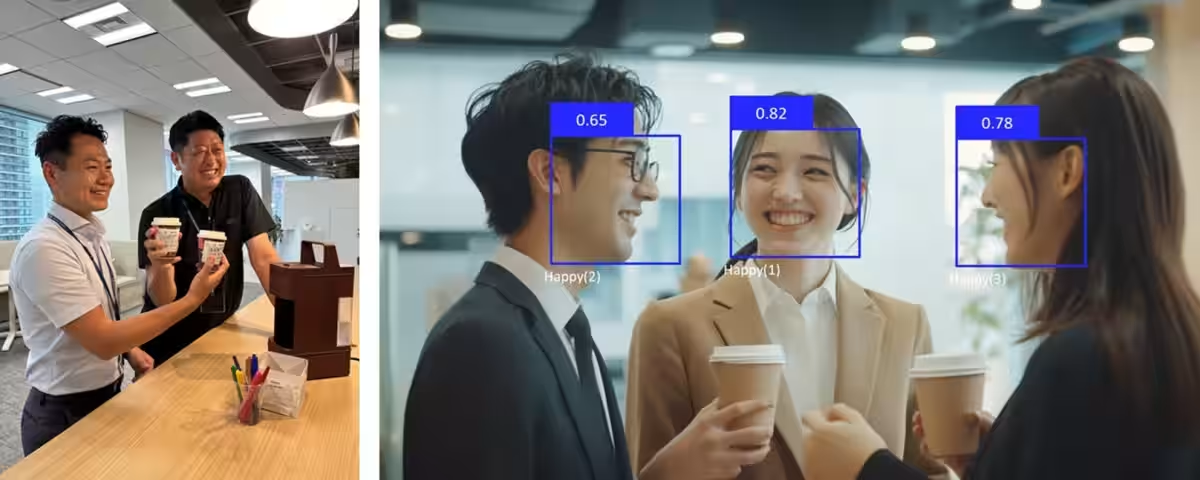
Okamotoya aims to create a cheerful, well-being office space through various initiatives. Research has shown that smiling can enhance immunity, propagate positive emotions, and improve communication, establishing a correlation between smiles and overall well-being. In October 2024, the company conducted a pilot experiment named 'Smile Wednesday', visualizing office well-being through the count of smiles, leading to the development of this subsequent initiative.
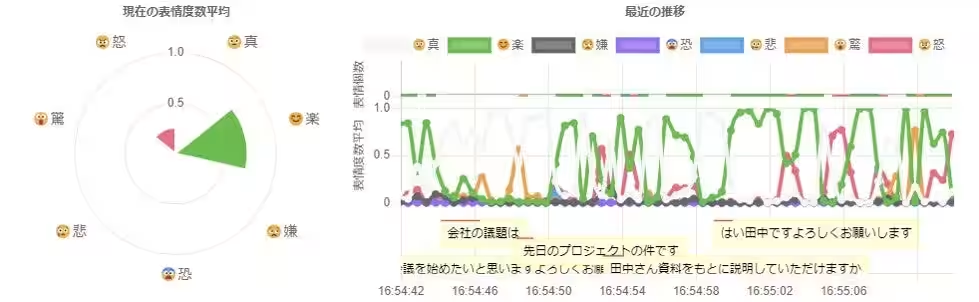
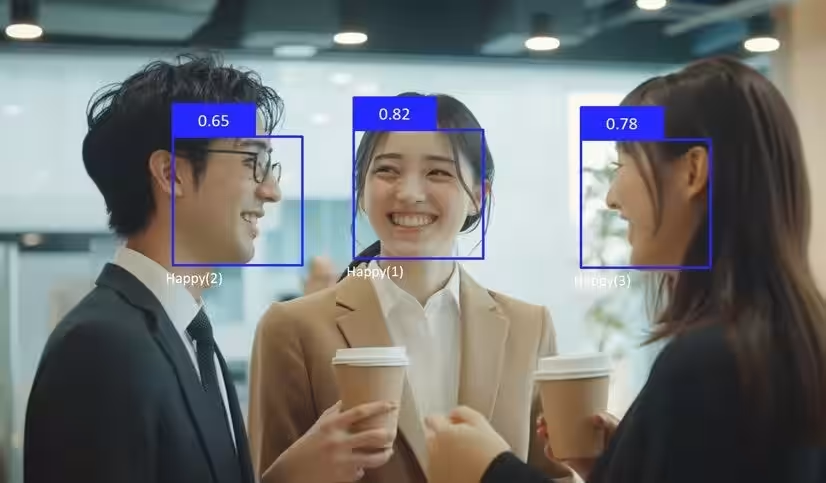
As a symbol of positive emotional expression, Okamotoya defined smiles as proxies for well-being, using web cameras to measure and count smiles within the office to visualize atmosphere vitality and well-being status. This effort sought to clarify how the quantity of smiles impacts health and productivity in office environments.
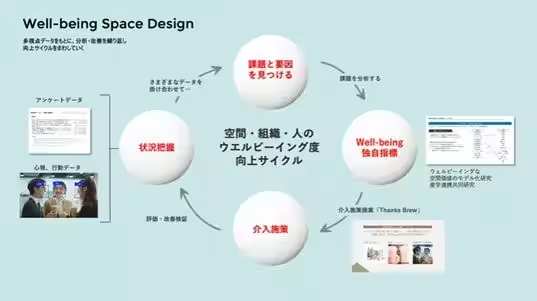
In this context, the company initiated a project to create a well-being office environment focusing on three core elements: (1) Physical - smiles, (2) Mental - gratitude, and (3) Social - connections, establishing a concept titled 'Thanks Brew - Brewing Gratitude' that promotes interactivity and positive cycles among these elements. Through this initiative, Okamotoya aims to further develop new services and content that leverage office spaces as vital management resources.
Roles of Each Company Involved
- - Okamotoya: Functioned as the main organizer of the event, providing a total office solution as a live office experiment.
- - Koozyt: Supplied sensing technology for facial expression measurement based on AI data analysis and well-being insights.
- - Maison Technology: Supported the proposal and analysis for the well-being space initiative.
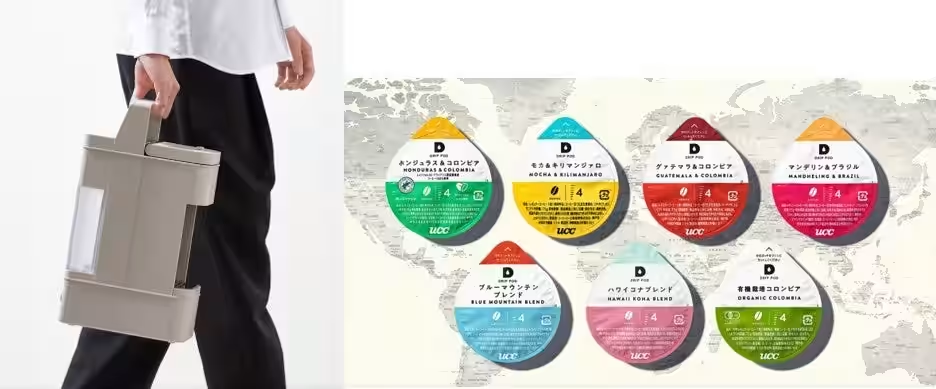
- - UCC: Provided their drip coffee system during the event.
Experiment Details
Well-being x Sensory Project: First Phase - Thanks Brew
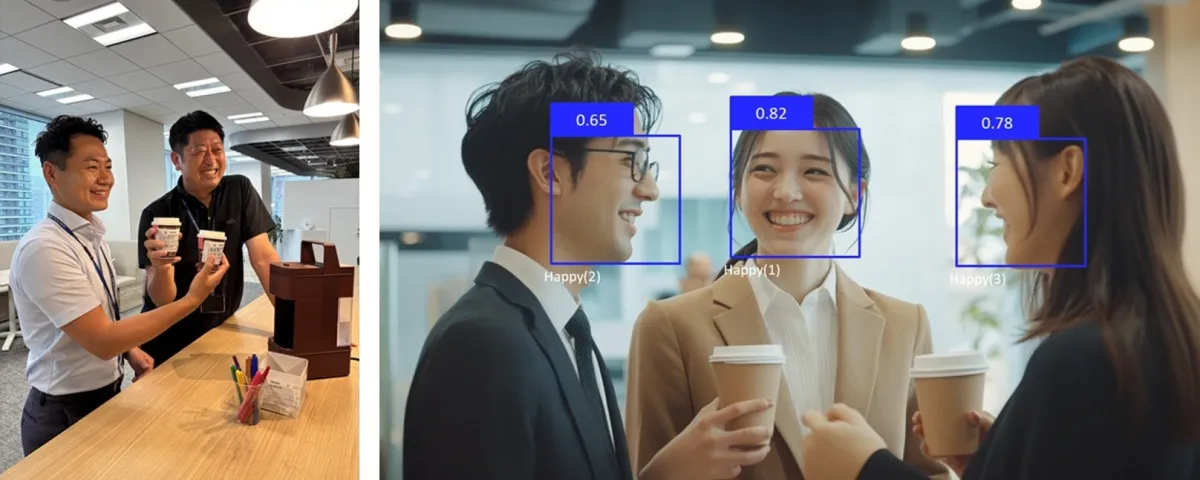
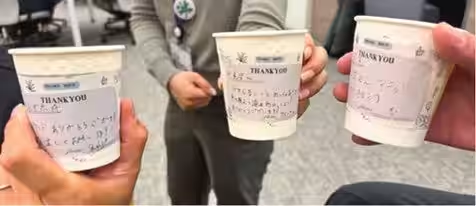
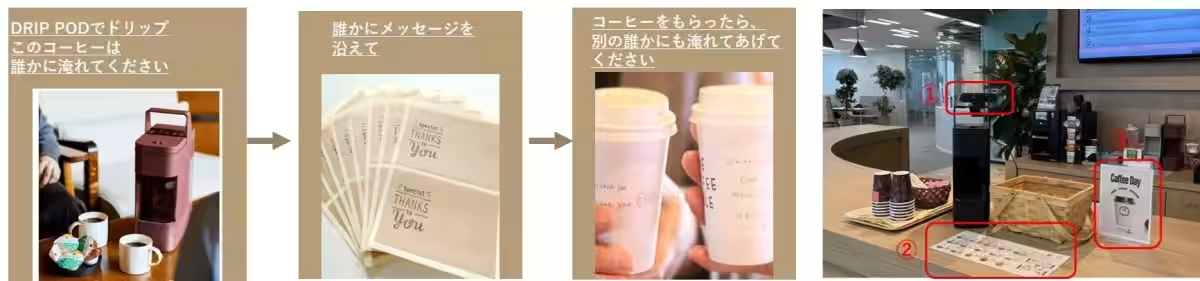
The waiting time for coffee drip, averaging around 40 seconds, is said to boost conversation rates. Many companies implement café systems in their offices to stimulate communication. During this initiative, coffee dripping was framed as a means to express gratitude through one cup brewed for someone else, not just for oneself. Employees had designated periods to enjoy one complimentary cup of coffee or tea a day and could create and deliver a gratitude-embedded beverage to someone special.
The concept is to enhance interaction and foster chains of smiles and gratitude, using sensory experiences as an intervention strategy in the work environment. The exploitation of familiar tastes and smells aimed to generate connections among coworkers.
Objectives and Hypotheses
The event aims to explore the potential for enhancing office well-being via key aspects of 'smiles', 'gratitude', and 'connections'.
Duration and Structure
- - Event Duration: May 19 – June 13, 2025
- - Pre-event Phase: May 19 - 1 week
- - Event Phase: May 26 - 2 weeks (Thanks Brew initiative)
- - Post-event Phase: June 9 - 1 week
Evaluation Methods
Quality assessments were carried out through smile and expression measurement cameras installed in the event space. Post-event surveys gathered 113 anonymous responses from participants. Insights into changes in feelings, awareness of gratitude and connections, and smile frequency were documented, revealing statistical significance in the upliftment of well-being perceptions.
Results of the Experiment
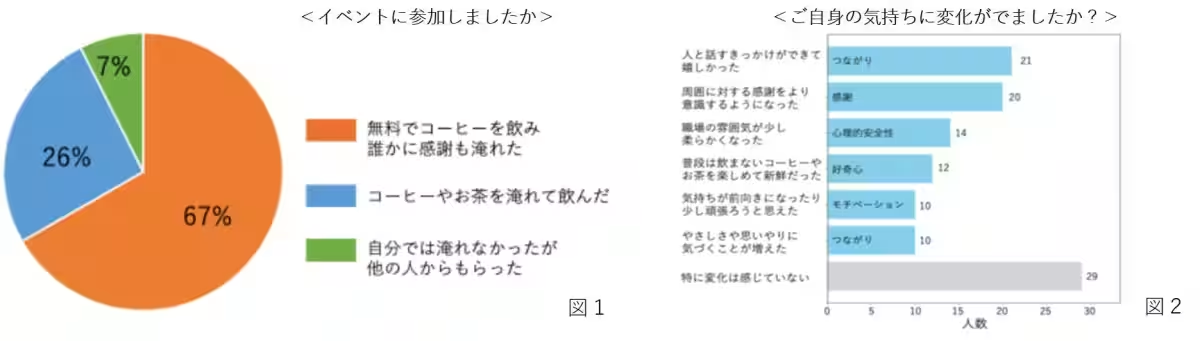
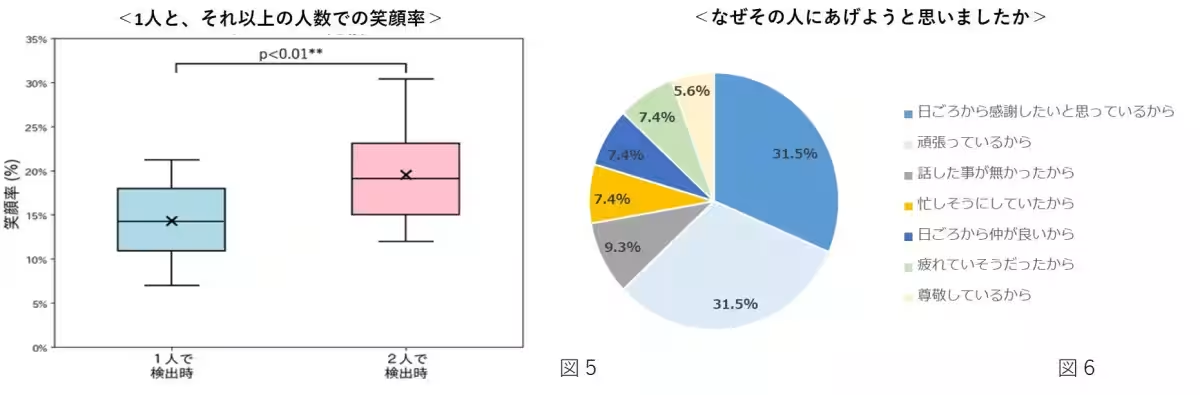
Among the 54 participants, a remarkable 67% engaged in expressing gratitude during the event. Responses indicated enhanced emotional awareness related to connections and gratitude, showcasing improvements in workplace safety networks and motivation. The count of smiles significantly increased during the event, and engagement levels reflected sustained positivity even after its conclusion. Inconsistent patterns of gratitude consciousness were statistically evident before and after, indicating the initiative's successful penetration of mental well-being.
Future Directions
The undertaking revealed the necessity for soft measures coupled with physical space design to cultivate vibrant workplaces. This experiment serves as a constructive example of developing well-being initiatives and expanding the notion of office spaces beyond traditional boundaries. Future iterations will continue to explore various avenues for enhancing well-being and productive engagement through sensory experiences.




Topics People & Culture)

【About Using Articles】
You can freely use the title and article content by linking to the page where the article is posted.
※ Images cannot be used.
【About Links】
Links are free to use.