



Ranking the Most Coveted Areas in the Tokyo Metropolitan Area: What Makes Them Unique?
Understanding the Rare Locations in the Tokyo Metropolitan Area
In a recent survey conducted by Takamatsu House, a real estate company based in Shibuya, Tokyo, the spotlight has been cast on the most coveted real estate areas in the Tokyo metropolitan area, emphasizing the value of rarity in residential choices. This survey engaged over 1,000 residents aged 20 to 50 living in the Tokyo, Kanagawa, Saitama, and Chiba areas, aiming to uncover the preferences and perceptions related to 'rare locations' or "マレリッチ" (Maleritchi).
The Rise of Rarity Value
As economic challenges such as inflation rise, the financial mindset of consumers becomes more stringent. Interestingly, a portion of consumers now prioritizes not just affordability but also the uniqueness of what they purchase. This shift brings forth the psychological desire to invest in something rare, especially when it comes to choosing a living environment. What, then, are the key attributes that make an area highly sought-after?
Defining rarity, the survey highlighted four essential features that contribute to a location being categorized as 'rare': accessibility, living environment, neighborhood individuality, and potential for future asset value.
High-Income Households Value Unique Experiences
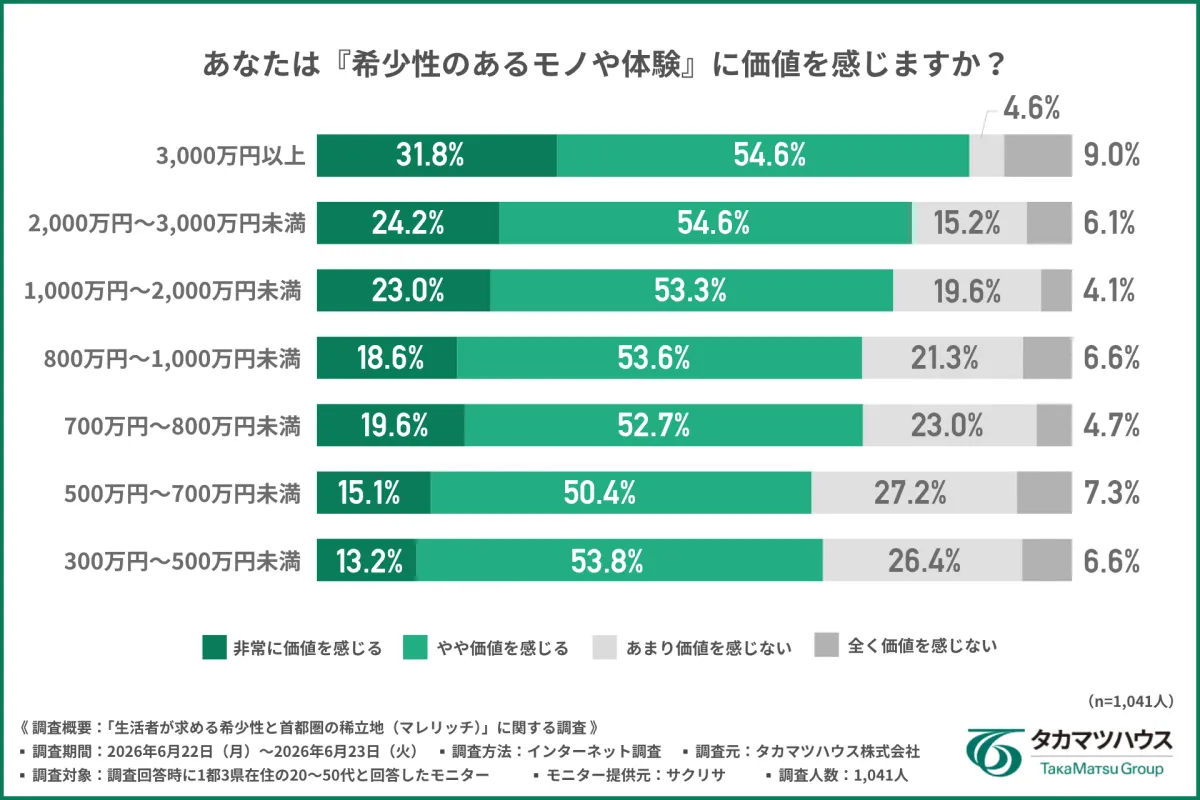
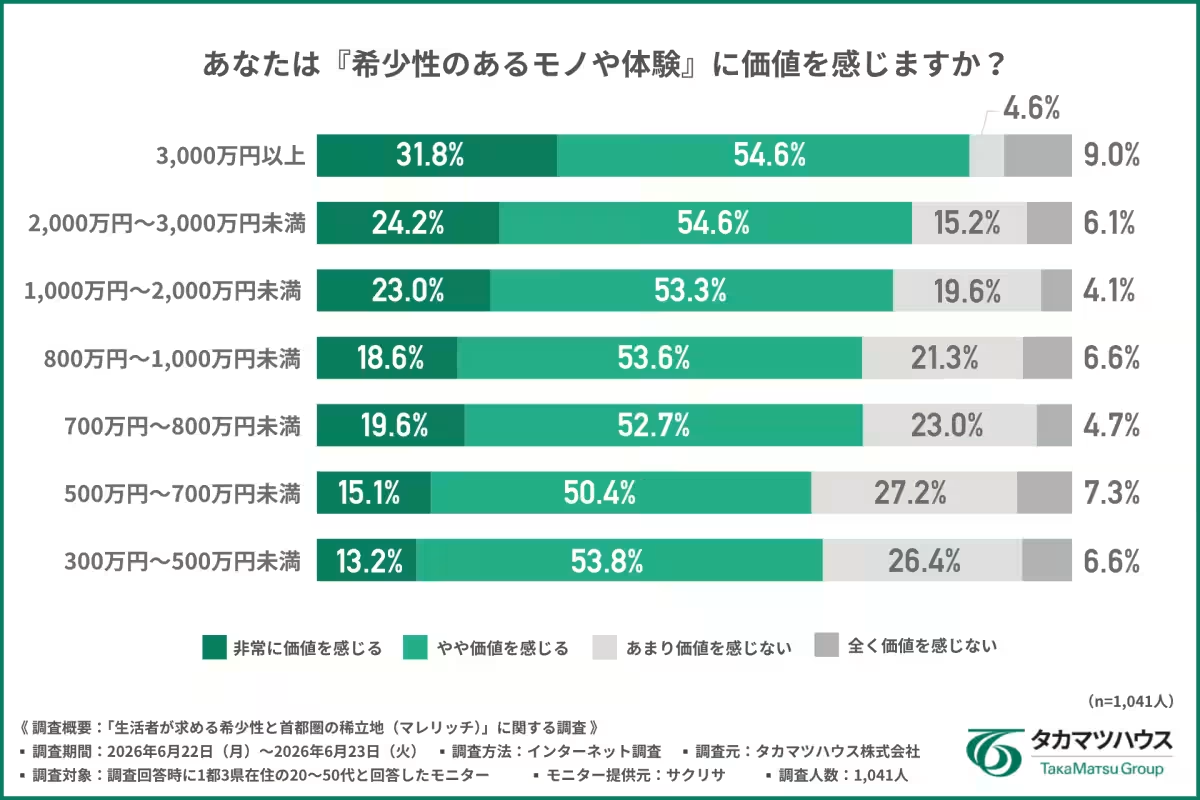
The survey further explored how people perceive the value of 'rare items and experiences.' Notably, respondents with household incomes between 10 million and 20 million yen exhibited a significantly higher appreciation for the uniqueness of items and experiences, compared to those earning less than 7 million yen.
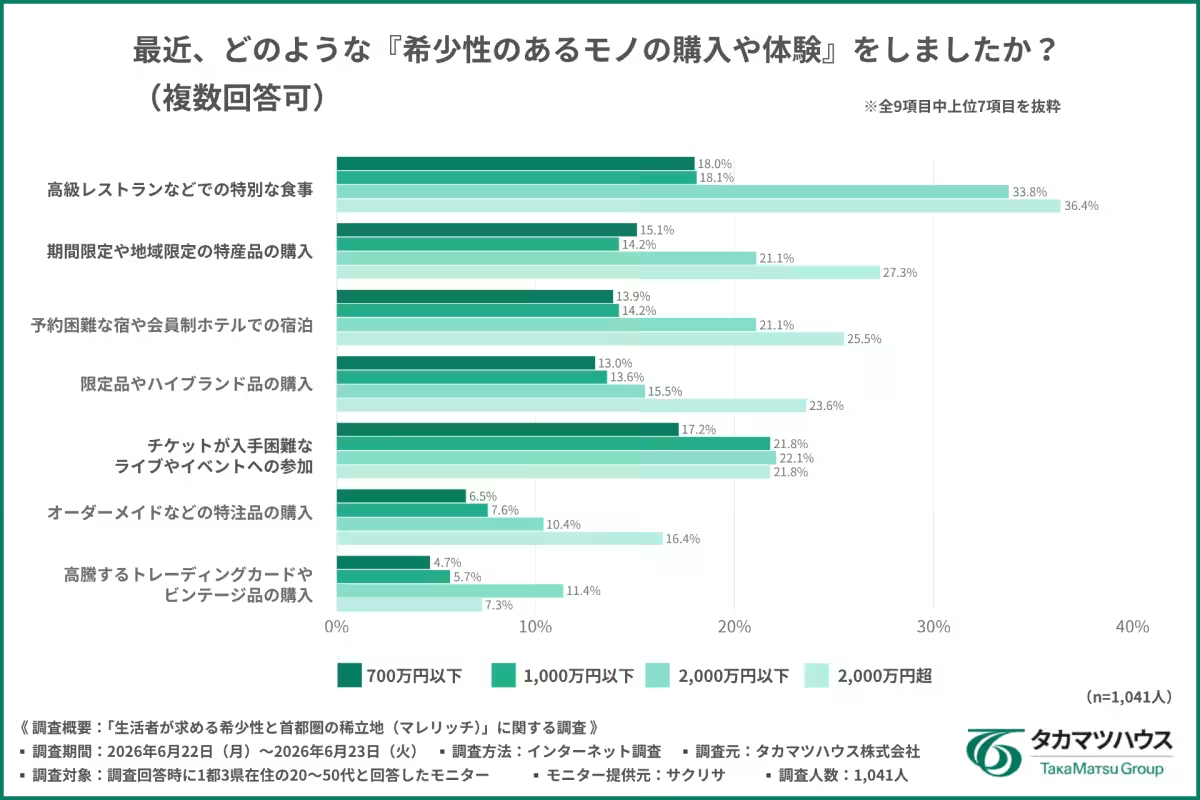
When asked about recent unique purchases or experiences, high-income respondents frequently mentioned fine dining at exclusive restaurants and the acquisition of limited-edition luxury goods. This trend indicates that as incomes rise, so does the likelihood of investing in rare experiences and products.
Conversely, experiences like attending concerts showed similar interest across income brackets, suggesting that not all unique experiences are limited by financial means. Purchases like trading cards and vintage collectibles were more prevalent among those earning below 20 million yen.
Emotional Impact of Rare Experiences
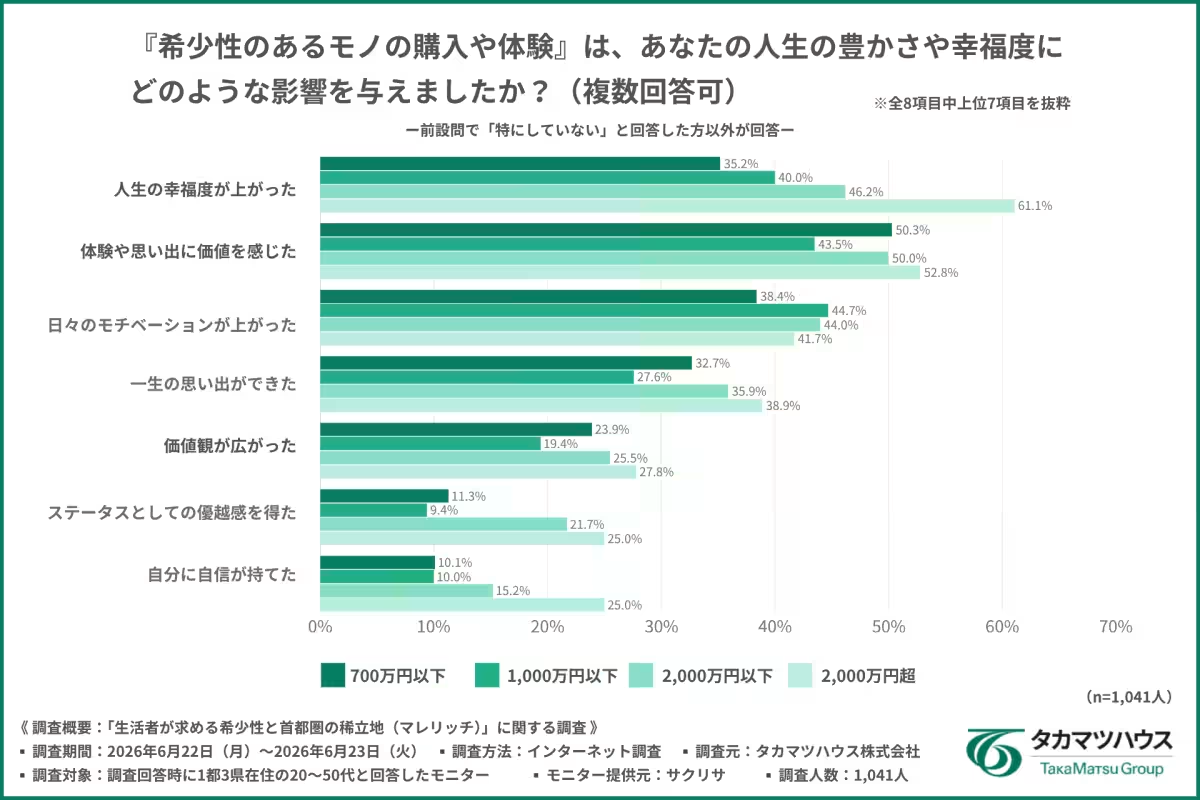
To delve deeper into the emotional impact of these unique experiences, the survey sought to understand how they influence respondents’ perceptions of richness and happiness in life. Many confirmed that such rare experiences added significant value to their memories, with higher income brackets expressing stronger sentiments about the enhancement of happiness and self-esteem associated with these rare experiences.
Location Preferences: Port Area Dominance
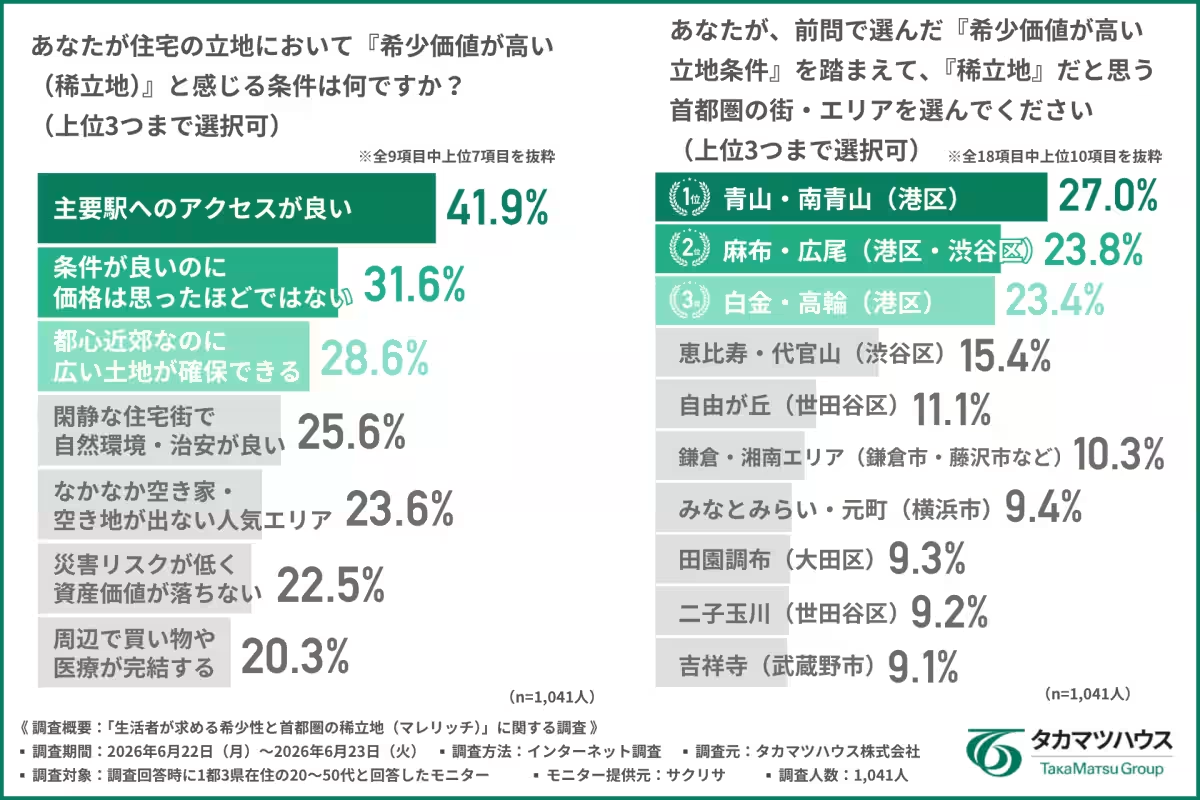
Focusing on residential location selections, what qualities do individuals associate with rarity? Respondents identified 'proximity to major train stations' as the most crucial attribute, with 41.9% indicating its importance. Following closely were conditions such as 'good facilities at reasonable prices' and 'spacious land available near urban centers.'
Level of importance was evident, with nearly 40% emphasizing the convenience of access, highlighting how crucial practical benefits are when determining rare locations. Port areas like Aoyama and Minami-Aoyama in Minato Ward were identified as leading regions in terms of high demand, signifying their top status as rare locations that combine access, status, and environment.
Expectations from Rare Locations
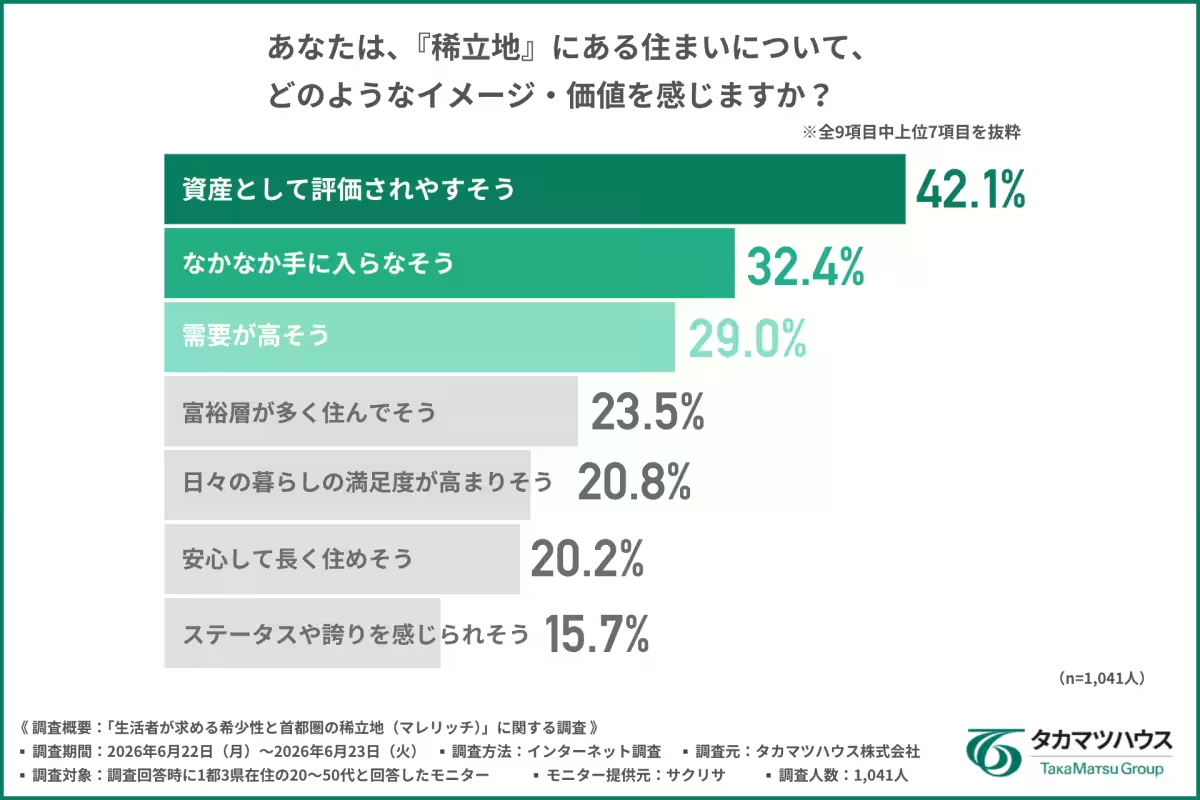
In terms of future expectations, respondents viewed homes in rare locations as likely to maintain their asset value over time. They also indicated that such properties are hard to acquire and inherently popular, aligning rarity with financial prospects and status.
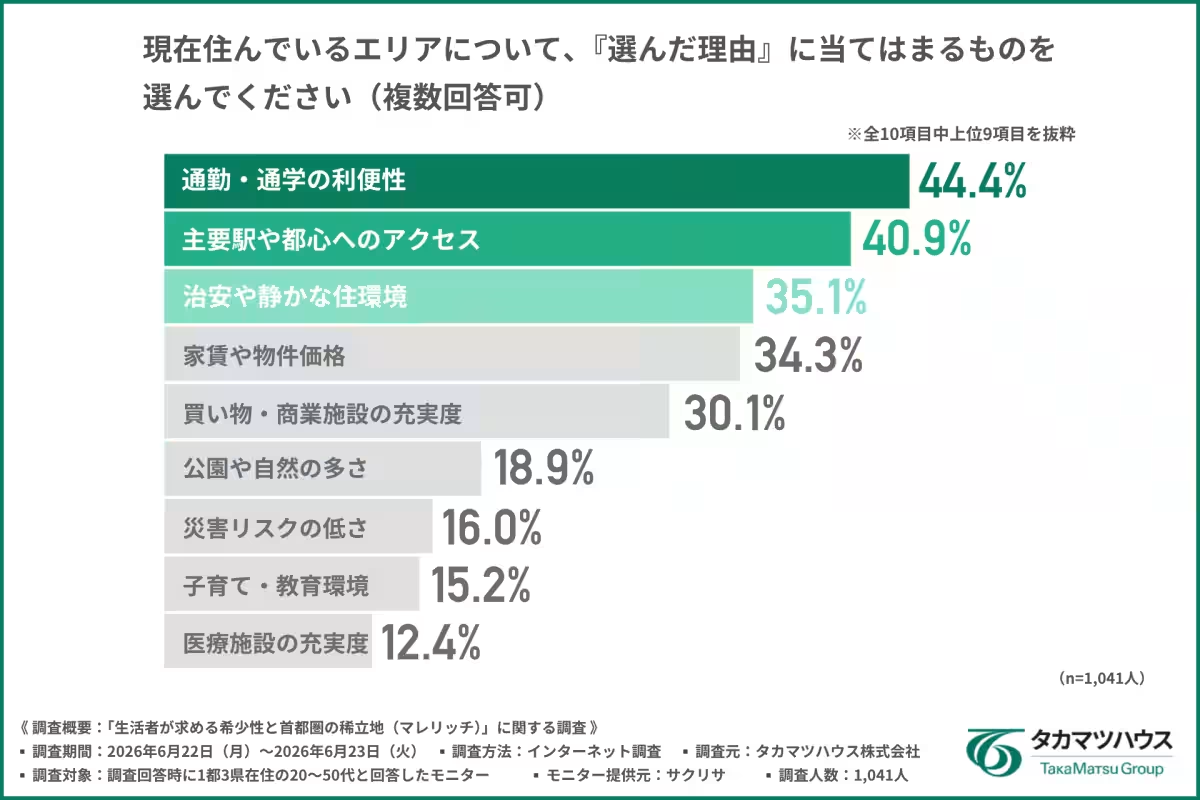
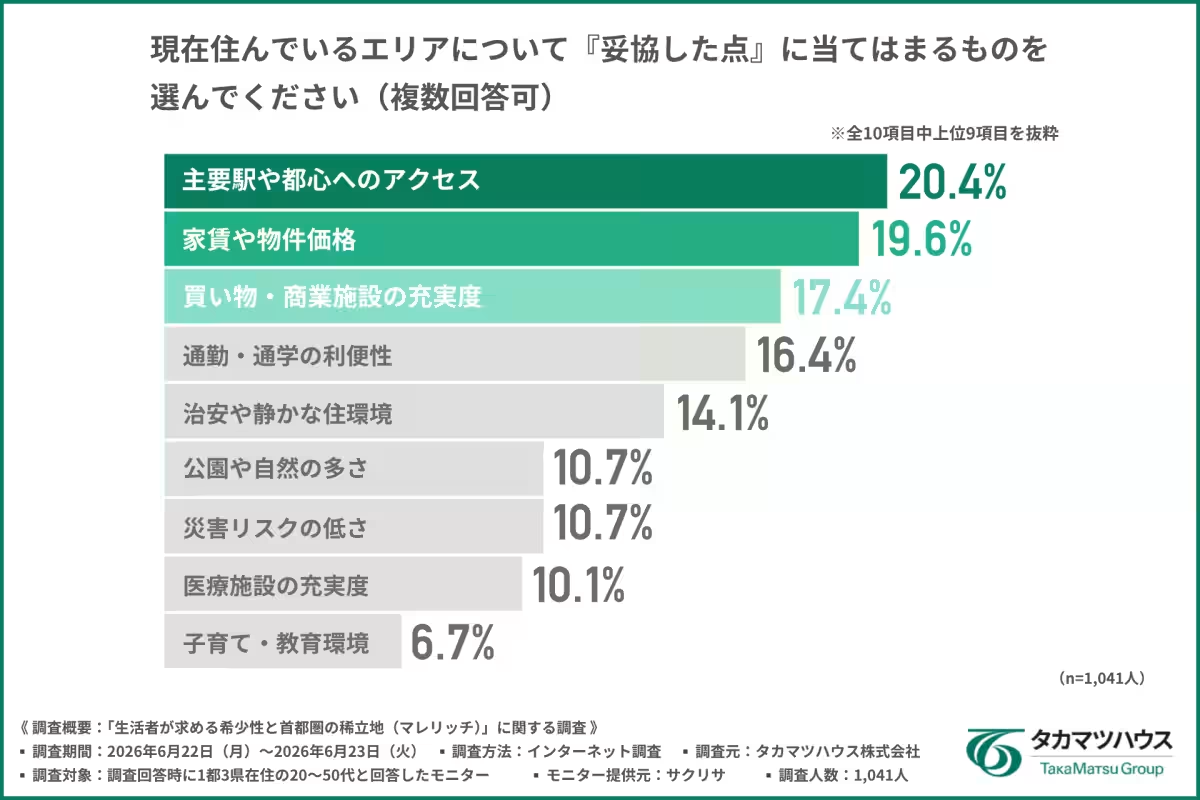
Looking at practical aspects, when questioned about their current residences, most respondents cited 'commuting convenience' and 'access to major urban centers' as the pivotal reasons for their choices. Surprisingly, however, many reported having compromised on access when deciding on their current residence, suggesting a nuanced prioritization of needs versus desires.
The Drive for Home Purchases
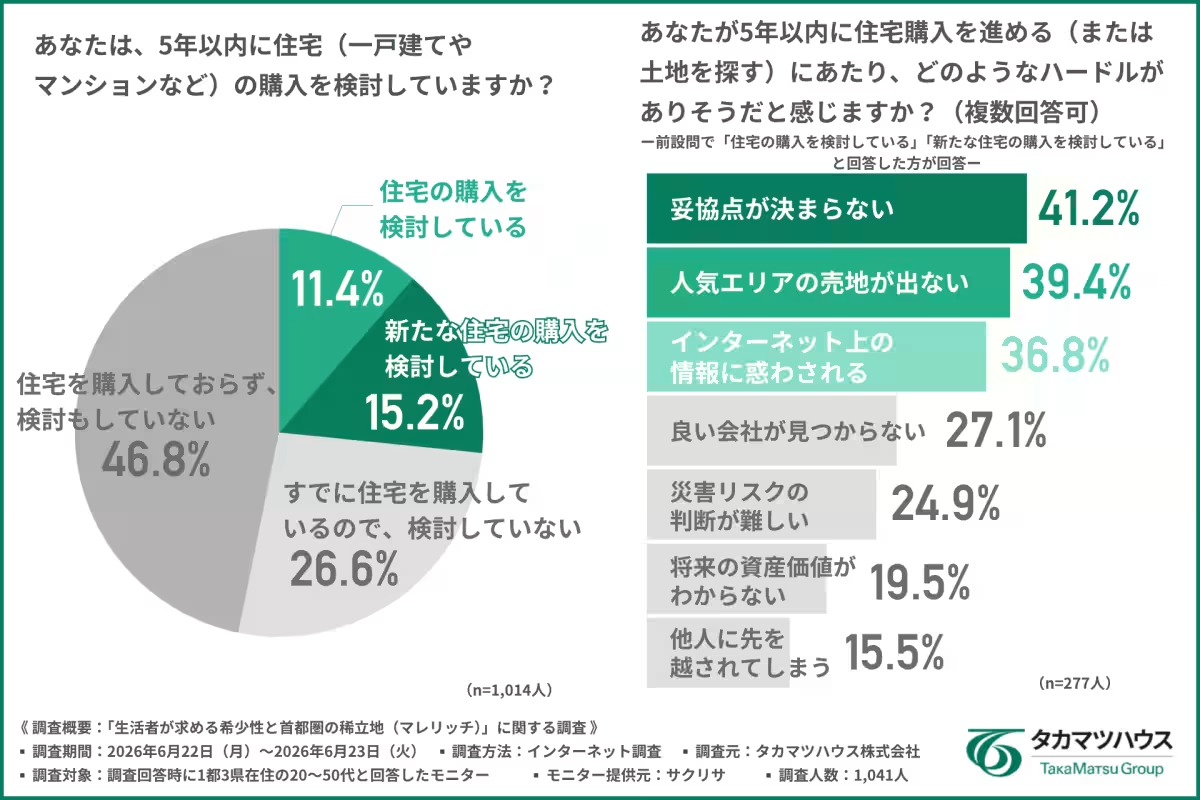
Approximately 30% of surveyed participants are considering purchasing a home within the next five years. This reflects a strong desire, especially among those seeking to upgrade or relocate. Yet, hurdles such as difficulties in finalizing compromise points, scarcity of properties in desirable areas, and overwhelming information online complicate the purchase process.
Conclusion: Toward a Better Understanding of Rare Locations
This investigation has shed light on consumer behaviors concerning real estate in Tokyo. With a clear pattern showing that higher income individuals are more inclined to gravitate towards unique experiences and offerings, it becomes evident that rarity plays a crucial role in decision-making, not only for purchases but for real estate choices as well.
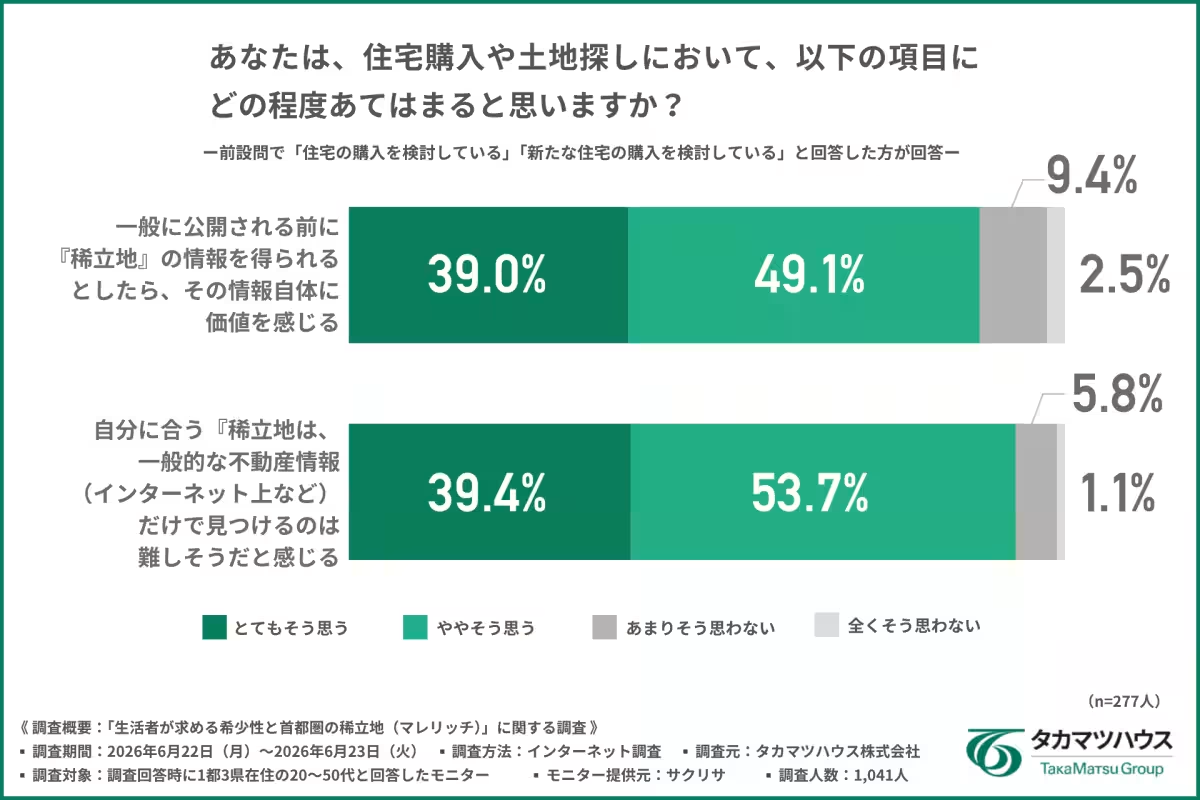
The findings also suggest that potential homeowners should seek effective means to acquire information about rare locations instead of relying solely on traditional online avenues. Establishing relationships with knowledgeable partners may provide the edge needed in mastering the competitive landscape of Tokyo's sought-after real estate.
For those tracking the development of real estate trends in urban settings, Takamatsu House stands ready to guide potential homeowners through their intricate journey towards achieving their dream of residing in rare, strategically-coveted locales.

Topics Consumer Products & Retail)







【About Using Articles】
You can freely use the title and article content by linking to the page where the article is posted.
※ Images cannot be used.
【About Links】
Links are free to use.