




The Changing Perception of Appearance Care: Insights from a National Survey on Grooming Habits
The Changing Perception of Appearance Care
In recent years, the proliferation of social media and online communication has diversified how individuals express themselves and perceive others. A new survey conducted by For-it Co., Ltd., which operates the affiliate platform AFB, has revealed insights into the grooming habits of Japanese men and women aged 20 to 60. The results indicate a significant disparity in appearance care practices, with findings suggesting that trends in personal grooming are increasingly influenced by age, gender, and economic status.
Survey Overview
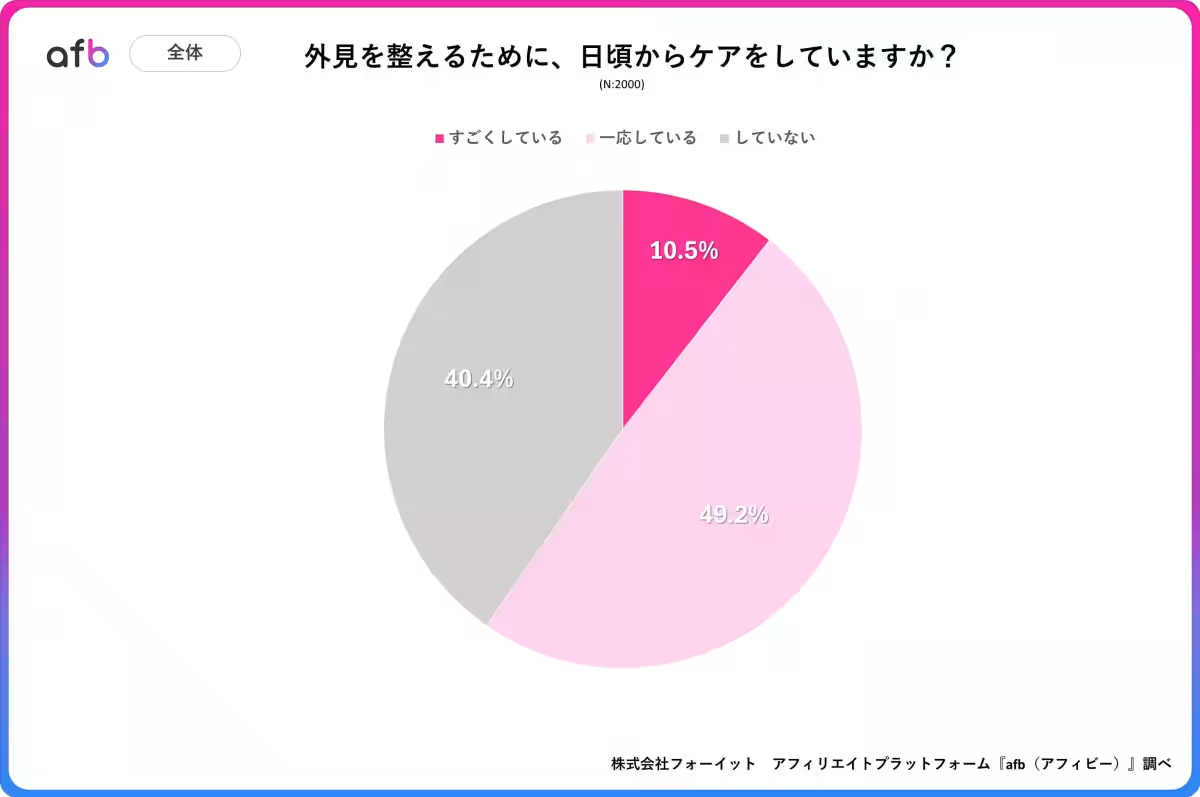
The survey, conducted on November 18, 2025, included responses from a diverse group of 2,000 individuals across Japan. Participants were prompted with the question, "Do you regularly care for your appearance?" The results were telling:
1. Highly proactive in grooming: 10.5%
2. Moderately engaged in grooming: 49.2%
3. Not engaged in grooming: 40.4%
It appears that a large segment of the population—almost half—merely maintains a minimum level of grooming without extensive engagement. The significance of appearance is widely acknowledged, yet many individuals do not invest the time, resources, or ongoing commitment necessary for comprehensive grooming routines. Alarmingly, over 40% of respondents reported no regular grooming activities, indicating a perception among certain demographics that appearance care is neither essential nor prioritized.
Age-Related Trends in Grooming
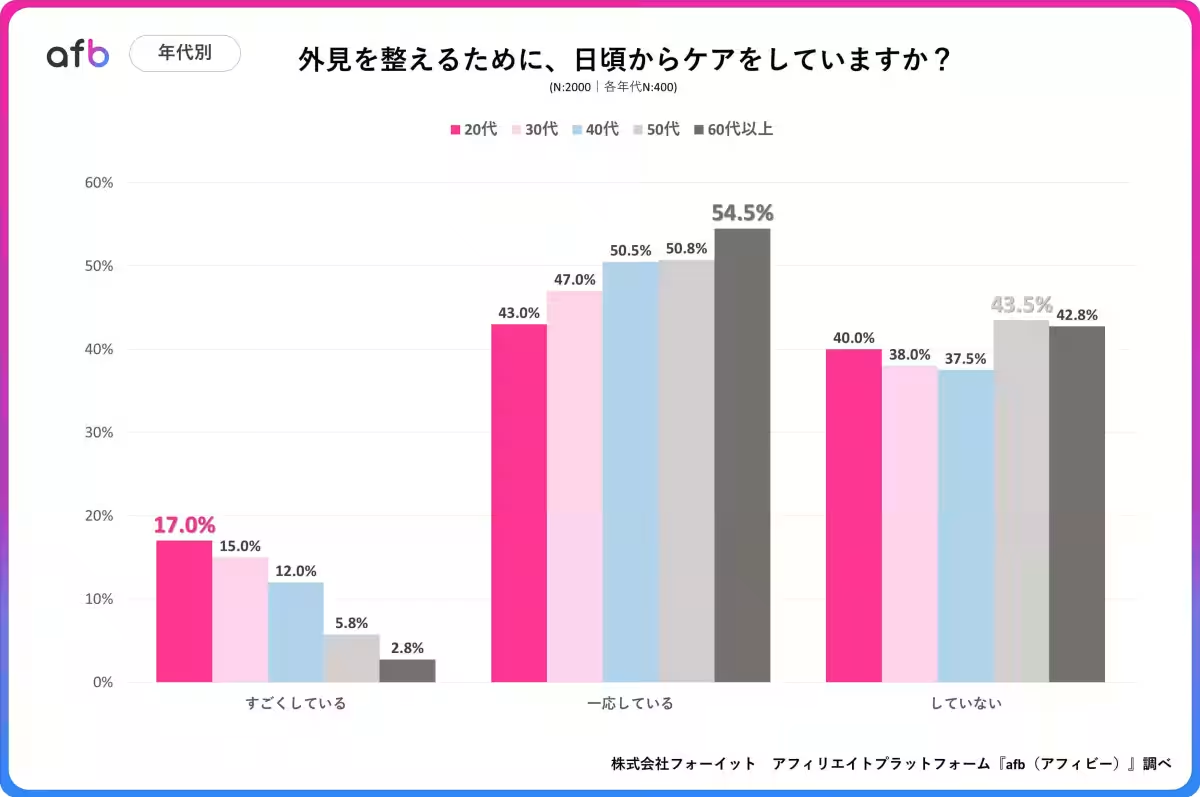
When examining the results by age group, it becomes evident that younger respondents, particularly those in their 20s, exhibit a greater commitment to grooming. The percentage of those who reported being highly proactive is notably higher (17.0%) in this group, diminishing to just 2.8% among respondents aged 60 and above. Conversely, the data shows that engagement in moderate grooming practices increases with age, peaking at 54.5% for individuals aged 60 and up.
Younger individuals are often more aware that their appearance can impact self-expression and social evaluation, particularly in the realm of social media. As people age, however, they may prioritize maintaining minimal grooming standards, reflecting a shift in motivation and perceived necessity as life responsibilities increase, including jobs and family obligations.
Gender Disparities in Grooming Behavior
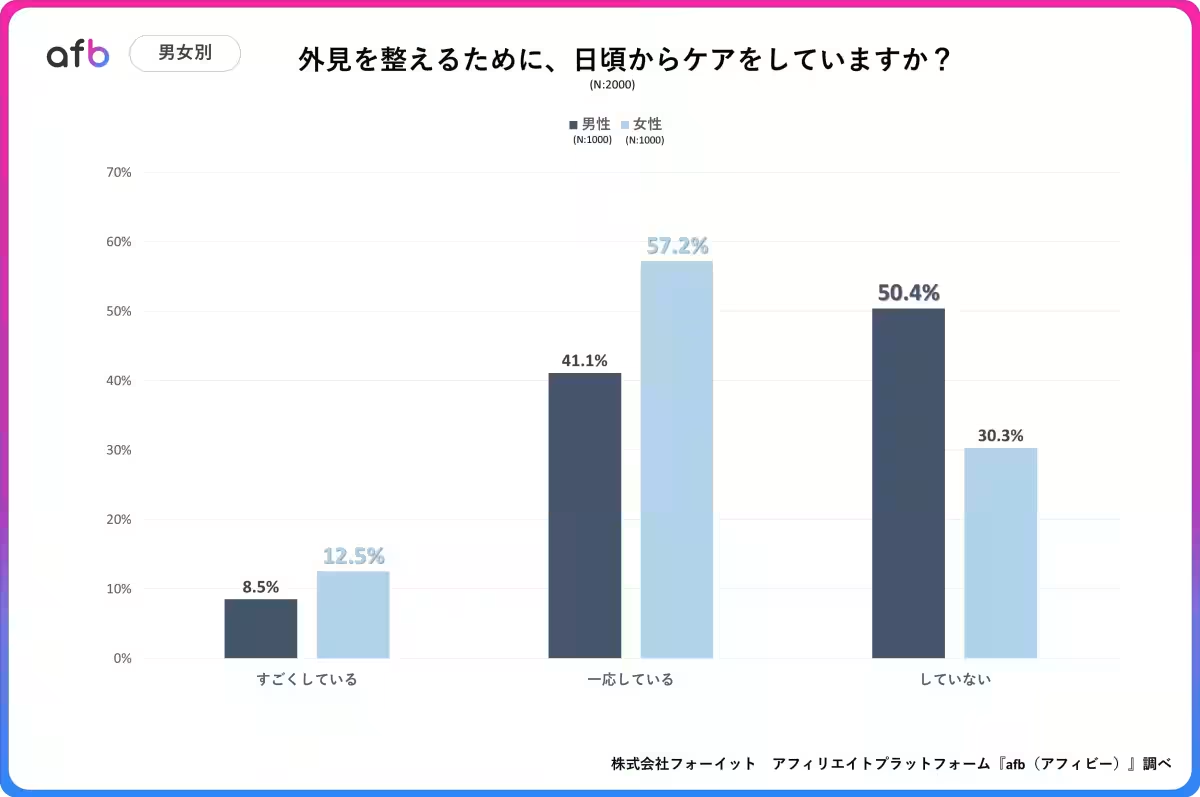
Analysis of responses by gender reveals significant differences in grooming practices. A stark 57.2% of women reported engaging in moderate grooming, while only 30.3% indicated that they do not care for their appearance at all. In contrast, over half of the male respondents (50.4%) reported a lack of grooming engagement, pointing to a significant gender gap in appearance care mentality. Traditionally, societal expectations have placed a heavier burden on women to maintain a certain level of grooming, regardless of age or social situation, leading to a consensus that informal daily grooming is the norm.
Interestingly, while only 8.5% of men claimed to be highly proactive, the difference compared to women (12.5%) is marginal, suggesting a slow but growing shift in beauty consciousness among men.
Economic Factors Influencing Grooming Habits
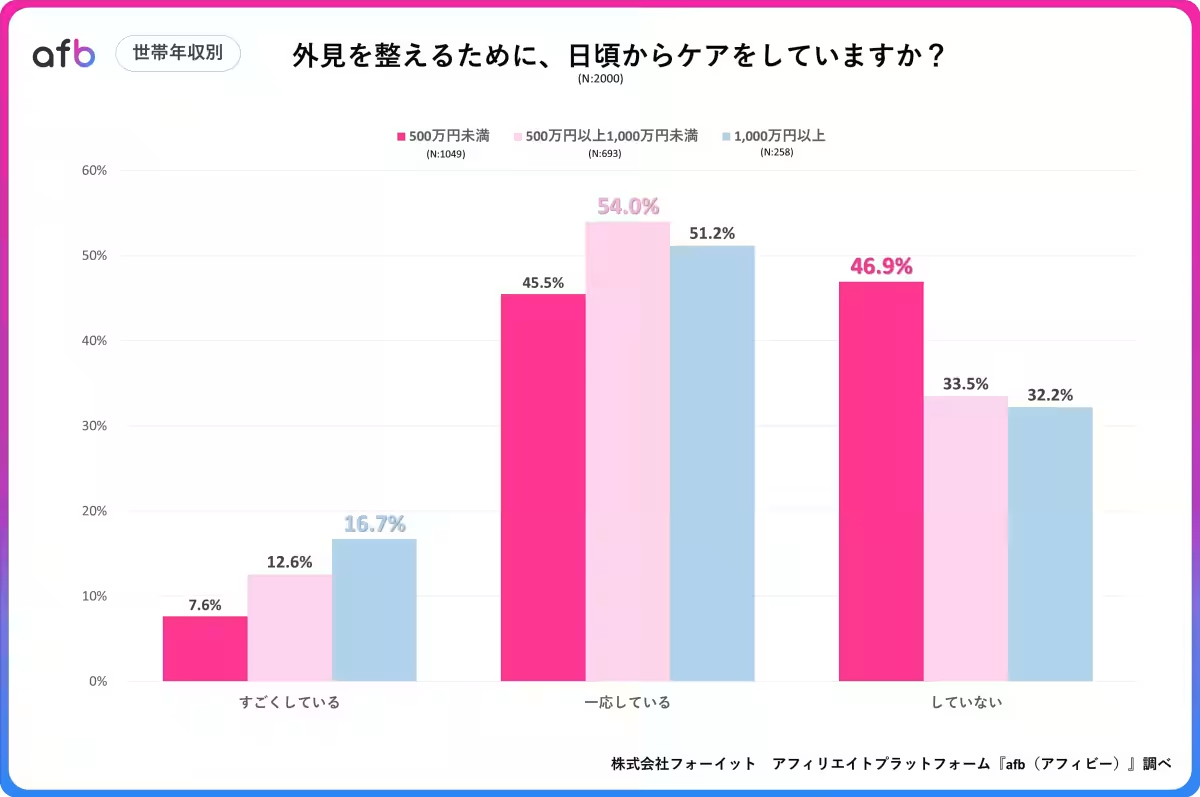
The survey also indicates a correlation between income levels and grooming practices, with higher income earners more likely to invest in their appearance. Approximately 16.7% of respondents earning over $100,000 annually identified as highly proactive in their grooming. The ability to engage in substantial grooming routines appears tied to economic freedom, which can afford both the time and resources necessary for such self-care. Higher earners often have more frequent interactions and responsibilities that may necessitate a focus on appearance as part of personal branding.
Conversely, in income groups earning below $50,000, the percentage of individuals not engaging in grooming was notably higher at 46.9%. This suggests that economic constraints can significantly impact individuals' abilities to prioritize grooming, further highlighting how appearance care behavior may be shaped more by environmental factors than personal preferences.
Conclusion
Ultimately, the act of caring for one’s appearance is frequently viewed as an extension of everyday etiquette and grooming. However, the degree of engagement varies significantly based on multiple factors, including age, gender, and economic status. This disparity underscores the importance of understanding the complexities surrounding grooming behaviors—not merely through the lens of personal choice, but as a reflection of broader societal influences and conditions.
As these findings suggest, many perceive grooming as a standard of personal care, yet its implementation can often be hindered by varied circumstances. A deeper understanding of these dynamics is essential as society continues to navigate the intricacies of appearance care amidst evolving cultural standards.
For more details on the survey, visit AFB and check their insights on grooming behaviors.


Topics Consumer Products & Retail)
【About Using Articles】
You can freely use the title and article content by linking to the page where the article is posted.
※ Images cannot be used.
【About Links】
Links are free to use.