



Analysis of the 2025 Survey on Management Awareness Among HR and Management Layers
Insights from the 2025 Survey on Management Awareness
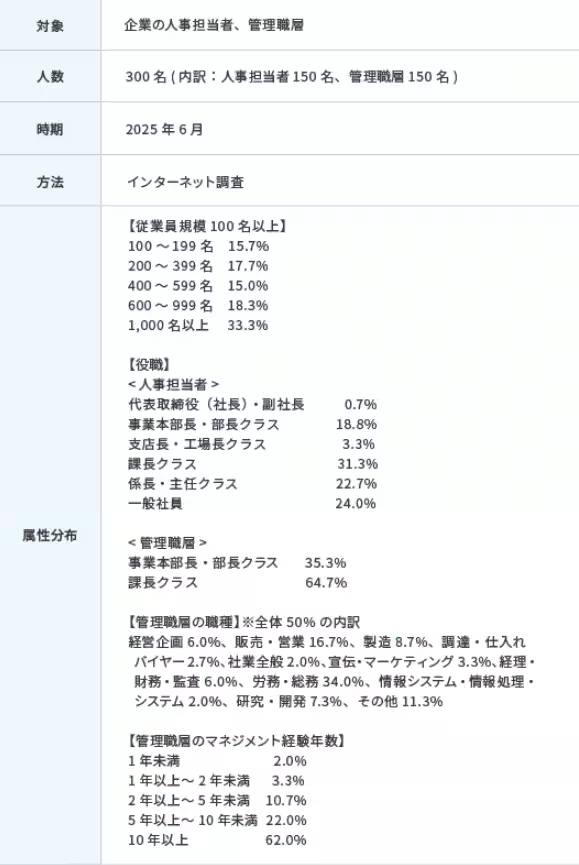
In a recent survey titled "2025 Management Awareness Survey Among HR and Management Layers" conducted by Recruit Management Solutions, key insights were drawn from a sample of 300 HR personnel and managers. The focus was on understanding the prevailing attitudes and challenges faced by management levels within organizations.
Key Survey Findings
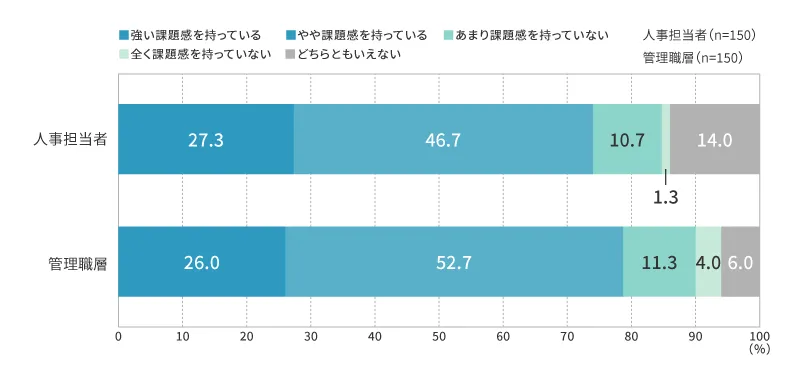
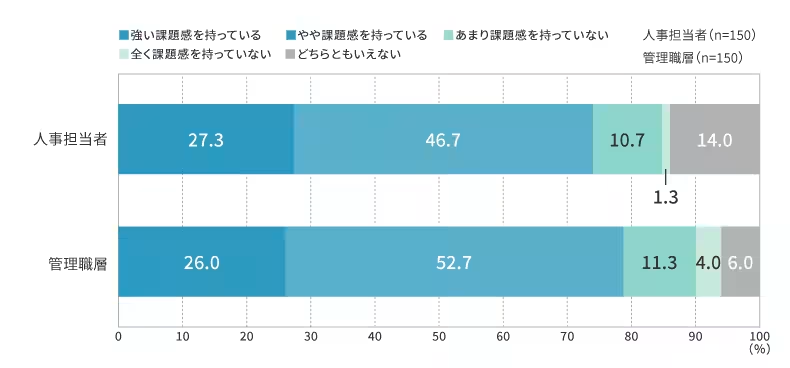
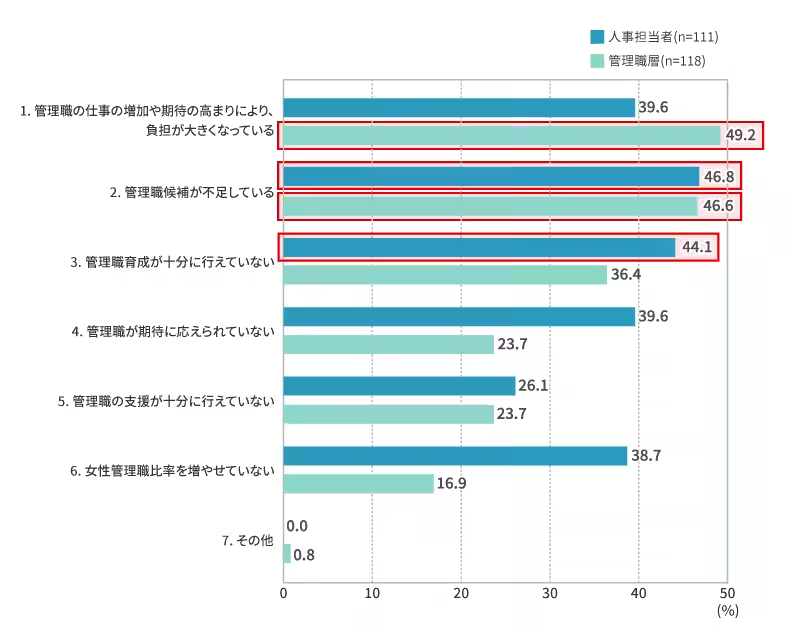
A significant finding revealed that more than 70% of both HR personnel and management acknowledged the presence of challenges related to management positions. The most pressing concern shared among both groups was the shortage of management candidates. While managers are also worried about increasing burdens, HR personnel expressed concerns regarding the inability of managers to meet expectations, as well as issues related to the development of managers and the ratio of female managers in leadership roles.
Focus on Member Development
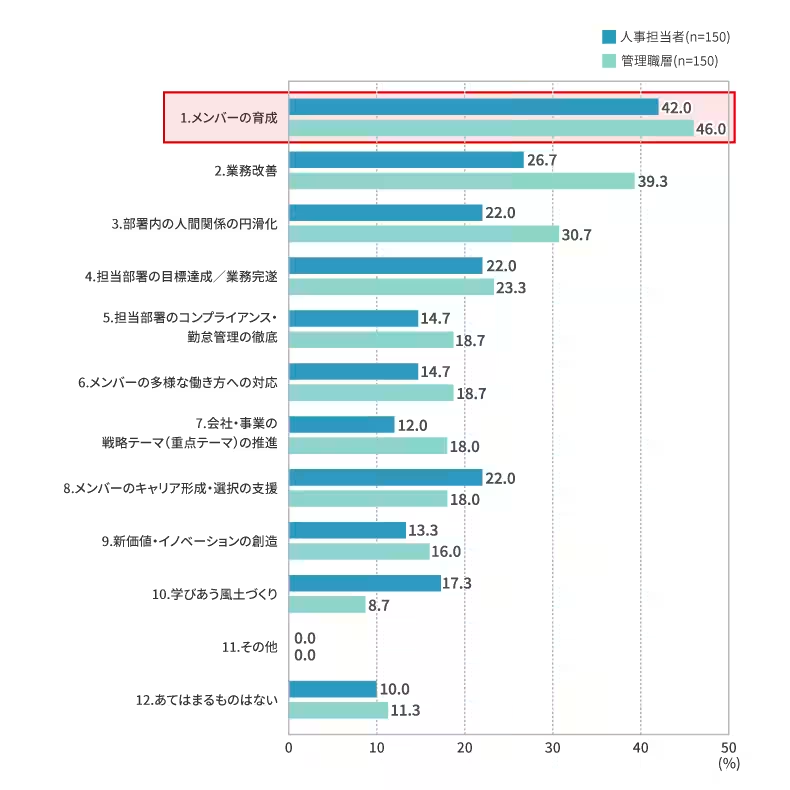
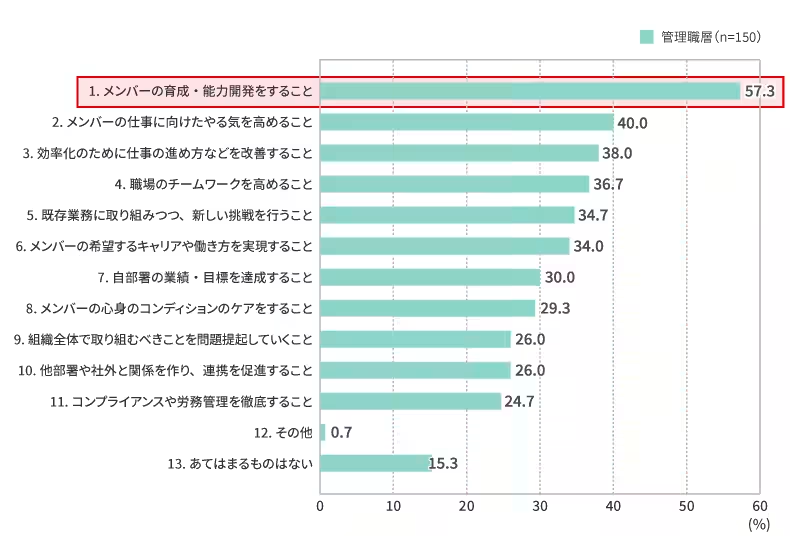
Both HR personnel and managers identified member development as the top priority for management roles. Interestingly, many managers find developing and nurturing talent to be one of their most challenging tasks. This highlights a disparity between what is expected from management and the realities they face in facilitating growth and development within their teams.
HR Support for Management
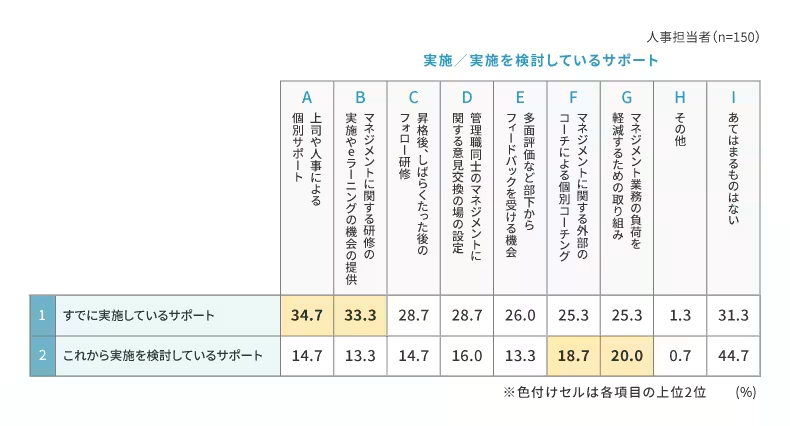
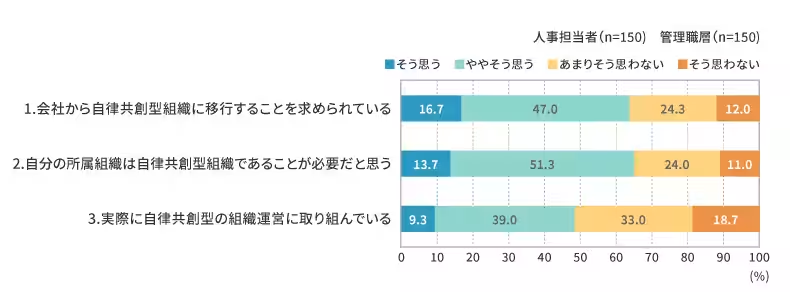
In terms of support initiatives that HR is considering for management, efforts aimed at reducing the burdens of management tasks were deemed essential by respondents. More than 60% of managers reported feeling pressure to transition their teams into a self-organizing structure, a model where teams are expected to think collaboratively and generate flexible value. Simultaneously, managers expressed the need to embrace this change, indicating both a desire and recognition of the necessity for evolution in their organizational practices.
Challenges in Transitioning to a Collaborative Organization
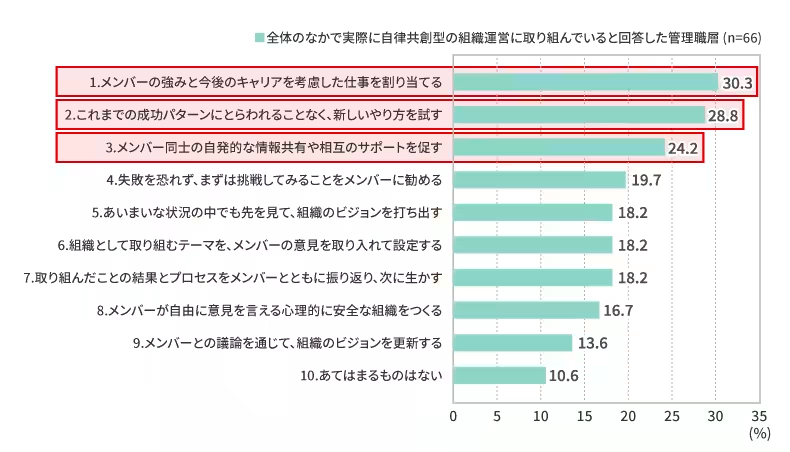
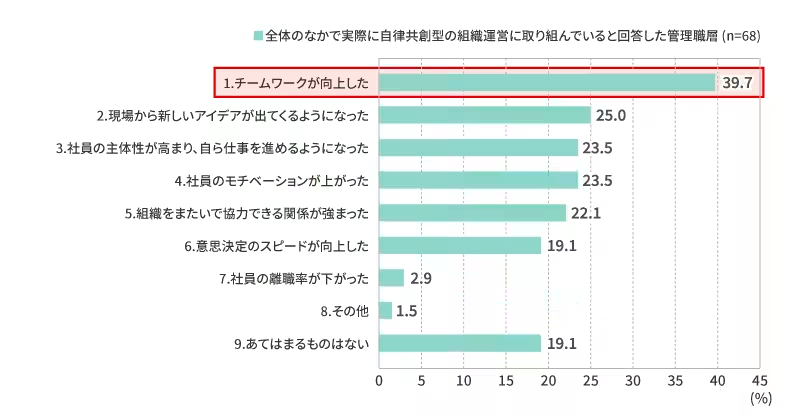
The survey revealed that the primary challenges managers face in shifting to a self-organizing structure include assigning work appropriately, embracing new methods of operation, and fostering spontaneous information sharing and mutual support among team members. Despite these challenges, a noteworthy outcome of this transition has been an improvement in teamwork, which emerged as the most significant benefit reported by respondents: an essential indicator of progress towards a collaborative organizational culture.
Current Management Trends
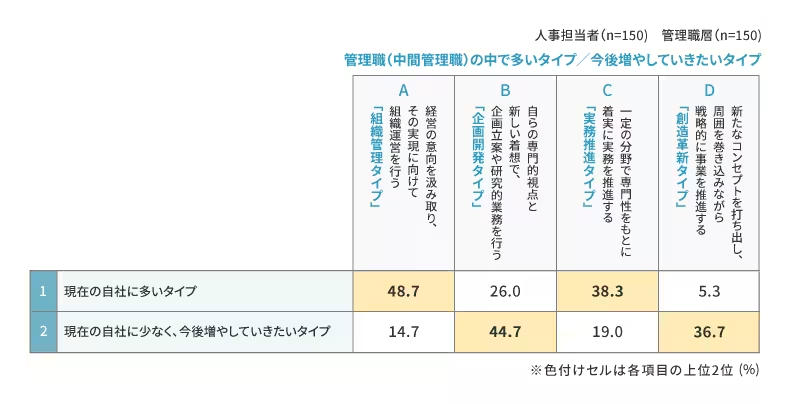
Currently, most managers align with being either organizational managers or practical promoters. However, there is an increasing demand for creative innovators among management roles. This shift underscores a trend where organizations aspire to cultivate leaders who not only manage efficiently but also drive innovation. Respondents indicated that while innovative leadership might not be highly present, they recognize its growing importance for future managerial competencies.
Future of Managerial Careers
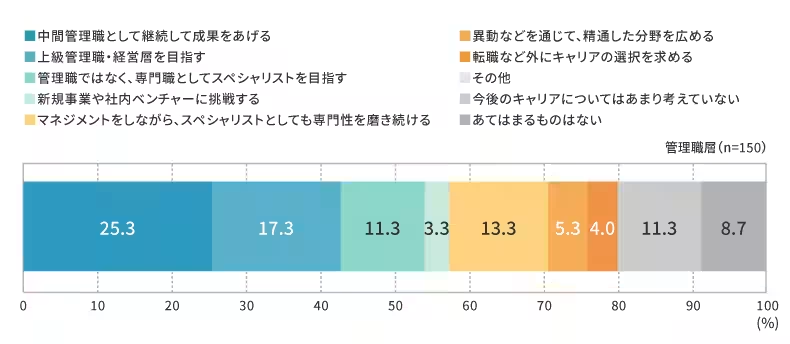
When questioned about their future careers, the majority of managers conveyed a commitment to continuing as middle managers while achieving results, with many also expressing a desire to hone their specializations alongside management responsibilities. The results indicated a systemic shift towards a dual career path, allowing managers to explore diverse capabilities while also potentially transitioning back to specialist roles.
Conclusion
This survey provides vital insights into the evolving landscape of management within organizations, particularly regarding HR expectations. As the workplace continues to evolve, understanding the challenges, aspirations, and required competencies of managers becomes critical. The insights gained from this study can facilitate better alignment between HR perspectives and those of management, fostering growth and development throughout organizational structures.
For detailed findings, visit the Recruit Management Solutions report.
Topics People & Culture)




【About Using Articles】
You can freely use the title and article content by linking to the page where the article is posted.
※ Images cannot be used.
【About Links】
Links are free to use.