


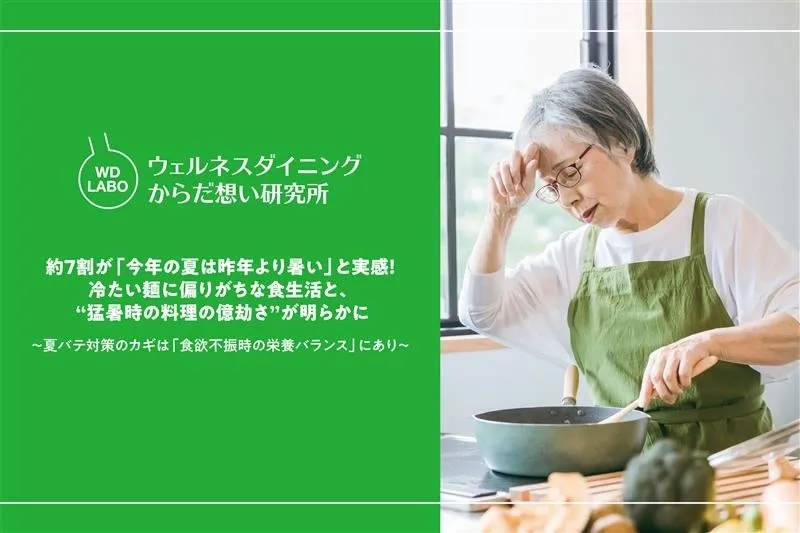
This Summer Is Hotter Than Last Year, Survey Reveals Dietary Shifts
Increased Perception of Summer Heat
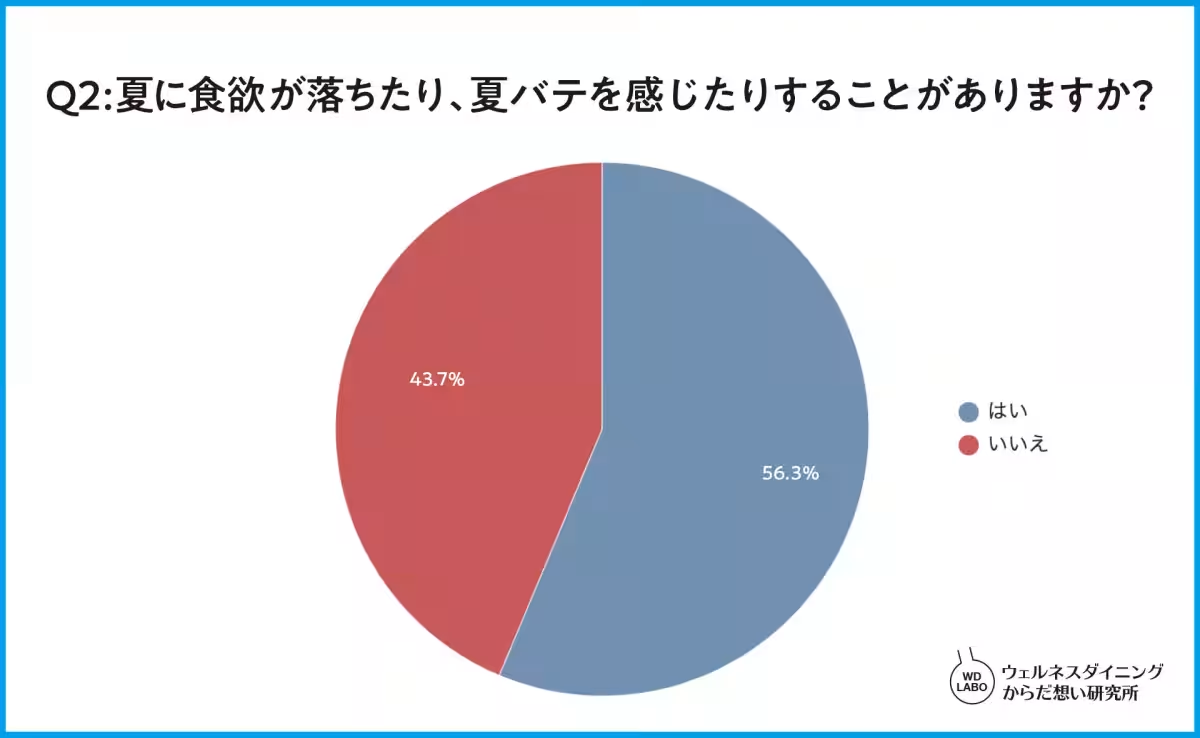
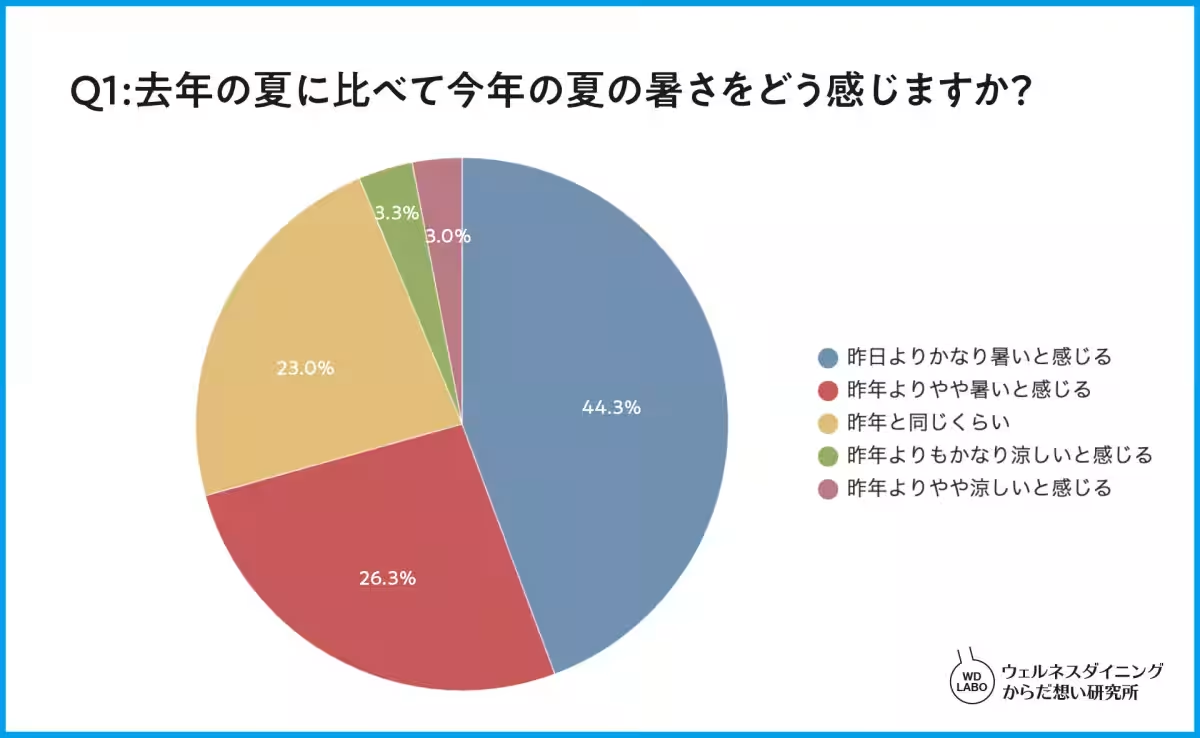
A recent survey conducted by Wellness Dining, Inc. has revealed some concerning trends regarding summer heat and dietary choices among individuals aged 20 to 50 in Japan. Approximately 70.7% of respondents reported this summer feeling hotter than last year, while 56.3% have already experienced symptoms of summer fatigue, such as lethargy and reduced appetite. This growing awareness of increasingly severe summer temperatures reflects a shift in how people perceive their health and diet during these months.
Survey Insights on Dietary Habits
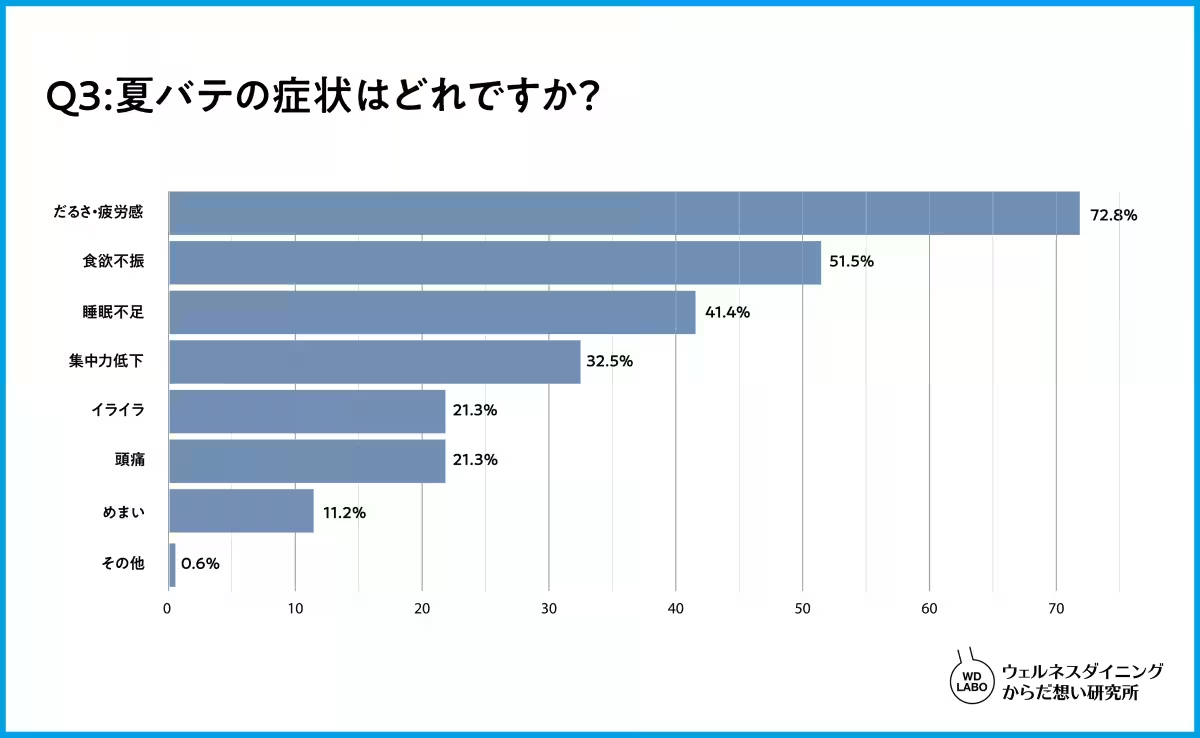
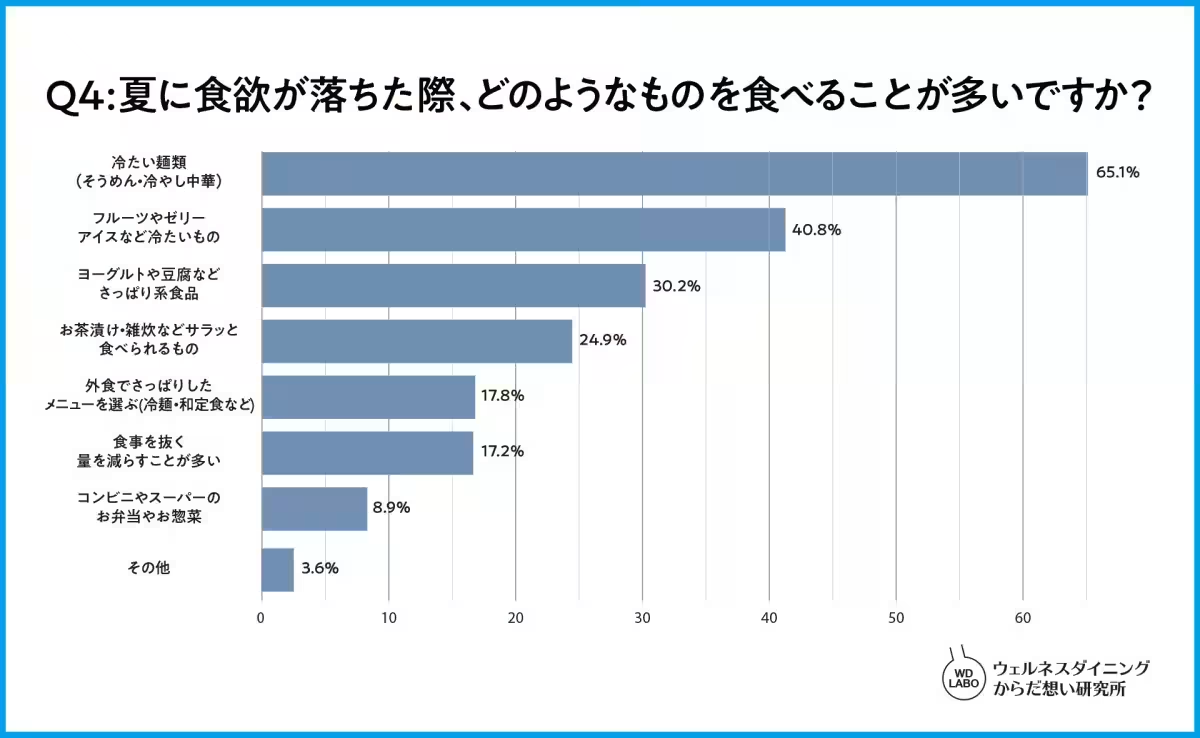
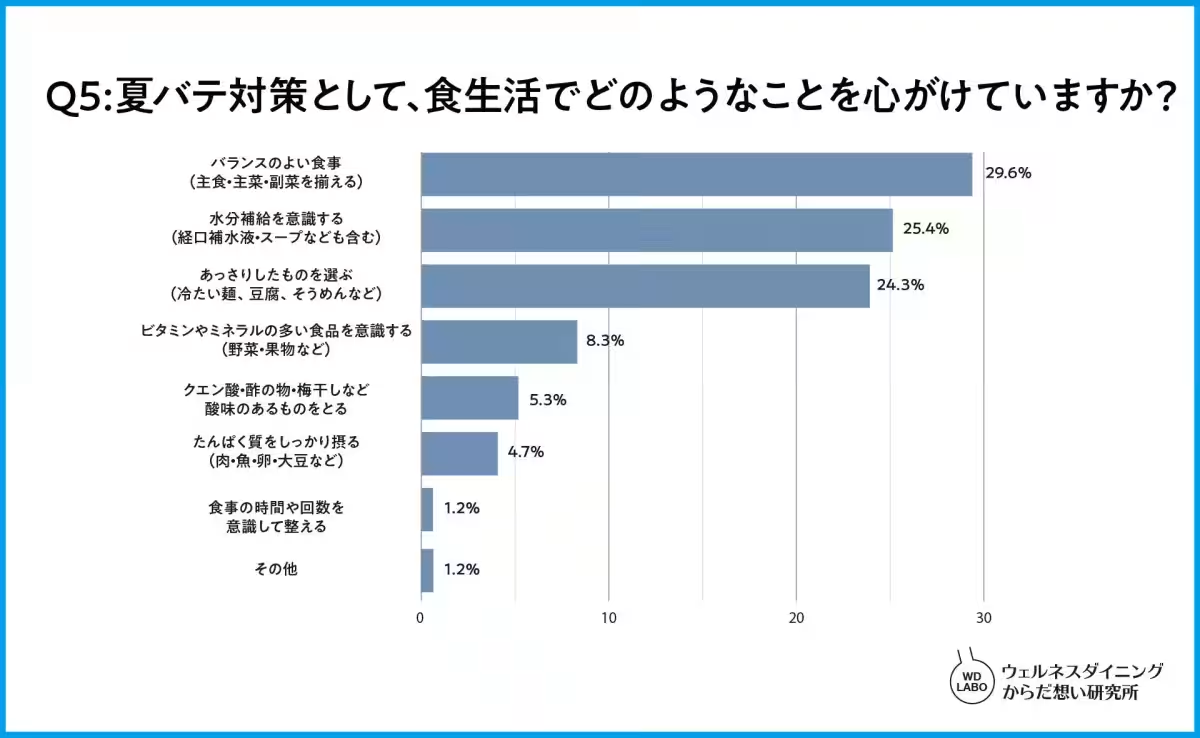
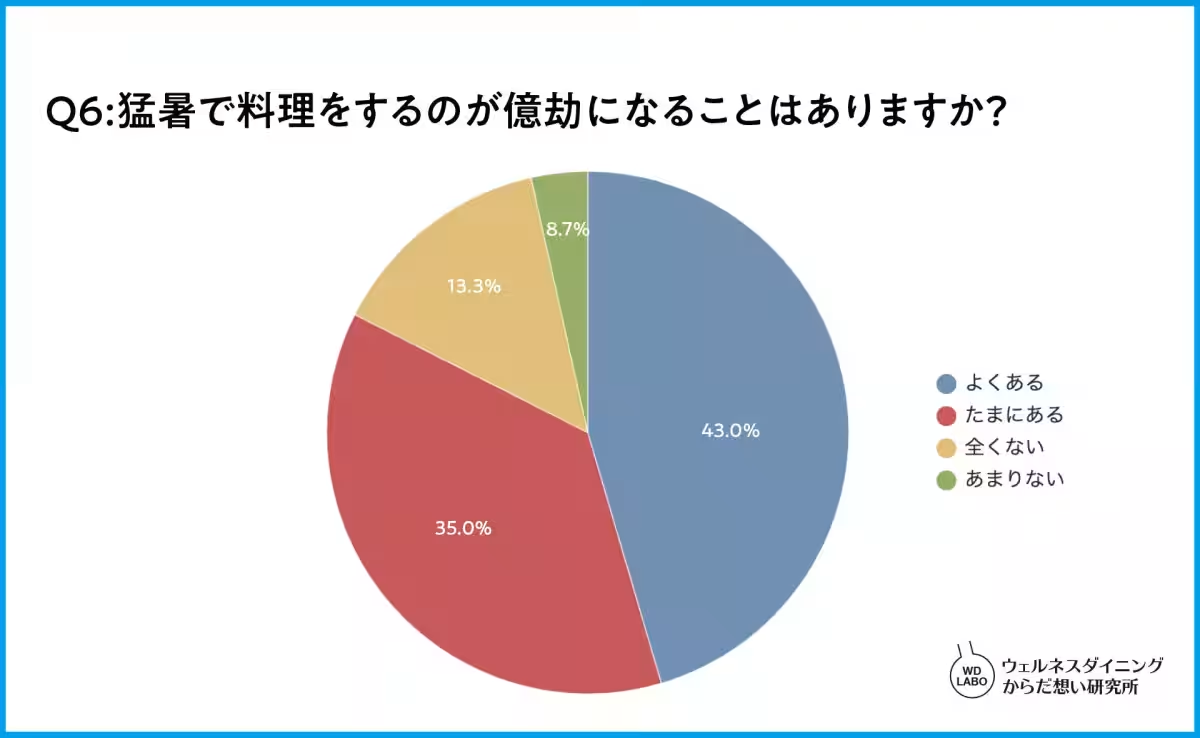
When asked about the symptoms of summer fatigue, 72.8% cited feelings of sluggishness and fatigue, with 51.5% also noting a decrease in their appetite. Many people seem to gravitate towards cold noodles, with 65.1% reporting this is their go-to meal when appetite wanes. Additionally, 29.6% attempt to maintain a balanced diet as a measure against summer fatigue, but this effort is overshadowed by a troubling trend: 78% of respondents feel unmotivated to cook during peak heat conditions.
Reasons Behind Dietary Choices
The preference for cold noodles like somen and chilled Chinese noodles during the summer is evident, particularly when appetite is compromised. Convenience becomes a priority, as the scorching heat that grips Japan during the summer months often cripples people’s motivation to prepare meals, which can lead to an imbalanced intake of nutrients. With nearly 80% stating they find cooking to be a hassle during the heat, it's clear many lean towards quick, easy meal options that may not deliver the necessary nutritional balance.
Maintaining Nutritional Balance Amidst Summer Fatigue
The survey also unveiled that while many individuals cherish their summer meals, they tend to overlook crucial nutrient components such as vitamins, minerals, and proteins, which are essential particularly during the challenging summer months. In fact, only about 8.3% specifically focus on incorporating vitamin and mineral-rich foods into their diets. Surprisingly, a significant 43% admitted they often forego cooking altogether, with meal replacements becoming a common practice.
Expert Recommendations for Nutritional Balance
To combat the effects of summer fatigue and ensure a balanced diet, wellness experts, including dietitians from Wellness Dining, suggest a few key strategies. Instead of relying solely on cold noodles, it is essential to incorporate a variety of nutrient-dense foods. Some helpful tips include:
- - Incorporate Protein Sources: Snack on easy-to-digest options like chilled tofu, chicken breast salads, or eggs. These can serve as great accompaniments to noodle dishes.
- - Focus on Summer Vegetables: Enjoy fresh produce such as tomatoes, cucumbers, and seasonal fruits like watermelon, which help maintain hydration levels.
- - Healthy Hydration: Engage with broths, soups, or smoothies which can fulfill hydration and nutritional needs simultaneously, especially when appetite is low.
Final Thoughts
As the survey results illustrate a marked change in summer fatigue perception and its impact on dietary habits, it is crucial for individuals to remain mindful of nourishing their bodies adequately. Lack of awareness regarding essential nutrients may contribute to prolonged fatigue, and prioritizing proper nutrition is necessary for combating summer lethargy. Simple adjustments can lead to significant health benefits, particularly during the sweltering summer months.
With a proactive approach towards nutrient intake, everyone can enjoy a healthier summer. Meeting the body's needs, even while choosing convenient meals, is vital for optimal health. Moving forward, Wellness Dining aims to raise awareness and support healthy eating practices during the challenging summer season, assisting the public in maintaining their health and well-being.
Survey Details
The survey titled "Awareness of Summer Fatigue and Dietary Lifestyle" was conducted in July 2025 among 300 respondents across Japan. The results showcase a notable shift in perceptions regarding summer heat and its relationship with dietary choices.
Through this initiative, Wellness Dining aspires to contribute positively to public health by providing valuable resources and advice to navigate nutritional challenges throughout the summer season.

Topics Consumer Products & Retail)




【About Using Articles】
You can freely use the title and article content by linking to the page where the article is posted.
※ Images cannot be used.
【About Links】
Links are free to use.