



The Shift Back to Office Work: Employee Sentiments and Flexible Office Trends
The Shift Back to Office Work: Employee Sentiments and Flexible Office Trends
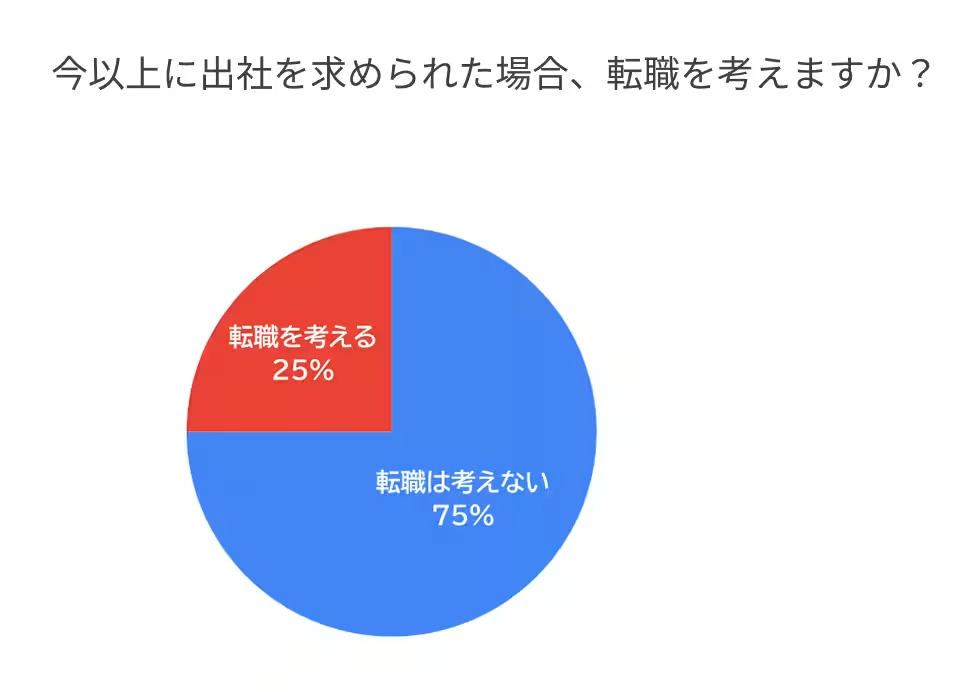
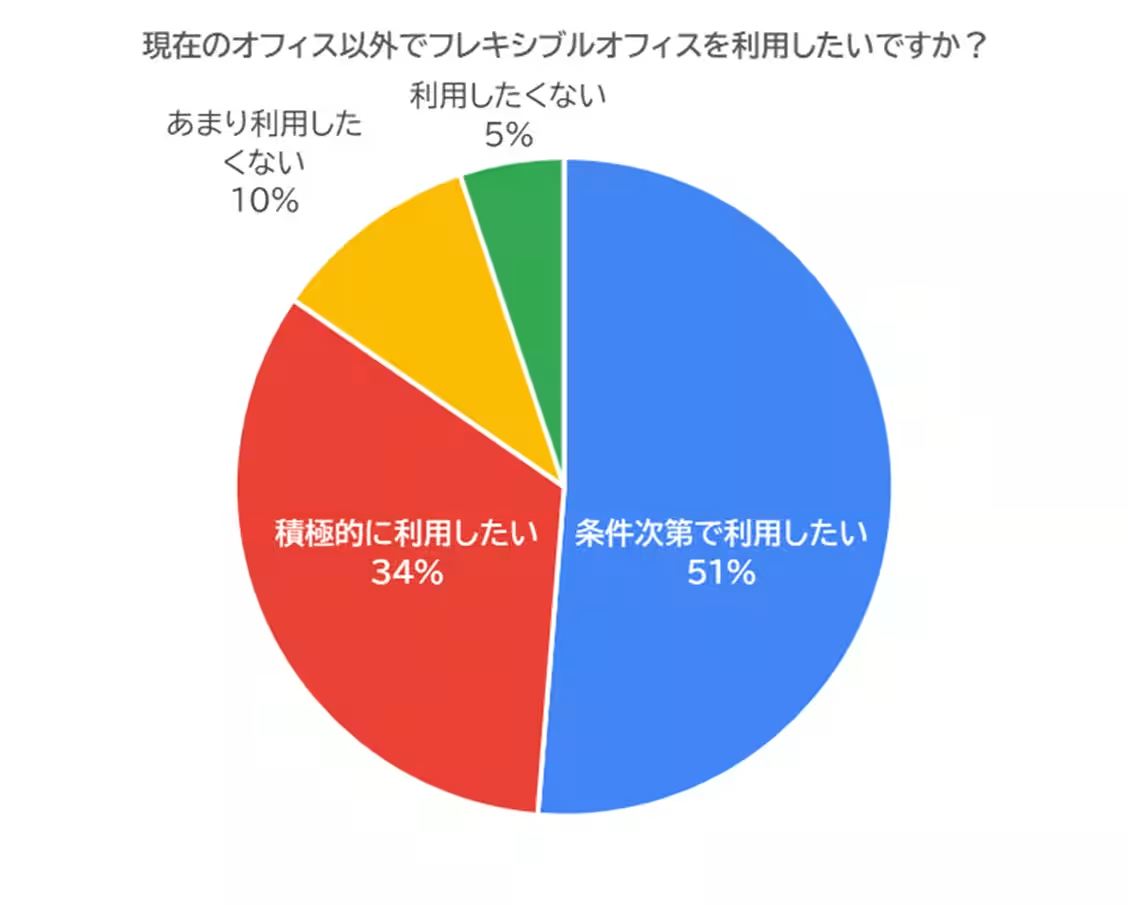
The recent survey conducted by JUST FIT OFFICE, part of Career Index, has shed light on the evolving dynamics of workplace preferences. The findings reveal that while 25% of employees are considering a career change due to the push for returning to the office, a striking 85% expressed a desire to utilize flexible office spaces, such as co-working or rental offices. This trend underscores a significant gap between the perceptions of management and employees regarding office work.
Survey Overview
This study was carried out through internet questionnaires targeting past users of JUST FIT OFFICE and an external survey panel from September 17 to October 3, 2025. A total of 129 responses were collected, spotlighting the key sentiments toward the return to office policies.
Key Findings from Management Perspective
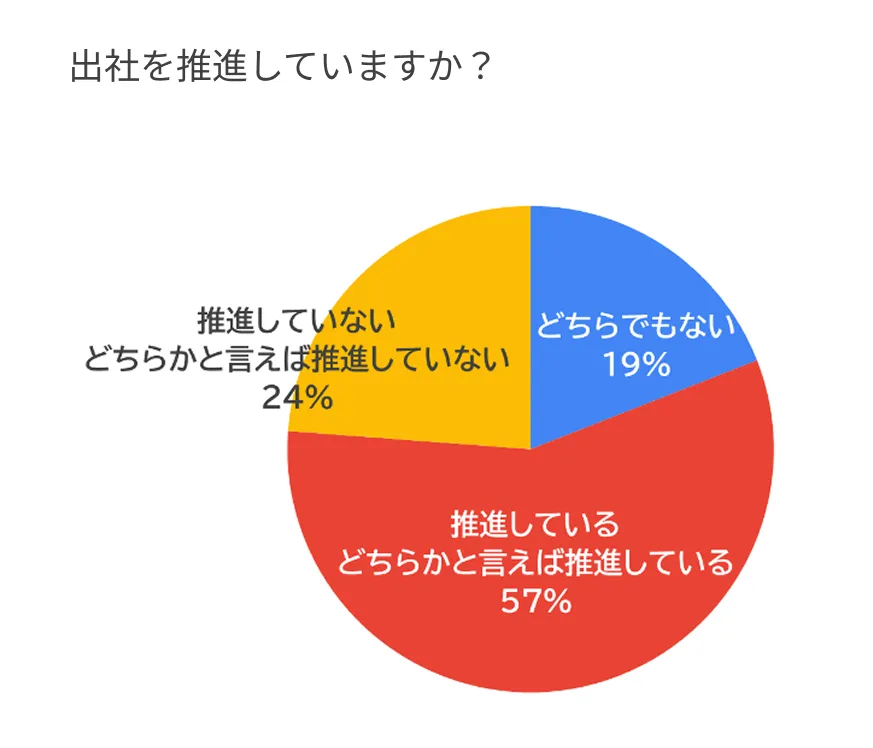
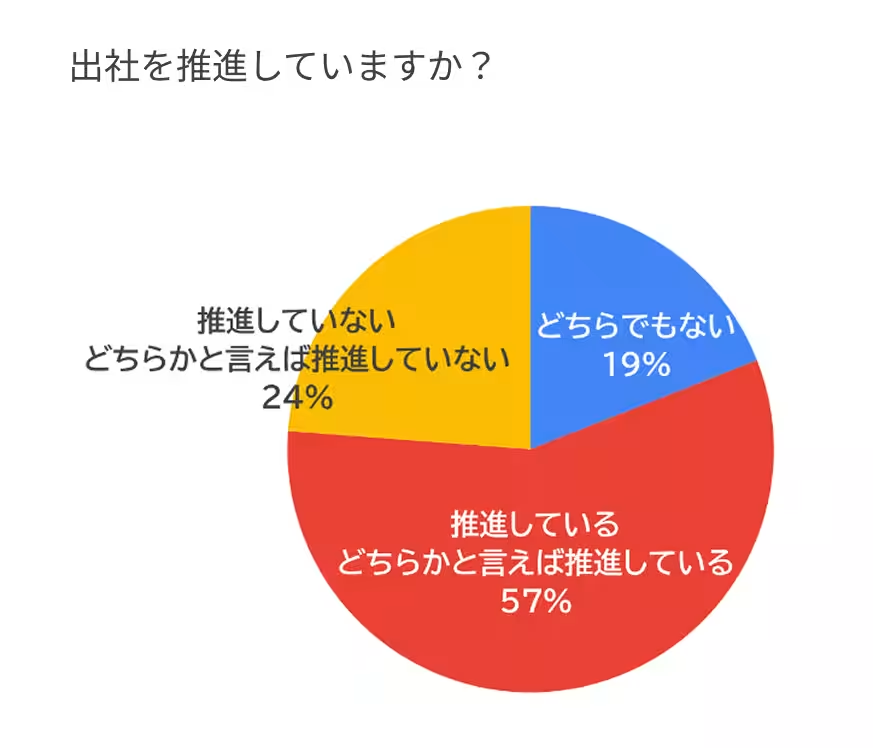
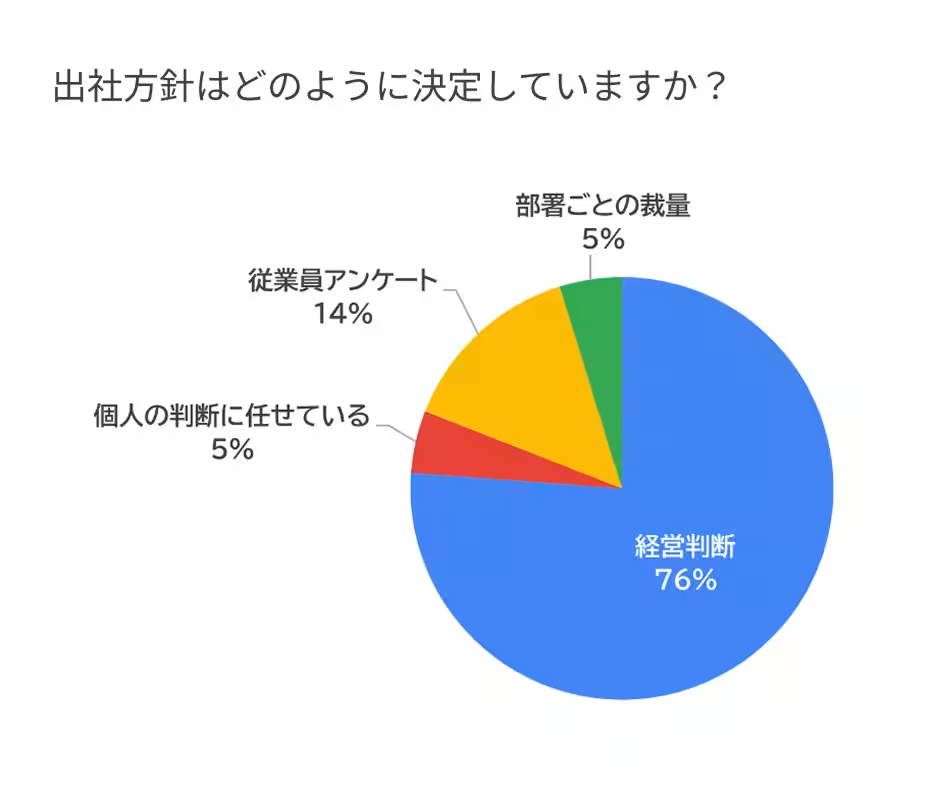
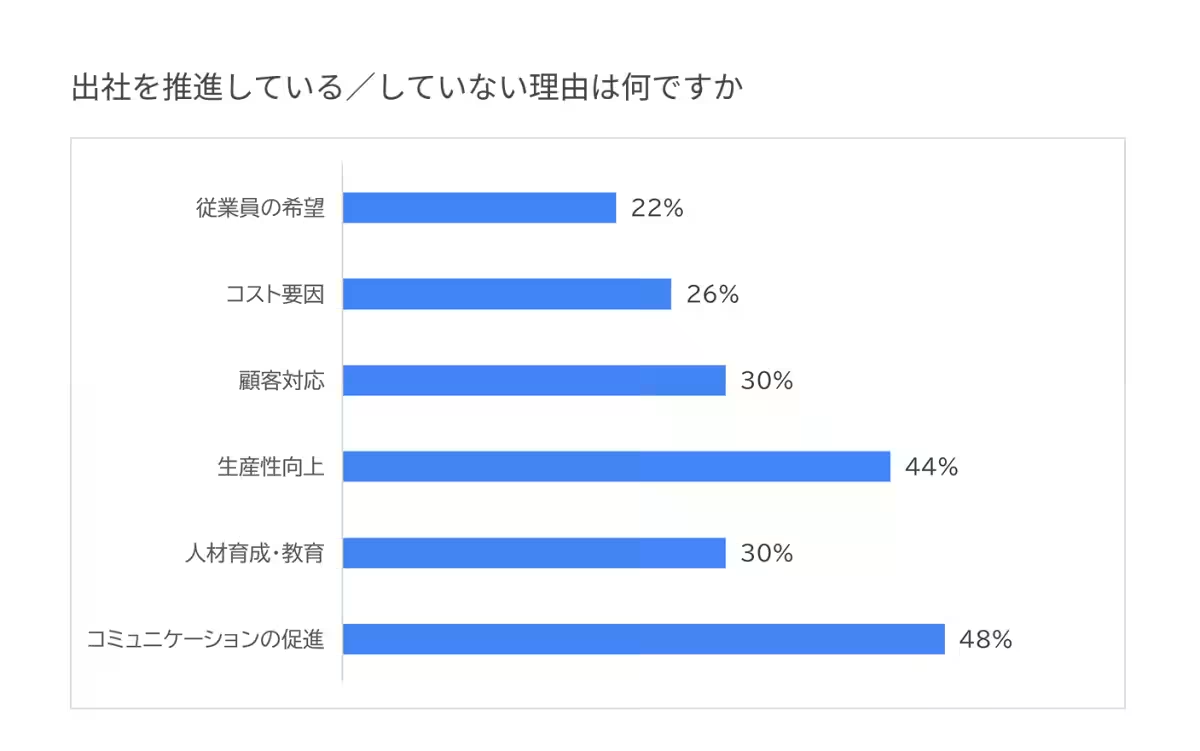
57% of business leaders support the push for employees to return to the office, with 76% basing their decisions on management judgements. The reasons include:
- - Promoting communication (48%)
- - Enhancing productivity (44%)
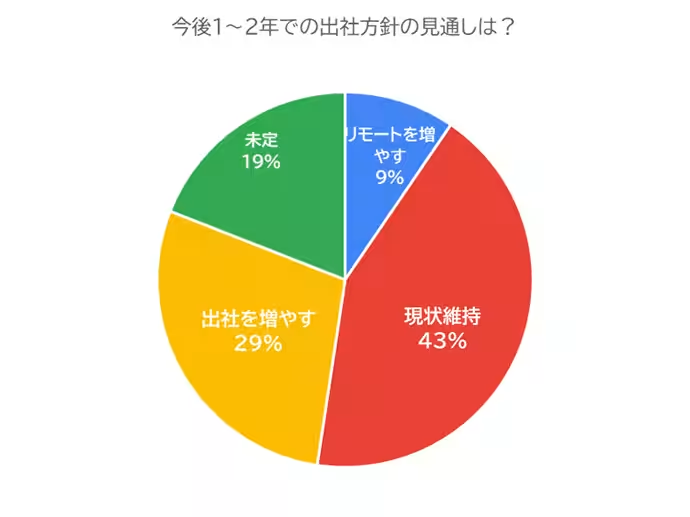
According to the data, 27% of executives have seen an increase in office attendance compared to the previous year, while 30% plan to accelerate this trend in the next year or two. A definitive 74% aim to maintain or increase their current attendance levels.
Feedback from management emphasized the need for effective communication and fostering a conducive environment for productivity, highlighting the duality of operational efficiency and employee satisfaction.
Insights from Employees
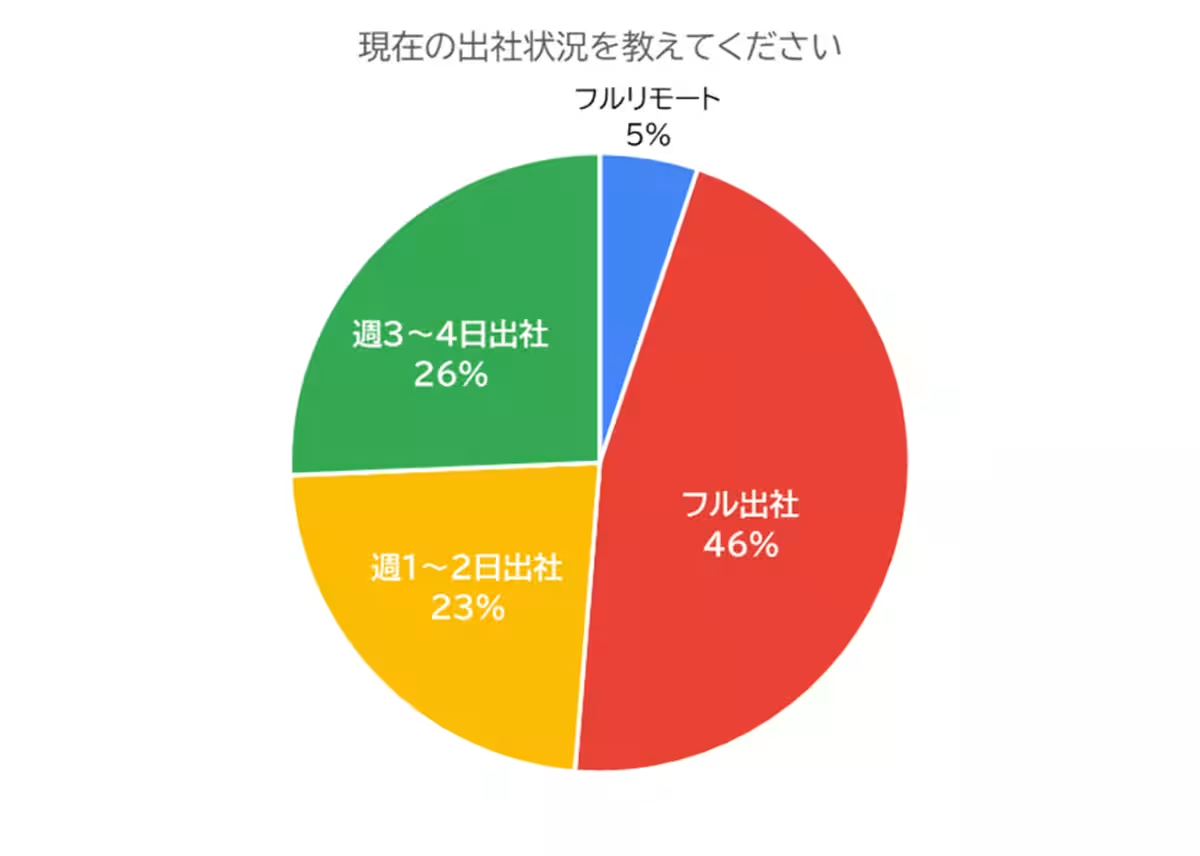
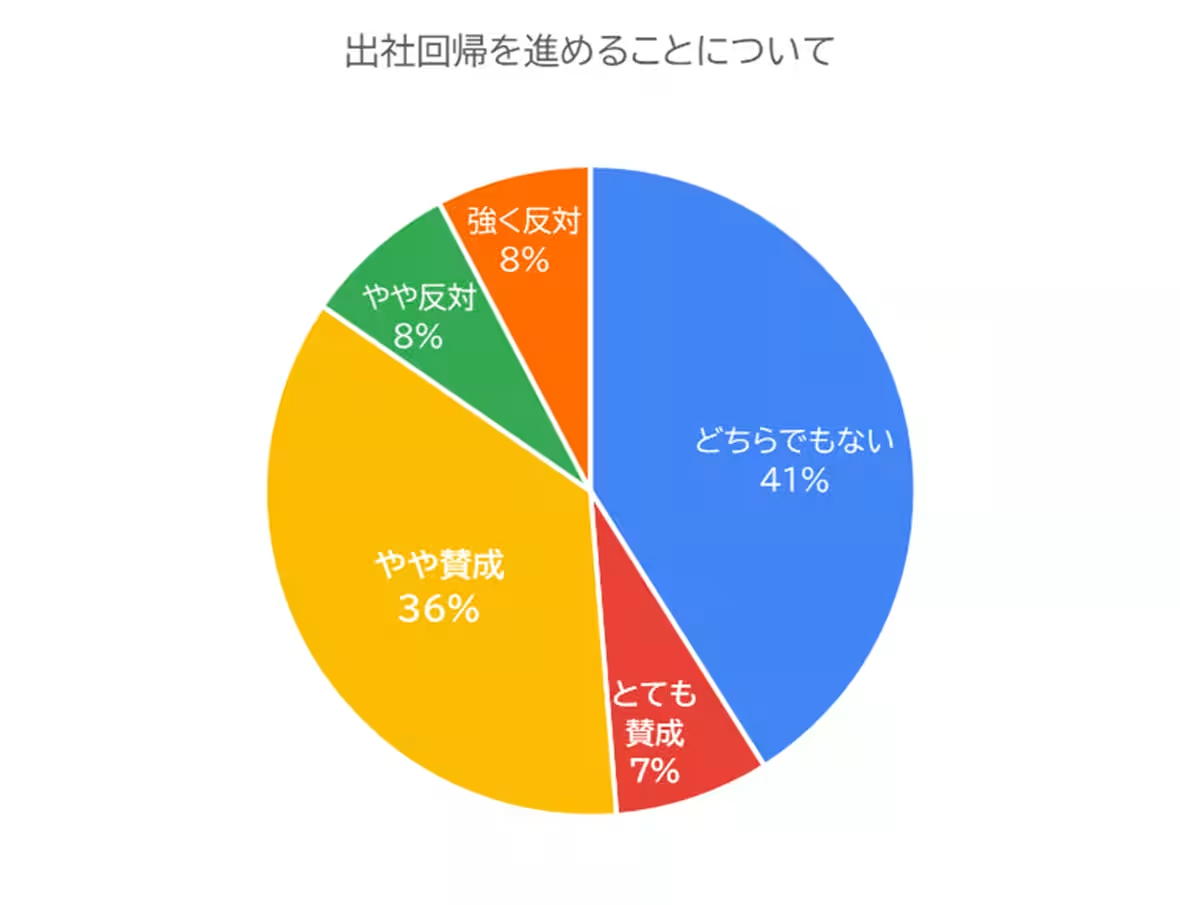
On the employee front, an overwhelming 98% reported some form of office attendance, and 43% supported the push for a return to office work. The sentiments suggest acceptance, though with notable reservations regarding productivity shifts:
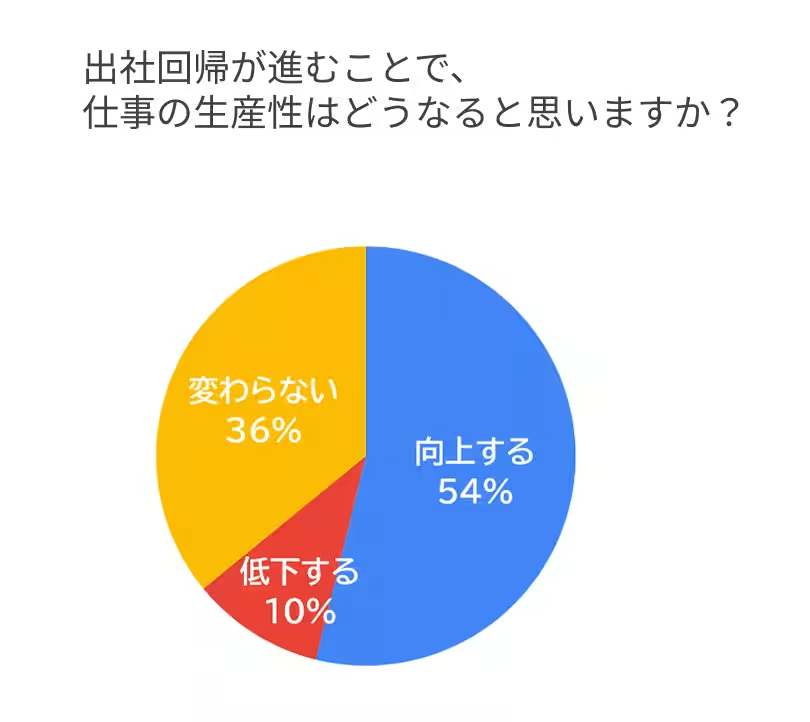
- - 54% anticipate productivity will improve, while only 10% foresee a decline.
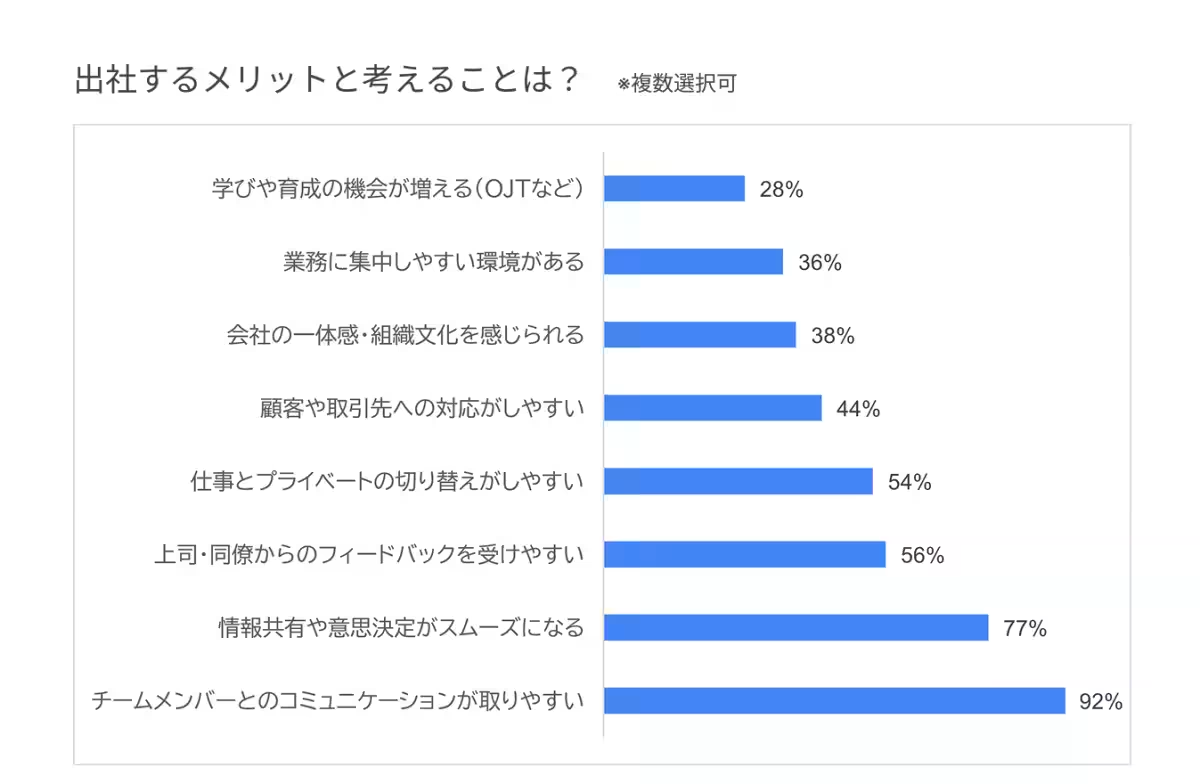
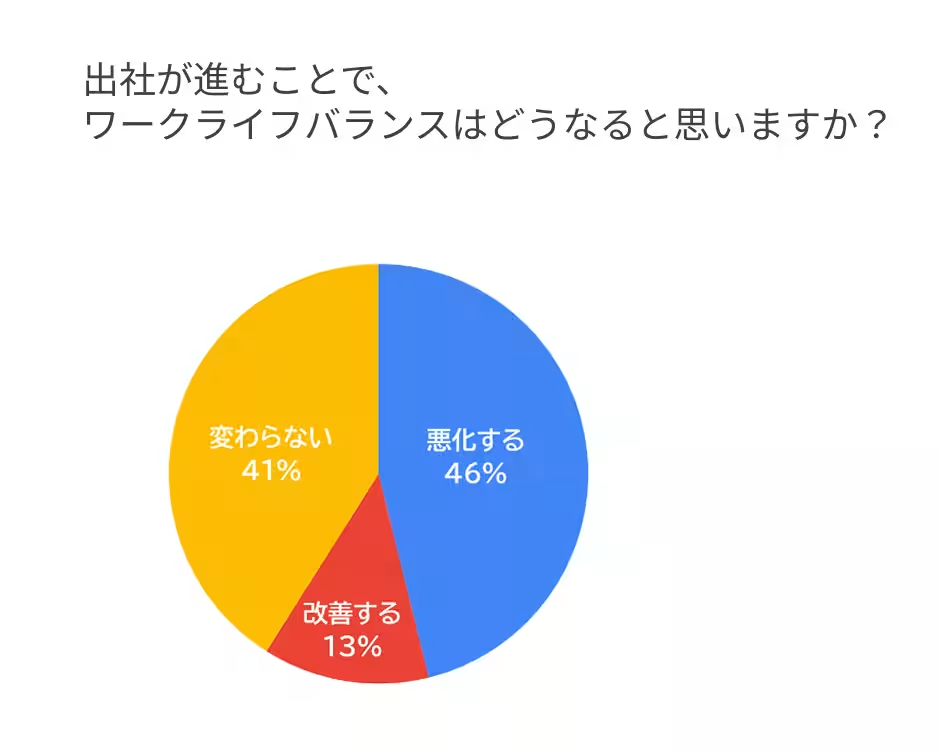
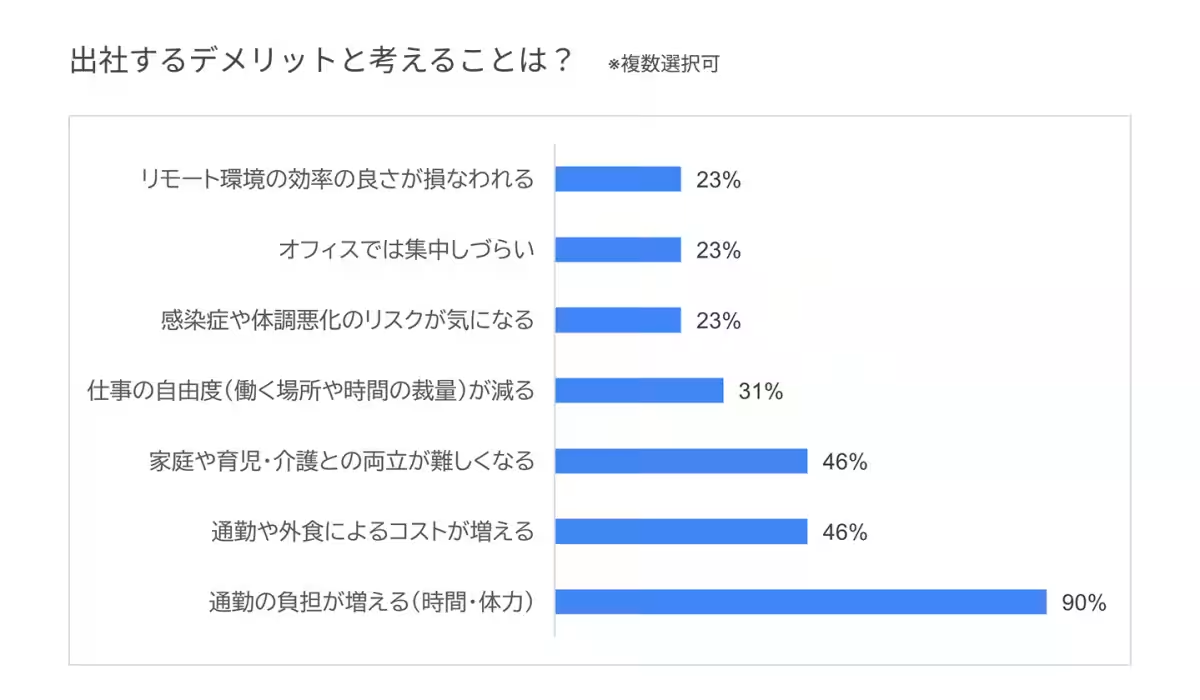
The benefits of returning to the office were underscored by respondents, with 92% stating an uptick in communication with team members and 77% noting smoother decision-making processes. However, 46% felt that their work-life balance could worsen, and 90% indicated an increase in commuting burdens.
Navigating the Challenges
Despite recognizing benefits, employees are caught between productivity gains and increased commuting time and costs. Many suggested potential adjustments that could make returning to the office more feasible, such as:
- - Flexible hours (including break time)
- - Meal subsidies
- - Providing a distraction-free environment
- - Clear guidelines and reasons for a return to in-person work
- - Options to choose work locations, like nearby flexible office spaces
- - Provisions for remote work during extreme weather conditions
Such suggestions indicate a significant demand within the workforce for organizations to cultivate an employee-centric return strategy. The call for transparency in decision-making and flexibility in policies resonates widely.
Hybrid Work Preferences
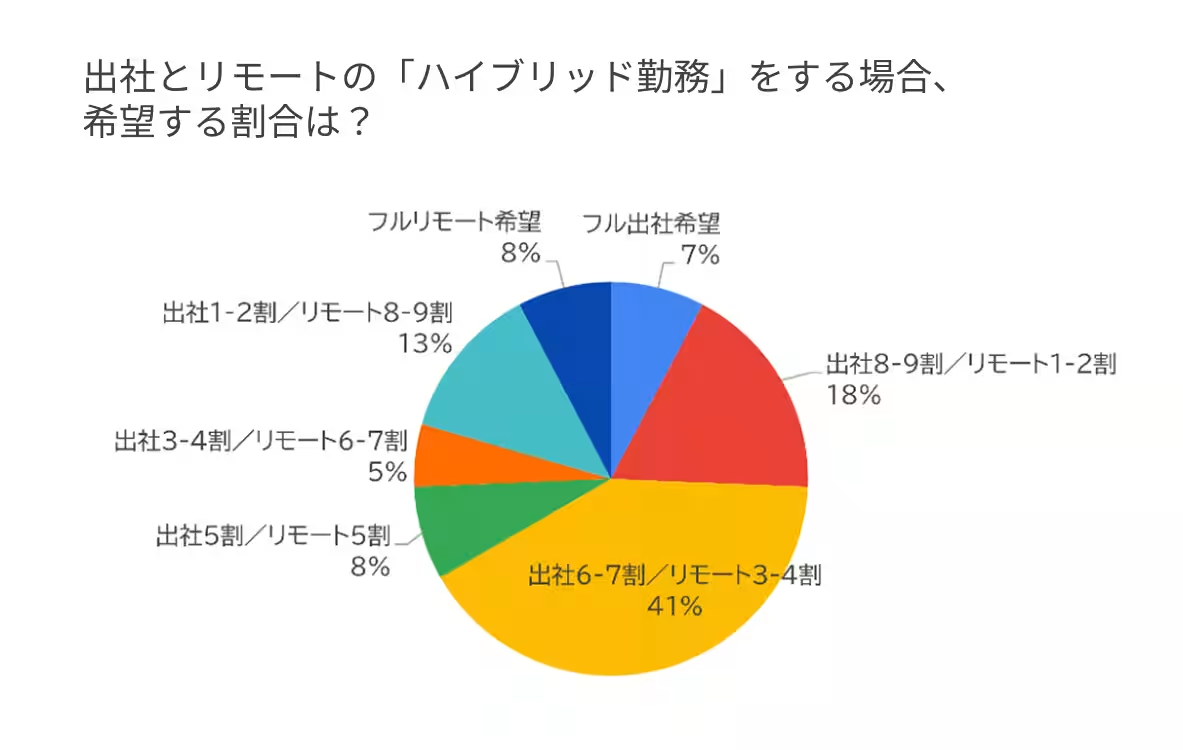
When asked about hybrid working preferences, 66% of employees expressed a desire to work in the office 1-2 days a week, whereas only 7% preferred full office attendance and 8% desired full remote work.
Interestingly, the survey also indicated that 25% of employees would consider pursuing a different job if pressured to increase office attendance, regardless of job type.
Moreover, if flexible office options could be availed, 51% showed interest, and 34% were eager to adopt these solutions, reflecting a wider shift as employees acknowledge the limitations of working from home.
Conclusion
The findings reveal a complex landscape where organizational strategies must align with individual preferences. As companies steer towards more in-person work, integrating flexible office solutions will be crucial to keeping employees satisfied and productive. At JUST FIT OFFICE, our mission is to assist organizations in striking the right balance between flexible workplace strategies and employee satisfaction, paving the way for a robust workforce culture moving forward.
For further insights, refer to our detailed article on the wave of returning to office work and the need for flexible spaces.
Topics People & Culture)




【About Using Articles】
You can freely use the title and article content by linking to the page where the article is posted.
※ Images cannot be used.
【About Links】
Links are free to use.