



Insights into Violence Against Railway Staff in Japan: Statistics and Examples
Understanding Violence Against Railway Staff
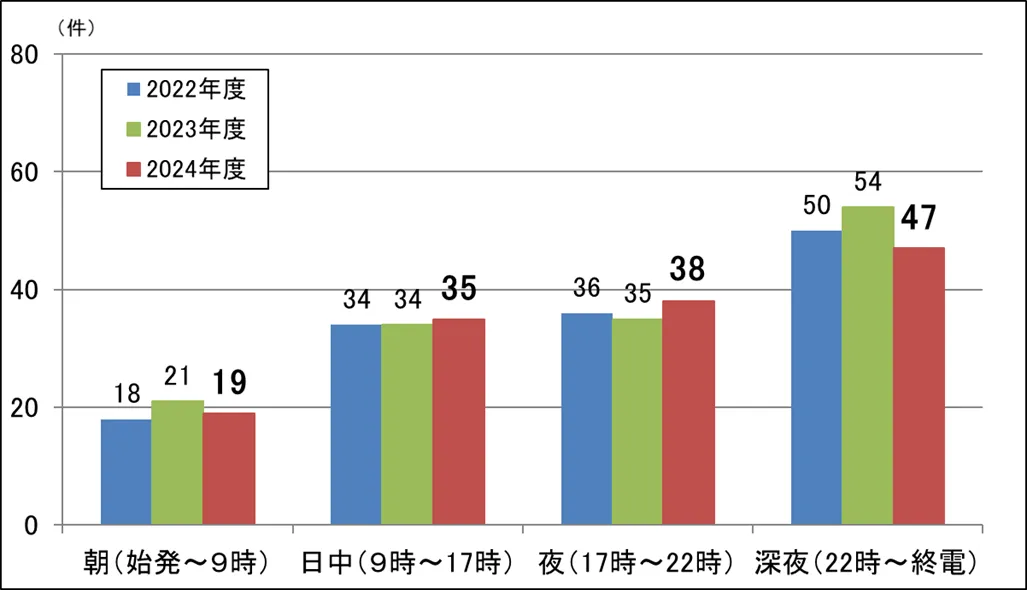
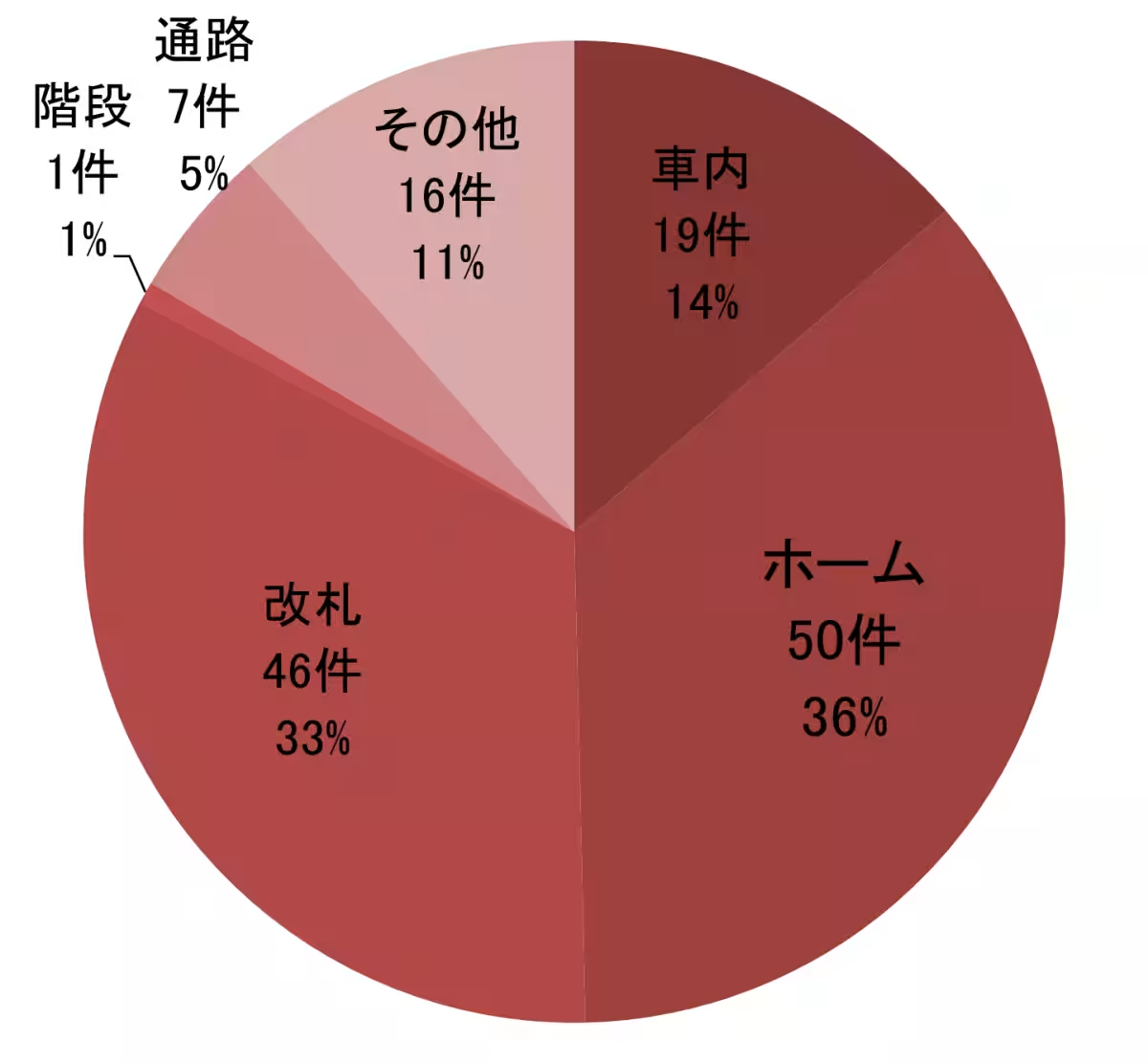
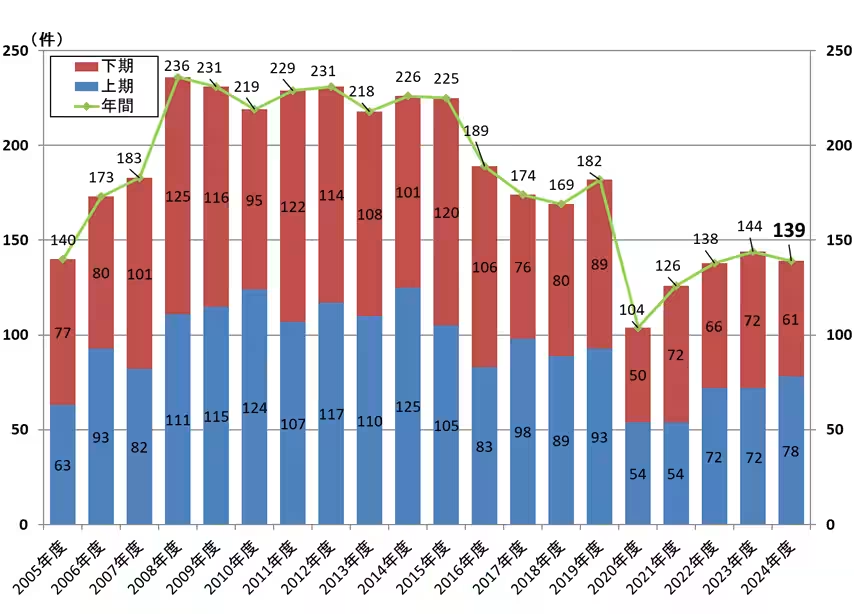
In recent years, railway workers in Japan have faced a concerning number of violent incidents during their duties. According to data compiled by the Japan Private Railway Association, which includes 16 major private railway companies such as Tobu, Seibu, and Tokyo Metro, the 2024 fiscal year recorded a total of 139 incidents of violence against railway staff members. This marked a slight decrease of five incidents compared to the previous year, subsequent to the COVID-19 pandemic, which has historically influenced such cases.
Annual Statistics Overview
In the current fiscal year, there were 78 reported incidents in the first half and 61 in the second, highlighting a critical trend of increased incidents during late-night hours (after 10 PM) among intoxicated perpetrators. Overall, the number of incidents in 2024 reflects a rise in cases in the first half compared to last year, but a decline in the second half, showcasing a volatile situation for railway employees.
Breakdown of Incident Details
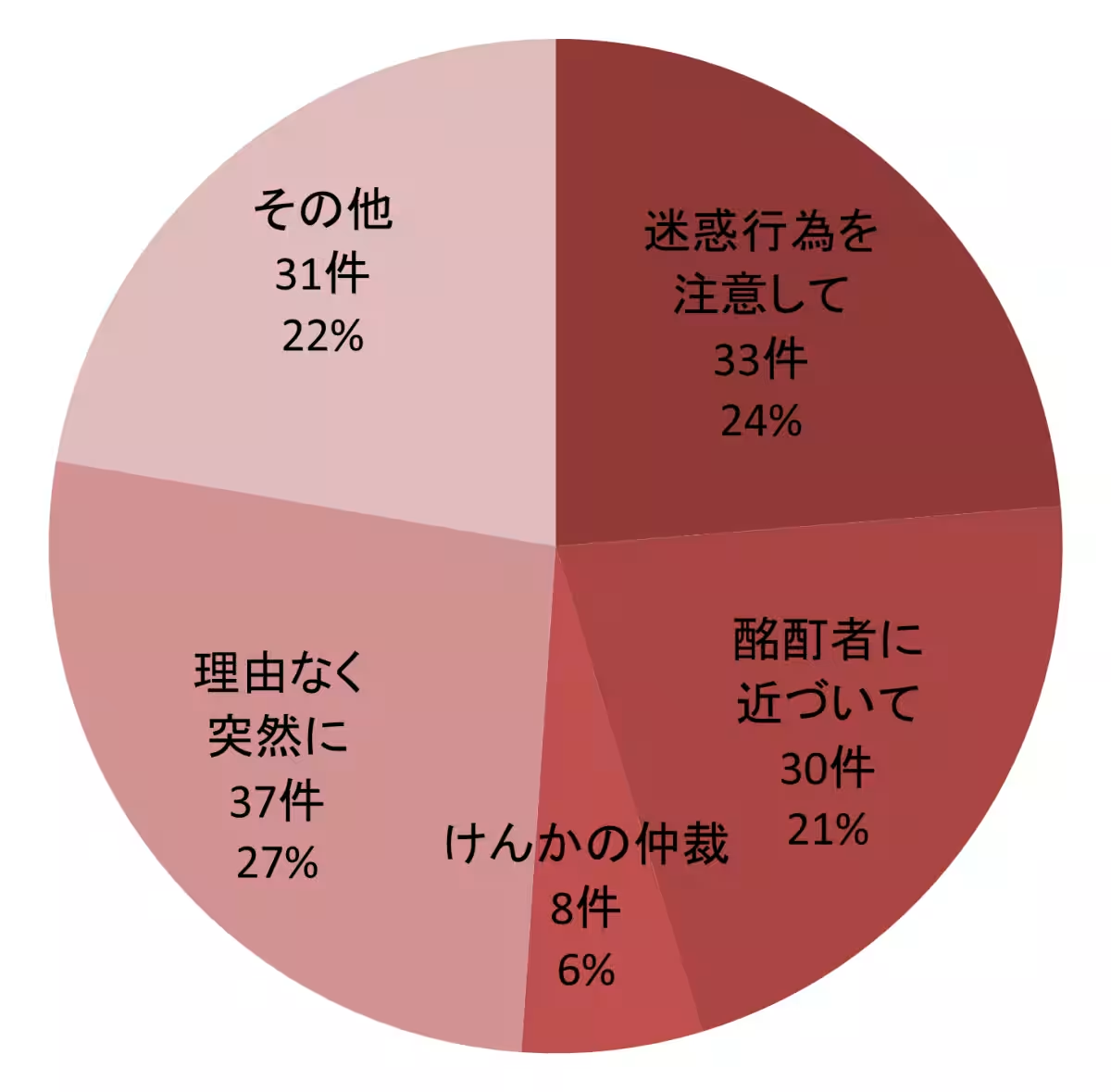
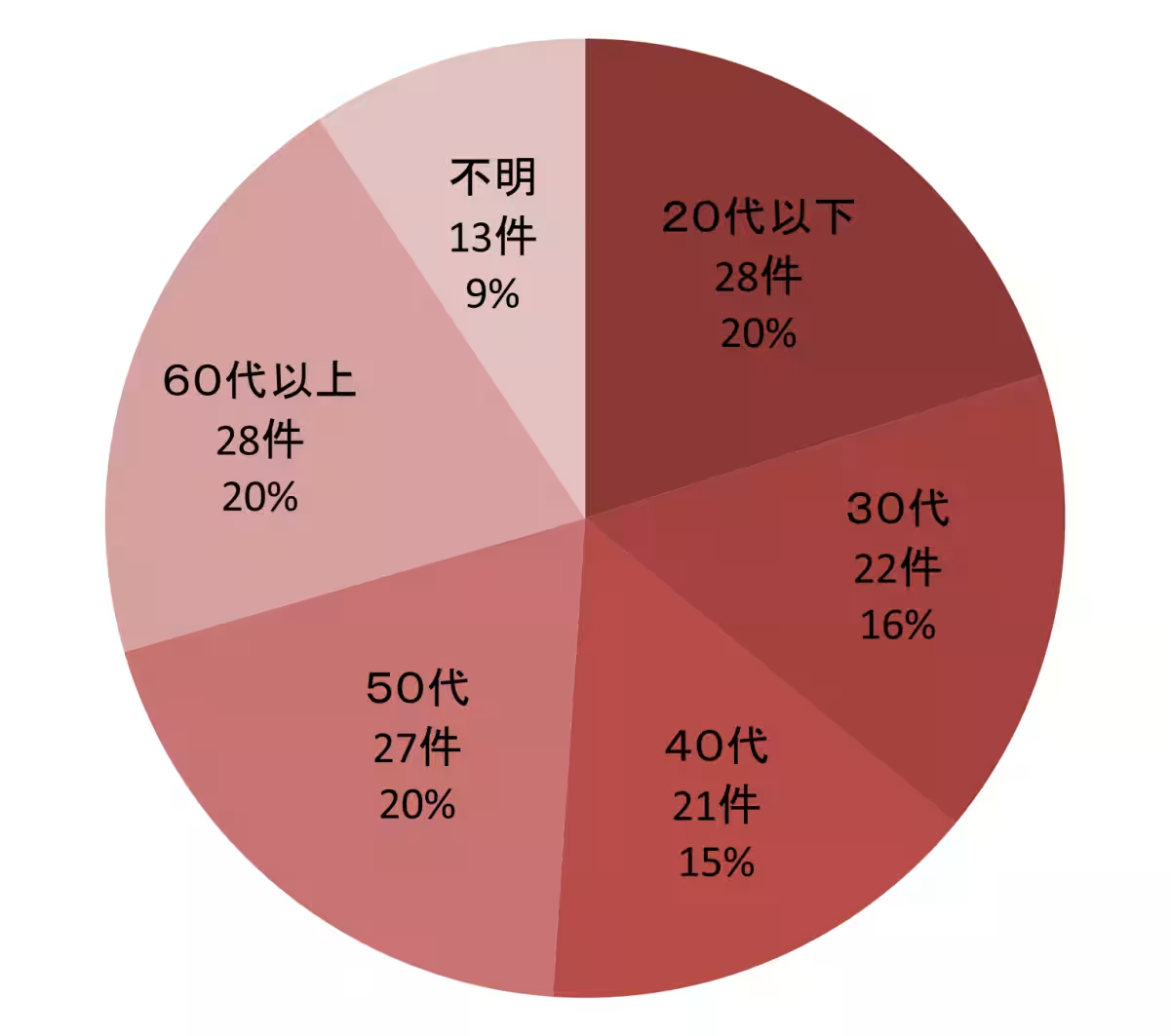
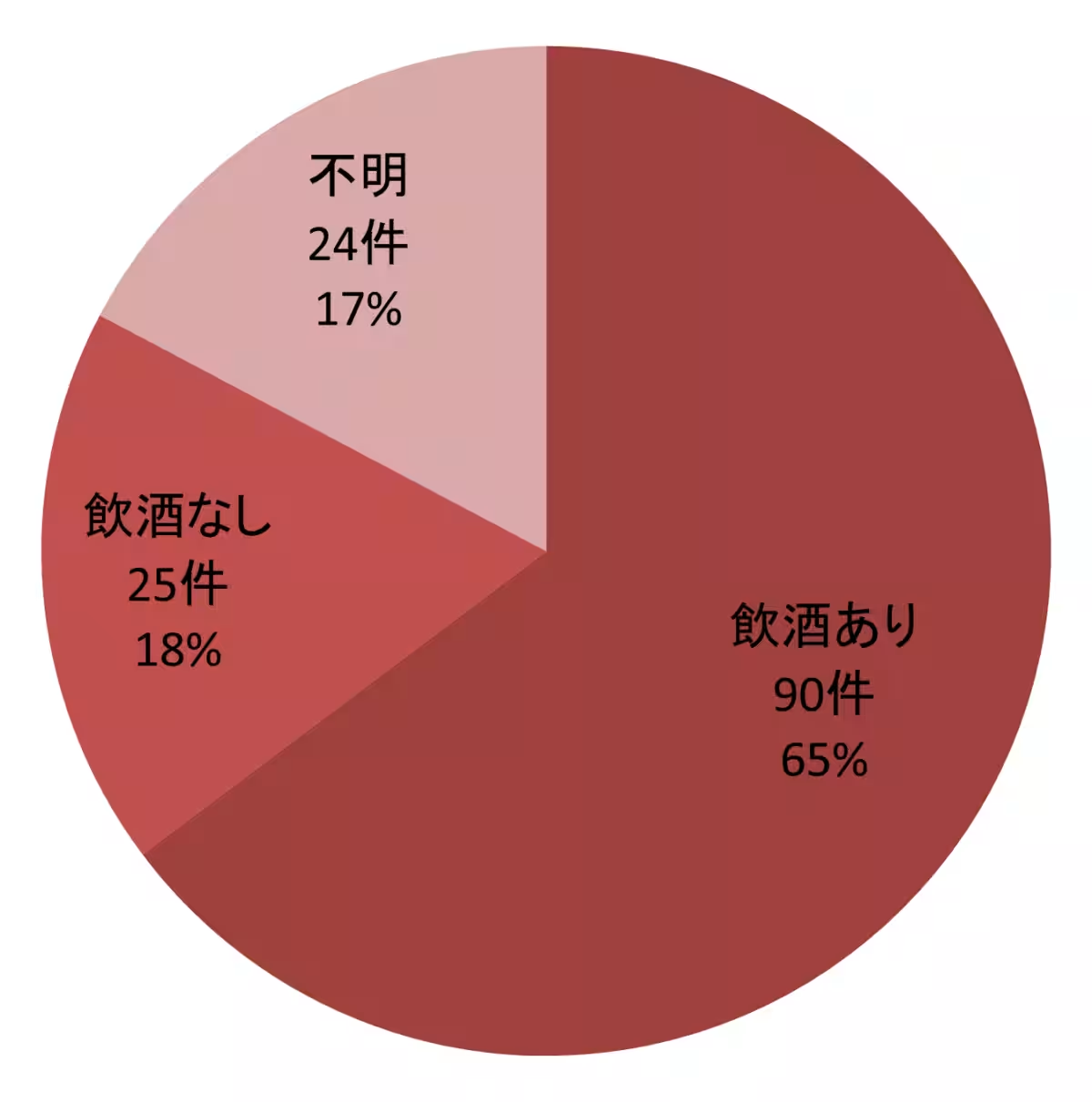
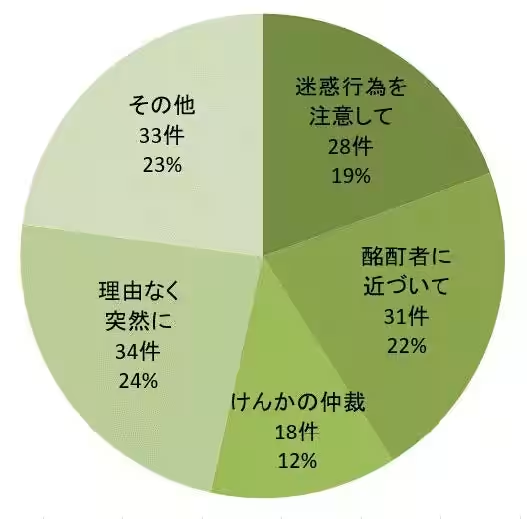
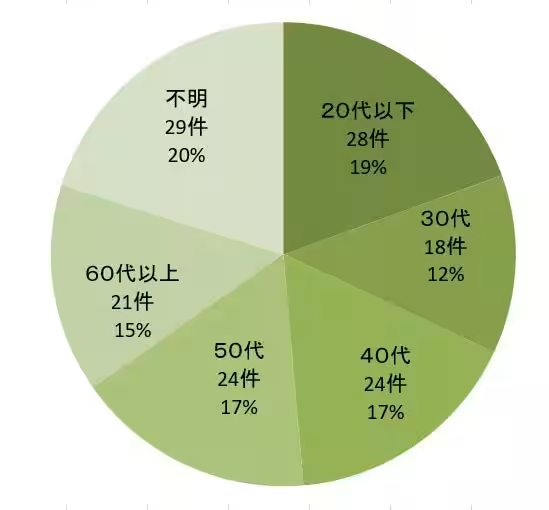
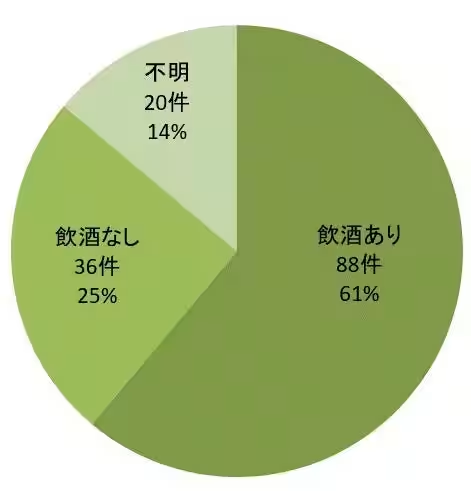
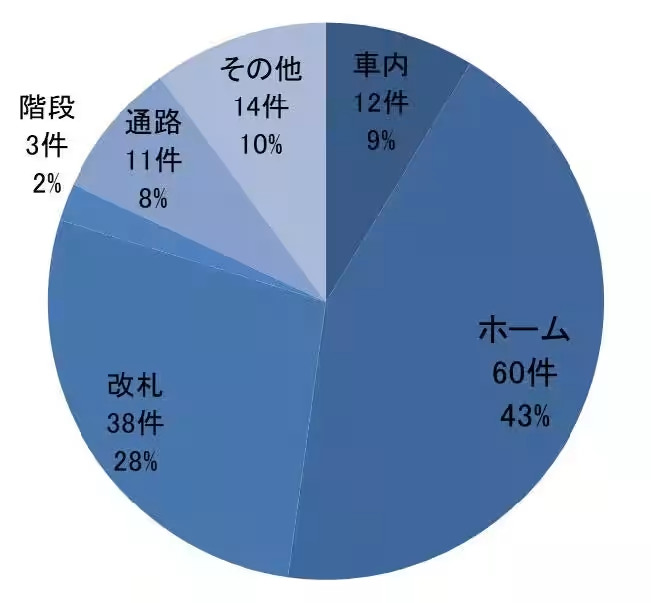
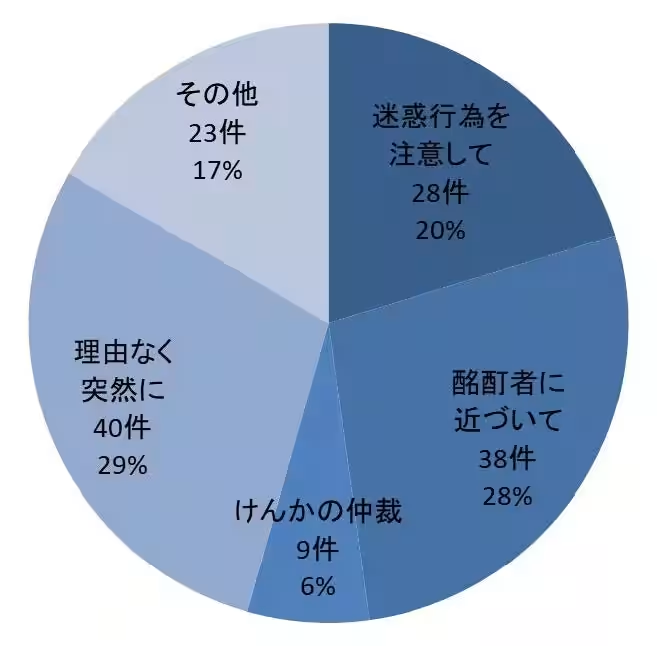
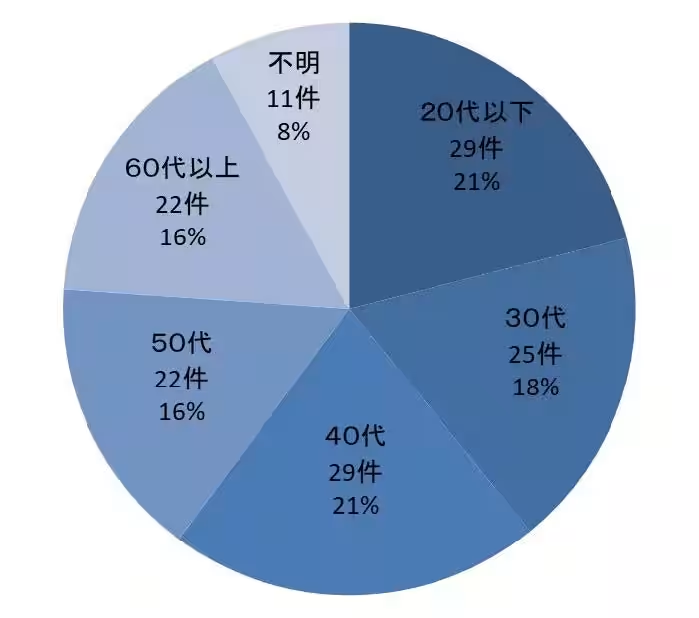
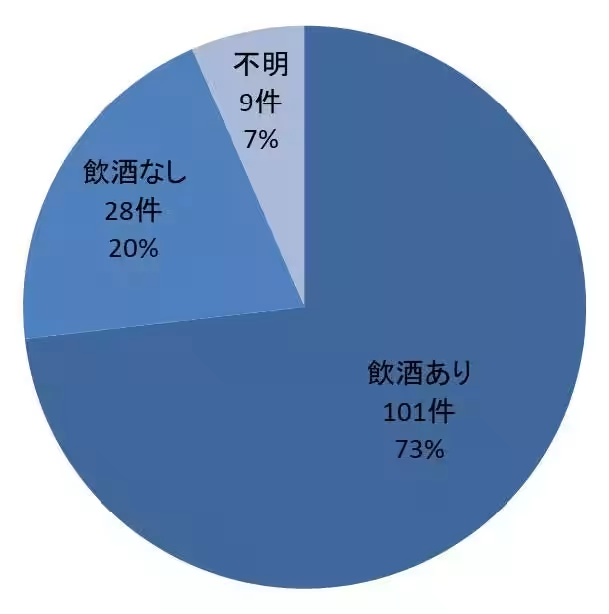
Violent incidents have often arisen unexpectedly or in response to railway staff addressing disruptive behaviors, often involving intoxicated individuals. Notably, perpetrators span various age groups, with a significant proportion reported to have been under the influence of alcohol during these altercations.
To illustrate the severity and nature of the situation, the following are several specific case studies from this year:
Case Study 1: Unprovoked Assault
- - Day: Monday
- - Time: Late night (after 10 PM)
- - Location: Train platform
- - Trigger: Approach to a drunken passenger
- - Age of Perpetrator: 20s
- - Alcohol Consumption: Yes
During a routine operation to encourage passengers to disembark, a railway staff member confronted a belligerent and intoxicated individual at the train door. Without warning, the individual attacked the staff member, leading to injuries including a twisted back and damage to the elbow and leg after being thrown twice.
Case Study 2: Confrontation over Disruptive Behavior
- - Day: Friday
- - Time: Late night (after 10 PM)
- - Location: Ticket gate
- - Trigger: Addressing a noisy passenger
- - Age of Perpetrator: 50s
- - Alcohol Consumption: Yes
In this incident, a staff member approached a passenger who was causing a disturbance after missing the last train. The staff member faced verbal abuse, followed by physical assault, resulting in injury.
Case Study 3: Conflict Inside Train
- - Day: Tuesday
- - Time: Daytime (9 AM to 5 PM)
- - Location: Inside the train
- - Trigger: Handling a seating issue
- - Age of Perpetrator: 40s
- - Alcohol Consumption: Yes
A train conductor received a complaint about an improperly seated passenger in a paid seat. After attempting to verify the ticket, the conductor faced hostility with an aggressive push causing a shoulder injury.
Case Study 4: Assault Following Interception
- - Day: Thursday
- - Time: Late night (after 10 PM)
- - Location: Ticket gate
- - Trigger: Ticket evasion
- - Age of Perpetrator: 30s
- - Alcohol Consumption: Uncertain
In this scenario, a ticket inspector confronted a passenger attempting to bypass the gate without a ticket, who then assaulted the inspector before fleeing, resulting in injuries to both the original inspector and assisting staff.
Conclusion
The Japan Private Railway Association emphasizes the need for continuous public awareness and safety initiatives to mitigate these incidents. As railway staff play a vital role in ensuring safe and efficient transport, fostering a safer environment is imperative. Various programs, including educational campaigns through posters and community outreach, are currently under consideration to address the pressing issue of violence against railway staff effectively.
Topics People & Culture)
【About Using Articles】
You can freely use the title and article content by linking to the page where the article is posted.
※ Images cannot be used.
【About Links】
Links are free to use.