




Insights from the Happiness Survey: Kinki Region Takes the Lead in Satisfaction
Insights from the Happiness Survey 2025
In an era shaped by the rise of generative AI and the complexities of modern life, Tameny Inc. has taken a closer look at how happiness varies among individuals in Japan through their "Happiness Survey 2025." This survey, which gathered responses from over 5,139 individuals aged 20 to 60, sheds light on various facets of happiness, influenced by factors such as work, romantic relationships, finances, and family dynamics.
The Context of the Survey
As society continues to evolve, the arrival of generative AI raises both expectations and anxieties about the future. The economic landscape presents new challenges, with rising prices and stagnant real wages. Furthermore, a marked shift from remote work back to office-based environments is underway. Against this backdrop, Tameny has sought to understand whether these changes have altered the subjective perceptions of happiness in 2025 compared to previous years.
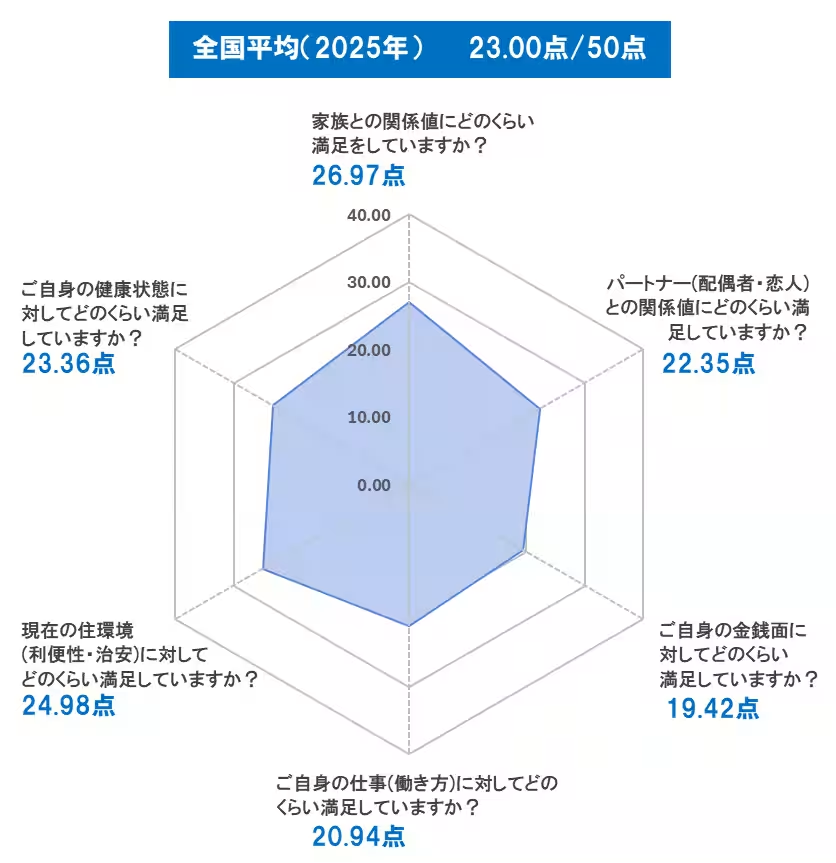
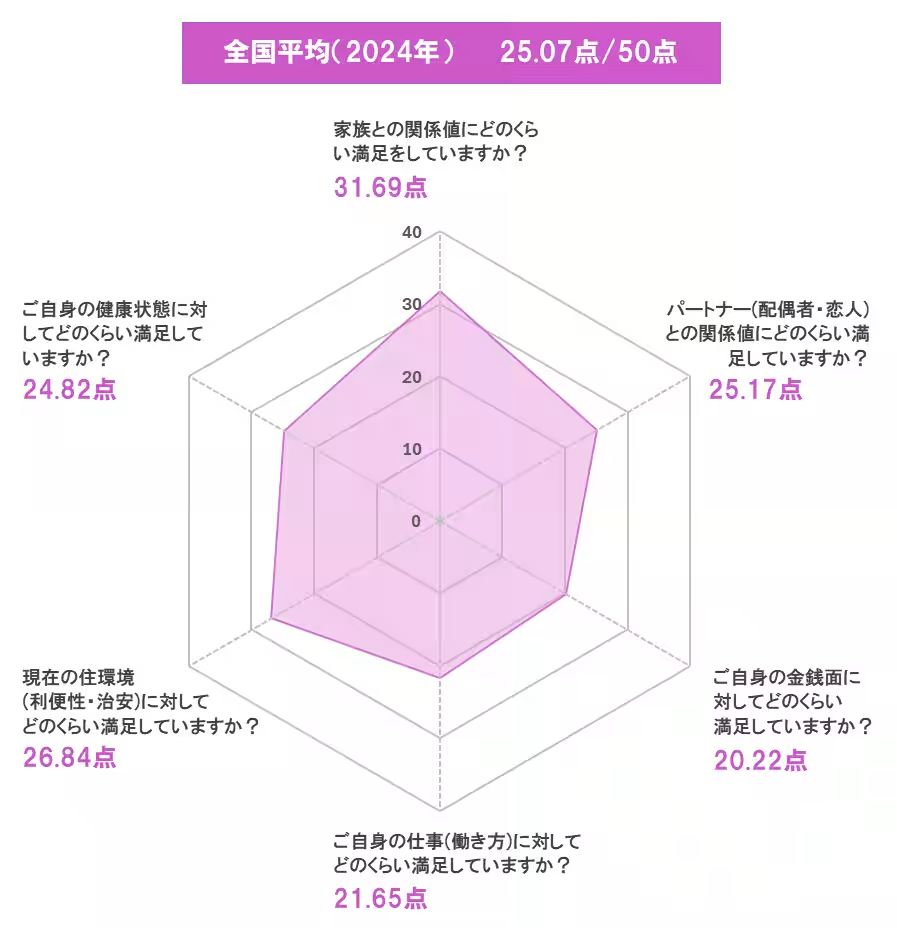
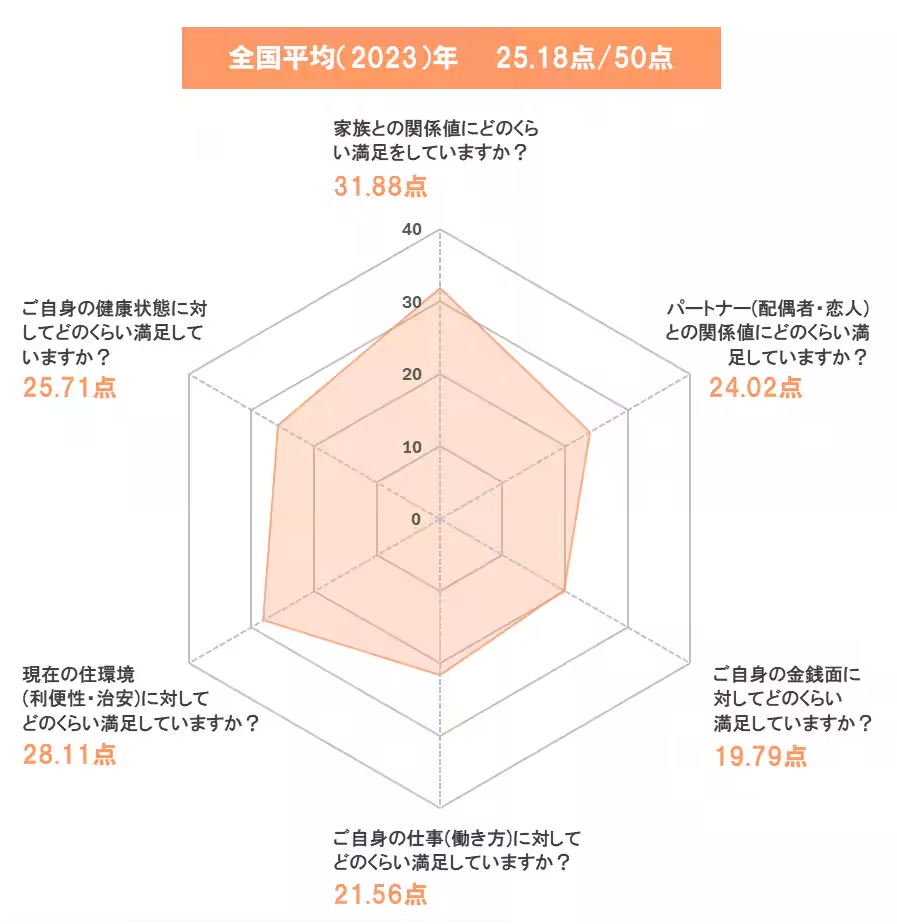
The findings reveal that the average happiness score for 2025 is 23.00 points, a slight drop from 2023 and 2024, which were at 25.18 and 25.07 points, respectively. Notably, the highest satisfaction scores continue to be linked to familial relationships, remaining a consistent source of happiness over the past three years, with a score of 26.97 points. In contrast, satisfaction regarding financial aspects saw a decline, scoring only 19.42 points, marking a concerning trend as it dropped from 20.22 in 2024.
Gender Differences in Happiness
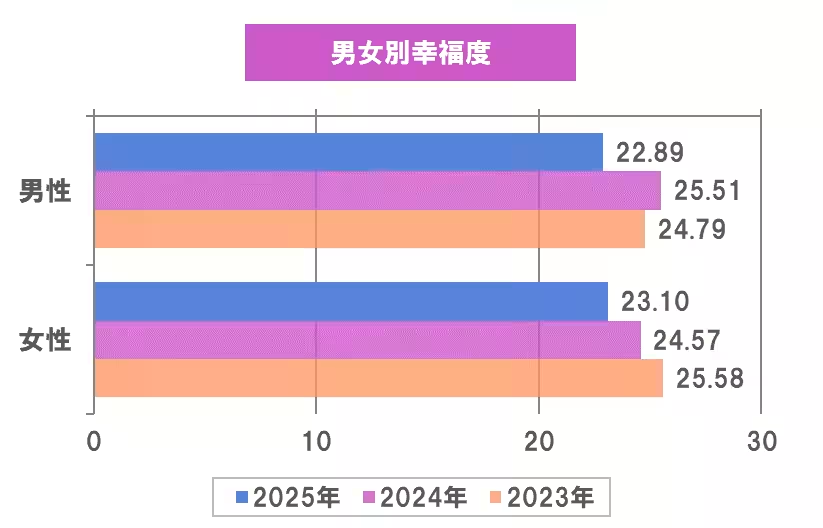
The survey indicates a surprising turn in gender happiness levels, with women scoring higher than men—23.10 points compared to 22.89 points. This reverses the trends observed in previous years, highlighting shifting dynamics in the relationship between happiness and gender. The most significant disparity was found in family relationships, where women rated their satisfaction at 27.61 points, compared to men's 26.30 points. Also, the Kinki region stands out as the area where women recorded the highest happiness scores, at 25.56 points.
Age as a Factor in Happiness
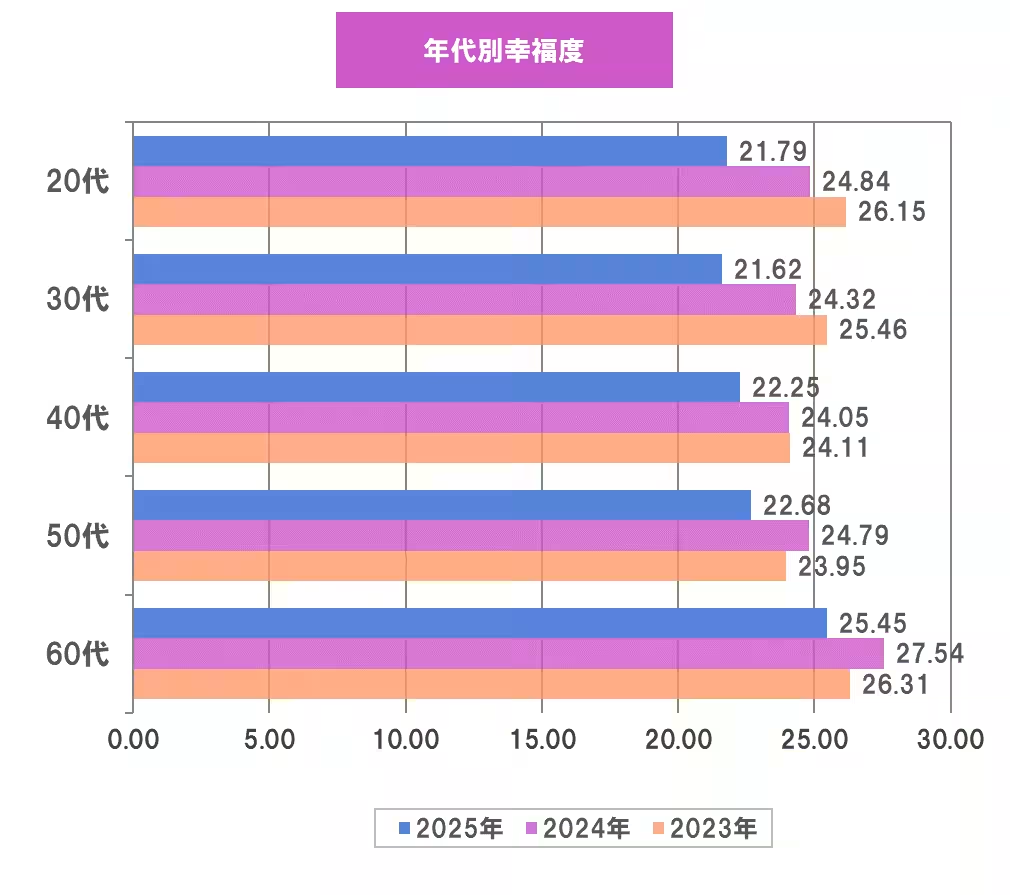
When broken down by age groups, the survey reveals that happiness tends to increase with age. The 60s demographic held the highest satisfaction at 25.45 points, while younger individuals reported lower levels of happiness. Interestingly, the 20s were observed to have a relatively higher score of 19.01 points for financial satisfaction due to more discretionary spending capabilities compared to older generations, which highlights the challenges faced by those in their 30s and 40s.
Married vs. Unmarried Happiness Levels
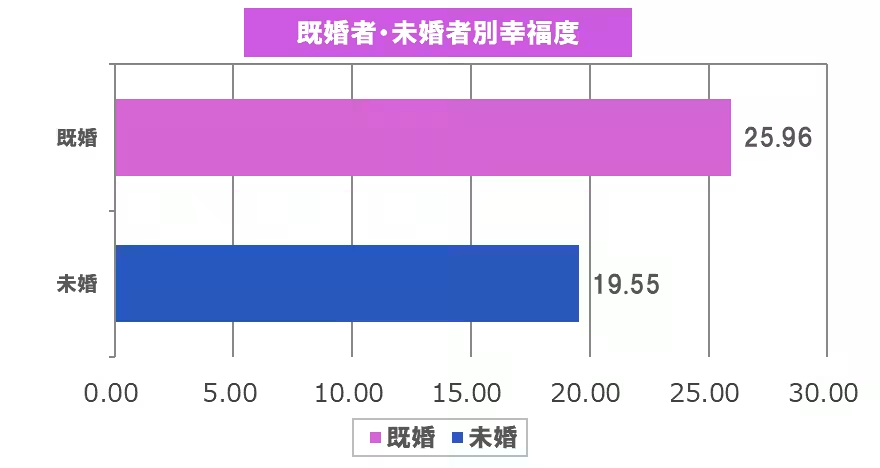
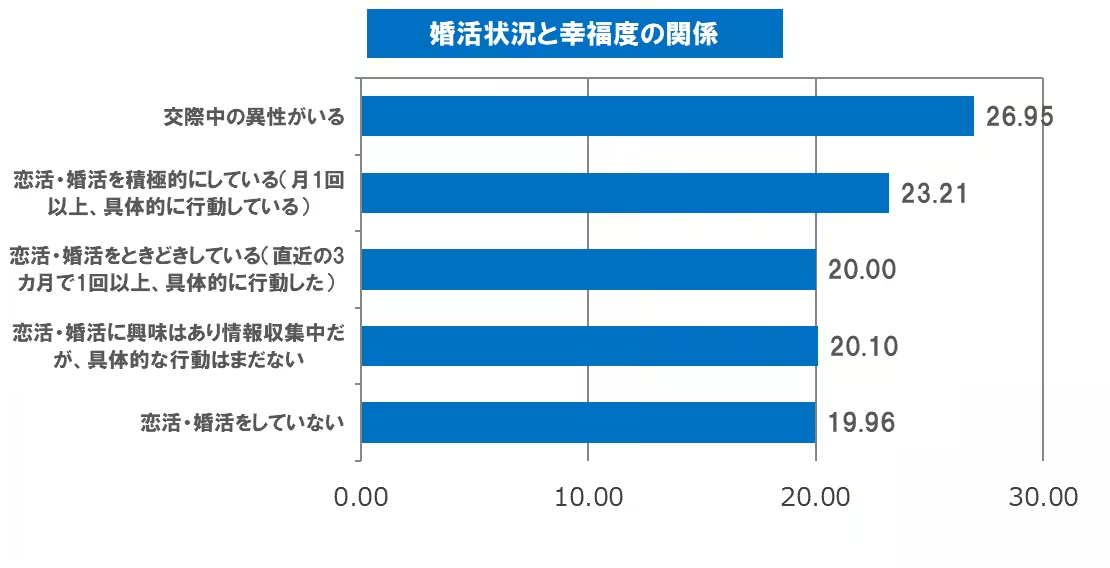
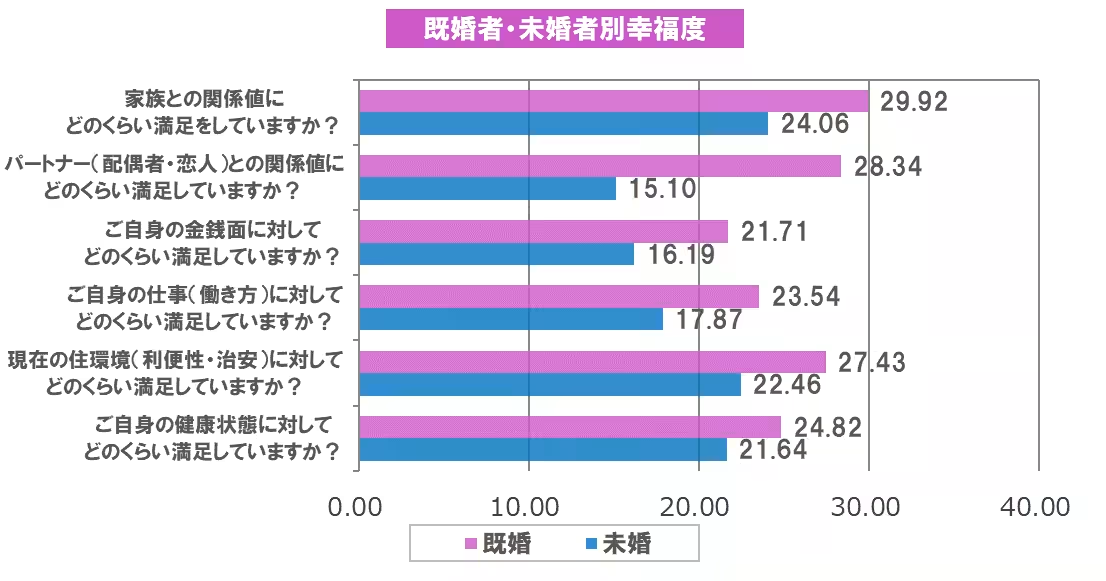
The survey significantly illustrates the disparity in happiness scores between married and unmarried individuals. Married participants scored an impressive 25.96 points, while their unmarried counterparts languished at 19.55 points. This is largely driven by the differences in satisfaction with family relationships, finances, work, and health. The presence of a partner notably enhances perceived happiness.
Kinki Region Emerges as the Happiest Area
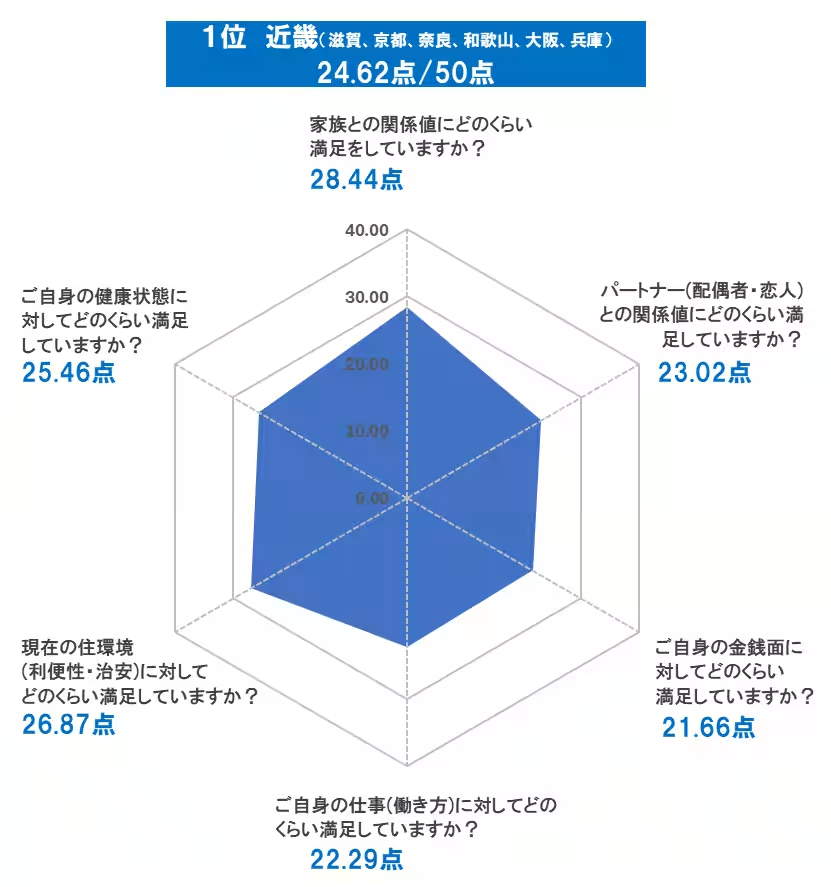
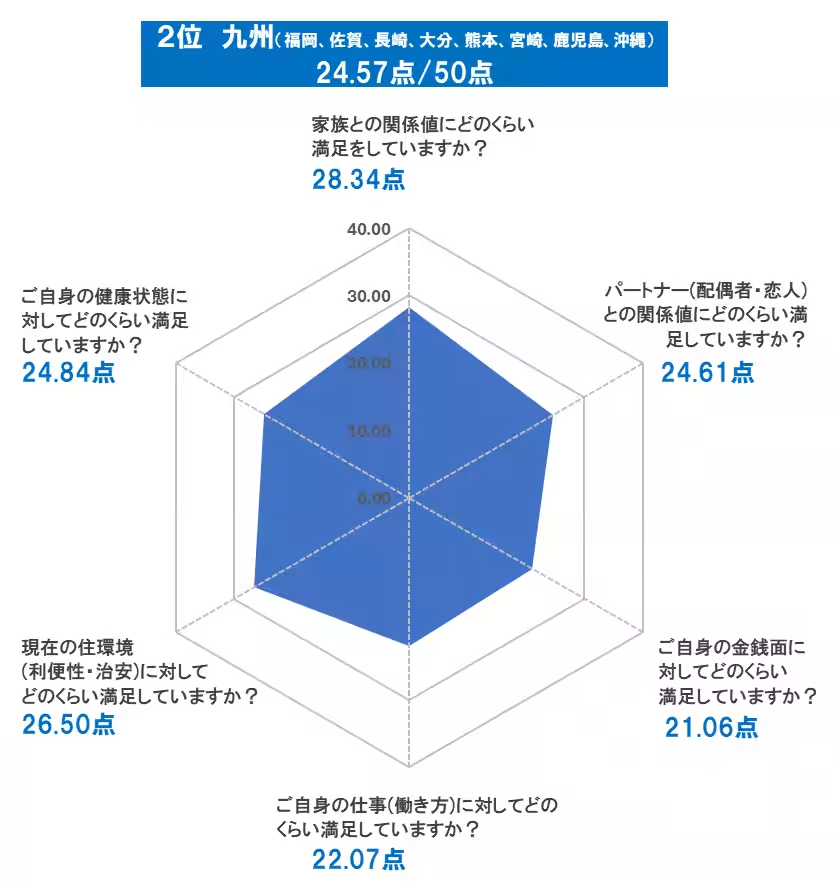
Remarkably, the Kinki region, which hosted the Osaka-Kansai Expo, topped the list for overall happiness in 2025 with a score of 24.62 points. The area's positive developments, such as sports achievements and infrastructure advancements, likely contribute to this surge in happiness. Notably, respondents highlighted desirable aspects of Kinki, including green spaces and convenient access to amenities, further solidifying its reputation.
Positive Effects of Capturing Moments
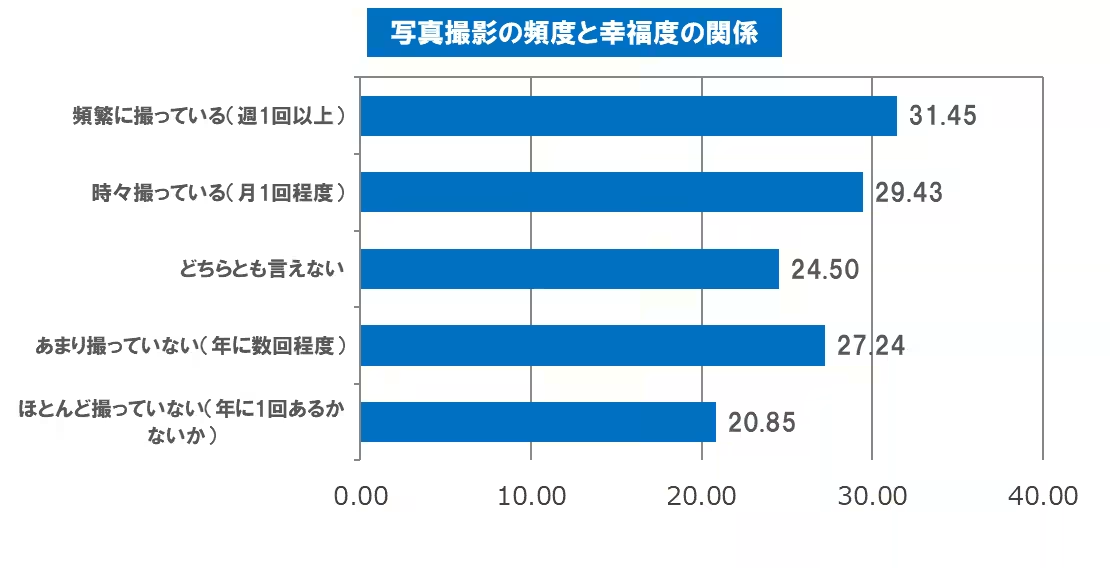
An intriguing segment of the study examined the correlation between photo-taking habits and happiness levels. Participants who frequently took photographs reported higher satisfaction levels than those who rarely captured moments, suggesting that documenting experiences can enhance happiness.
Conclusion
The findings from Tameny Inc.’s Happiness Survey 2025 offer valuable insights into the evolving dynamics of happiness across various demographics in Japan. As societal factors continue to shift, the relationship we maintain with work, family, and personal experiences significantly influences our overall happiness. Tameny's commitment to utilizing this research to promote societal well-being remains steadfast, and looks to foster a happier future for all.






Topics People & Culture)

【About Using Articles】
You can freely use the title and article content by linking to the page where the article is posted.
※ Images cannot be used.
【About Links】
Links are free to use.