



Understanding the Growing Challenge of Hay Fever in Japan: Recent Survey Insights
The Rising Challenge of Hay Fever in Japan: Insights from a New Survey
As the seasons shift, many individuals in Japan find themselves grappling with the discomfort of hay fever—a condition that seems to be on the rise. Recent research conducted by Cross Marketing, based in Shinjuku, Tokyo, sheds light on the extent and nature of hay fever symptoms experienced by adults across the nation. The survey encompassed a broad demographic, targeting individuals aged 20 to 69, seeking to unveil the nuances of living with this pervasive allergy.
The Prevalence of Hay Fever Symptoms
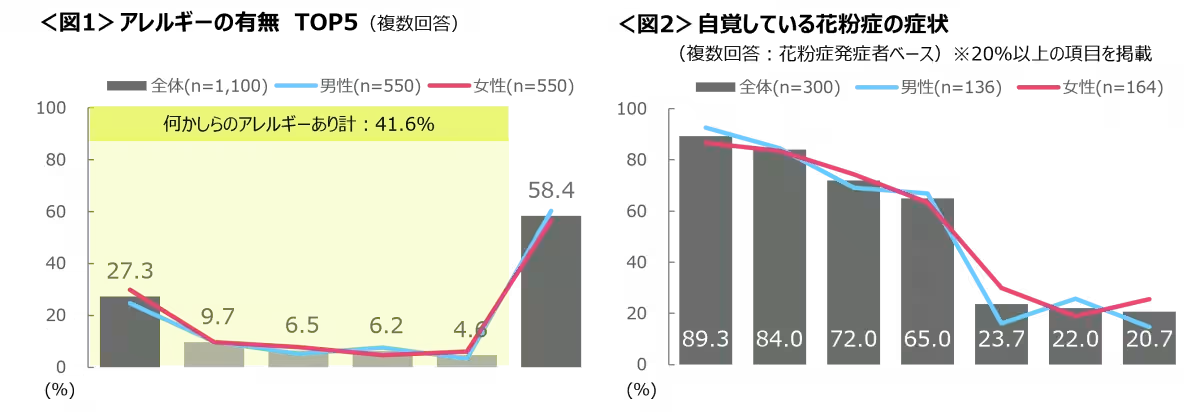
According to the survey, approximately 41.6% of respondents reported experiencing some form of allergic symptoms, with hay fever being the most common among them at 27.3%. The most frequently reported symptoms were nasal discharge and sneezing, affecting over 80% of those with hay fever. Other notable symptoms included itchy eyes and nasal congestion, reported by 60-70% of participants.
Interestingly, the survey revealed gender differences in symptom experience. While men primarily reported symptoms such as nasal discharge and congestion, women were more likely to experience itchiness in the eyes and throat, as well as skin irritations.
Preferred Strategies for Management
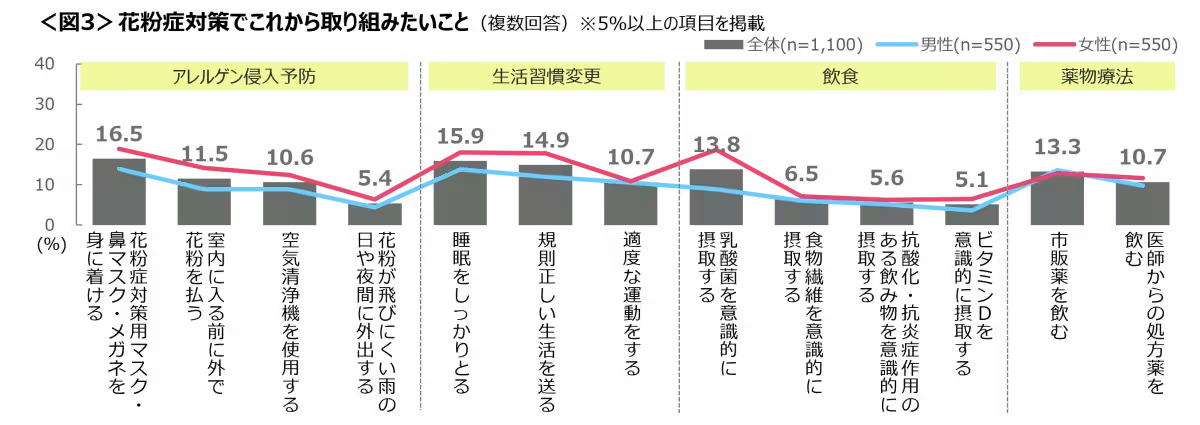
When it comes to managing hay fever, participants expressed a clear desire to adopt specific strategies. The top three preferences included wearing specialized masks and glasses designed for allergy protection, ensuring adequate sleep, and maintaining a regular lifestyle. Notably, there was a marked inclination among women to incorporate probiotics into their diets compared to their male counterparts, indicating a proactive approach towards allergy management.
Everyday Challenges Faced by Sufferers
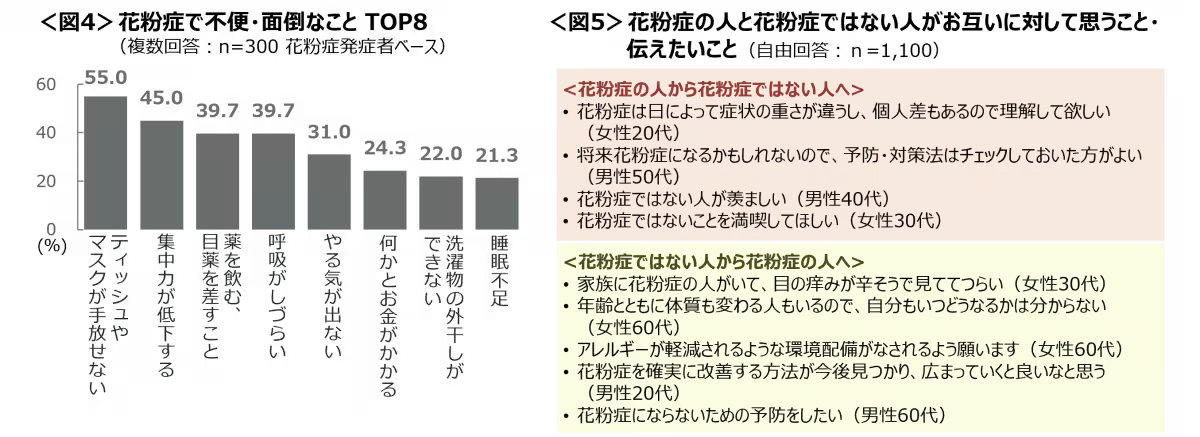
Living with hay fever presents a multitude of challenges. Over half of the respondents indicated that they could not part with tissues and masks, indicating a significant disruption in their daily activities. Other reported inconveniences included decreased concentration, the continuous need for medication and eye drops, breathing difficulties, and a general lack of motivation—all of which can greatly affect one’s overall quality of life.
A Call for Mutual Understanding
The survey insights also highlighted the importance of empathy and understanding between hay fever sufferers and those who do not experience the condition. Sufferers expressed a desire for non-sufferers to appreciate the varying severity of symptoms and encouraged proactive measures to address potential future outbreaks of the allergy. Conversely, non-sufferers conveyed their support and shared hopes for the development of more effective treatments and prevention strategies.
Conclusion
In conclusion, hay fever remains a substantial concern for many adults in Japan, affecting their daily routines and overall well-being. The findings from this survey not only bring awareness to the symptoms and challenges faced by those affected but also emphasize the need for mutual understanding and support. As individuals look for effective measures to combat the allergy, collective efforts towards awareness and research will be crucial in mitigating the impact of hay fever in the future.
The detailed survey was conducted online by Cross Marketing using their self-service survey tool, QiQUMO, and gathered 1,100 valid responses from various regions in Japan, reflecting a comprehensive nationwide perspective on hay fever.
For further investigation into the marketing research conducted by Cross Marketing, please refer to their official website and contact details.
Topics Other)
【About Using Articles】
You can freely use the title and article content by linking to the page where the article is posted.
※ Images cannot be used.
【About Links】
Links are free to use.