



Sanyo Shokai Conducts First Ever Fukukatsu Classes in Shibuya
Sanyo Shokai’s Engaging Fukukatsu Program Reaches Shibuya
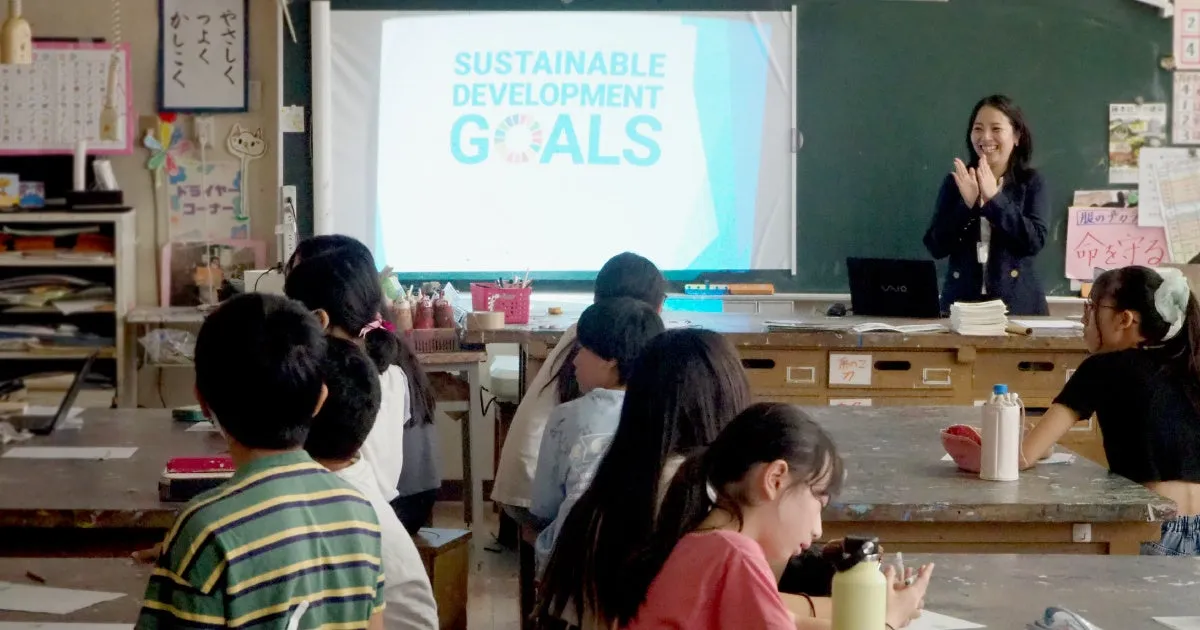
On September 12, 2025, Sanyo Shokai took a significant step in its commitment to education and sustainability by conducting its first Fukukatsu (clothing education) class at Rinkawa Elementary School in Shibuya. This initiative marks a departure from its prior focus on Shinjuku, as the company aims to broaden the reach of its programs designed to instill an appreciation for clothing among future generations.
Since its inception in 2014, the Fukukatsu program has sought to nurture a mindset of valuing clothing through hands-on learning experiences for children. The goal is for young learners to understand the joy of creation and foster a sense of responsibility towards their clothing, promoting the idea of wearing clothes for a long time and with care.
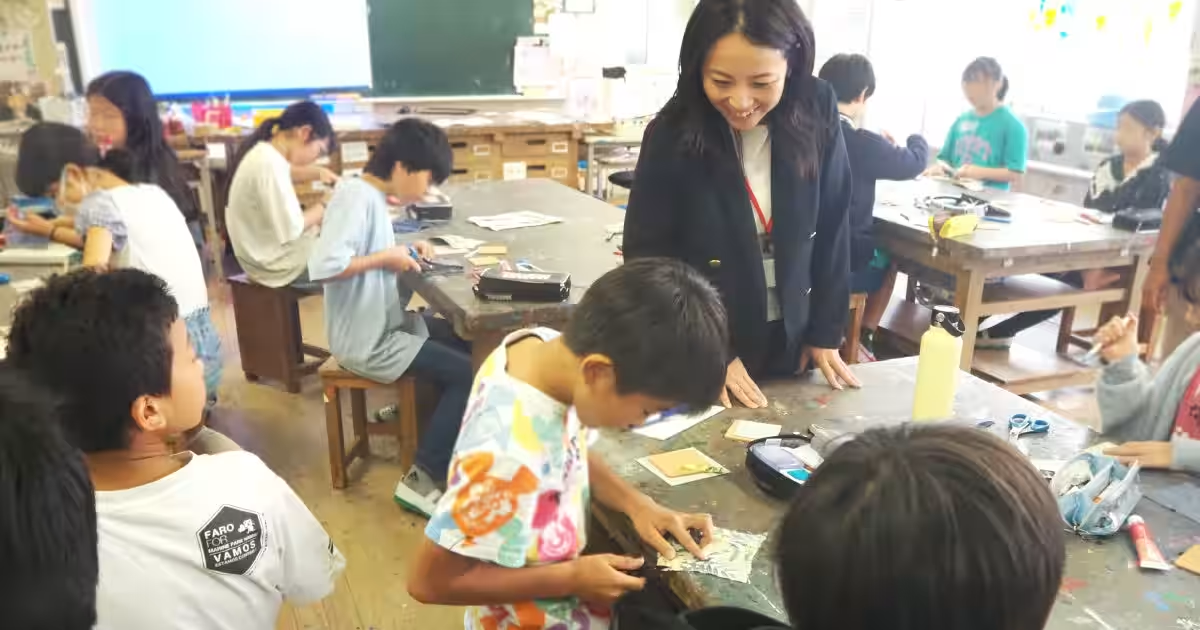
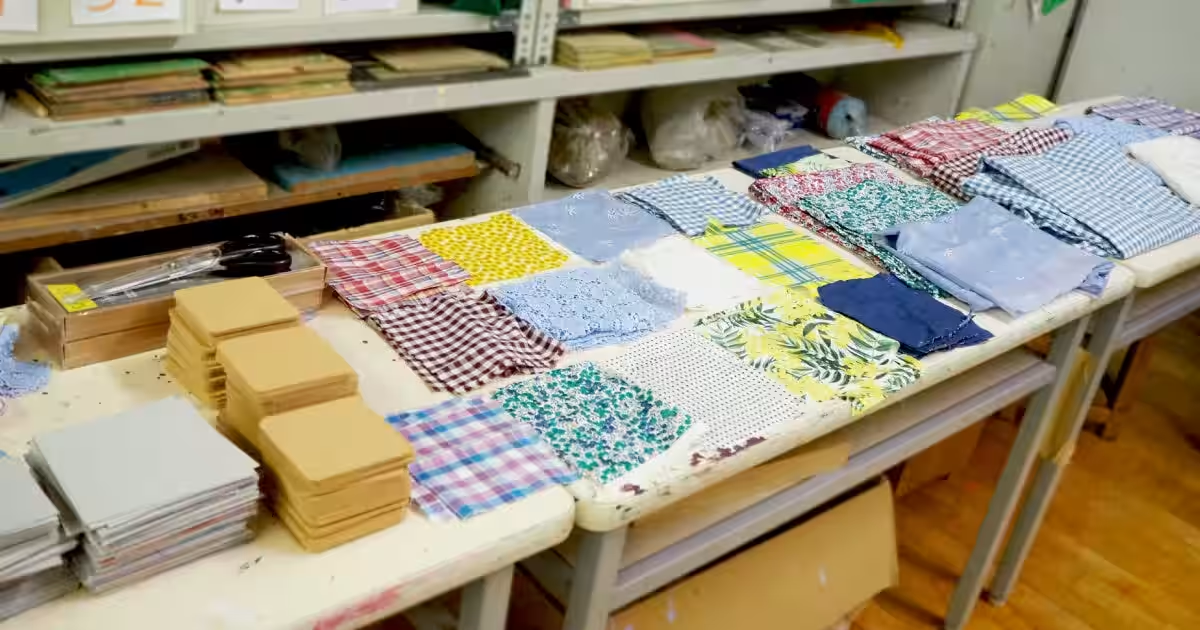
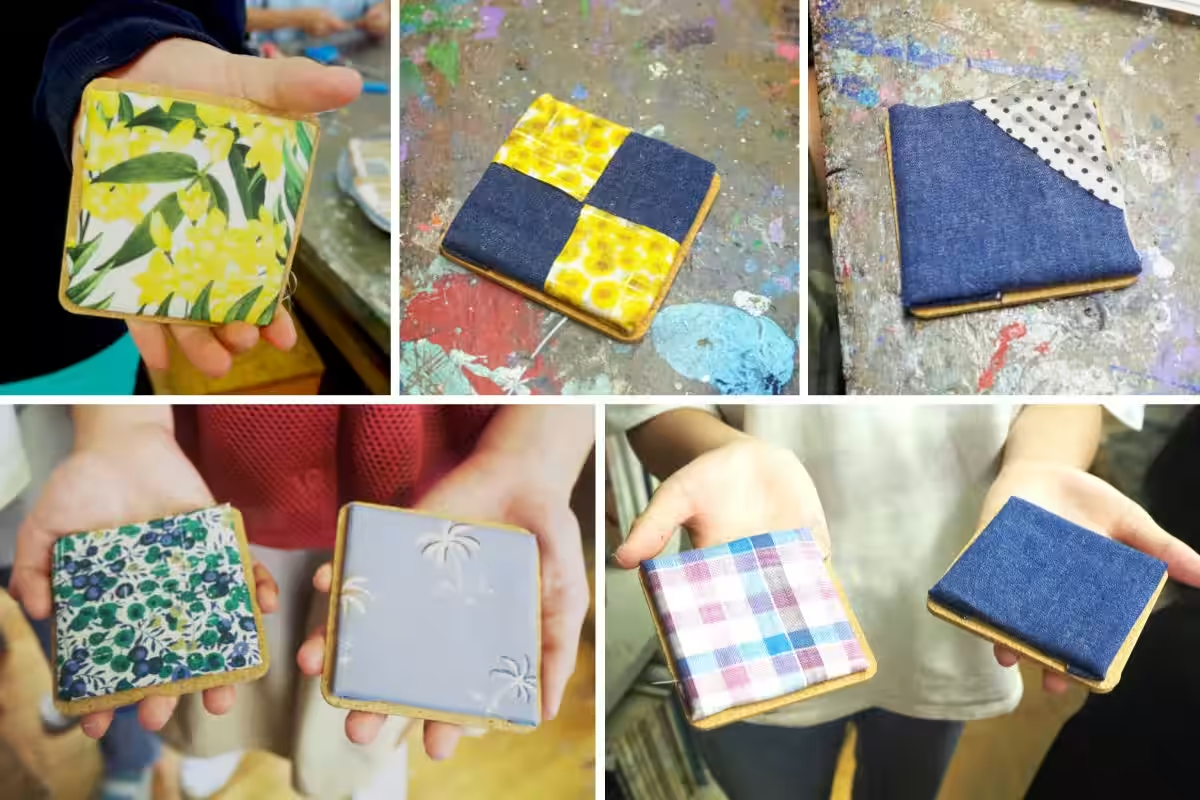
During the recent session at Rinkawa Elementary School, students learned about the journey of clothing from raw materials to finished garments, with a particular emphasis on sustainability and upcycling practices. This educational experience was coupled with a workshop where the children created coasters from leftover fabric from the company’s manufacturing processes, highlighting the importance of reusing materials.
The Importance of Sustainability in Modern Education
Towards the backdrop of increasing emphasis on sustainability education within the new curriculum guidelines, Sanyo Shokai's initiative aligns well with the growing demand for practical learning environments centered on environmental responsibility. With the focus shifting towards equipping students with knowledge and understanding about sustainability and career options, Sanyo Shokai's Fukukatsu sessions serve as valuable platforms for enlightening the next generation.
The Fukukatsu classes have evolved from activities centered predominantly around Shinjuku, though there has been a noticeable demand for such programs elsewhere. The request from Shibuya’s Rinkawa Elementary signifies not only the success of Sanyo Shokai’s previous efforts but also the critical need for educational support in sustainability.
Structure and Content of the Fukukatsu Class
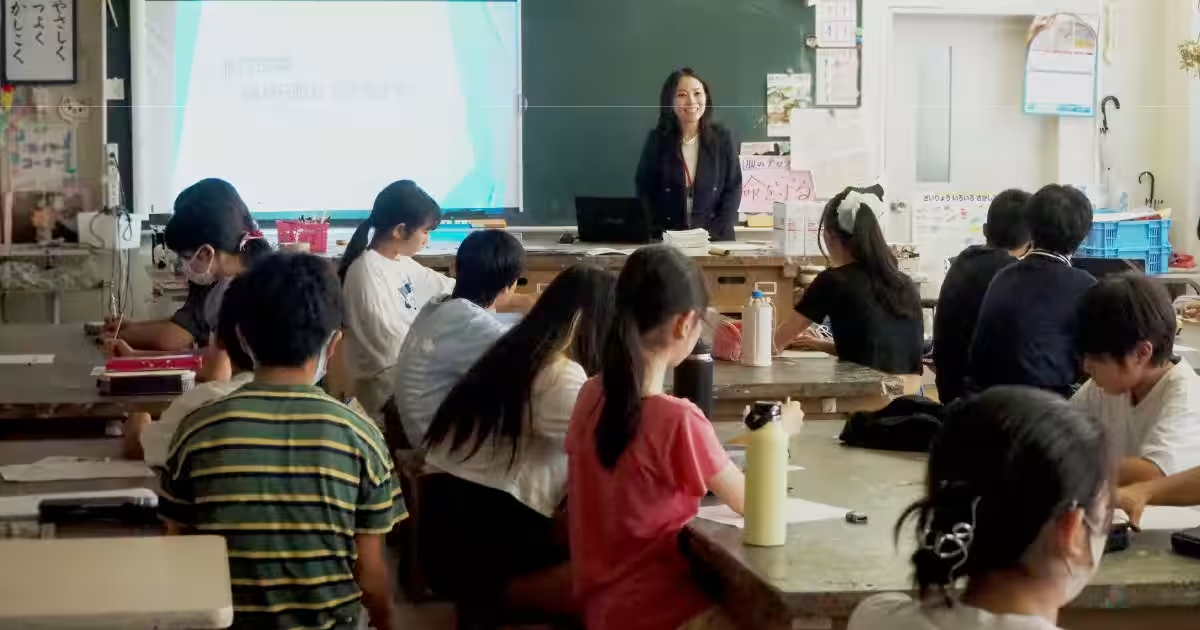
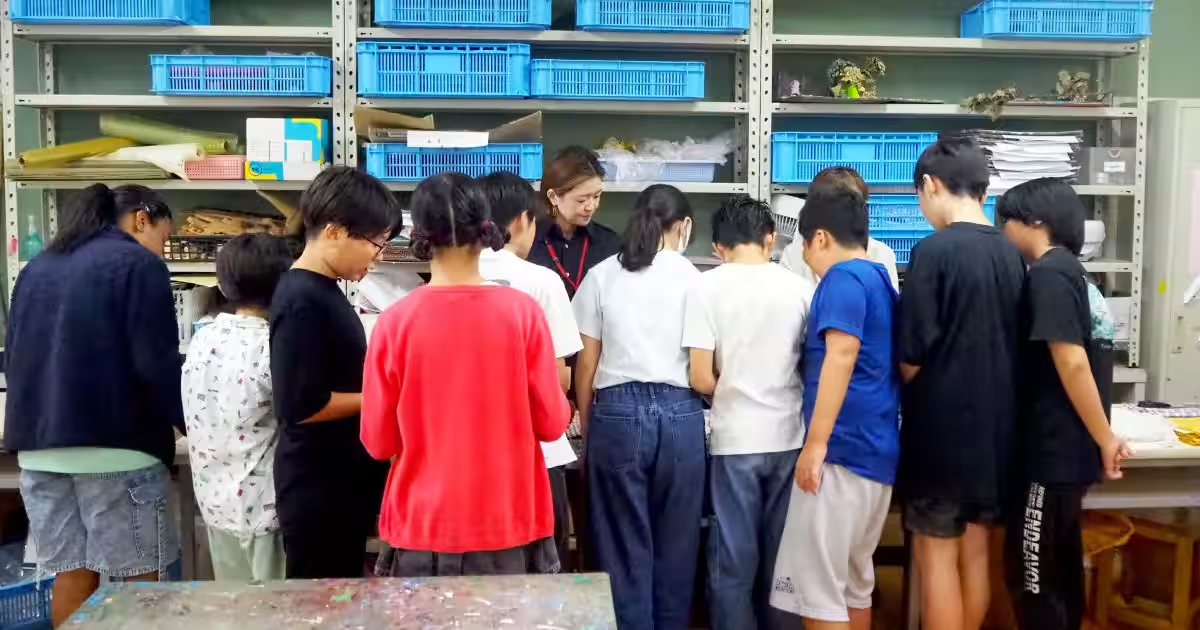
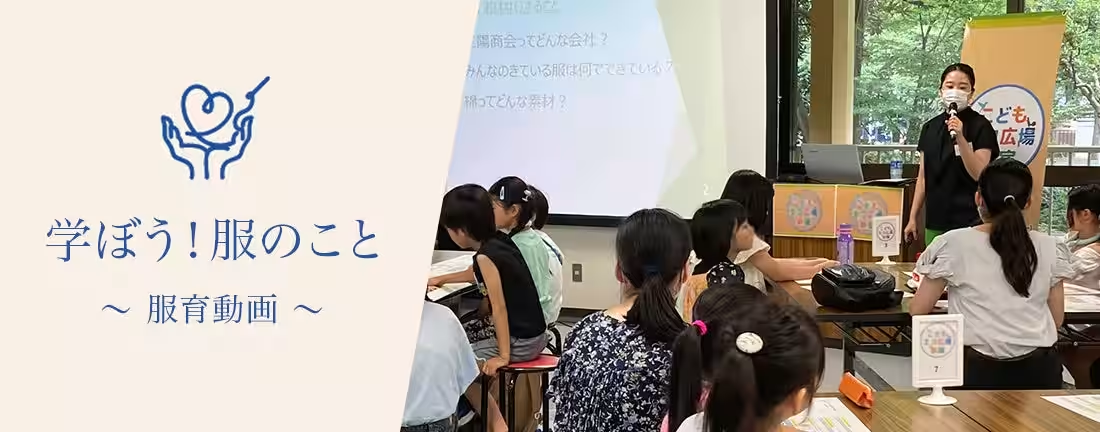
On the day of the lesson, two classes of sixth graders, totaling about 50 students, participated in the Fukukatsu program. A representative from the human resources department led the class, engaging students with interactive quizzes that explored topics related to sustainability, the clothing manufacturing process, and various professional roles within the fashion industry, including that of designers and pattern makers.
Students came equipped with curiosity, examining tags on their clothing to identify materials like recycled polyester, making connections between their everyday lives and broader environmental issues. This kind of engagement represents a significant step in raising awareness among children about the implications of their fashion choices.
In the latter part of the workshop, students used leftover fabric to create their own coasters, enjoying the creative process while also realizing the value of upcycling. The vibrant array of colors and textures allowed them to personalize their creations, transforming waste into items of utility and beauty, and reinforcing the lesson on sustainability.
Feedback from the participating students included remarks such as, "I had no idea so many people were involved in making a single coat," and, "I knew about designers, but I didn’t know what a pattern maker does." Many expressed their excitement to gift the coasters they created, showcasing their newfound respect for the labor and creativity that goes into clothing production.
Shibuya's Broader Educational Efforts
Rinkawa Elementary School is part of a larger initiative by Shibuya Ward that leverages the Ministry of Education’s special program to enhance learning opportunities related to sustainability. This includes developing a curriculum called “Shibuya Future Studies” to be rolled out in 2024 across all ward schools, deepening engagement with themes such as environmental issues and community ties.
The Fukukatsu class was incorporated into the art curriculum as a way to discuss the concept of “working” in relation to environmental impacts and the concept of upcycling. This innovative approach addresses pressing issues of waste while also encouraging students to forge meaningful connections between their learning and the real-world implications of their actions.
Comments from the School: According to Mr. Suzuki, the art teacher at Rinkawa, the aim is to expand students’ perspectives through hands-on projects. He noted that the children have begun to pay closer attention to the materials that compose their clothing and realize the extensive processes involved in garment production. The school is looking forward to future collaborations that will culminate in events like fashion shows, spotlighting the environmental challenges in the apparel industry.
Conclusion
Sanyo Shokai's commitment to the Fukukatsu program exemplifies its dedication to environmental education and the nurturing of informed, conscientious future consumers. By combining fun, creative experiences with meaningful lessons on sustainability, the company is playing a crucial role in shaping the values of the next generation, helping them to understand the significance of their choices within the fashion landscape.
Topics People & Culture)


【About Using Articles】
You can freely use the title and article content by linking to the page where the article is posted.
※ Images cannot be used.
【About Links】
Links are free to use.