



Handwritten Planners: A Solution Against Smartphone Dementia in the Digital Era
Handwritten Planners: A Solution Against Smartphone Dementia in the Digital Era
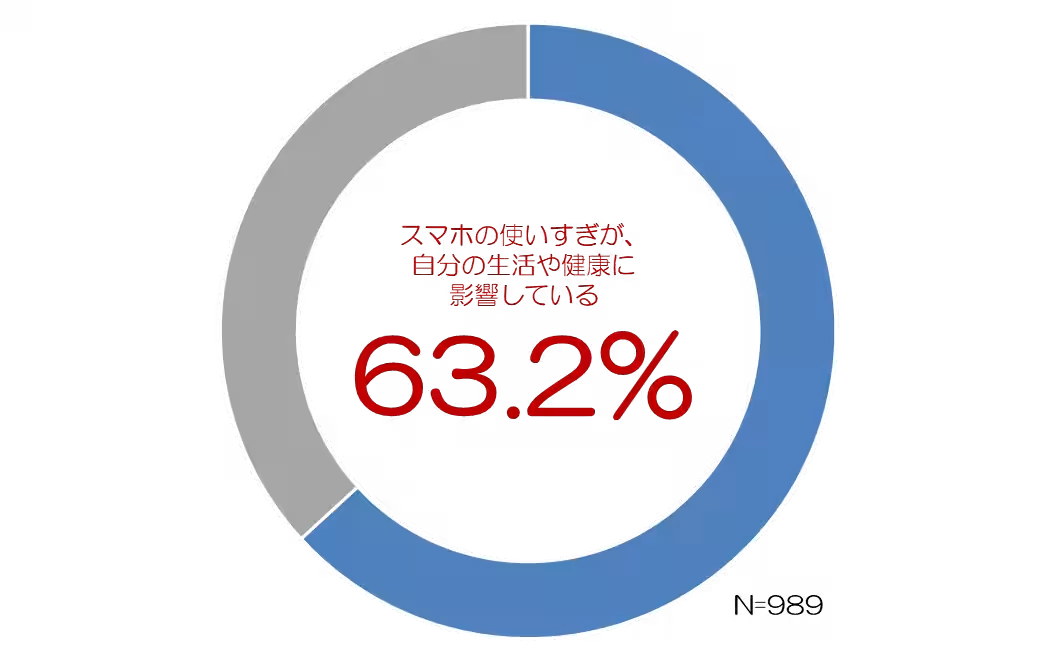
In recent years, the rise of smartphones has led to increasing concerns about 'smartphone dementia'—a term that describes the decline in memory and focus due to excessive digital device usage. According to a survey conducted by Takahashi Publishing, which specializes in planners and practical living books, 63.2% of participants, aged between 10 to 60, expressed that rampant smartphone use negatively impacts their daily lives and health.
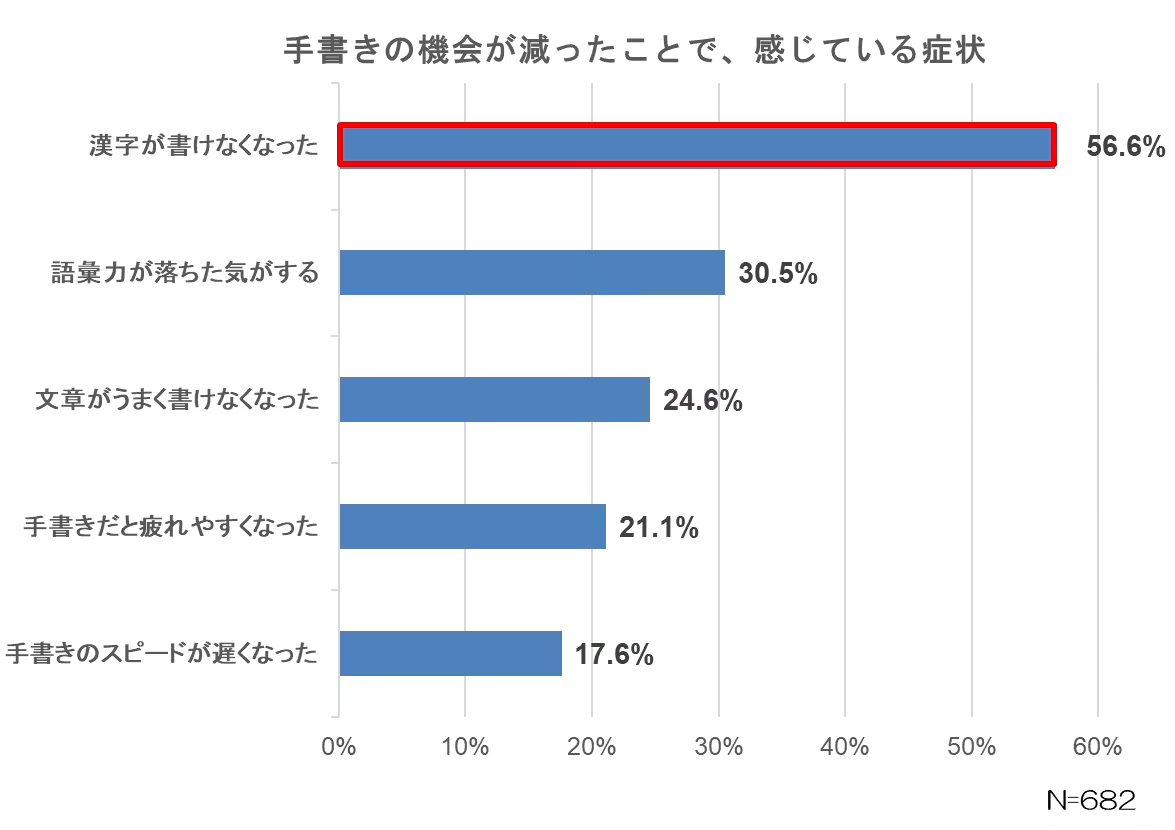
The survey showed that a staggering 68.2% of respondents felt that their opportunities for handwriting had significantly decreased in the digital age. Additionally, over half (56.6%) admitted to struggling with writing kanji, reflecting a broader decline in writing skills. This trend begs the question of how to address these emerging cognitive challenges.
Digital Detox: A Growing Interest
Despite the growing awareness of digital detoxification, 54.7% of those surveyed expressed a desire to detox but felt unable to do so. In this climate, many have turned to analog hobbies as a respite. Specifically, 35.4% indicated they engage in reading or keeping handwritten journals as a way to establish a healthier distance from their screens. The act of writing by hand promotes mental clarity, making it essential for individuals today to carve out moments of tranquility through writing.
Expert Insights on Writing
Brain scientist Yoshikuni Eda comments, "In the sea of information, finding peace is vital. Morning planning with a notebook creates space for reflection and clarity. Writing down your tasks and priorities at dawn can foster positive focus for the day ahead."
Planning for the Future: Pre-End-of-Life Preparation
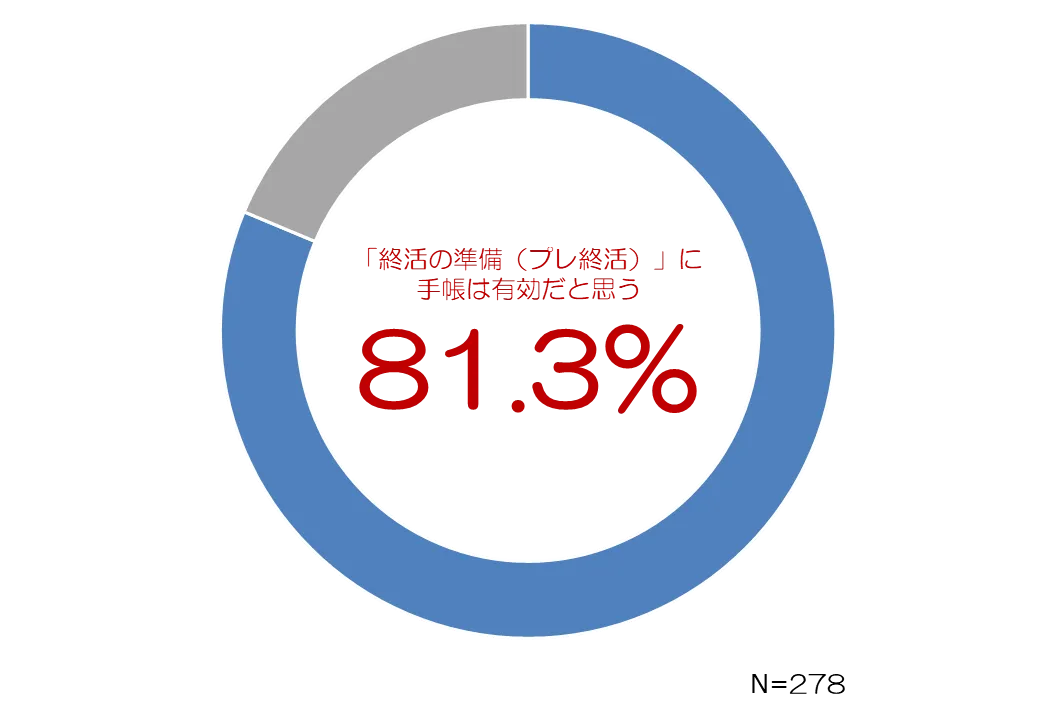
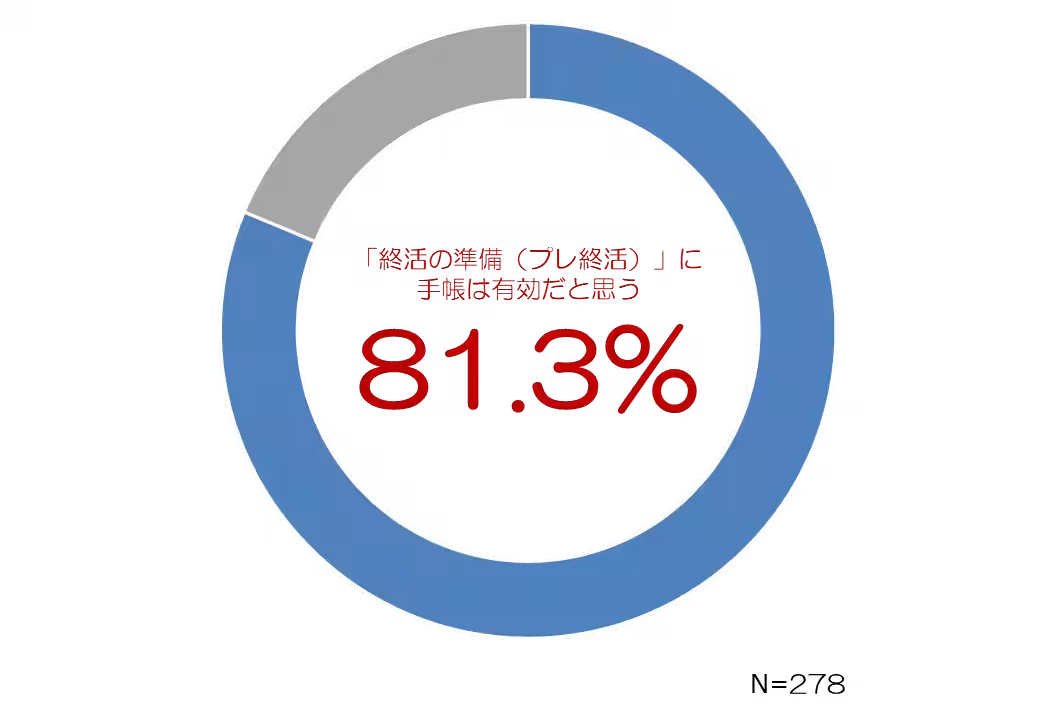
In the era of a lifespan that may exceed a century, the concept of 'pre-end-of-life preparation' or 'pre-shukatsu' is gaining traction. About 81.3% of the respondents believe that using a planner can facilitate this process by allowing them to jot down thoughts conveniently at any time.
Remarkably, 47.5% of individuals felt the necessity to prepare for their end-of-life plans, yet a significant minority, 60%, shared that they were contemplating such actions but had not initiated them. This disparity highlights a gap between awareness and action.
Popular methods for pre-end-of-life preparations noted by respondents included writing ending notes, drafting letters to family, and creating a 'want to-do' list—83.1% favoring methods that involve handwriting. This suggests that writing helps clarify their thoughts and feelings about future uncertainties.
Attorney Shinichi Kitamura emphasizes, "Handwriting your wishes, desires, and important thoughts within a planner is an excellent first step toward meaningful end-of-life planning. It converts your ideas into a tangible task list."
The Planner’s Role in Emergency Situations
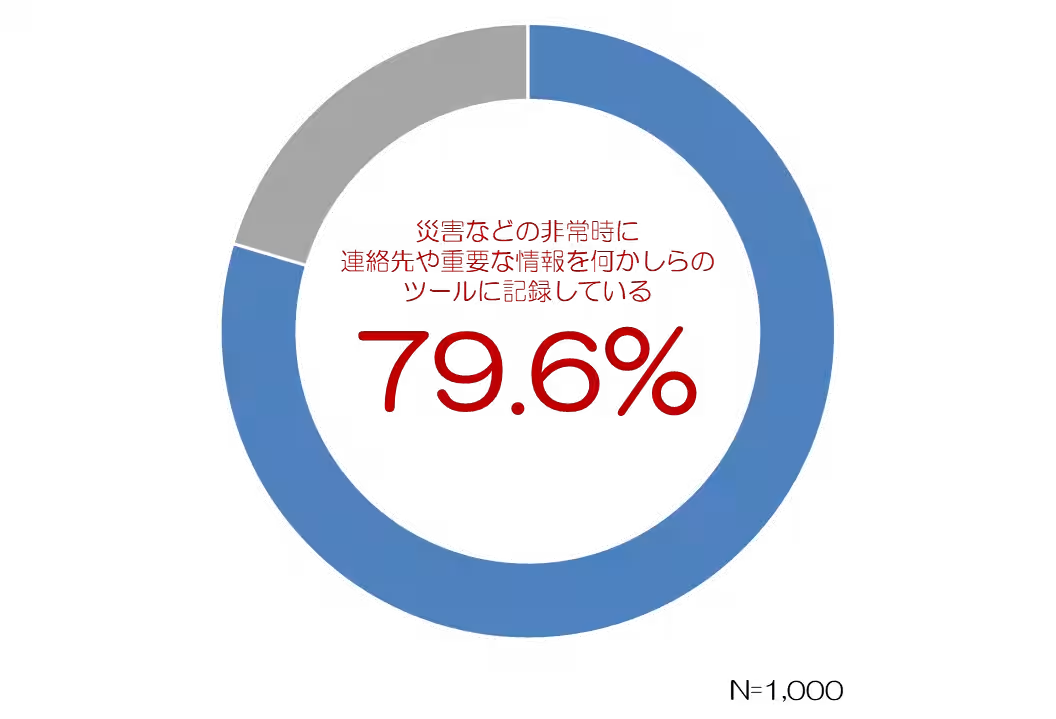
Living in a disaster-prone country like Japan necessitates preparedness. In the event of an emergency, 79.6% of respondents have recorded actionable steps, vital information, or emergency contacts in various formats. Surprisingly, 36.8% of these users fall under the youth category of teenagers to young adults, indicating that even digital natives appreciate the advantages of traditional planners. Moreover, 58.9% agreed that having organized information reduces anxiety during emergencies, with many stating that writing helps them process their emotions.
The Continuing Relevance of Handwriting
As digitalization permeates our lives, the act of writing helps retain and enhance memory. According to the survey, 31.7% confirmed that handwritten scheduling is easier to remember compared to digital formats. Over half (55.7%) utilize other digital tools in conjunction with planners, yet many prefer handwritten logs for their flexibility. Users mentioned that they appreciate the ease of making quick notes and the satisfaction of managing their schedules in a familiar format.
Usage Beyond Scheduling
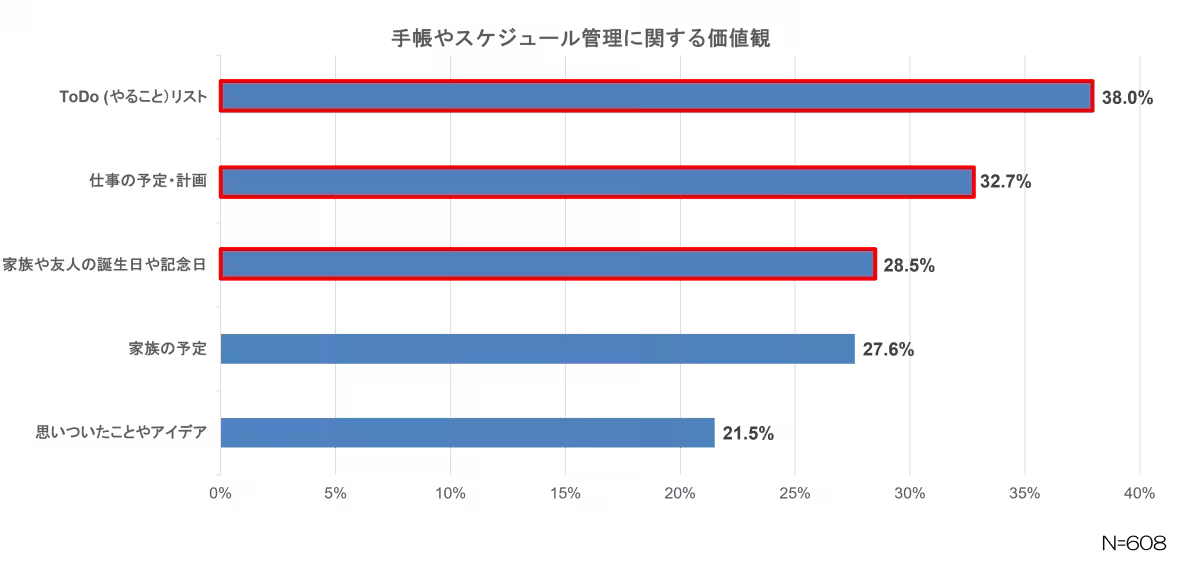
Besides scheduling, planners serve diverse roles—38.0% of users utilize them for 'ToDo' lists, while 32.7% manage work plans, and 28.5% note vital personal dates. This multifaceted functionality showcases the planner's ability to integrate various personal and professional tasks into one coherent system, offering a comforting sense of reliability and organization, often missing in fragmented digital tools.
Conclusion
In conclusion, the data underscores the importance of planners in combating smartphone dementia and fostering both mental clarity and preparedness for future uncertainties. As our society progresses further into the digital realm, integrating simple yet effective tools like planners could be key in creating healthier habits for the mind.
- ---
Survey Overview
- - Subject of Survey: Attitudes towards planners
- - Participants: 1,000 individuals aged 10 to 60
- - Survey Method: 45 questions
- - Conducted: October 1-8, 2025
Topics People & Culture)

【About Using Articles】
You can freely use the title and article content by linking to the page where the article is posted.
※ Images cannot be used.
【About Links】
Links are free to use.