



The Shift from Promotion to Side Jobs: Insights from a New Survey
The Shift from Promotion to Side Jobs: Insights from a New Survey
In recent years, the traditional notions of career success, such as promotions and long-term employment, have begun to shift dramatically. A survey conducted by Jigyoka Shudan Co., Ltd., a Tokyo-based company, reveals that half of managerial employees feel dissatisfied with their salaries, and a staggering 70% find more appeal in side jobs compared to promotions.
Survey Overview
The survey, focused on the perception of promotions and side jobs among employees, targeted two age groups: individuals in their 20s and those in their 40s. Conducted between September 30 and October 2, 2025, the survey garnered responses from 1,017 participants, equally divided between the two age groups, using PRIZMA's internet survey methodologies.
Dissatisfaction with Current Salaries
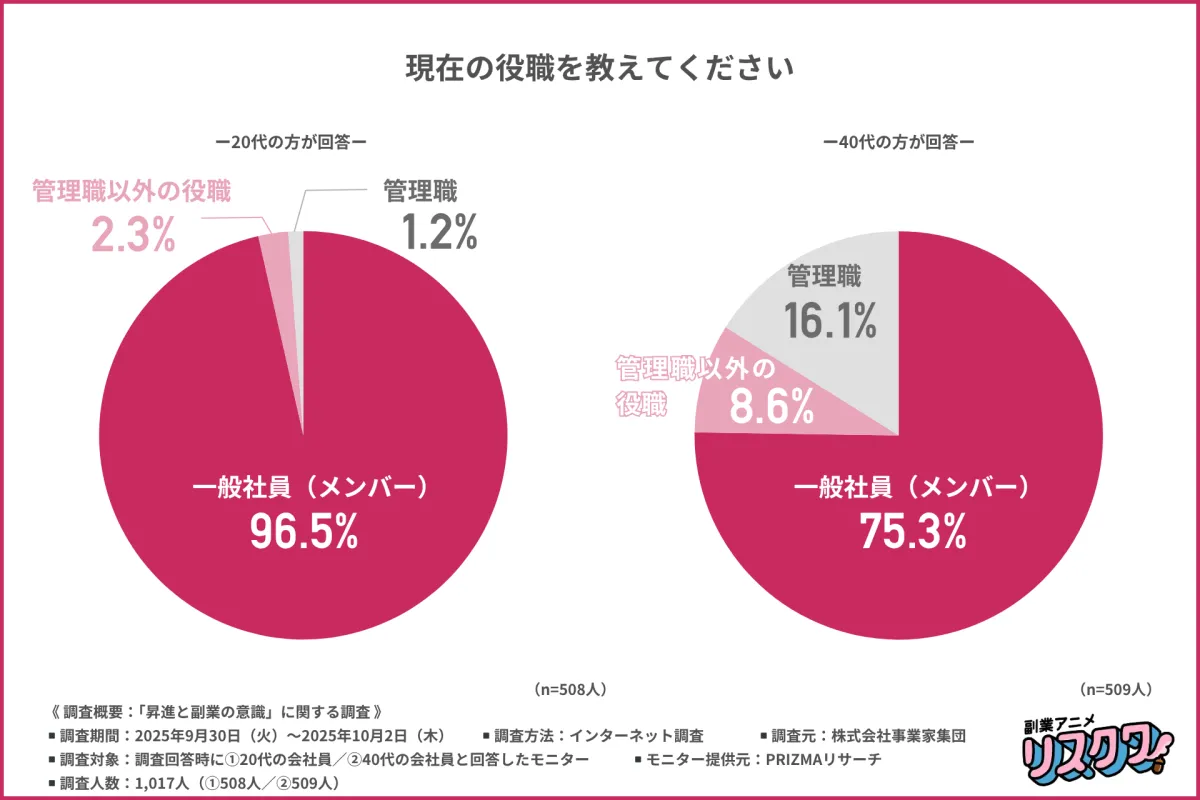
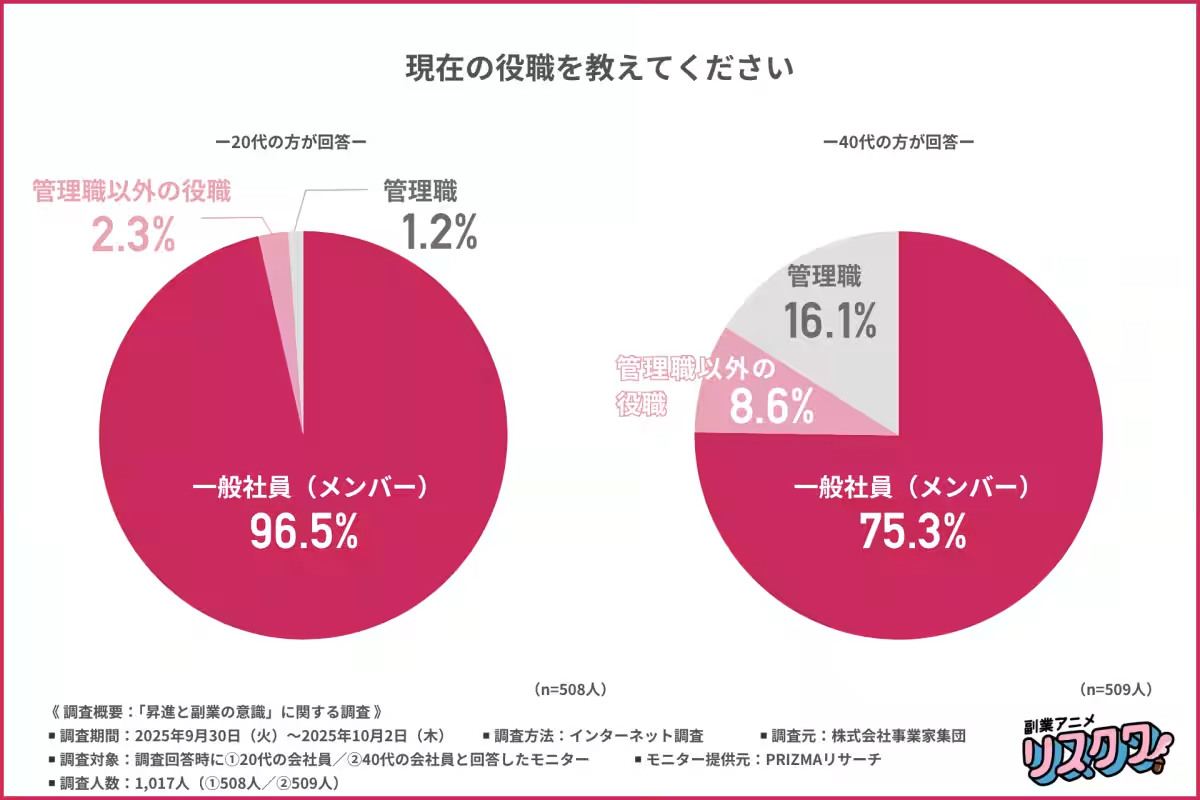
When asked about their current positions, results showed that a vast majority of employees in their 20s hold regular staff roles (96.5%), while only a small fraction have achieved managerial positions (1.2%). Conversely, 16.1% of respondents in their 40s occupy managerial roles, highlighting a significant difference in career progression between the two groups.
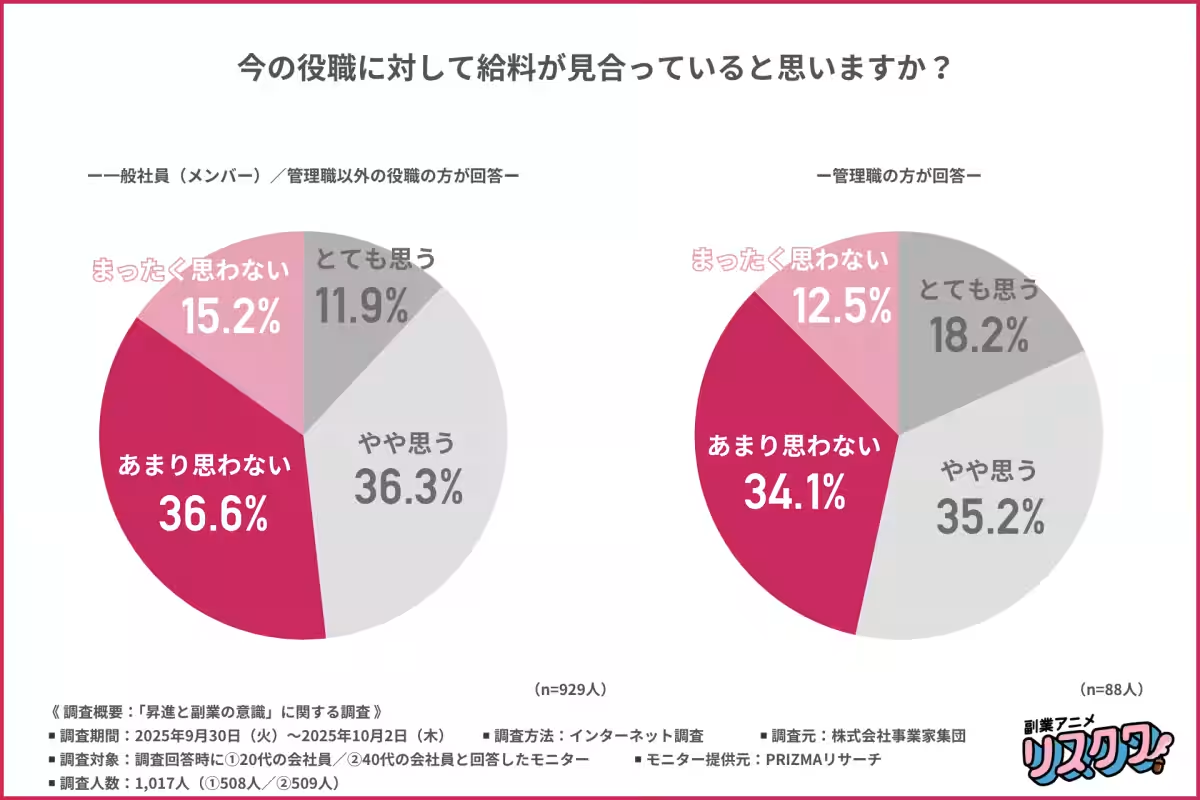
Despite these roles, many respondents from both age categories expressed feelings of salary dissatisfaction. For regular staff, only 11.9% felt their pay was adequate for their position, while 15.2% reported feeling entirely undervalued. Among managerial staff, the dissatisfaction was similarly pronounced, with about half acknowledging that their compensation did not align with their responsibilities.
Reasons for Perceived Salary Discrepancy
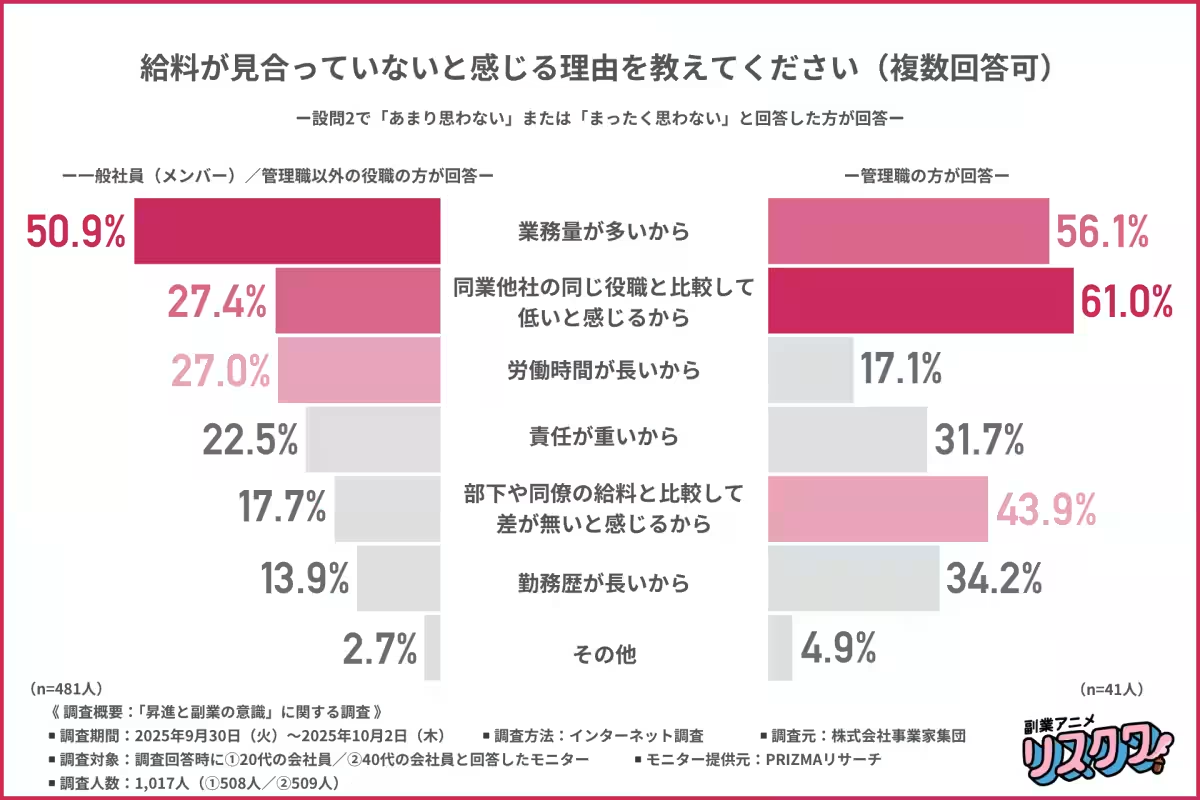
Digging deeper into the reasons for salary dissatisfaction, survey results indicated that 50.9% of regular staff felt overwhelmed by their workload, while 61.0% of managerial respondents cited lower pay compared to their peers in similar positions within the industry. The burden of increased responsibilities without corresponding rewards appears to be a common concern across both groups, raising questions about the existing employment structures.
Aspirations for Promotion
When assessing the desire for advancement, approximately 40% of young employees wish to become managers, whereas only about 30% of their older counterparts share this goal. This decline appears to mirror growing apprehensions about the added responsibilities and pressures associated with managerial roles, particularly in the 40s cohort.
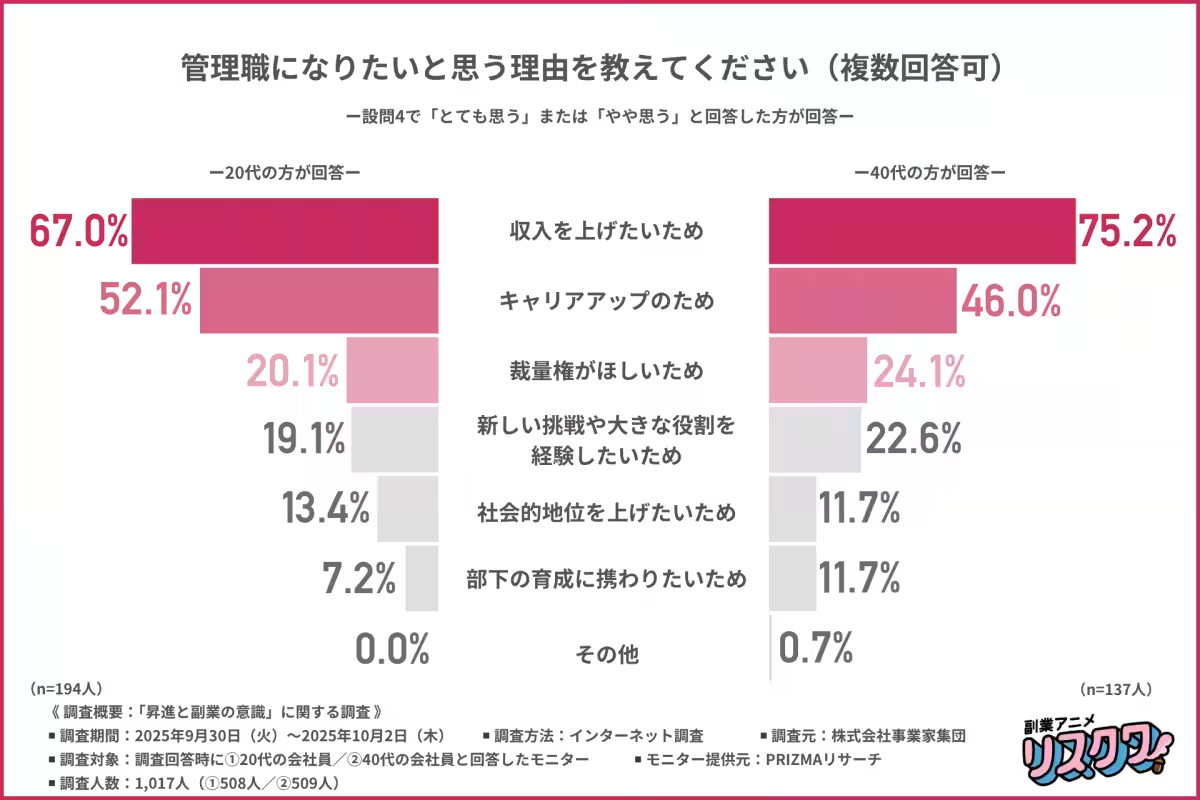
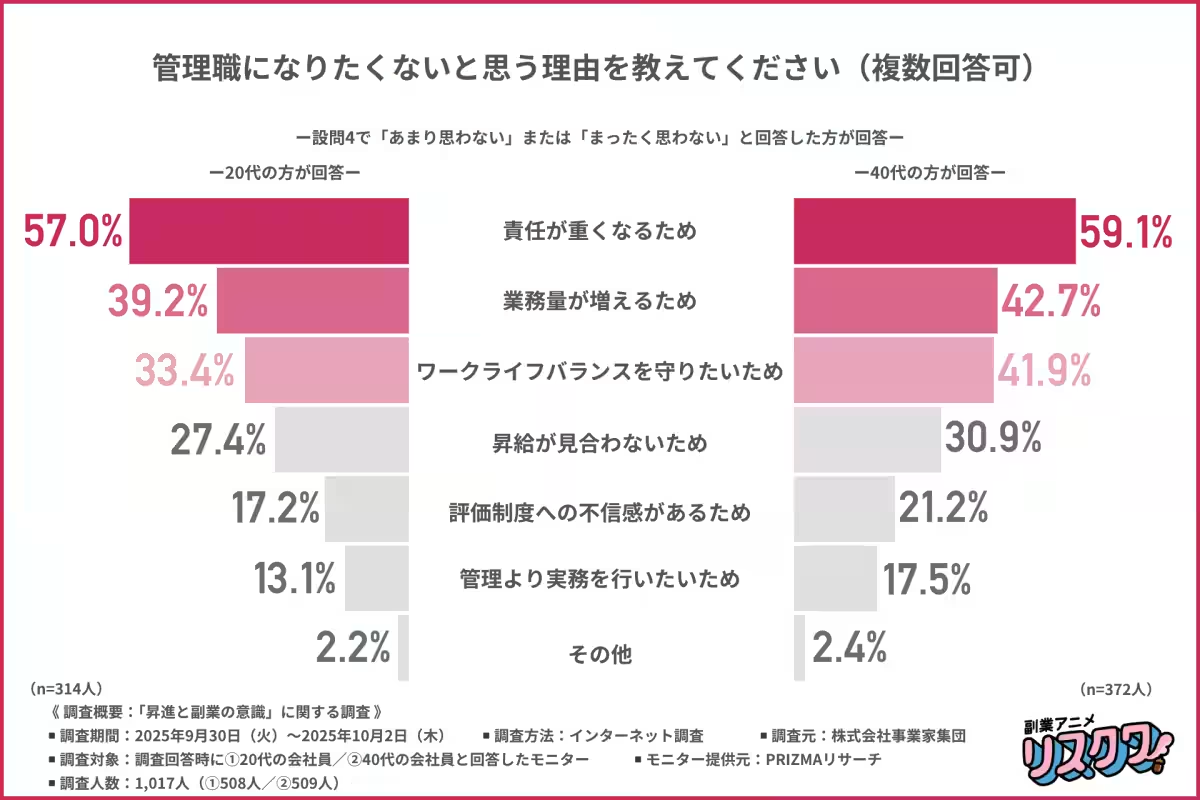
Despite the evident reluctance, the primary motivation for those aspiring to managerial positions remains consistent across age groups: the desire for increased income. However, significant factors hindering aspirations include the fear of heavier responsibilities, increased workloads, and the challenge of maintaining a work-life balance.
The Rise of Side Jobs
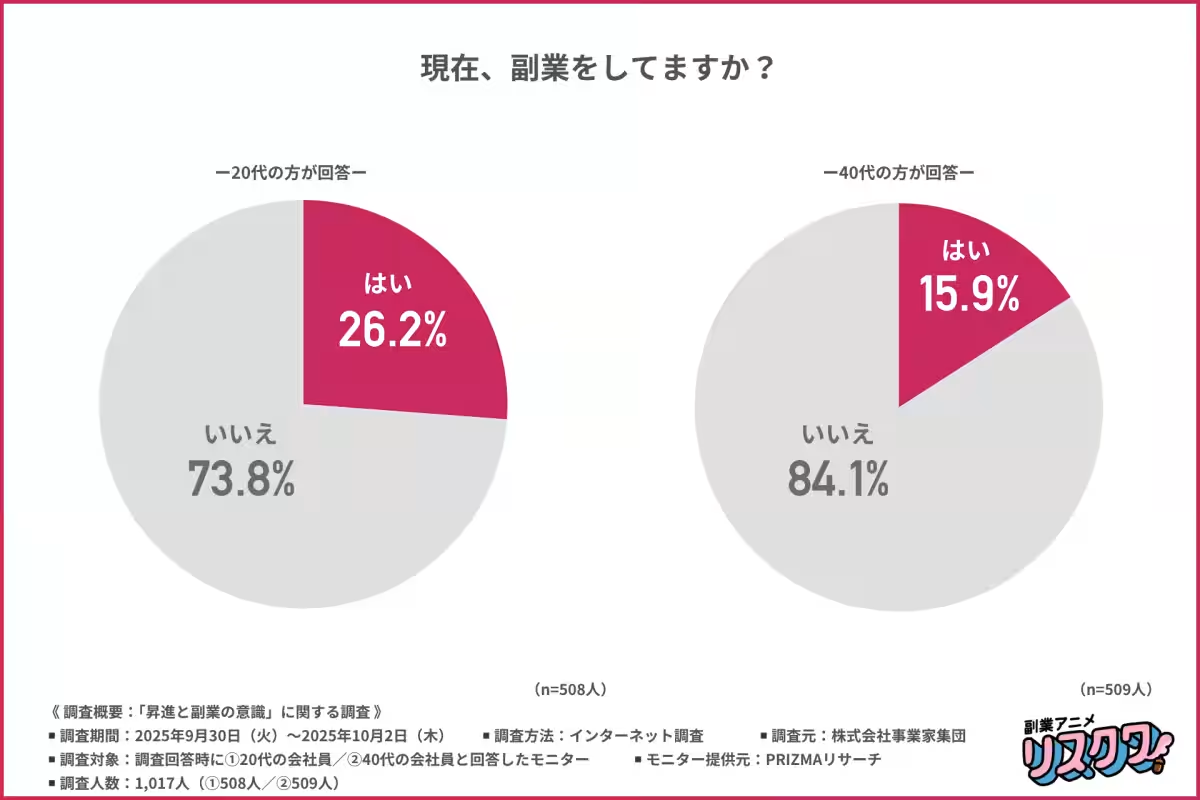
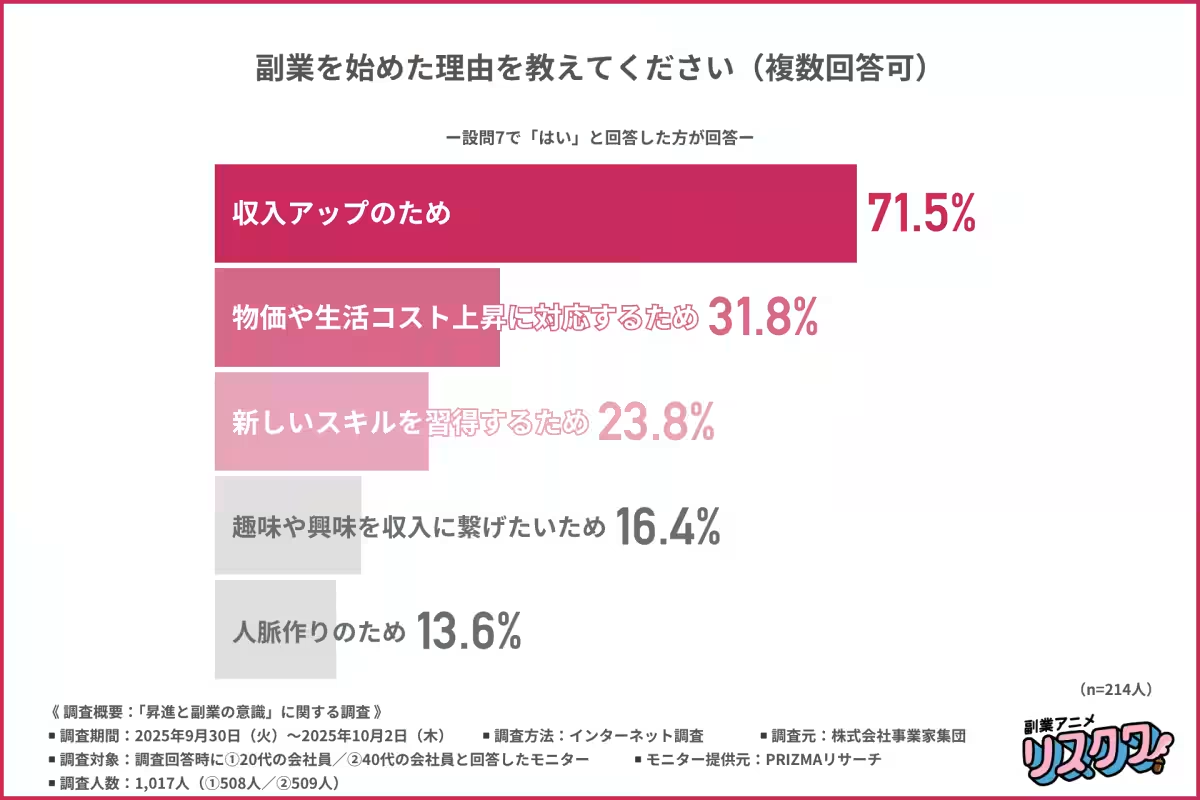
Interestingly, the trend of turning towards side jobs has gained traction, notably among younger employees. Approximately 26.2% of individuals in their 20s are currently engaging in side jobs, compared to only 15.9% in their 40s. Motivation for these side jobs primarily revolves around supplementary income, indicating a clear shift toward entrepreneurial endeavors and alternative career paths.
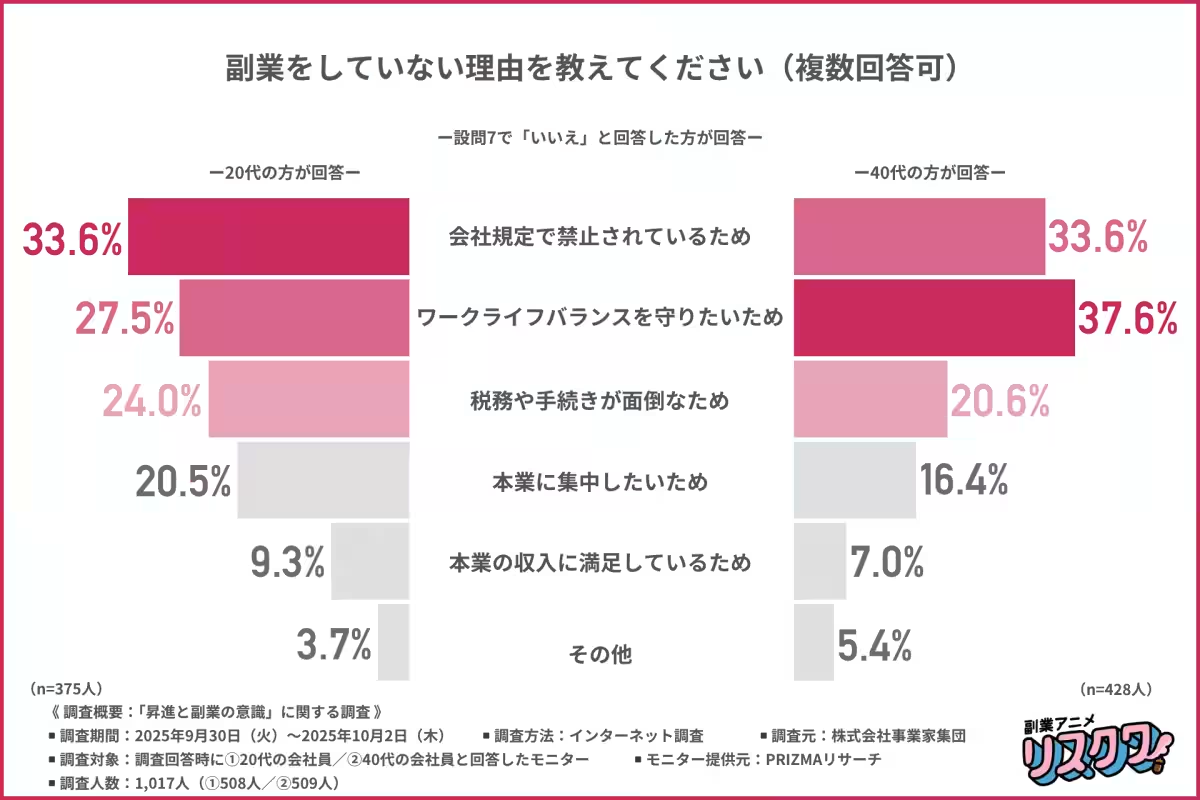
However, among those not participating in side jobs, reasons vary: for the younger demographic, over 33.6% cited strict company policies against side jobs or favored a balanced work-life schedule, while older respondents prioritized balance even more at 37.6%.
Appeal of Side Jobs Over Promotions
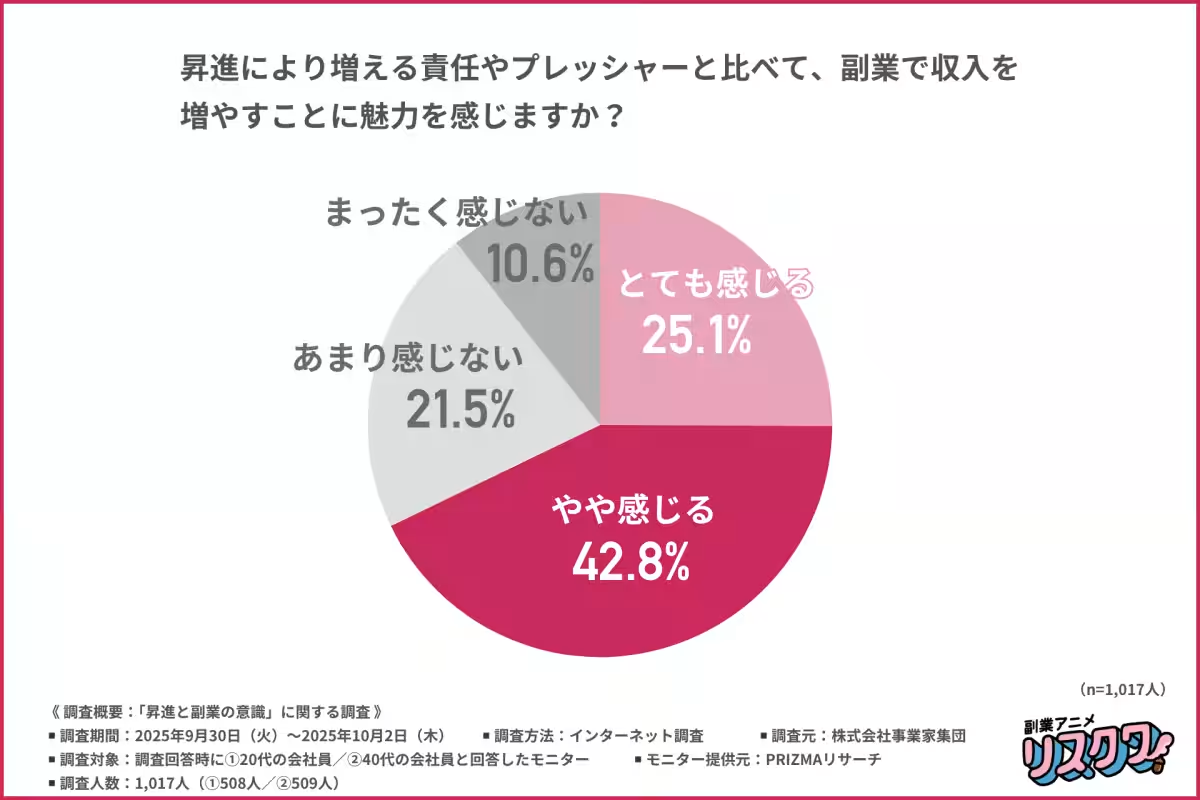
When comparing the allure of side jobs to the traditional climb up the corporate ladder, nearly 70% of survey participants indicated a preference for the additional income potential of side jobs over promotions, despite included responsibilities. This indicates a shift in mindset where modern employees value autonomy and financial growth, sometimes over traditional measures of career success.
Conclusion
In conclusion, the findings from this survey illustrate a significant cultural shift among employees regarding career advancement. With substantial dissatisfaction across both full-time and managerial roles about salary and responsibility, many are leaning towards side jobs as a more appealing alternative. This transition suggests the need for businesses to reevaluate their approaches to employee satisfaction and career progression, creating environments that foster both growth and balance.
As industries evolve, so too must the perceptions and structures that define career success, highlighting the importance of flexibility and modern working conditions. The transition from viewing promotions as indicators of stability to recognizing the potential of side jobs reflects today's workforce demands for a balanced and fulfilling career journey.



Topics People & Culture)




【About Using Articles】
You can freely use the title and article content by linking to the page where the article is posted.
※ Images cannot be used.
【About Links】
Links are free to use.