




Study Reveals Most Viewers Struggle with Poor Audio Quality in Videos
The Hidden Pitfalls of the Time-Performance Era
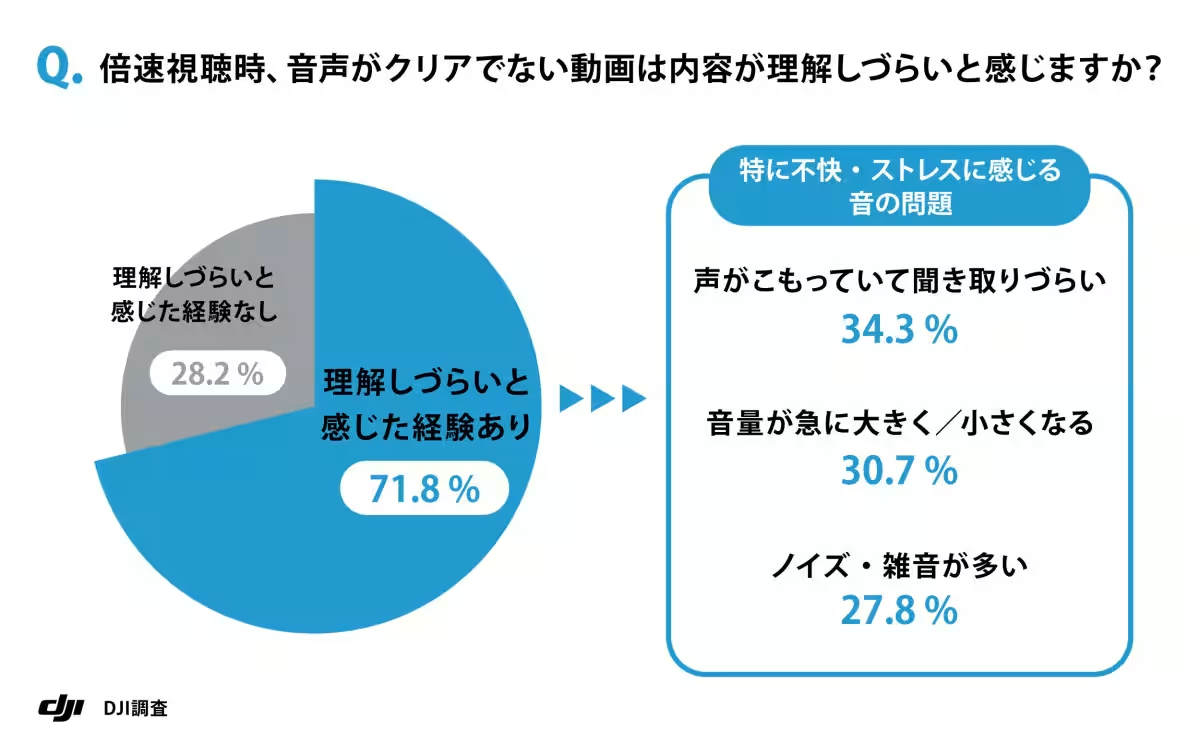
In a recent survey conducted by DJI, a global leader in consumer drones and creative camera technology, 600 individuals aged between 20 and 69 across the country shared their insights on audio quality in online video content. The results were eye-opening: over 70% of respondents claimed that the lack of clear audio significantly hampered their understanding of video content, especially in an age where many prefer to watch at double speed for enhanced time efficiency.
Key Findings from the Survey
The study revealed critical insights into viewers’ experiences:
- - Clarity is Key: About 71.8% of respondents admitted that they found it difficult to grasp the content when the audio was unclear while watching videos accelerated. This emphasizes that while quick consumption of information is a goal, subpar audio quality can undermine the effectiveness of this approach.
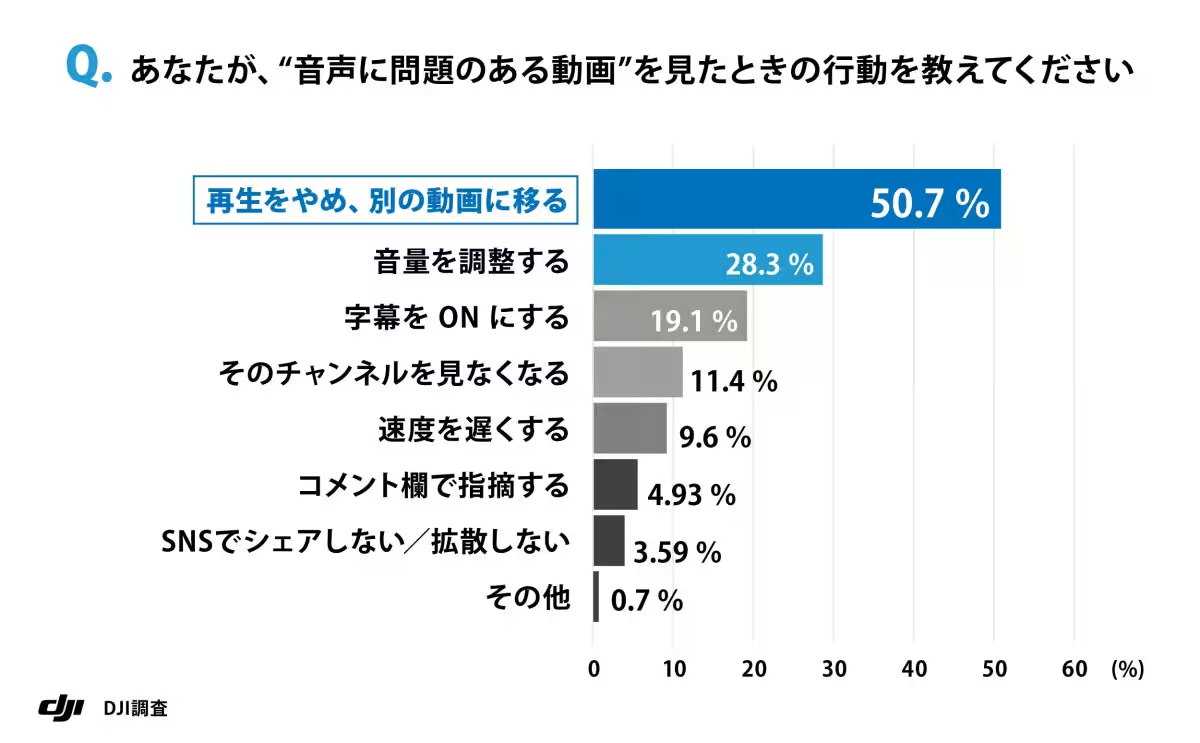
- - Viewer Behavior: Interestingly, when confronted with videos that had poor audio, more than half (50.7%) of viewers reported they would stop watching and switch to another video. Alarmingly, 11.4% admitted to ignoring that particular channel entirely, indicating a risk of losing long-term subscribers and fans due to audio issues.
- - Types of Audio Issues: The leading audio-related frustrations among viewers were that the voice was muffled (34.3%), sudden changes in volume (30.7%), and excessive noise interference (27.8%). These factors contribute significantly to viewer disengagement and frustration.
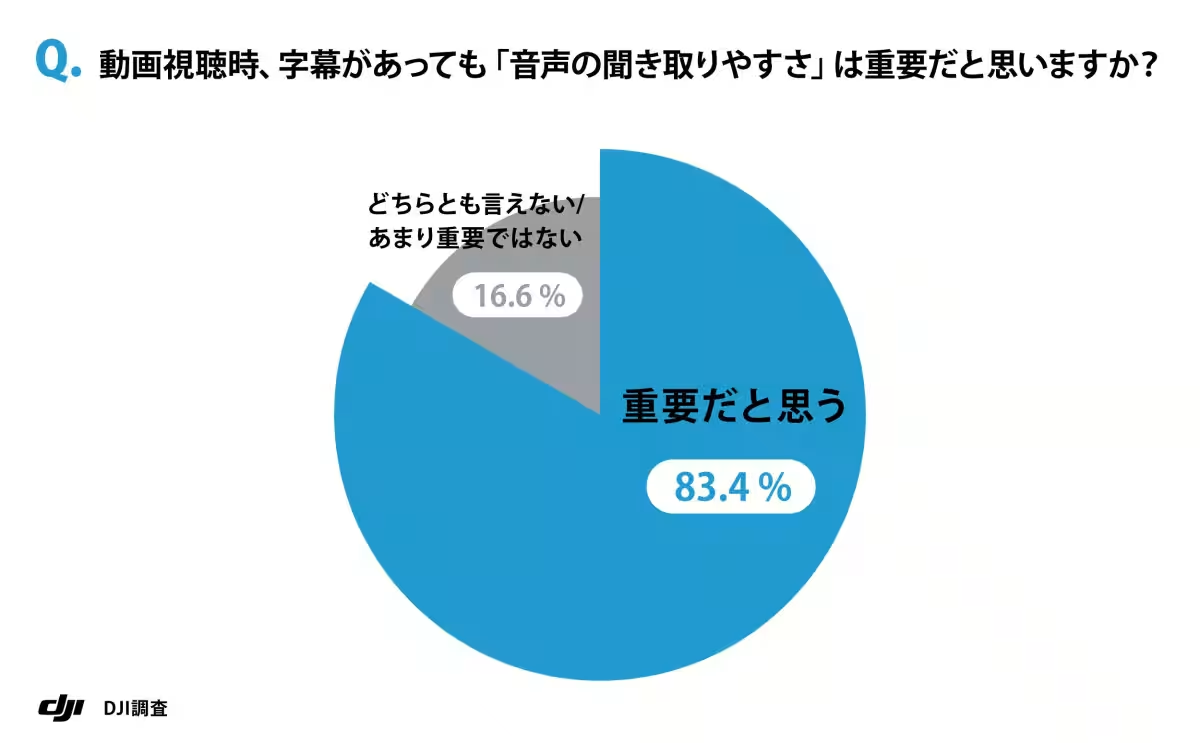
- - The Role of Subtitles: While subtitles can assist in understanding, over 83.4% of viewers emphasized that the quality of the audio is still crucial for a satisfactory viewing experience. This underscores the importance of superior audio quality beyond what captions can provide.
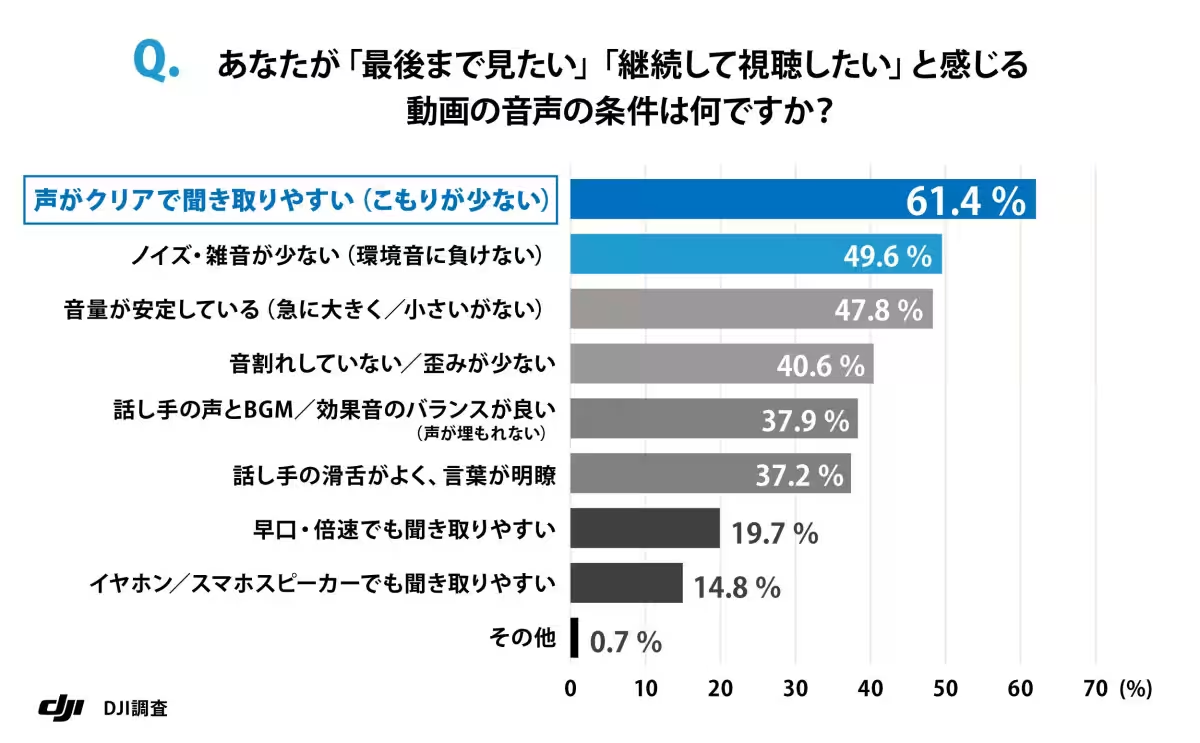
- - Conditions for Continued Viewing: Respondents indicated that for a video to hold their attention until the end, clarity of voice (61.4%) and minimal noise interference (49.6%) were paramount requirements. Their reactions suggest that effective communication relies not only on visual content but strongly on auditory clarity.
The Double-Speed Viewing Habit
As viewers increasingly prioritize time efficiency, the survey found that nearly half (48.4%) watch videos at double speed. Although this method aids in quick information acquisition, it poses a significant risk if audio quality is compromised. Without clear audio, the entire efficiency strategy can backfire, ultimately leading to viewer detachment.
The continuing trend toward double-speed viewing necessitates a renewed focus on audio fidelity. Your typical audience relies heavily on both the clarity and stability of sound, indicating that creators should not only polish their visuals but also enhance audio messages to retain interest.
Conclusion: A Call to Action for Content Creators
In conclusion, the findings from this survey indicate that audio quality is not merely an add-on to video content; it is essential for keeping viewers engaged. In an era focused on maximizing time efficiency, the quality of audio can significantly affect content comprehension. Videos with unclear audio not only frustrate viewers but can also lead to their disengagement, making it one of the primary factors contributing to abandonment.
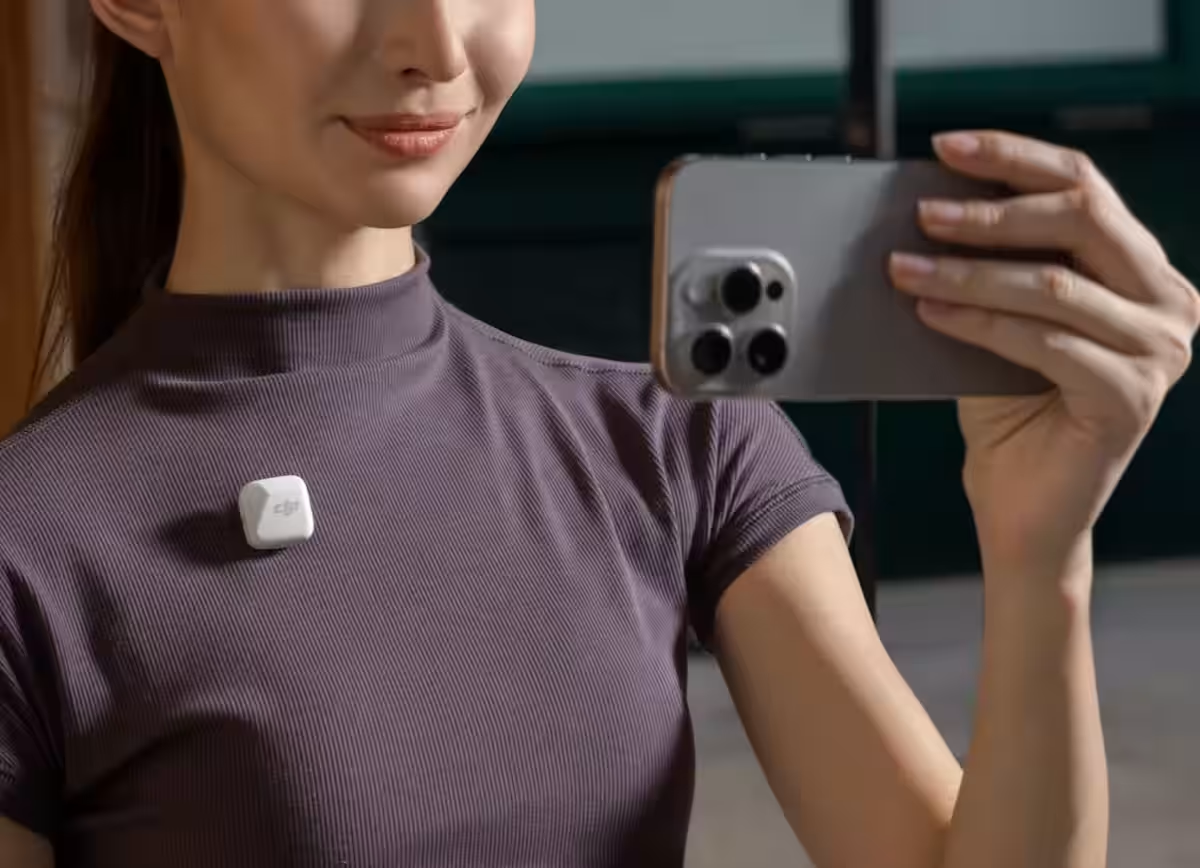
For video creators and distribution companies, enhancing audio quality by addressing issues like muffled voices, inconsistent volume, and distracting noises can markedly improve viewer engagement rates. DJI's wireless microphones, featuring advanced audio capabilities and intelligent noise cancellation, provide a pathway to achieve the clear and understandable audio that audiences demand. By investing in superior audio technology, content creators can ensure that their messages are conveyed clearly, regardless of the playback speed.
About the Study
- - Sample Size: 600 individuals aged 20-69 from around the country.
- - Timeline: Conducted on December 24, 2025.
- - Methodology: Internet survey.
Citation Request
When quoting or reproducing this study's results, please include the following:
- - Cite as: “Research by DJI, a leader in consumer drones and creative camera technology.”
- - Include URL: https://www.dji.com/jp/wireless-microphone with a suitable anchor link if possible.

Topics Entertainment & Media)
【About Using Articles】
You can freely use the title and article content by linking to the page where the article is posted.
※ Images cannot be used.
【About Links】
Links are free to use.