



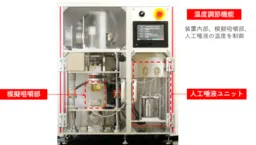
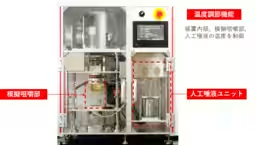
Revolutionizing Chocolate Texture Evaluation with ORAL-MAPS® Technology for Enhanced Product Development
Introduction
The realm of chocolate production is embarking on a transformative journey with the introduction of advanced texture evaluation techniques developed by Meiji Co., Ltd. Utilizing their pioneering chewing process simulator, ORAL-MAPS®, the company has unveiled new indices to quantitatively assess chocolate textures such as melt-in-mouth quality and the unique ‘sticky’ feel. This innovation is expected to streamline product development and elevate standards within the industry.
Technological Advancement
In an exciting development presented during the 73rd Annual Meeting of the Japanese Society of Food Science and Technology, Meiji has demonstrated how the ORAL-MAPS® can evaluate not only the vertical force exerted when foods are crushed but also the torque generated during the rotation of food. This dual measurement approach is groundbreaking for the texture analysis of chocolate, a luxurious confectionery staple.
By measuring both the vertical pressure (load) and the rotational force (torque) simultaneously, the research team successfully derived several new indices that are crucial in perceiving the chocolate’s mouthfeel.
The traditional evaluation of chocolate has primarily focused on its melting speed and texture. The recent findings suggest that several aspects, including melting speed, stickiness, and an overall sensed resistance, can now be quantitatively analyzed through comprehensive metrics that integrate these forces.
Research Findings
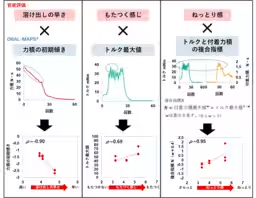
The evaluation focused on three different types of chocolate - standard, high cacao, and milk chocolate. Utilizing the data gathered by ORAL-MAPS®, researchers computed important indices:
- - Melt-out Speed: Determined by the slope of the impulse (a measure of applied force over time)
- - Resistance: Correlated with the maximum torque experienced
- - Sticky Feel: Explained through a combination of adhesion impulse and torque data
These indices provide a comprehensive understanding of chocolate's texture and offer opportunities for product developers to compare prototypes and explore ingredient combinations more effectively.
Applications in Product Development
Meiji has been dedicated to utilizing ORAL-MAPS® to mimic and analyze the intricate changes in food textures during the consumption process. The advancement in research reveals that by measuring rotational force along with vertical pressure, multiple textures can be assessed in a single test. This not only speeds up the process of prototype evaluation but also enhances the qualitative aspects of product development.
The Meiji Application Center (APC) facilitates baking, confectionery, and food processing industries by providing tailored recipe development and unique evaluative insights. With plans to fully implement the ORAL-MAPS® technology by 2025, APC aims to offer enhanced data-driven solutions to meet customers' product quality goals, potentially revolutionizing how food characteristics are understood and evaluated.
Conclusion
The advancements showcased through Meiji's ORAL-MAPS® technology signify a leap forward in the field of food texture evaluation. As developers gain access to these robust metrics, the chocolate industry is poised for more sophisticated and nuanced product creations. Ultimately, this innovative assessment approach will aid in fulfilling consumer expectations for quality and refinement in confectionery experiences.
In summary, the innovative synergy of load and torque measurements presents an exciting new frontier in tackling the challenge of chocolate texture evaluation, paving the way for enhanced product offerings and a deeper understanding of how textures influence taste perception.
Topics Consumer Products & Retail)




【About Using Articles】
You can freely use the title and article content by linking to the page where the article is posted.
※ Images cannot be used.
【About Links】
Links are free to use.