



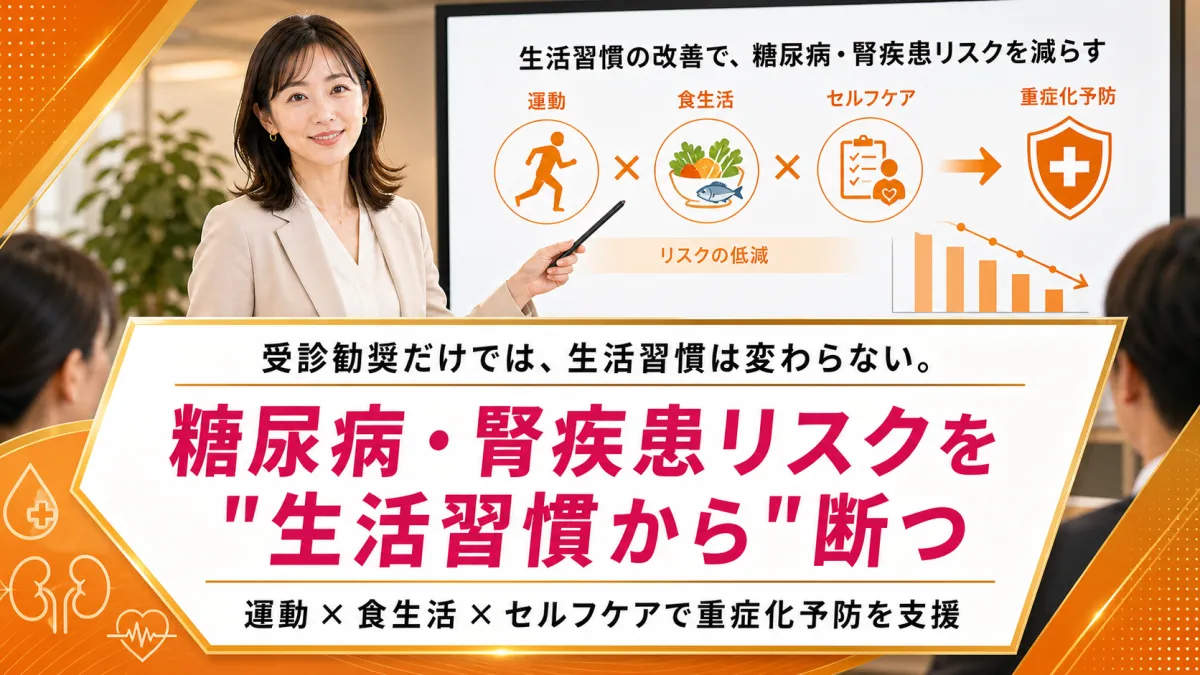
Fractal Workout Launches New Diabetes and Kidney Disease Risk Program for Corporate Health Insurance
Introduction
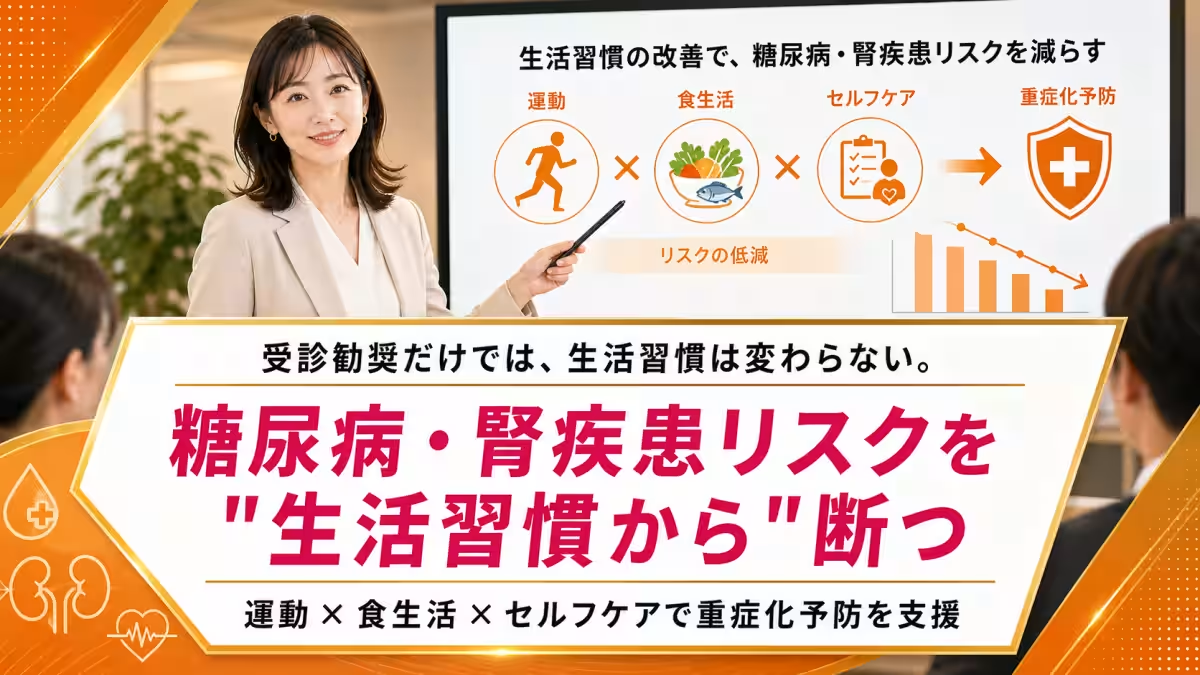
Fractal Workout Inc., located in Shibuya, Tokyo, has unveiled a comprehensive program designed specifically for corporate health insurance associations aimed at managing lifestyle-related disease risks. This initiative focuses on addressing the pressing challenges posed by conditions like diabetes and renal diseases. The innovative program combines various methods targeting physical activity, nutrition, and self-care, promoting a supportive environment without overburdening health coordinators.
Background
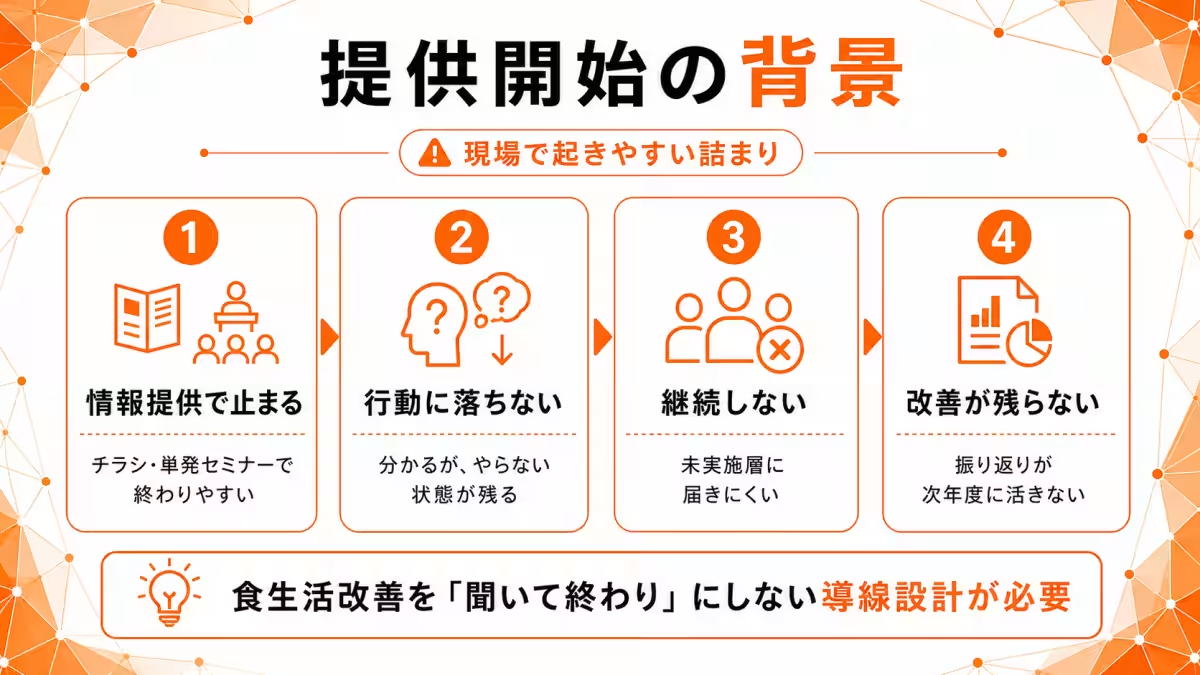
Managing the risks of lifestyle diseases is a significant concern for health insurance associations and employers alike. However, traditional health programs often stumble due to several issues, including:
- - Difficulty in designing target groups and prioritizing needs due to the severe nature of the theme.
- - Implementing one-off initiatives that fail to foster long-term behavioral changes.
- - Inability to reach those not yet participating, leading to a stagnant user base.
- - Lack of organized follow-up after implementation, preventing lessons learned from contributing to future improvements.
This program strategically meets these challenges by establishing a structured, yet flexible framework designed to support practical implementation of lifestyle changes without becoming overly burdensome on the stakeholders involved.
Program Overview
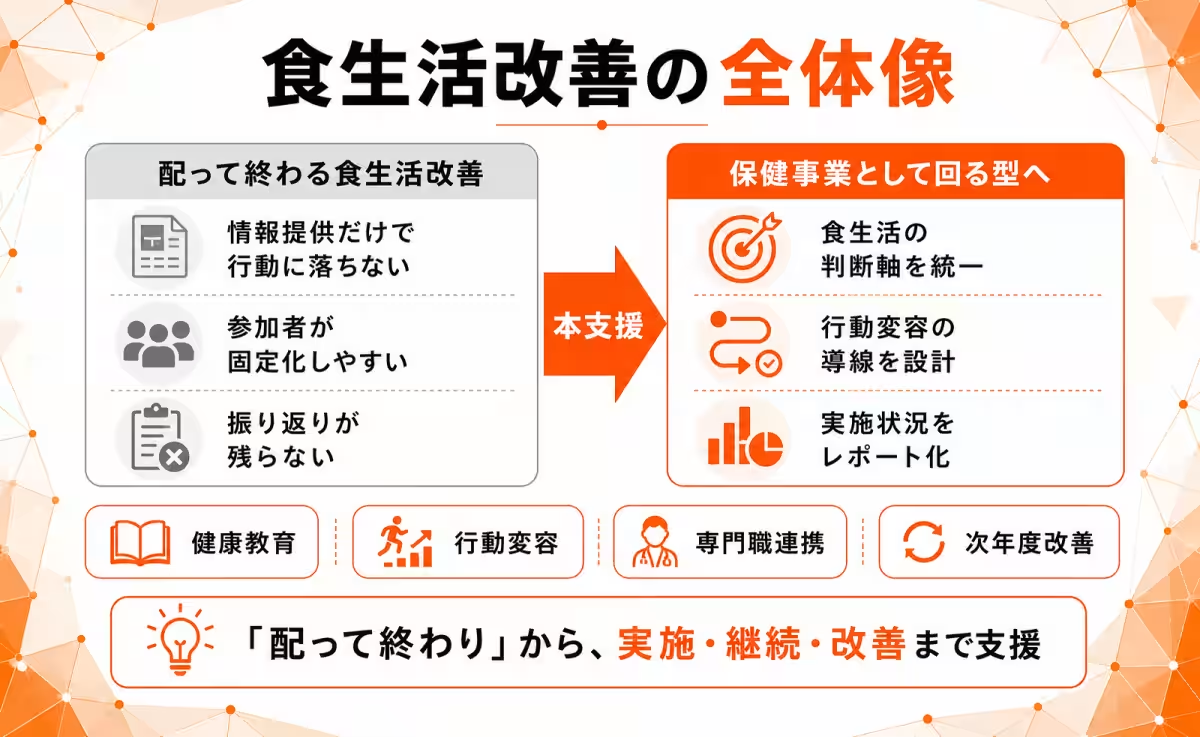
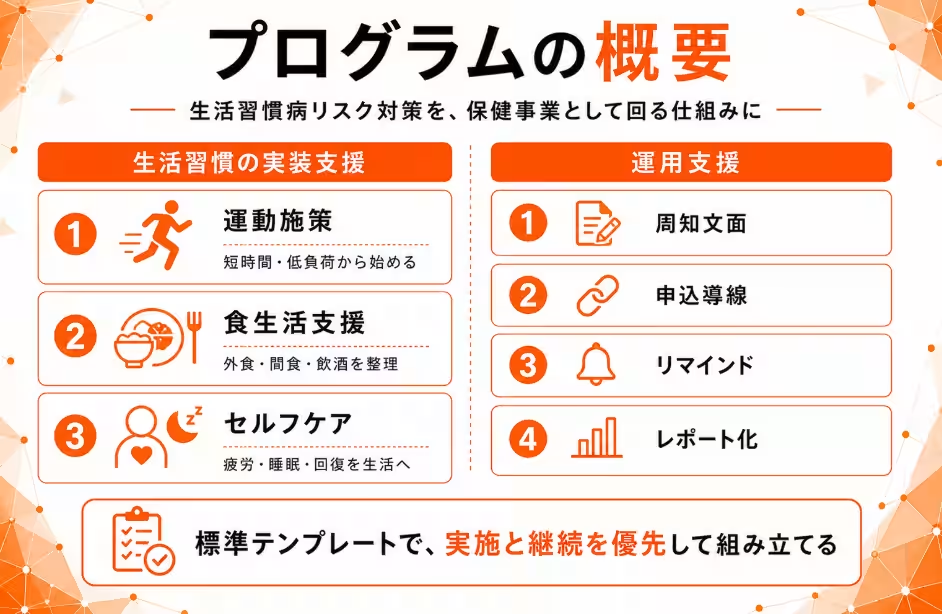
The program utilizes an integrated approach combining exercise, dietary habits, and self-care practices. It is structured around standardized templates to facilitate execution and ongoing engagement. Primarily delivered online, it may include face-to-face interactions when necessary, ensuring accessibility and convenience for participants.
Program Components
1. Exercise Initiatives: The exercise module is structured to allow even those new to physical activity to participate easily. It focuses on low-impact, time-efficient exercises that accommodate various working conditions, like remote work and flexible shifts.
2. Nutritional Support: Dietary changes are broken down into manageable components such as decisions regarding dining out, snacking, alcohol consumption, and breakfast. This approach avoids setting unattainably high standards by simplifying practices into sustainable habits.
3. Self-Care Strategies: The self-care aspect of the program is designed to enable participants to manage issues related to fatigue, sleep, recovery, and stress in a practical and applicable manner. Instead of adding to the demands on participants, it prioritizes maintaining achievable self-care habits.
4. Operational Support: Common operational elements such as promotional materials, participant registration processes, reminders, and frequency of engagement are standardized. This streamlines management and enhances the overall effectiveness of health initiatives.
5. Reporting Mechanisms: Continuous tracking of participation, program activity, reflections, and areas for improvement will be organized systematically. This allows for clearer evaluations and easier connections to future planning.
Important Notices
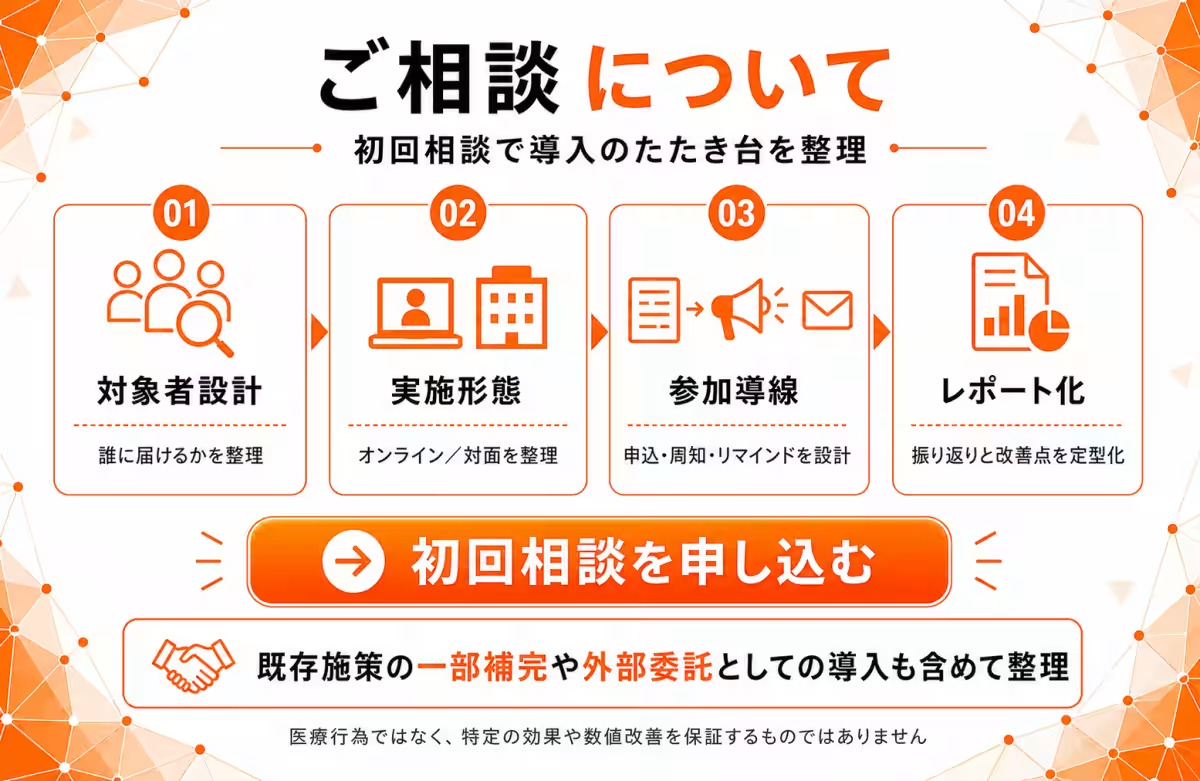
- - The program does not provide medical interventions such as diagnosis, treatment, or prescriptions.
- - It does not guarantee specific health outcomes or numerical improvements.
- - Operations will be conducted in a way that respects participant anonymity, adhering strictly to the regulations of each organization involved.
Benefits of Implementation
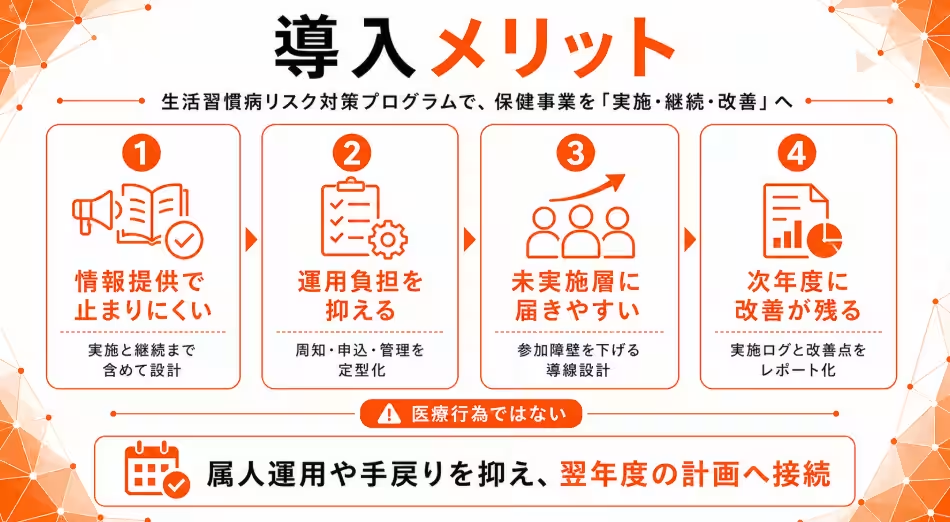
The program has several compelling advantages for health coordinators, including:
- - A structured design that facilitates actionable behavioral changes in physical activity, nutrition, and self-care.
- - Reducing the burden on health coordinators by creating standardized procedures for outreach, applications, reminders, management, and reporting.
- - Addressing the stagnation of participation by designing content that is accessible to those less engaged in prior initiatives.
- - Generating a usable log of activities and insights that inform continuous improvement for future planning.
Implementation Process
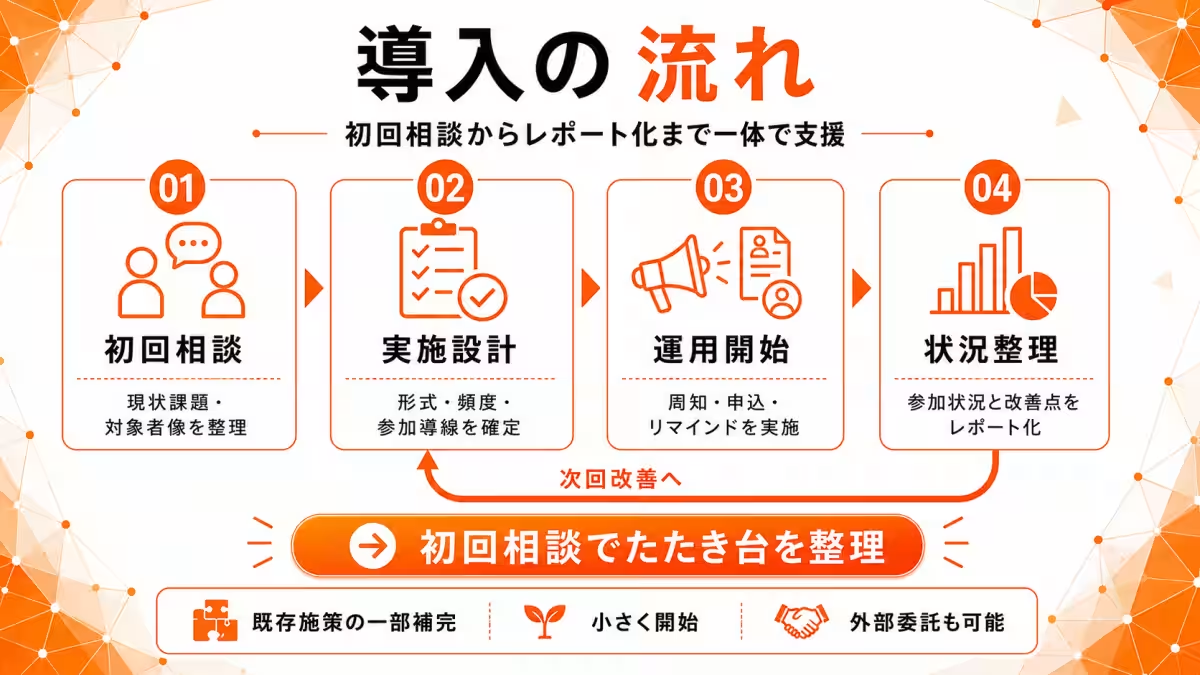
The introduction of the program involves several steps:
1. Initial Consultation: Understanding current challenges, target demographics, implementation conditions, and existing programs.
2. Implementation Design: Confirmation of priority themes, implementation forms, engagement pathways, and reporting methods.
3. Operational Launch: Executing outreach, registration, and reminder strategies as part of the program rollout.
4. Activity Review: Summarizing participation metrics and identifying improvements for the next cycle.
Contact Information
The program is tailored for enrolled individuals facing risks associated with diabetes and kidney diseases, focusing on supporting lifestyle implementations through exercise, nutrition, and self-care. We welcome inquiries for consultations on tailored solutions or to complement existing initiatives.
For more details, please reach out to:
- - Phone: 0120-107-125
- - Email: [email protected]
- - Office: Yukari Mizushima
About Fractal Workout Inc.
- - Address: 1-14-34 Jingumae, Harajuku Jingumae Forest 4F, Shibuya, Tokyo
- - CEO: Masahiro Takase
- - Established: April 1, 2020
- - Capital: 50 million yen
- - Business Scope: Health management solutions, fitness services
Join us and explore how Fractal Workout can support your organization’s health management initiatives today!
Additional References:
Companies interested in partnership with Fractal Workout in the domains of health management or human capital management are also welcome to get in touch through our website.
Topics Health)
【About Using Articles】
You can freely use the title and article content by linking to the page where the article is posted.
※ Images cannot be used.
【About Links】
Links are free to use.