



Exploring the Nanjing Massacre Exhibit and Its Call for Peace in Athens
A Glimpse into History: The Nanjing Massacre Exhibit in Athens
On September 29, 2025, a pivotal exhibition titled "Memory of the World: Vision of Peace" opened in Hall 7 of the Zappeion in Athens, Greece. This significant event marks the first time that essential archival materials on the Nanjing Massacre of 1937 have been displayed in Greece. The exhibition seeks to draw parallels between Nanjing and Athens, both centuries-old cities that have endured immense suffering during World War II yet emerged as beacons of hope and reconciliation in the aftermath.
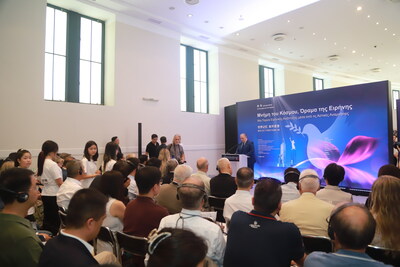
With over 100 distinguished guests in attendance, including Chinese Ambassador Fang Qiu and various local dignitaries, the inauguration commenced with uplifting performances from children's choirs. Greek children sang songs like "If All the Children of the World" and "Hands Like These", while the Chinese choir presented "May the World Be Filled with Love". These performances symbolized the exhibition's key themes, emphasizing that both civilizations—Chinese and Greek—are defined by their painful memories of war but also their commitment to peace.
In his opening remarks, Ambassador Fang described the exhibition as a "dialogue between two great civilizations", urging a collective responsibility to uphold the truth of history and preserve a legacy of peace. Vlachos, the Vice Governor of the Attica region, echoed this sentiment by highlighting the shared experiences of suffering during wartime, illustrating that such memories are foundational for future understanding, coexistence, and dialogue. He stated, "The memory of a city is not only confined to the past, but also builds foundations for a future rooted in dialogue, understanding, and coexistence".
The Nanjing Massacre occurred after Japanese troops seized Nanjing, the then capital of China, on December 13, 1937. In a horrific span of six weeks, imperial forces committed atrocities that resulted in the deaths of over 300,000 civilians and prisoners of war, alongside widespread sexual violence against thousands of women. This tragic historical context informs the exhibition, which employs over 170 photographs, 40 artifacts, and various multimedia displays to present a compelling narrative of the events.
Notably, the exhibit features extraordinary images taken by American missionary John Magee, along with testimonies from survivors and documents from post-war tribunals. It also draws attention to the massacre at Kalavryta in Greece in 1943, where nearly 700 men and boys were executed by Nazi forces. This juxtaposition underscores the common threads of suffering woven through the histories of both nations.
The exhibition is categorized into three thematic sections:
1. Memories of Trauma: Focusing on the Second World War, the humanitarian rescue efforts, and international documentation.
2. Post-War Memory: Discussing the trials of Japanese war criminals and the city's reconstruction regarding education, economy, and heritage.
3. A Shared Vision of Peace: Exploring commemorative traditions in both China and Greece, including National Memorial Day in China for the victims of the Nanjing Massacre and Greece’s Ohi Day.
Local reactions have been overwhelmingly positive. Thomas Georgiadis, Athens' Deputy Mayor, called it "a striking exhibition that reflects both tragedy and renewal". Meanwhile, Efthymios Tsiknis, president of the Modern Greek Historical Photo Archive, emphasized how hosting the archives in Athens fosters an understanding of significant historical narratives and cultivates cultural ties between Greece and China.
This exhibition also marks a moment in a broader international journey, having previously traveled to cities like Los Angeles, Florence, and Budapest since its inception in 2015 when the Nanjing Massacre Archives were inscribed in the UNESCO Memory of the World Register. The Athens exhibition extends this important dialogue and invites the global public to reflect on the consequences of war and the unyielding necessity of peace.
As both Greek and Chinese youth came together in song, the collective message resonated: the fight for peace is intertwined with the acknowledgment of the past. A visitor aptly noted that the connections between Athens and Nanjing forge bonds through shared pain and resilience, aiming to prevent future tragedies. The exhibition serves as a profound reminder of the importance of dialogue and cooperation between nations as we navigate the complexities of our intertwined histories, striving for a peaceful coexistence.
Topics Entertainment & Media)

【About Using Articles】
You can freely use the title and article content by linking to the page where the article is posted.
※ Images cannot be used.
【About Links】
Links are free to use.