




Ridilover Hosts Panel Discussion on Disability and Social Participation at Field Academy 2026
A New Approach to Disability and Social Participation
On a remarkable day at Ridilover's Field Academy 2026, a groundbreaking panel discussion focused on the intersection of disability and societal participation was held. This event is part of an innovative program developed by Ridilover to engage next-generation leaders from various industries in tackling social challenges.
The Field Academy: Bridging Gaps
The Field Academy is designed to equip emerging leaders with the skills to address complex social issues through collaborative learning. Over a span of four months, participants form cross-industry teams, dedicating eight days to propose solutions to societal problems. The academy aims to nurture self-reliant leaders capable of initiating transformation for a better future.
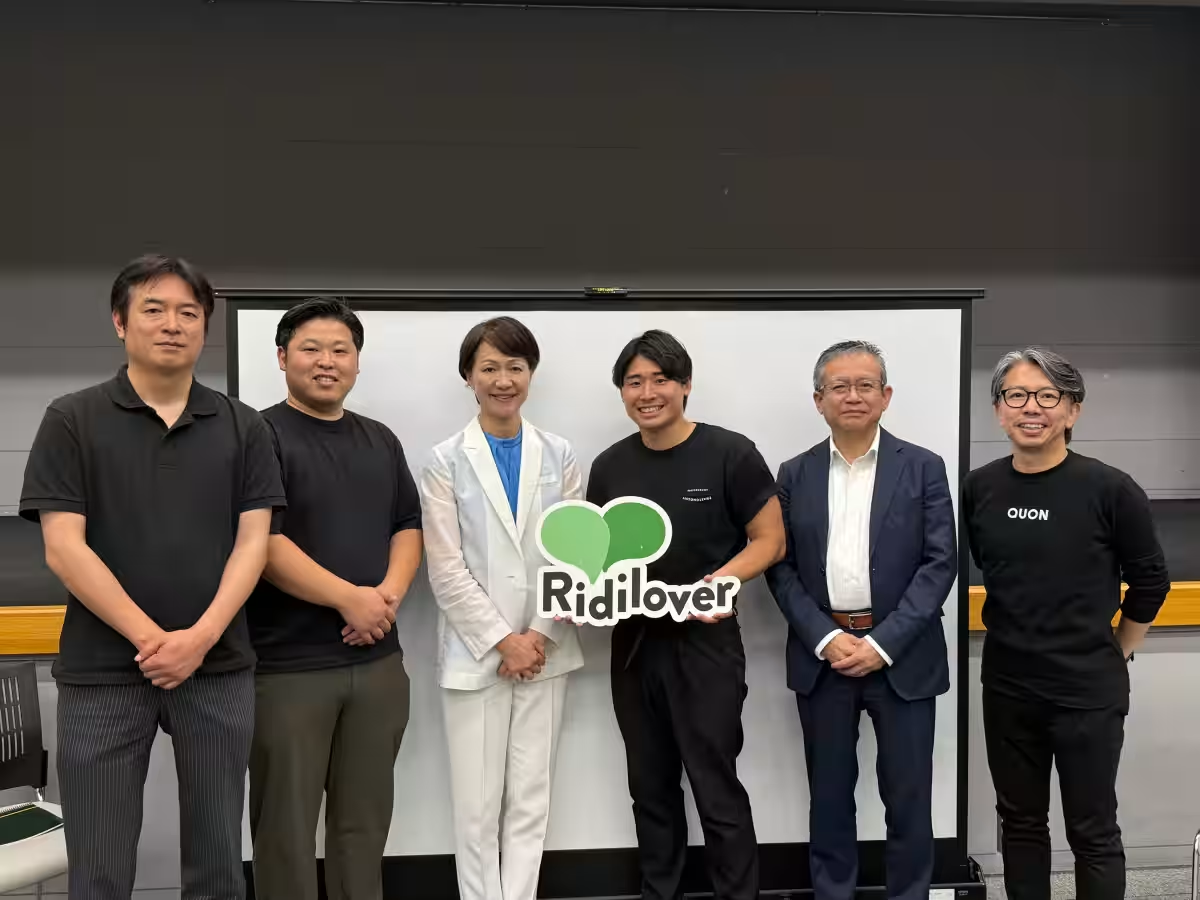
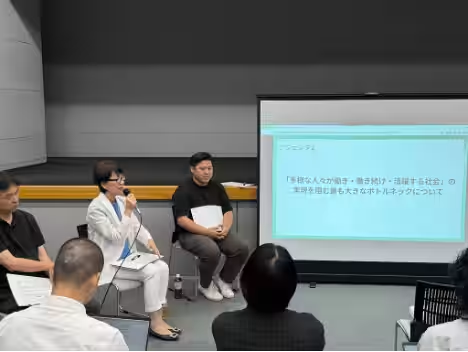
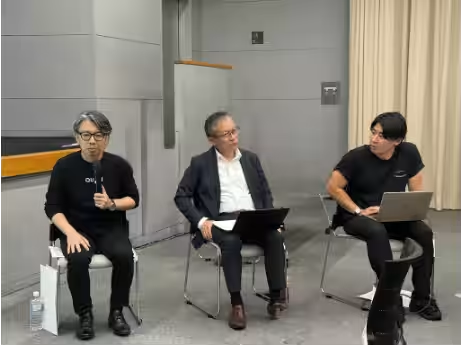
In this particular session, five industry frontrunners gathered to explore the theme of "Disability and Social Participation." Each contributor brought a unique perspective, shedding light on the various challenges and approaches based on their distinct experiences and backgrounds in the field.
Introducing the Panelists
The panel comprised five distinguished guests, all of whom are actively involved in sectors related to disability and inclusion:
1. Noriko Onodera (Advisor, VALT JAPAN / Former Director of Employment Measures for the Disabled at the Ministry of Health, Labour and Welfare)
2. Shinpei Sato (COO, Roland)
3. Yoshifumi Nagatani (Former CEO, Book Off Group's Special Subsidiaries)
4. Koji Natsume (CEO, Quon Chocolates)
5. Naoshi Yano (Group Manager, Cainz Business Services)
Key Discussion Points
Understanding Diversity and its Barriers
The dialogue opened with concerns surrounding the terminology used in discussing diversity. Panelists pointed out the biases intrinsic in terms like "disability" and "diversity." These labels can inadvertently hinder proper engagement and goal-setting for individuals with disabilities, thereby impeding their potential.
Transformative Approaches in Employment
Panelists shared insights into how societal change might begin—either from legislative reforms affecting employment rates or grassroots movements promoting a society that does not distinguish based on disabilities. Despite their varying approaches, all agreed upon a shared goal of fostering an inclusive society.
Defining Employment Goals
A significant point raised focused on redefining what employment means for individuals with disabilities. Rather than just meeting legal quotas, the emphasis should be on creating an environment where all workers are treated equally. The importance of economic independence, the need to feel valued, and the quest for personal growth were highlighted as pivotal factors in retaining a dwindling workforce.
Voices from the Participants
Feedback from attendees emphasized the need to bridge the gap between policy-making and on-the-ground realities. The discussions prompted reflections on how preconceived notions can affect our understanding and interactions with others. Participants recognized that systemic change often requires a balance between bold visions and integrating inclusive practices into the fabric of society.
Future Opportunities
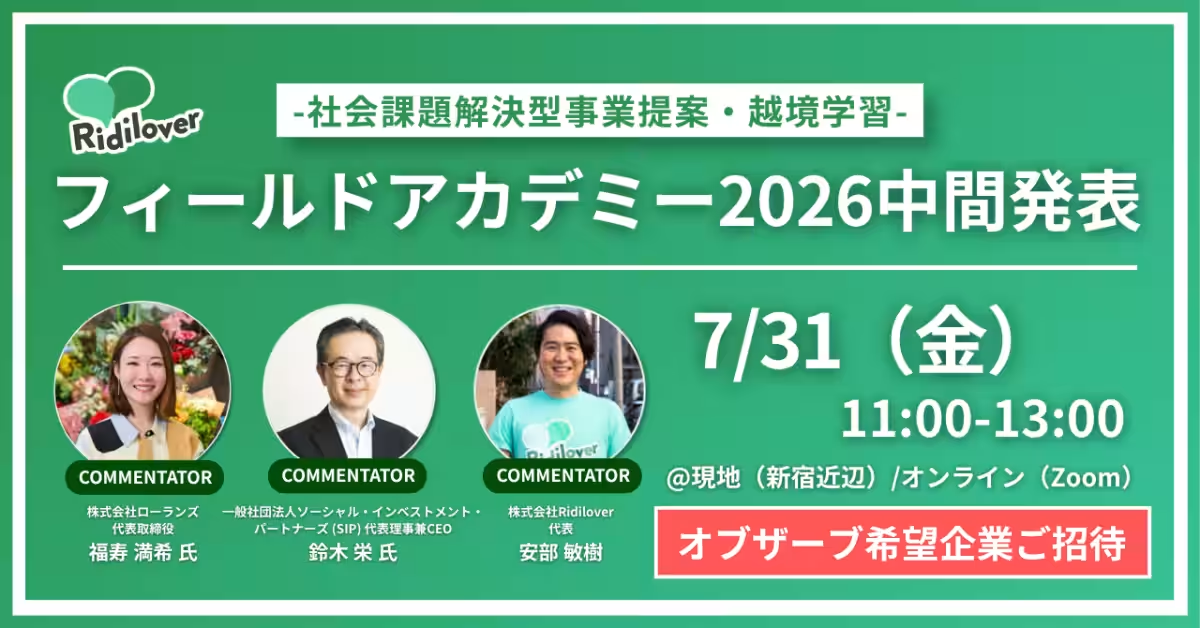
Looking ahead, Ridilover invites organizations interested in these issues to observe the mid-term presentations from the Field Academy, where participants will test their hypotheses and present their findings. This session is scheduled for July 31, offering a platform for dialogue and collaboration among stakeholders committed to social change.
Conclusion
The recent panel discussion by Ridilover has set a vital precedent for engaging diverse voices in the critical discourse on disability and social participation. As society continues to grapple with these essential issues, collaborative efforts like this highlight the importance of inclusivity and understanding in paving the way for a more equitable future.



Topics People & Culture)
【About Using Articles】
You can freely use the title and article content by linking to the page where the article is posted.
※ Images cannot be used.
【About Links】
Links are free to use.