



The Rise of Remarriage in Japan: How 47% of Divorced Women Find Love with First-Time Grooms
The Rise of Remarriage in Japan: Changing Family Dynamics
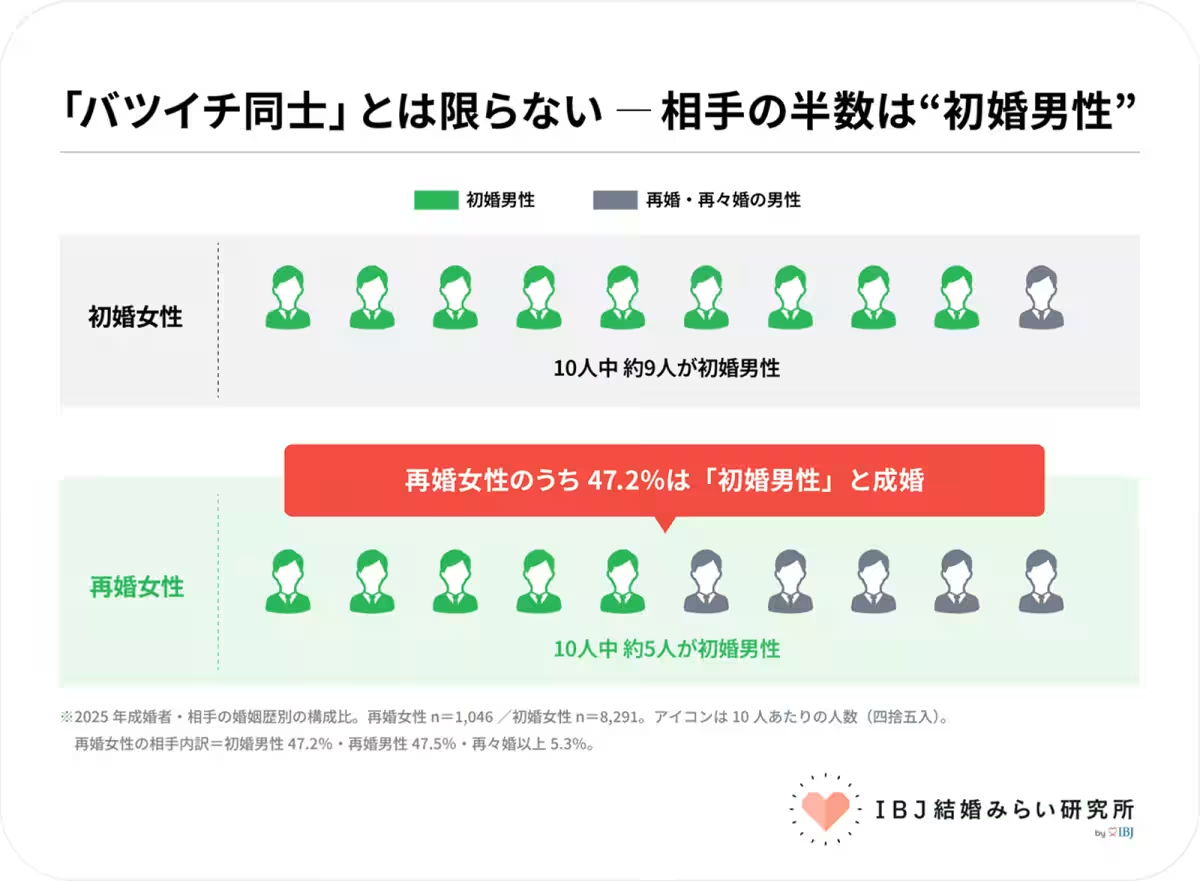
In a fascinating study conducted by the IBJ Marriage Future Research Institute in Tokyo, it was revealed that approximately 47% of remarried women entered into new unions with men who were marrying for the first time. This statistic shines a light on the shifting landscape of marriage and family dynamics in contemporary Japan.
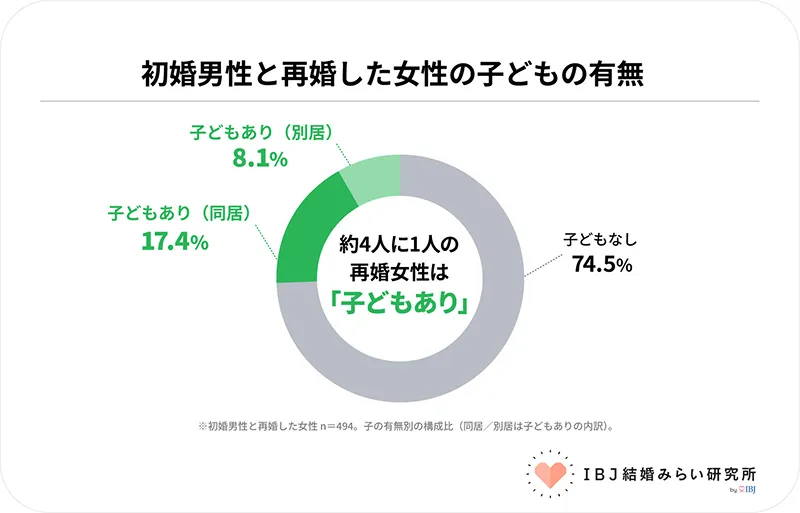
The study analyzed data from 2025, showing that nearly half of these women have a child from a previous marriage, indicating that the presence of children and past marriages are no longer insurmountable barriers to finding love again. This trend is emerging as remarriage becomes recognized as a legitimate and acceptable family formation option within Japanese society.
Changing Perceptions of Remarriage
Historically, divorce and remarriage were stigmatized, but societal attitudes have evolved significantly. With divorce rates growing, the perception of remarriage is changing; it is increasingly seen as a practical choice rather than a taboo. In fact, the statistics suggest that marital history has become less of a determining factor in partner selection, indicating a shift towards values such as compatibility and shared future goals taking precedence.
According to the study, 47.2% of remarried women chose first-time grooms, which is nearly equal to the 47.5% who remarried other divorced men. This indicates that experience from past marriages does not preclude individuals from forming relationships based on mutual understanding and future aspirations, marking an important shift in both the marriage market and societal norms.
Children and Remarriage
Moreover, the research revealed that among the remarried women who wed first-time grooms, 25.5% had children. This statistic contradicts the common belief that having children complicates the chances of remarriage. Today, there is a growing acceptance of blended families and stepfamilies, as the traditional notion of starting a family after marriage evolves. The landscape of family formation is diversifying, with an increase in couples navigating parenting together despite previous family structures.
As child-rearing dynamics change, many couples are embracing the concept of creating new families that include children from prior relationships. This growing acceptance is vital in a society facing low birth rates, as remarriage and the forming of stepfamilies contribute positively to stabilizing population growth and nurturing healthy family environments.
Speed of Remarriage: A Faster Turnaround
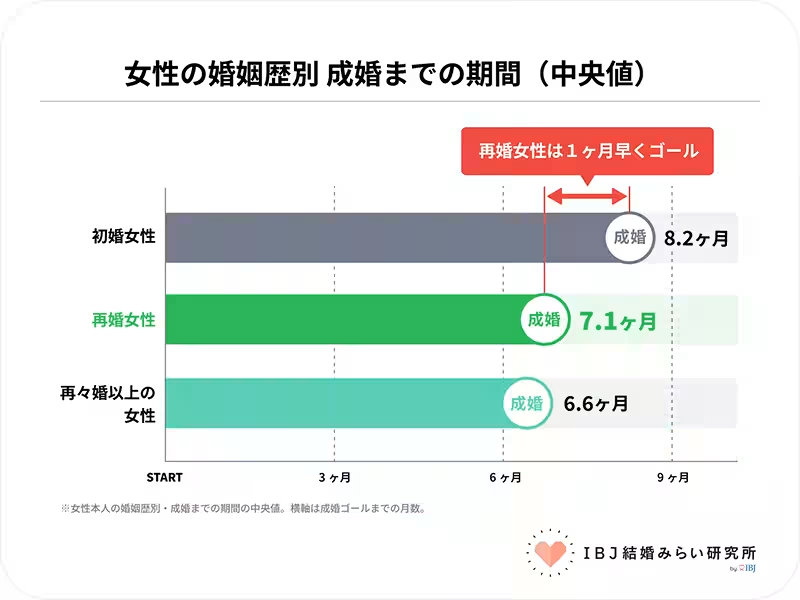
Interestingly, the study showed that remarried women typically experience a shorter time to marriage compared to their first-time counterparts—an average of 7.1 months for remarried women versus 8.2 months for those marrying for the first time. It seems that prior marriage experiences help these women clarify their values and expectations, allowing them to make decisions more efficiently.
This reinforces the idea that past experiences, rather than being seen as drawbacks, may serve to empower individuals in their search for partners. Rather than focusing solely on external criteria, there is a noteworthy trend towards seeking partners who align with personal values and long-term visions.
Insights from the IBJ Marriage Future Research Institute
For those pursuing remarriage, feelings of anxiety about having a marriage history or children are commonplace. However, findings from this study indicate that countless individuals are embracing their life experiences, understanding that these elements can enhance their individuality when finding a new partner. It is crucial to recognize that past relationships and experiences contribute to a richer tapestry of individual identity.
Moving forward, the IBJ Marriage Future Research Institute aims to continue releasing data, shedding light on remarriage and the broader dynamics of modern relationships in Japan. A broader understanding of these trends will ultimately facilitate positive marriage experiences and foster an inclusive dialogue about family forms in the contemporary landscape of Japanese society.
In conclusion, the evolving pattern of remarriage among Japanese women signifies an important cultural shift, embracing diverse family structures and experiences, thereby enriching the narrative of modern family life in Japan.

Topics People & Culture)

【About Using Articles】
You can freely use the title and article content by linking to the page where the article is posted.
※ Images cannot be used.
【About Links】
Links are free to use.