



How to Cultivate Judgment Skills in the Age of AI: Insights from a Practical Report
Understanding Judgment in the Age of AI
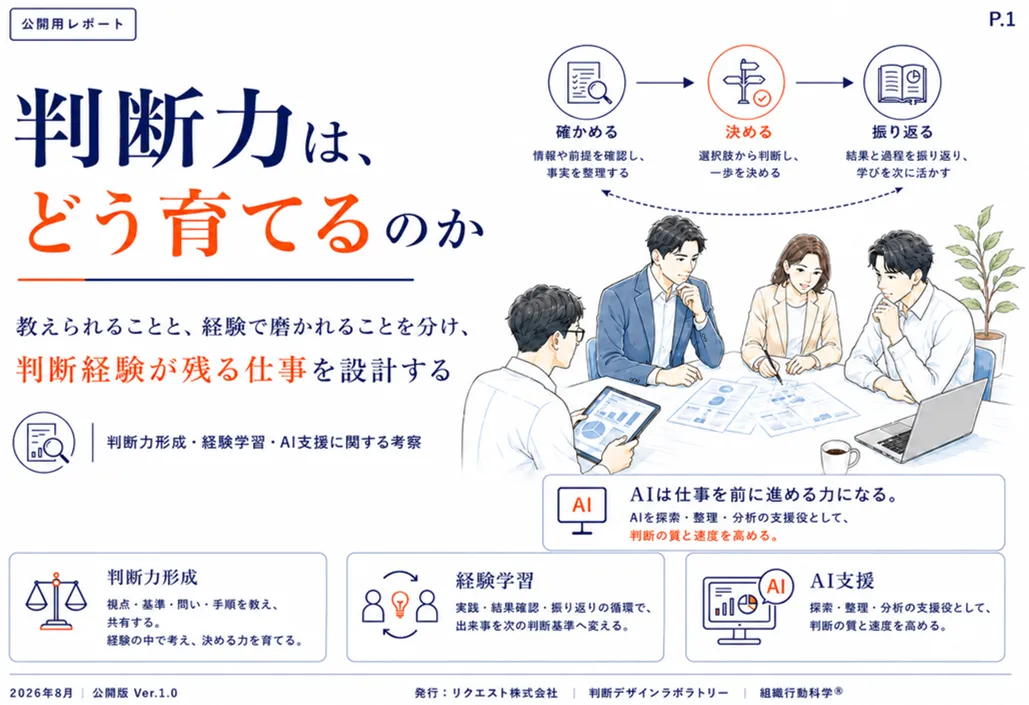
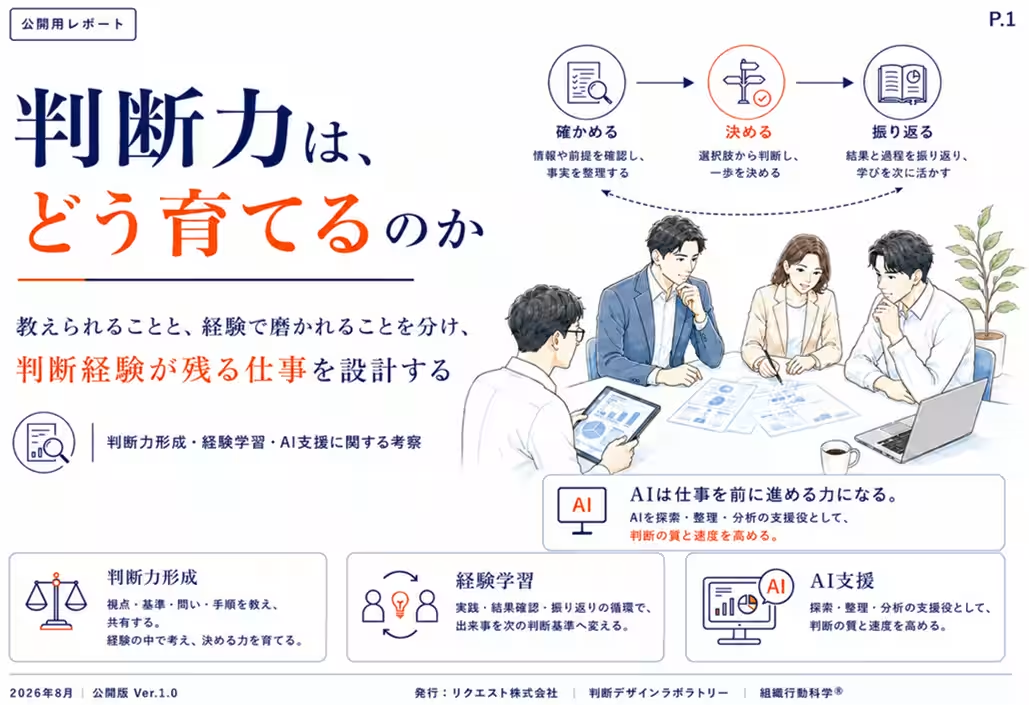
In the modern landscape of work, particularly influenced by artificial intelligence, the ability to make sound judgments has become paramount. A recent publication from Request Inc., led by CEO Tomoyasu Kohata, titled "How to Cultivate Judgment Skills: Distinguishing Teachables from Experience-Based Learning" provides key insights into this critical skill development.
This practical report is built on a robust dataset encompassing 980 companies and 338,000 individuals, making it a comprehensive resource for understanding how to foster judgment within organizations. The report spans 16 pages and aims to dissect the nuances of judgment, expertise, experiential learning, and the role of AI in professional environments.
The Essence of Effective Judgment
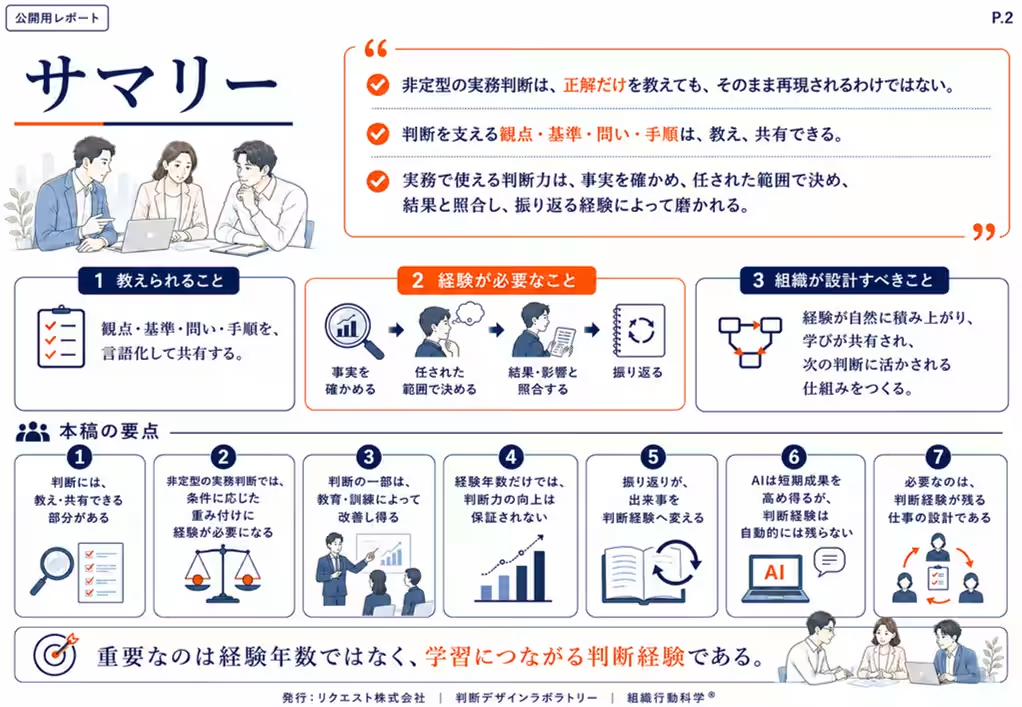
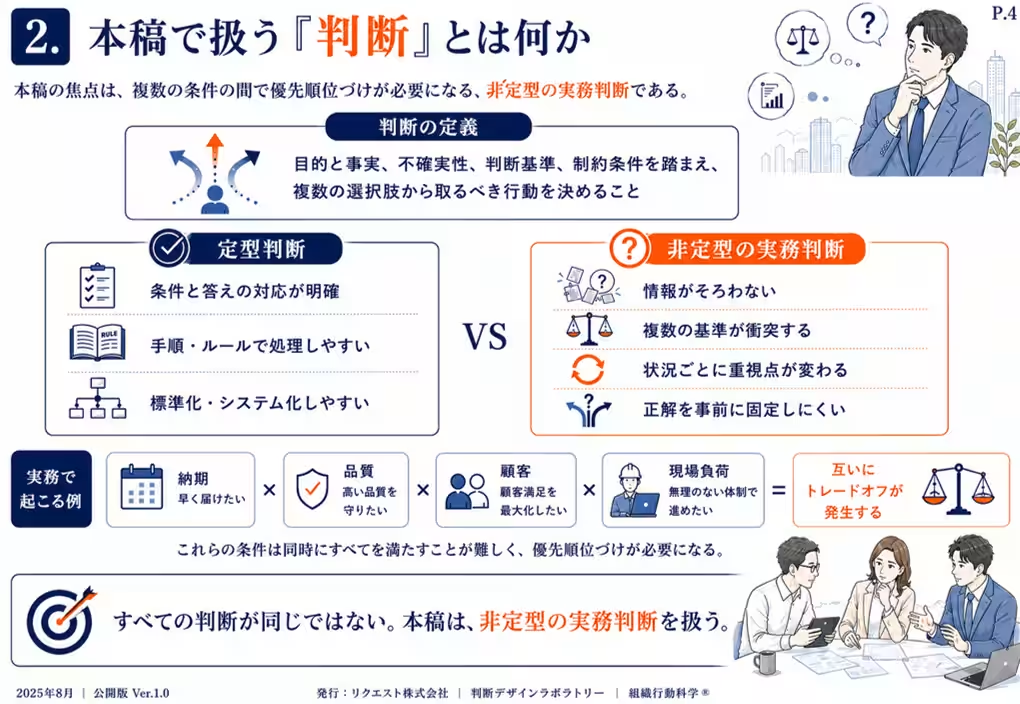
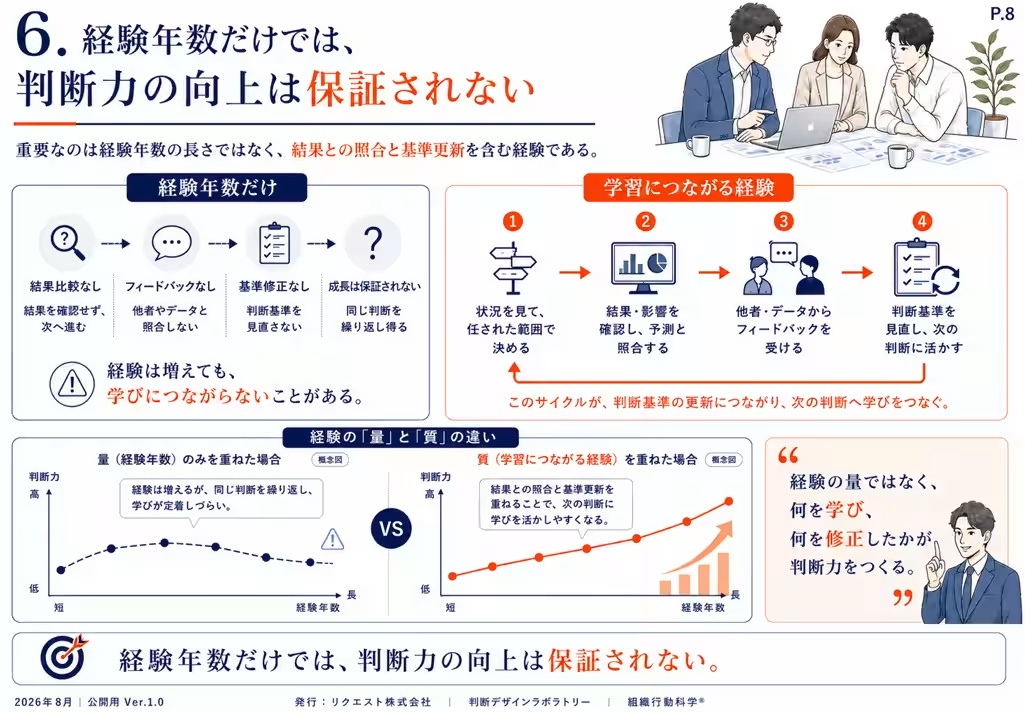
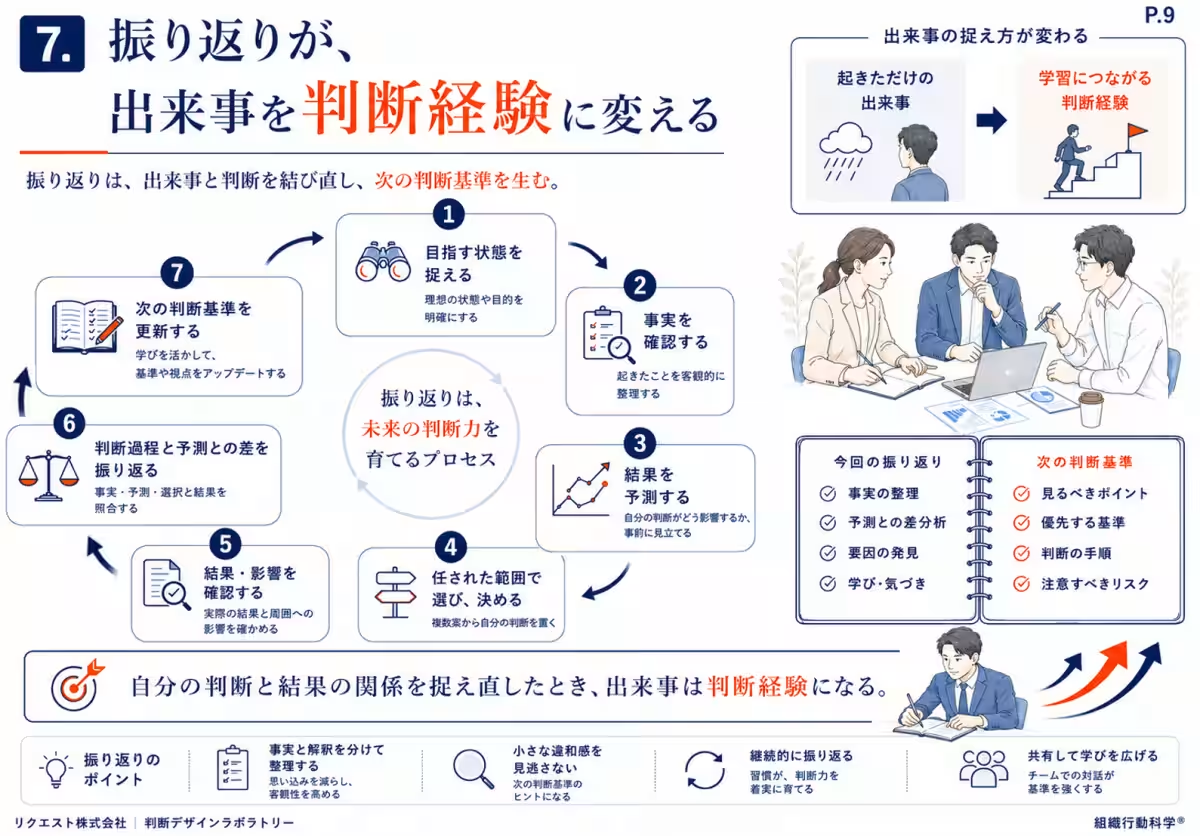
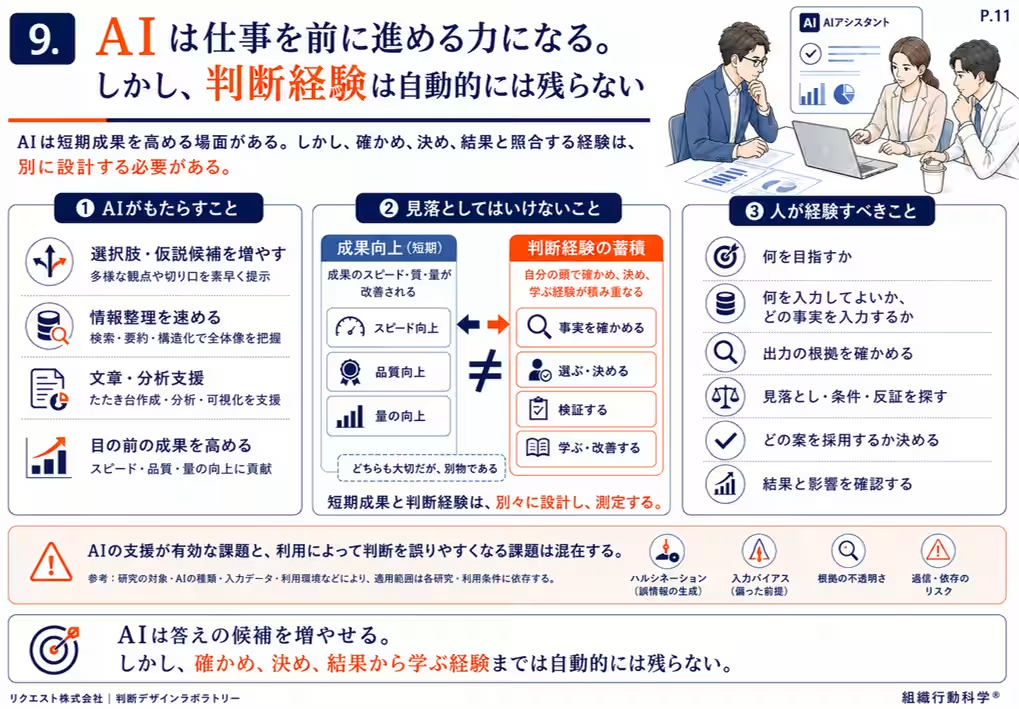
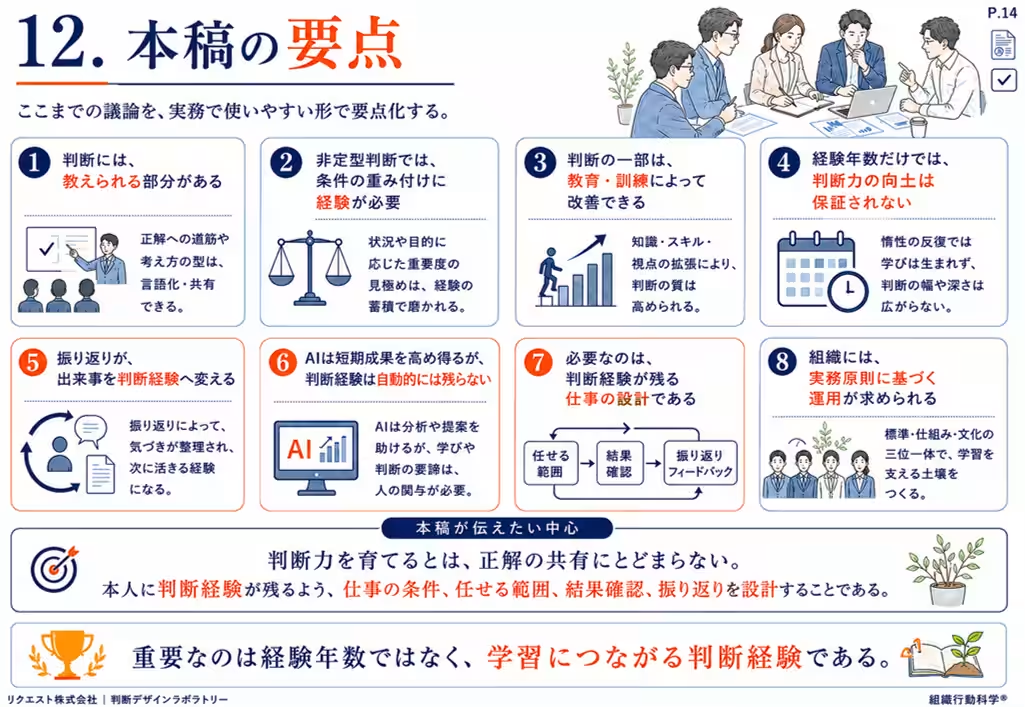
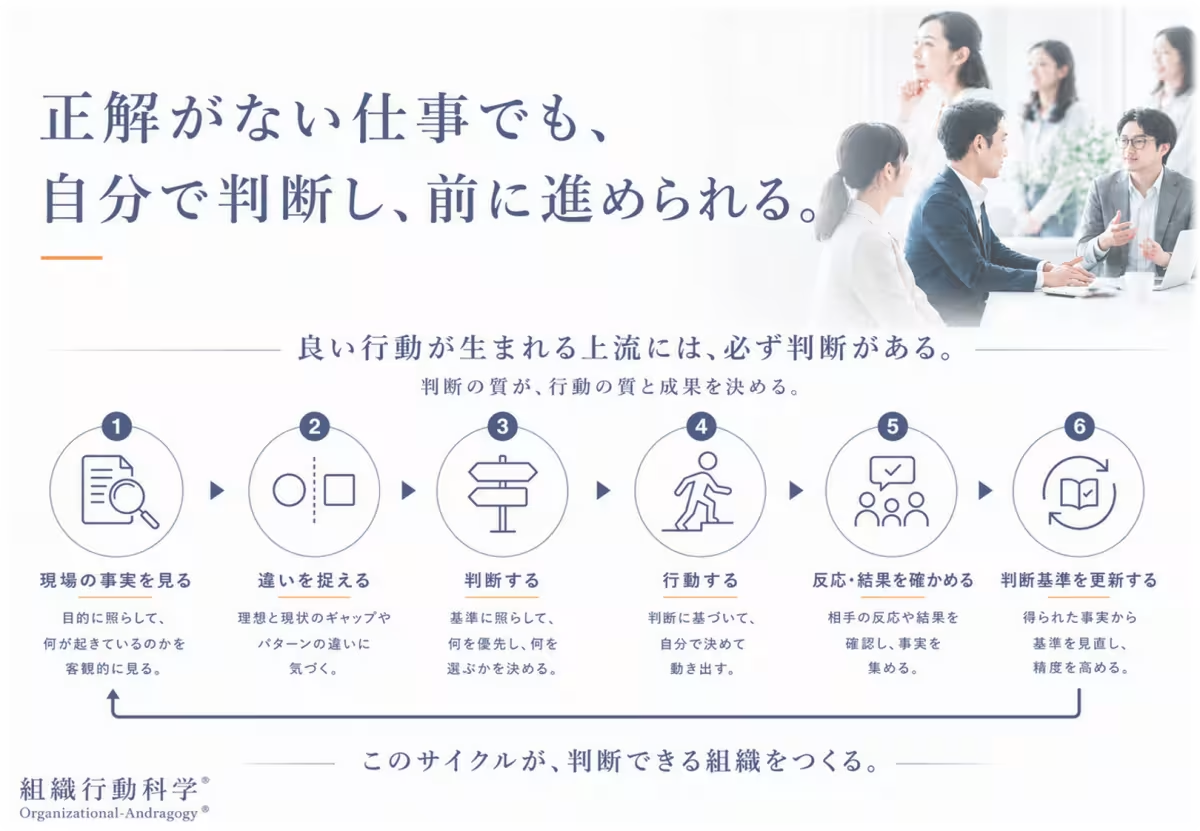
The core premise presented in the report is that effective judgment is not merely about how a decision is made but rather about how organizations can cultivate and retain these critical skills within their workforce. One of the significant takeaways is the distinction between completing tasks quickly and ensuring that individuals accrue valuable judgment experiences. While AI technologies expedite data exploration, organization, analysis, and documentation, this speed can sometimes lead to the neglect of essential learning moments.
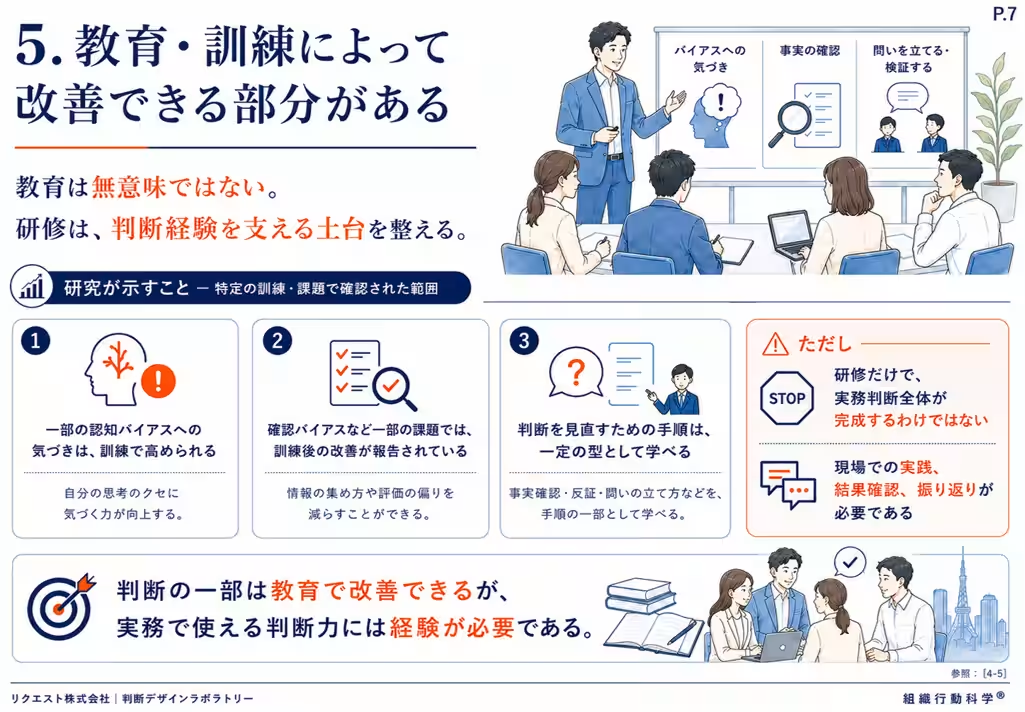
In fast-paced work environments, merely emphasizing results can result in a disconnect between rapid task completion and the individual’s understanding of their decision-making processes. It’s crucial that organizations balance the need for efficiency with cultivating a culture where employees reflect on their choices and the lessons derived from their experiences.
Challenges in Skill Development
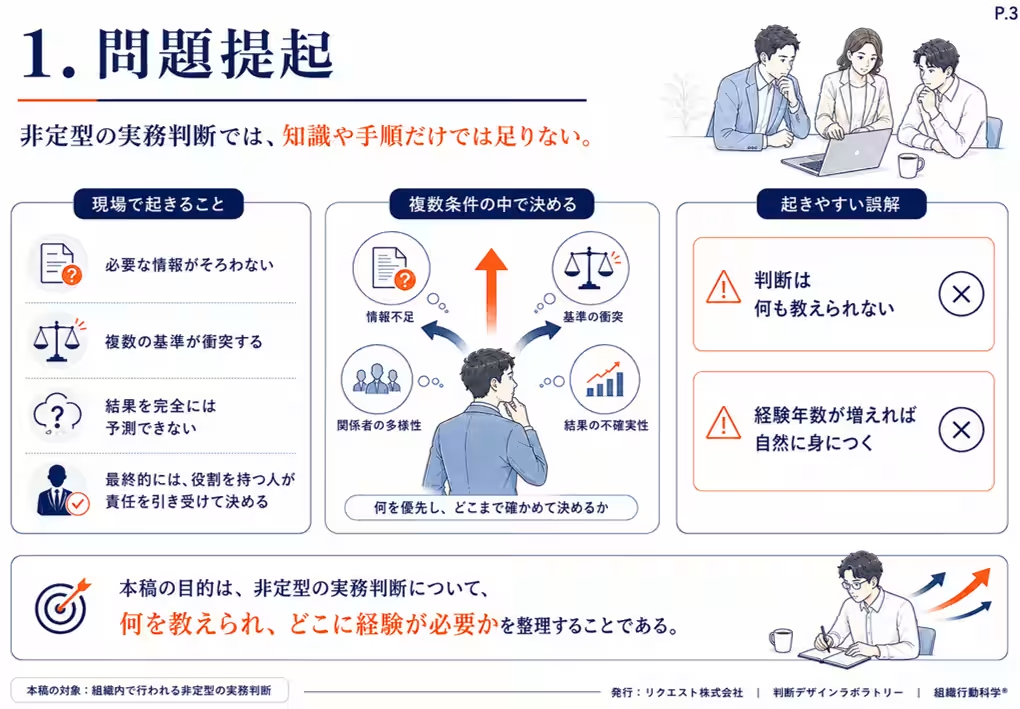
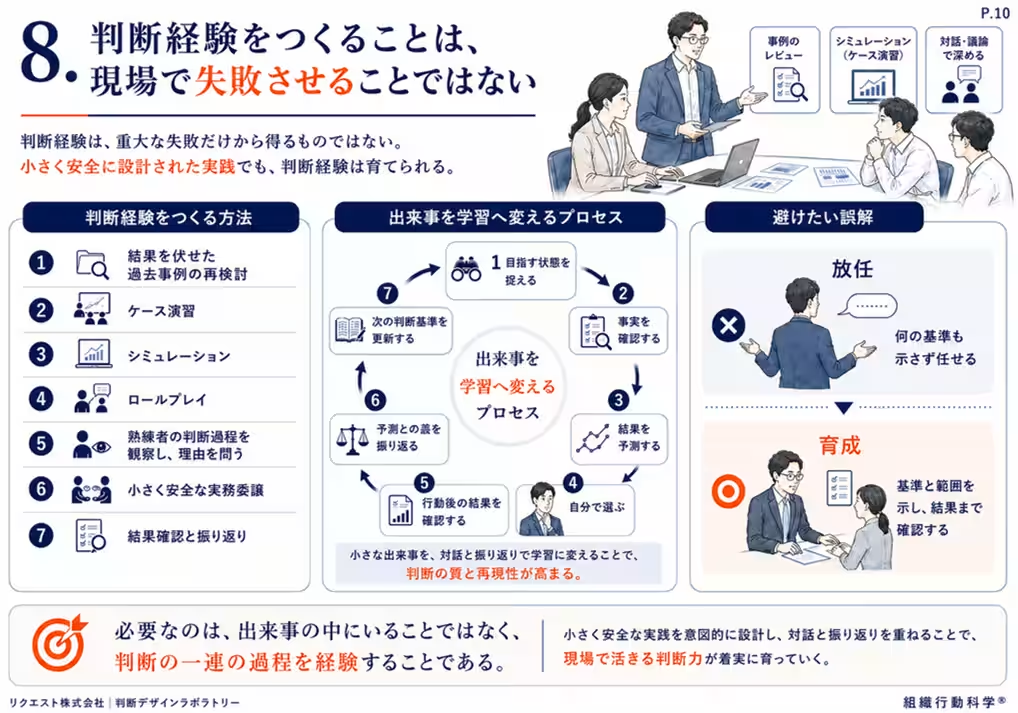
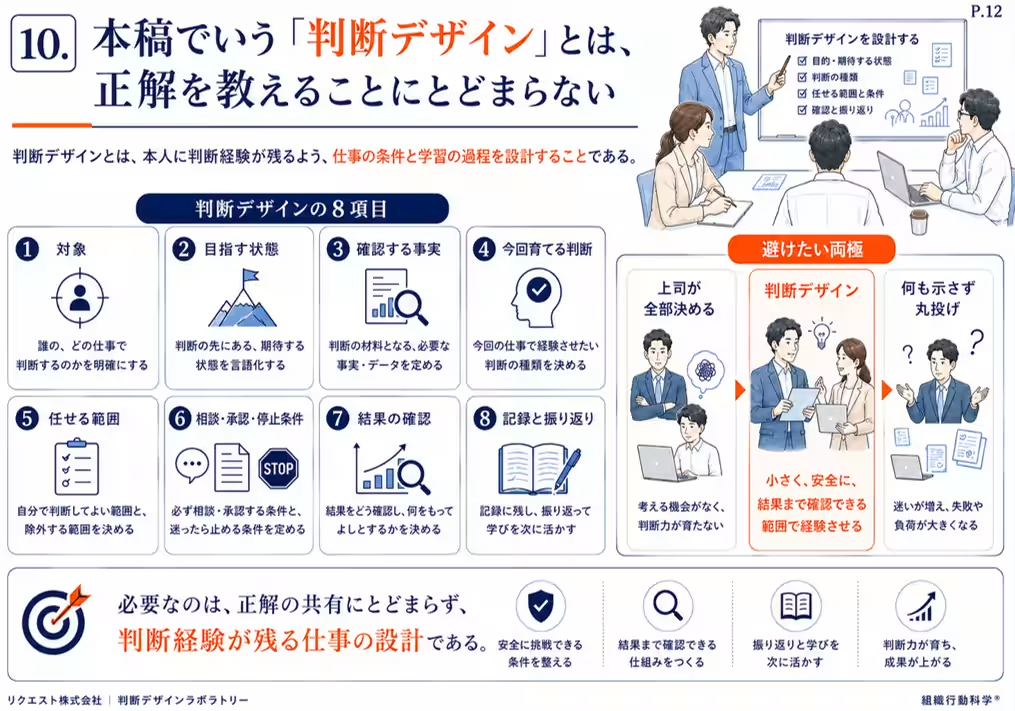
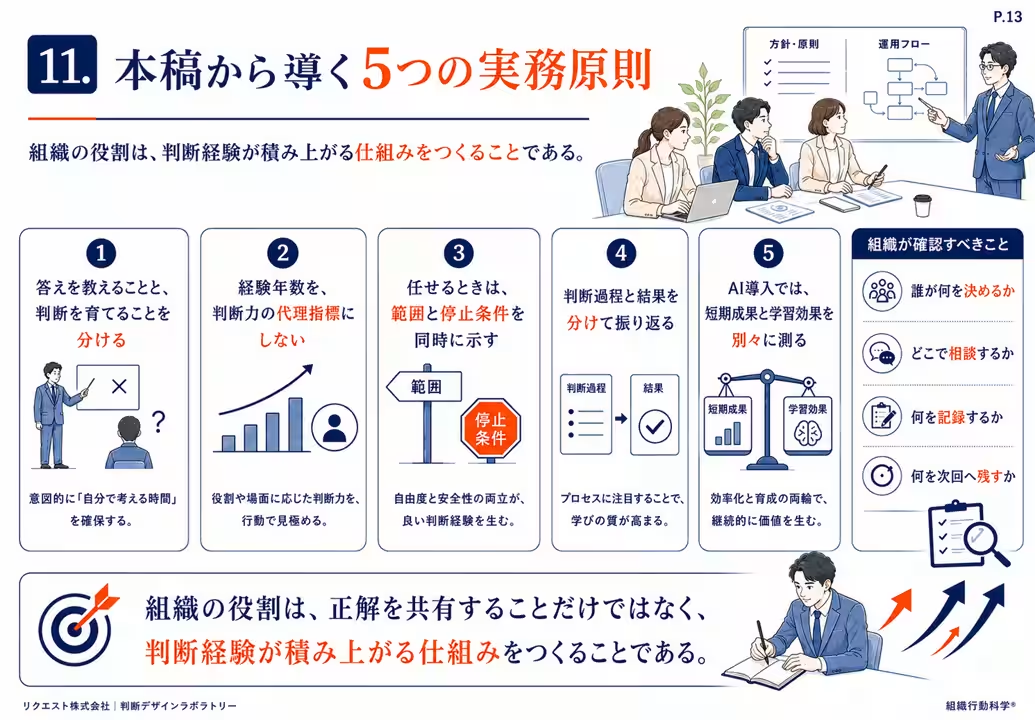
The report highlights various challenges in the development of judgment skills. For instance, the provision of predetermined answers can stifle independent thought, denying employees the opportunity to analyze and learn from their situations. On the flip side, leaving individuals completely on their own without guidance can lead to confusion and increased pressure, potentially inhibiting their decision-making capabilities.
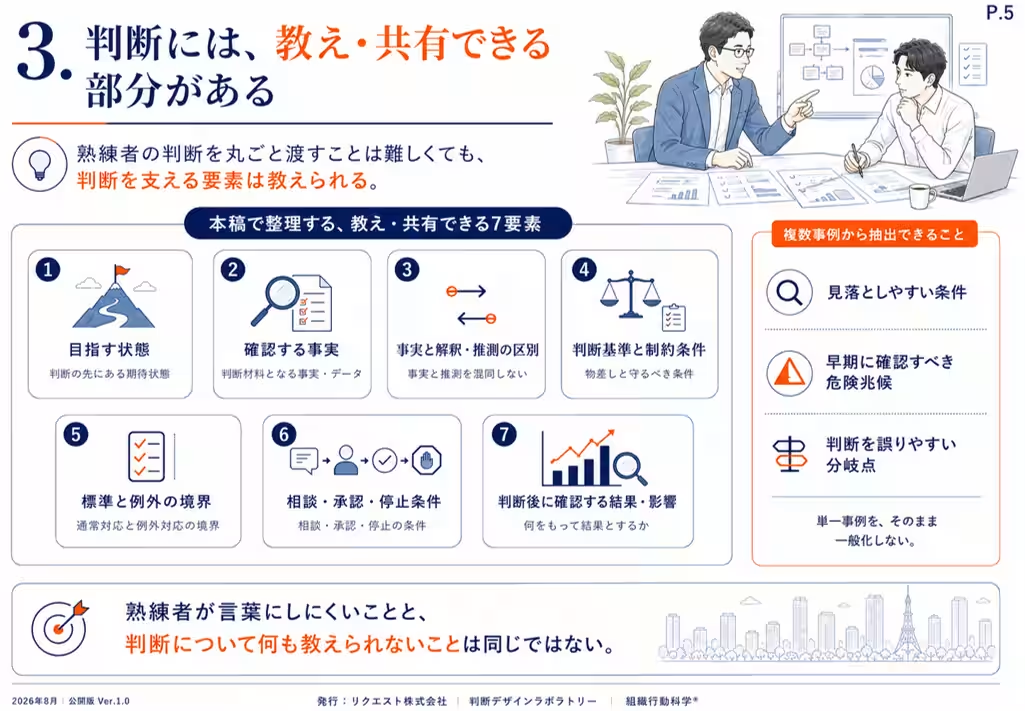
The report advocates for a structured approach to designing work that ensures judgment experience is retained. This includes defining roles clearly, setting boundaries for autonomy, and establishing consultation processes that allow for open dialogue when decisions need to be made or reviewed.
Aiming for Collective Understanding
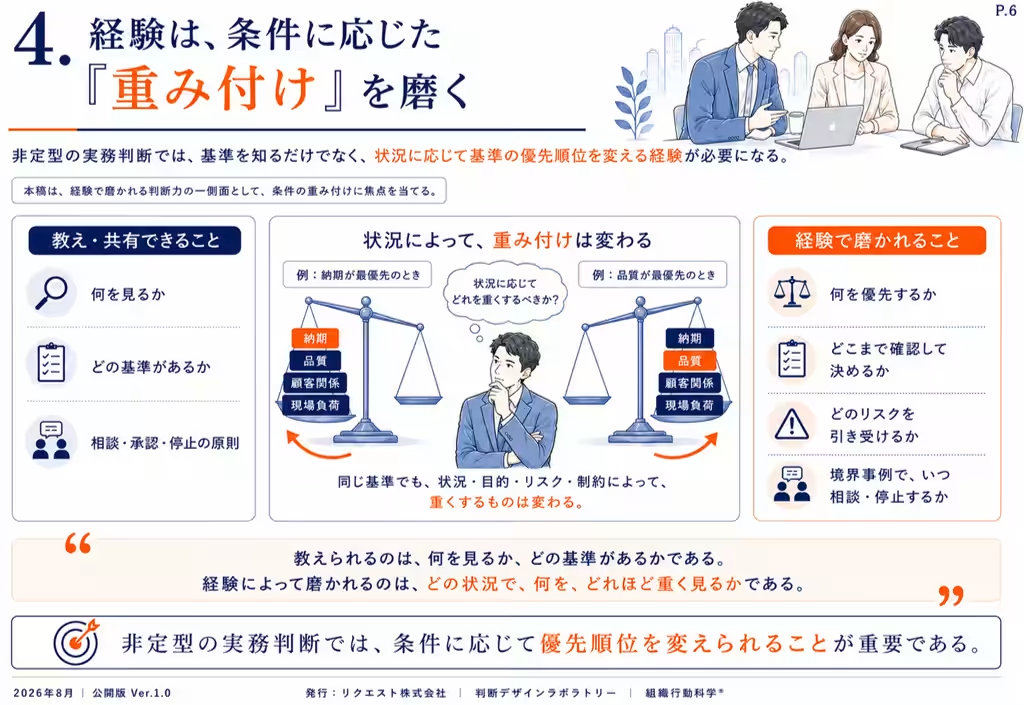
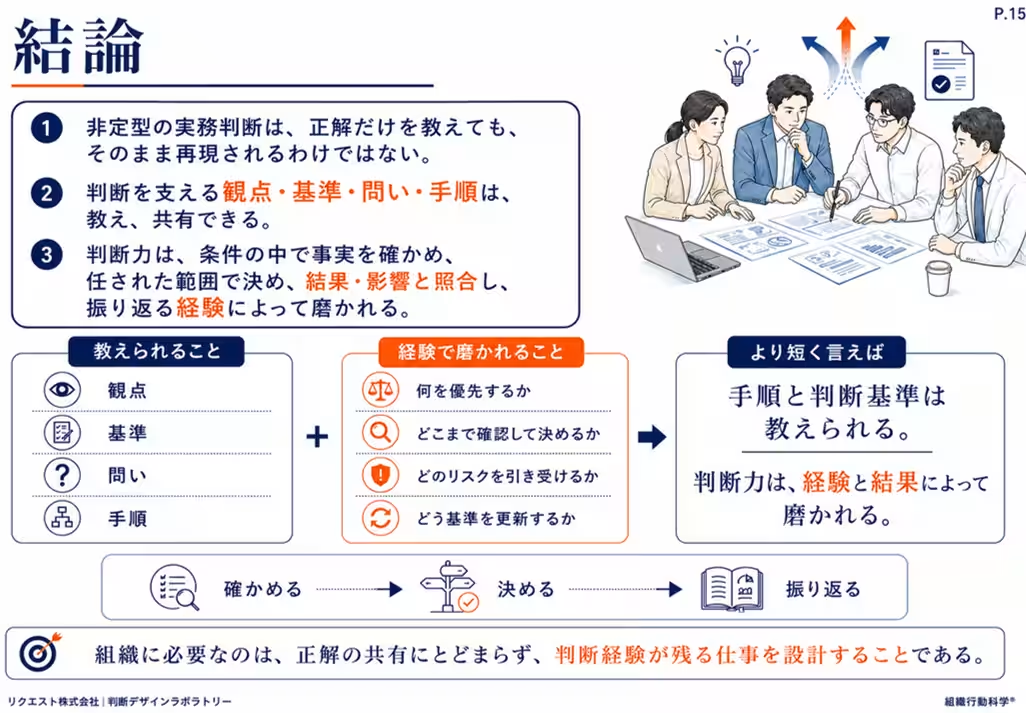
It’s essential to recognize that judgment within a corporate structure is not solely reliant on personal attributes or years of experience. Organizations must actively decide what responsibilities to delegate, under what conditions to seek consultation, and how to assess outcomes. By doing so, they can provide employees the opportunity to accumulate judgment knowledge over time.
The intent behind sharing this report is to stimulate discussions within companies around the idea of not just imparting correct answers but ensuring that employees gain meaningful experiences that can inform their future choices.
The Foundation of Organizational Behavior Science
Request Inc. practices Organizational Behavior Science, aiming to understand the motivations behind actions in the workplace through the lens of business contexts and historical experiences. Their work with data from nearly a thousand companies and over three hundred thousand working individuals helps cement the foundations of this scientific approach.
Conclusion
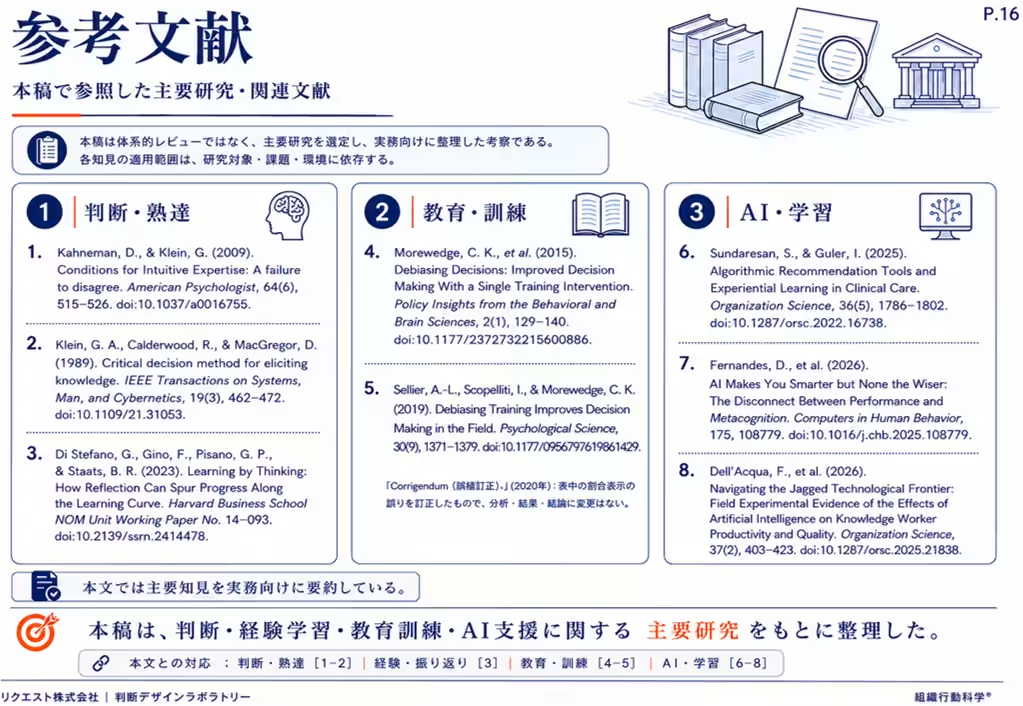
This report is not a comprehensive literature review but rather a curated selection of significant research around judgment, expertise, experiential learning, and AI integration. The goal is to foster a common language among teams—management, HR, and operational personnel—to address critical questions regarding accountability and development of judgment skills in the workplace. Companies looking to integrate the insights from this report will find themselves better positioned to create environments that promote learning through experience and enhance overall judgment capabilities.

Topics People & Culture)



【About Using Articles】
You can freely use the title and article content by linking to the page where the article is posted.
※ Images cannot be used.
【About Links】
Links are free to use.