



Connecting Childcare Support Providers: A New Era for Parenting in Japan
Expanding Childcare Support in Japan: Survey Highlights
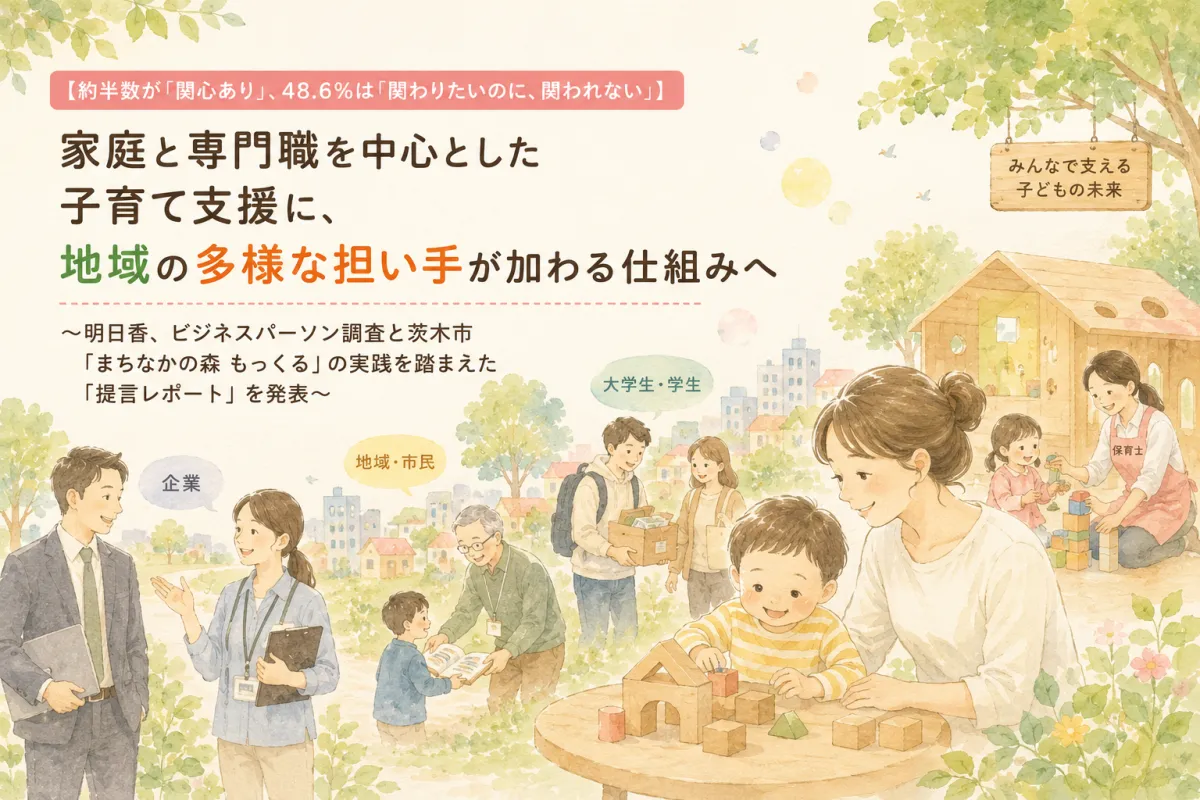
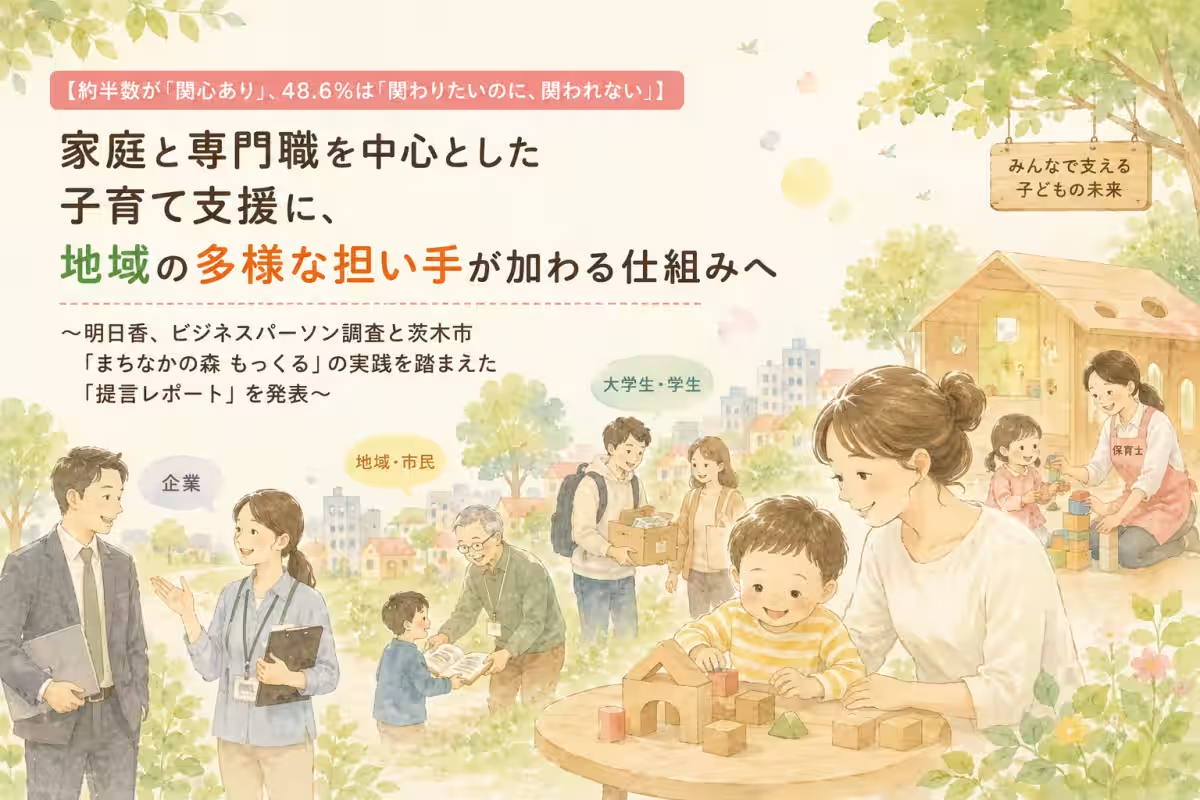
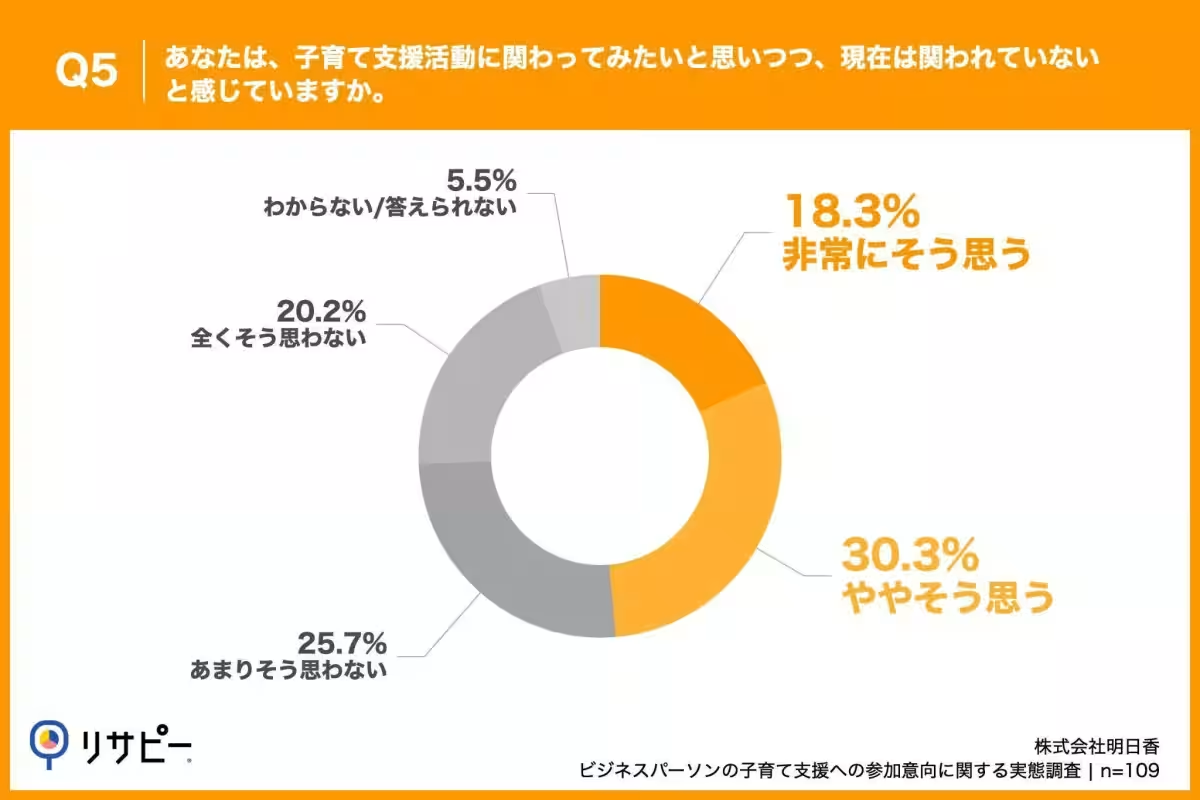
In response to alarming demographic shifts, Asuka Co., Ltd., based in Bunkyo, Tokyo, has initiated a project called Konnect Labo, focused on connecting children and the future with various community stakeholders. A recent survey targeting working individuals aged 20 to 60 revealed significant interest in participating in childcare support activities, with 48.6% expressing a desire to engage but feeling unable to do so at present.
Demographic Challenges Facing Japan
As reported by the Ministry of Health, Labour and Welfare, the birth rate in Japan is expected to reach a record low of 671,236 in 2025, marking a decade-long decline. With the total fertility rate dropping to an unprecedented 1.14, the reality of a shrinking population raises concerns about labor shortages and sustainability of services. These challenges extend beyond just families raising children; they affect society at large.
Traditionally, childcare support systems have revolved around families and professional caregivers, yet issues such as long waitlists for childcare places remain despite recent improvements. It is vital to reframe the approach to childcare as a societal obligation and to invite diverse community members to participate.
Survey Insights: Interest vs. Engagement
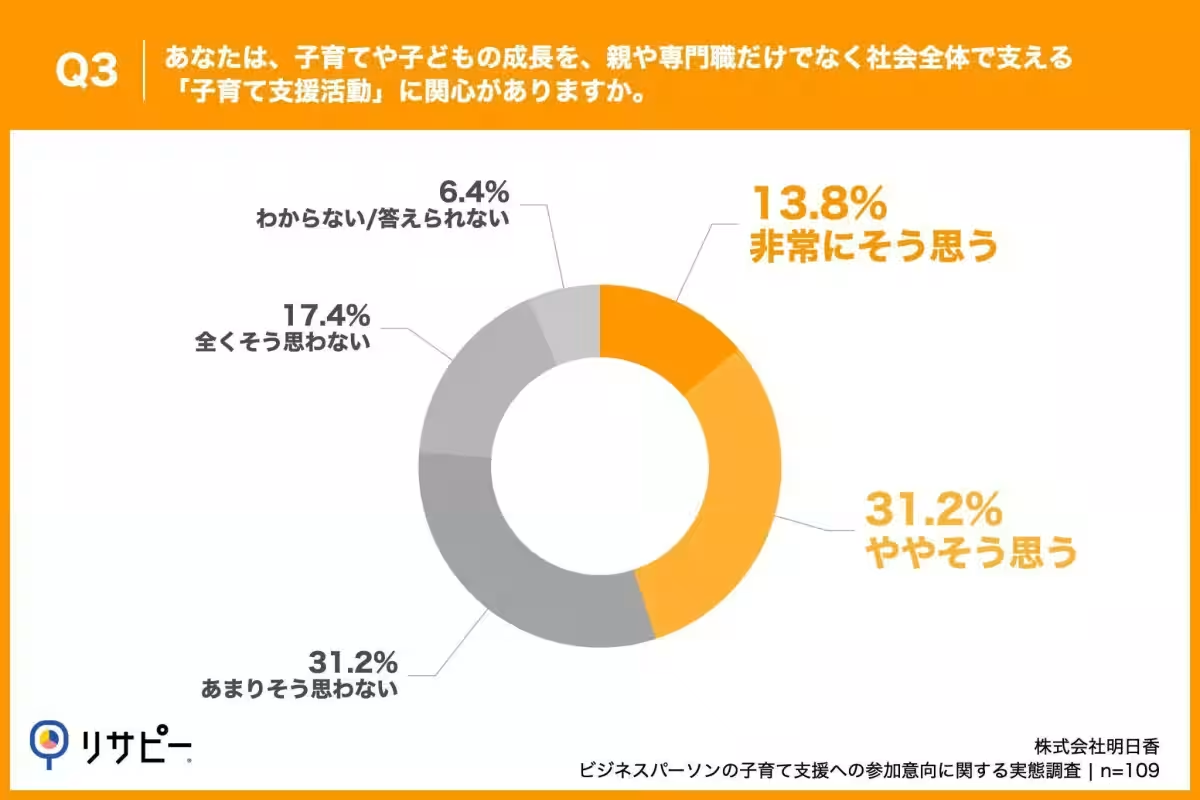
The survey conducted by Konnect Labo gathered responses from 109 business professionals about their willingness to engage in childcare support. The findings indicate that approximately 45% expressed a positive interest in participating, often motivated by a sense of social responsibility or a desire for community engagement. Furthermore, almost half of the respondents feel a disconnect between their intentions and actual participation.
While a significant number are willing to contribute, only six individuals reported actual past involvement in childcare support activities. This stark contrast highlights the need for better engagement strategies.
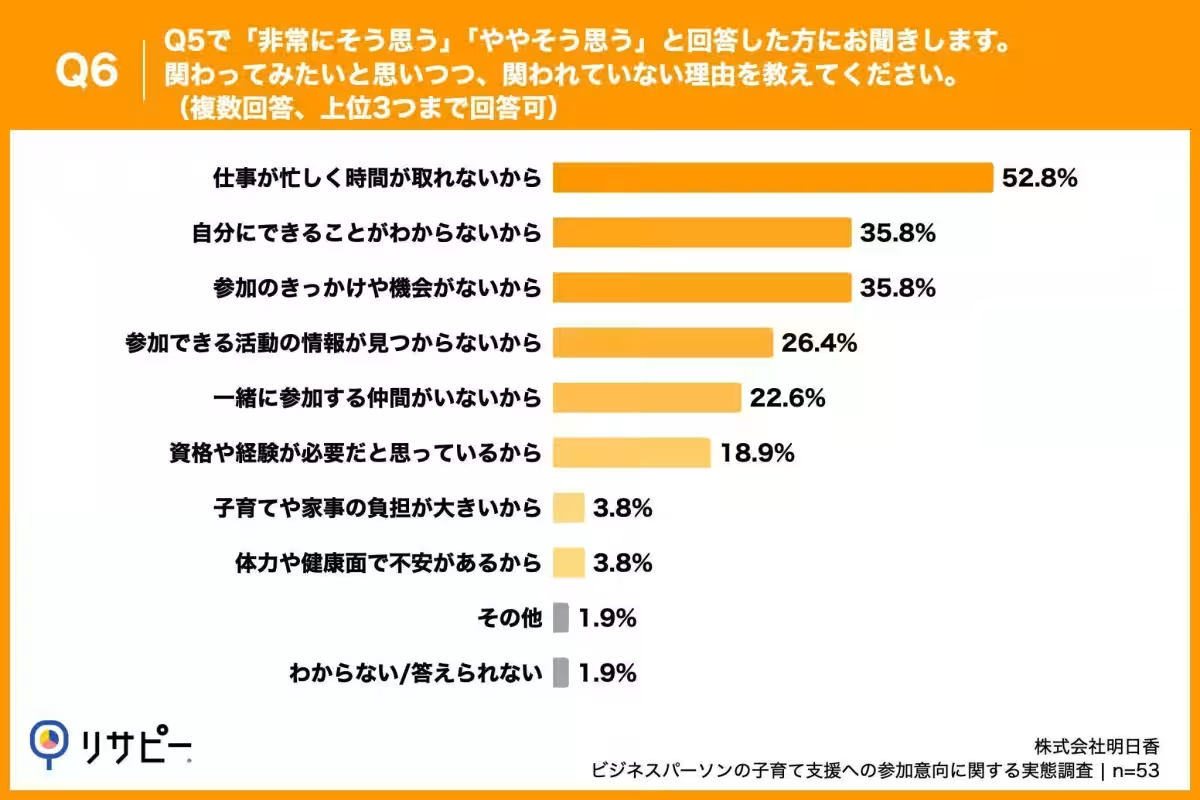
The barriers identified by those who wish to participate but feel unable to do so include lack of time due to work commitments (52.8%), uncertainty about how they can contribute (35.8%), and a lack of opportunities or initiation points (35.8%). Concerns also arise about the adequacy of their experiences and fears of imposing values on children.
Potential Pathways for Increased Involvement
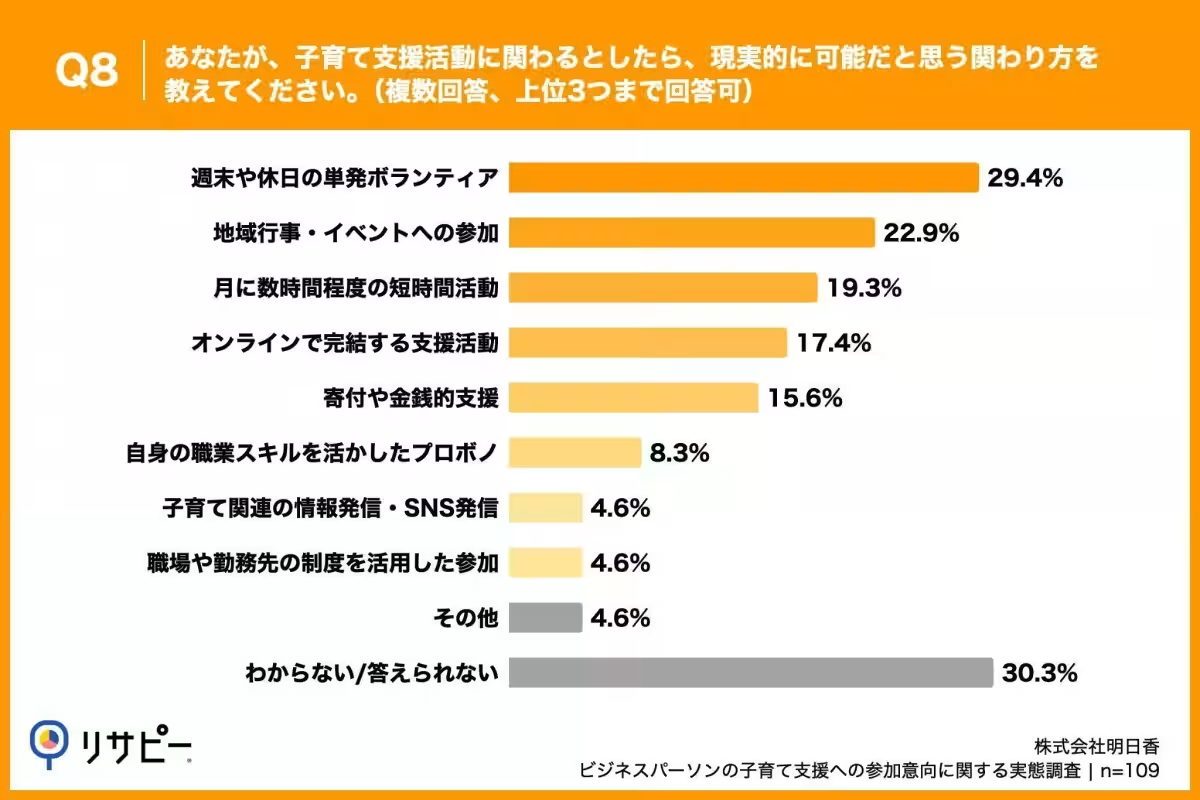
When asked about feasible modes of involvement, 30.3% of respondents felt uncertain or could not provide a clear answer. However, of those who could identify potential activities, weekend or short-term volunteer opportunities (29.4%) and participation in local events (22.9%) were the most cited options. This indicates a gap in concrete participation models that could be addressed.
Interestingly, around 50% of respondents believe that support from employers, such as volunteer leave, would facilitate their involvement in childcare initiatives. This suggests a powerful role for corporate policies in fostering community engagement in childcare support.
Case Study: Mumokuru in Ibaraki
A successful case in demonstrating community engagement through childcare support can be seen at 'Mumokuru,' an indoor children's haven located in Ibaraki. Managed by Asuka Co., Ltd. in partnership with other local entities, this facility offers unique learning experiences through the use of repurposed wood from local sources. It provides a nurturing environment where families can discuss parenting challenges and build community connections.
The Ibaraki Wood Education Festival, held in October 2025, showcased how local universities, companies, and organizations can unite to promote environmental awareness among children through engaging activities. Such examples illustrate the potential for diverse stakeholders to connect and collaborate on childcare initiatives.
Designing for Engagement
To effectively broaden the base of support for childcare, we must abandon the notion that participation in childcare initiatives is solely about solving the declining birthrate. Instead, it should serve as a shared theme enabling individuals and organizations to participate for varying reasons—companies seeking employee retention, students gaining practical experiences, municipalities enhancing public services, and families benefiting directly from community resources.
Successful strategies for fostering participation must include:
1. Creating opportunities for small-scale involvement, such as weekend and short-term volunteer efforts.
2. Providing clear and accessible information on potential contributions.
3. Establishing supportive company policies like volunteer leaves.
4. Building communal spaces where various stakeholders can naturally intersect.
These methods can form a basis for future engagement, aligning with the 48.6% of individuals who currently wish to participate but feel unable to.
Asuka Co., Ltd. has been committed to expanding childcare support since its establishment in 1994. The evolution of this commitment reflects a broader understanding of childcare as a societal responsibility that must be bolstered by diverse contributions. Through continued research and community-based operations, Asuka aims to inspire collective action that enriches the environment where children grow and thrive, thus making a significant impact on Japan's future.
Topics People & Culture)


【About Using Articles】
You can freely use the title and article content by linking to the page where the article is posted.
※ Images cannot be used.
【About Links】
Links are free to use.