



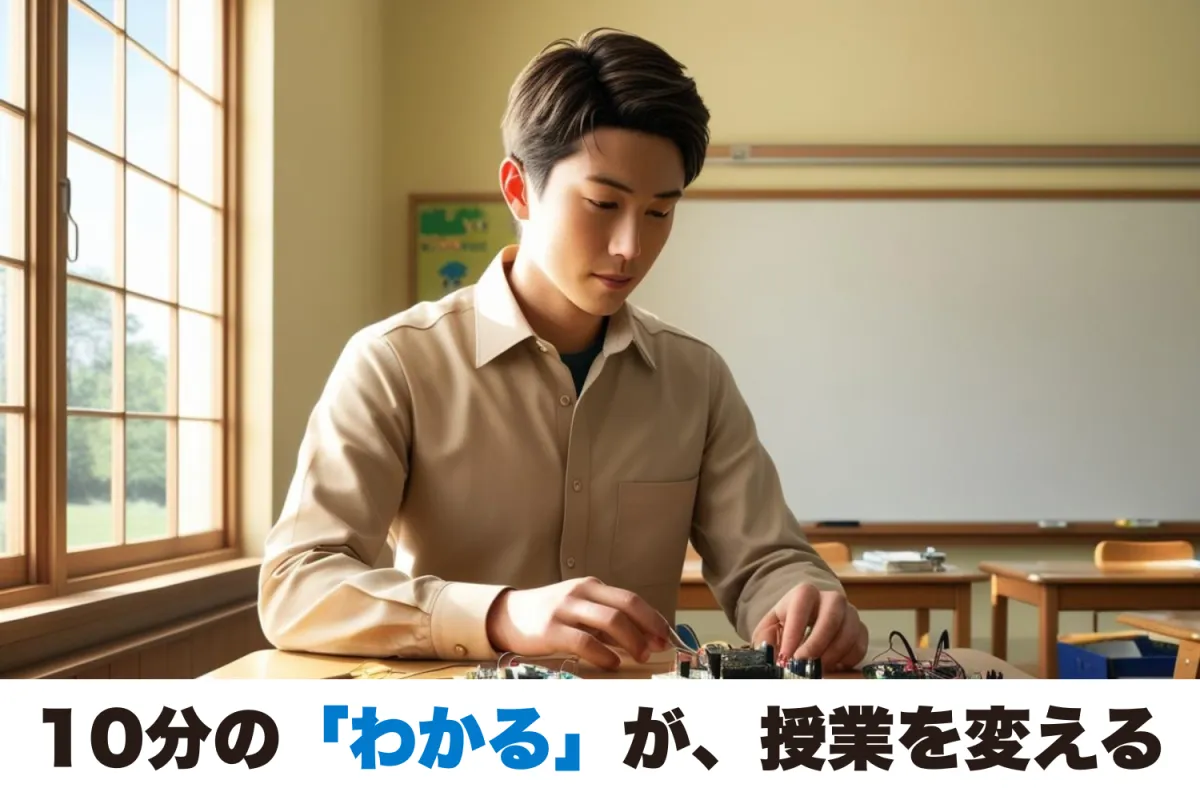
Is the Approach of 'Teachers Don't Need to Know' Still Valid in Programming Education?
The Evolving Landscape of Programming Education in Japan
Since 2020, Japan has introduced programming education in elementary schools, with around 420,000 teachers navigating this new territory without a solid understanding. Initially, the philosophy was clear: teachers need not be programming experts. However, as we approach 2025, feedback from those in the trenches sheds light on growing concerns.
Rising Concerns Among Educators
Recent surveys indicate overwhelming anxiety among young teachers—87.8% express uncertainty about programming education, citing issues like:
- - Evaluation Confusion: Many do not grasp how to assess students in programming courses.
- - Material Selection Dilemmas: With so many resources available, choosing the right teaching materials poses a challenge.
- - Unclear Learning Objectives: A significant number of teachers feel lost regarding what they aim to impart to their students.
Moreover, nearly 90% report increased workload, leading them to contemplate their teaching methods. It appears that many educators are resorting to gimmicks like asking tech-savvy students for help or gleaning knowledge from external resources.
Limitations of Teaching Without Understanding
The purpose of programming education extends beyond merely teaching students to code; it also involves fostering a mindset that encourages logical thinking and problem-solving. Educators must experience firsthand the reasons behind learning programming to communicate its value effectively to their students.
This raises questions about the effectiveness of the original philosophy. The limitations of teaching without contextual knowledge might hinder students from grasping essential concepts related to programming.
Introducing Magicbit: A Teaching Aid for the Modern Classroom
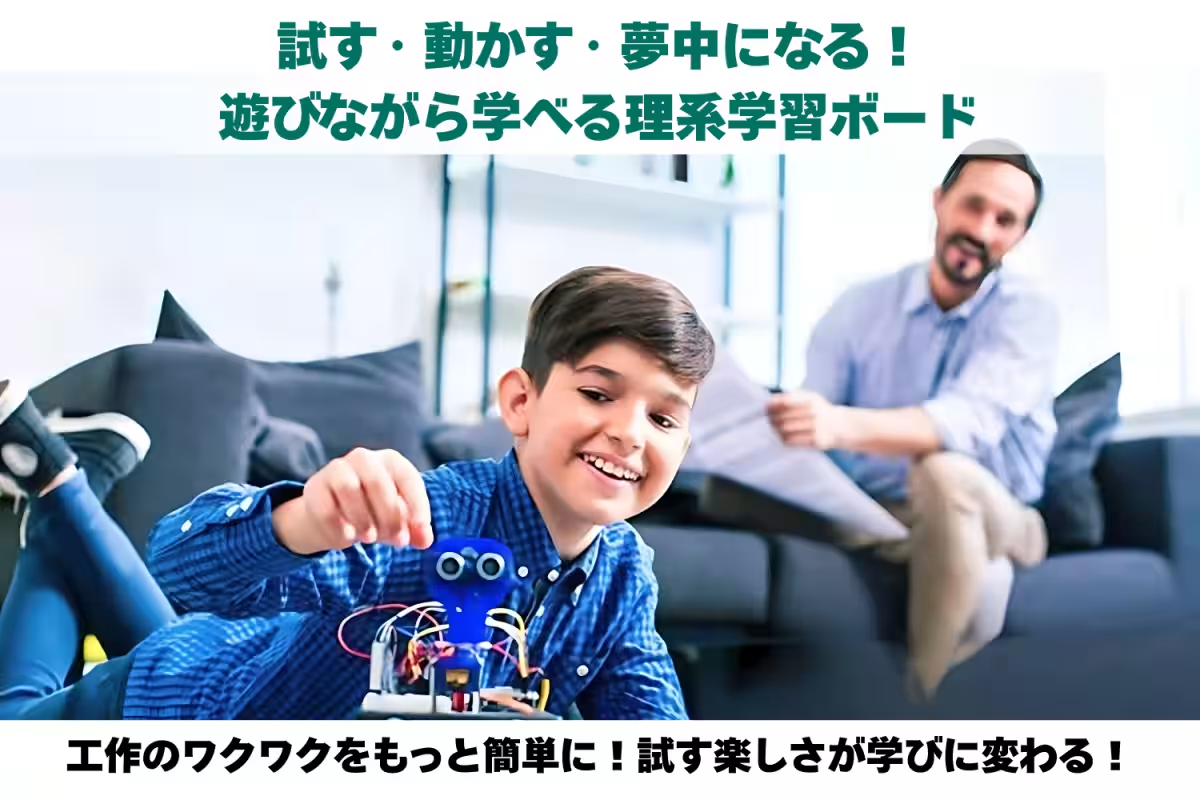
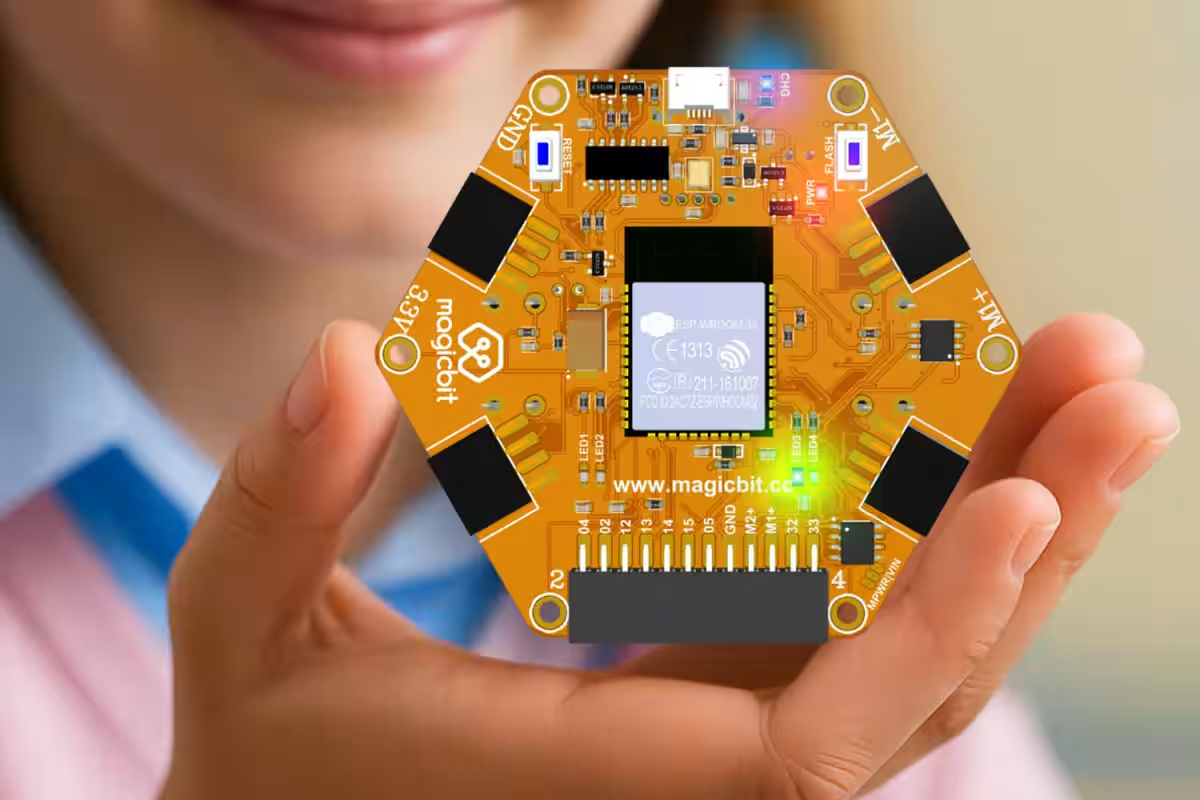
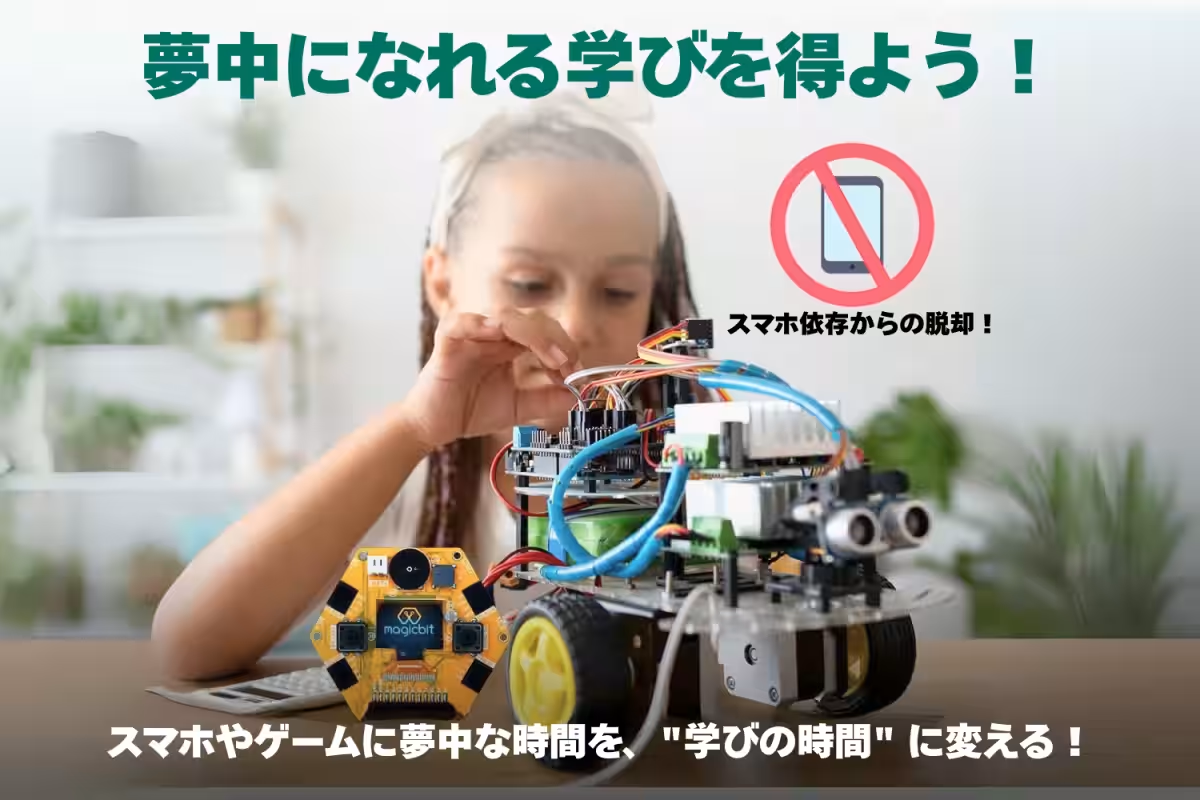
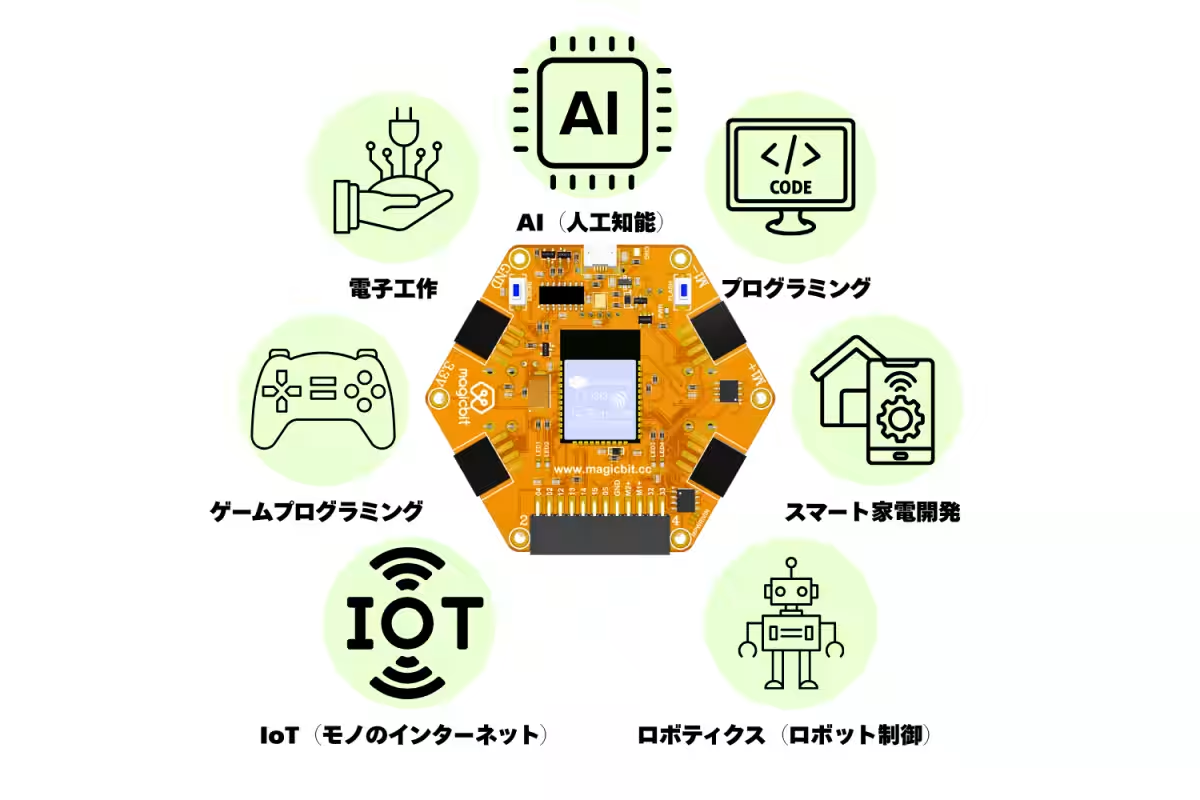
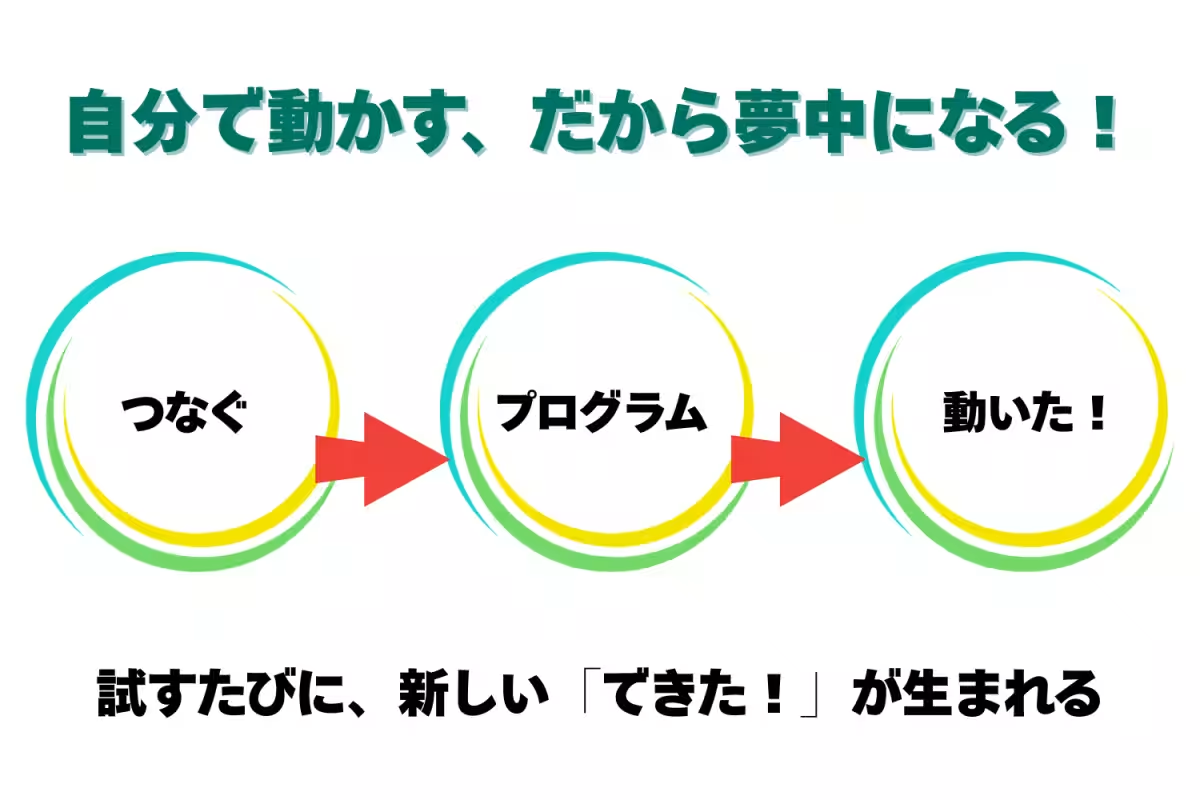
In response to these challenges comes Magicbit, a compact programming learning board designed for quick understanding in just ten minutes. Powered on, it allows teachers to see the logic behind operations, such as creating a traffic light system. This hands-on activity naturally prompts students to explore concepts like timing intervals and the reasons certain lights overlap.
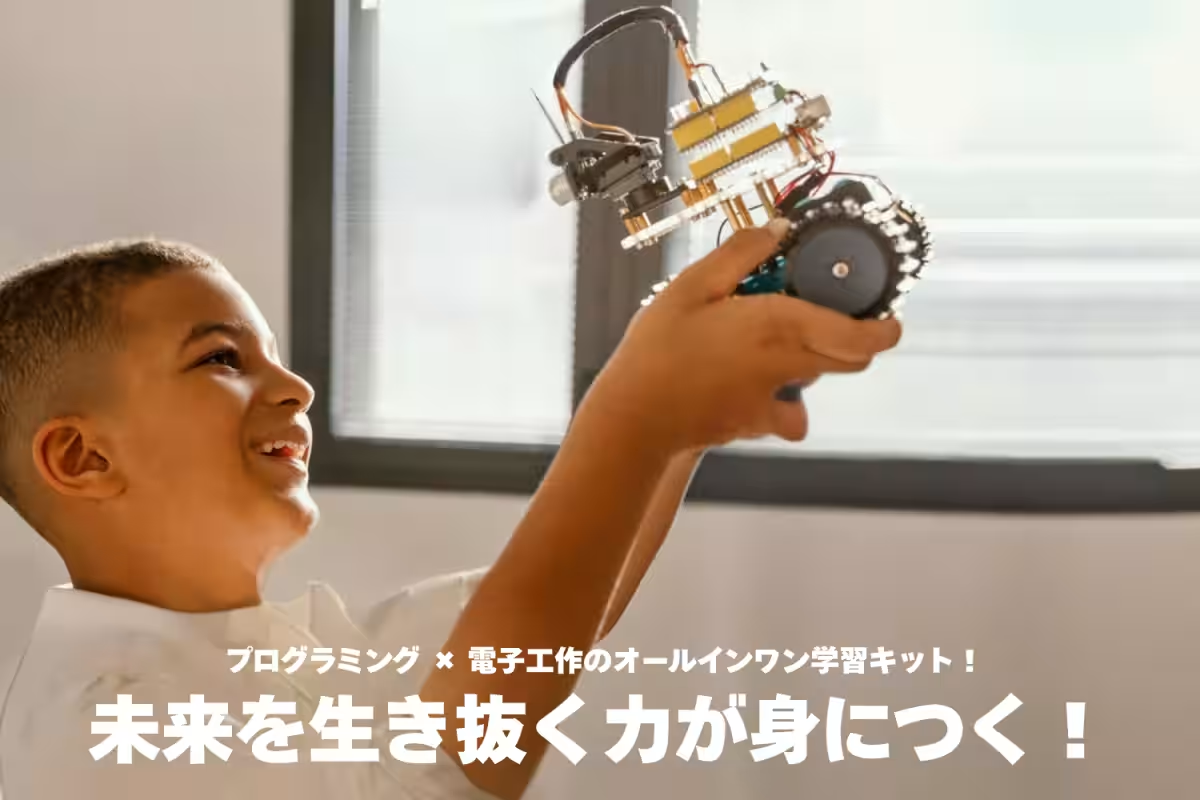
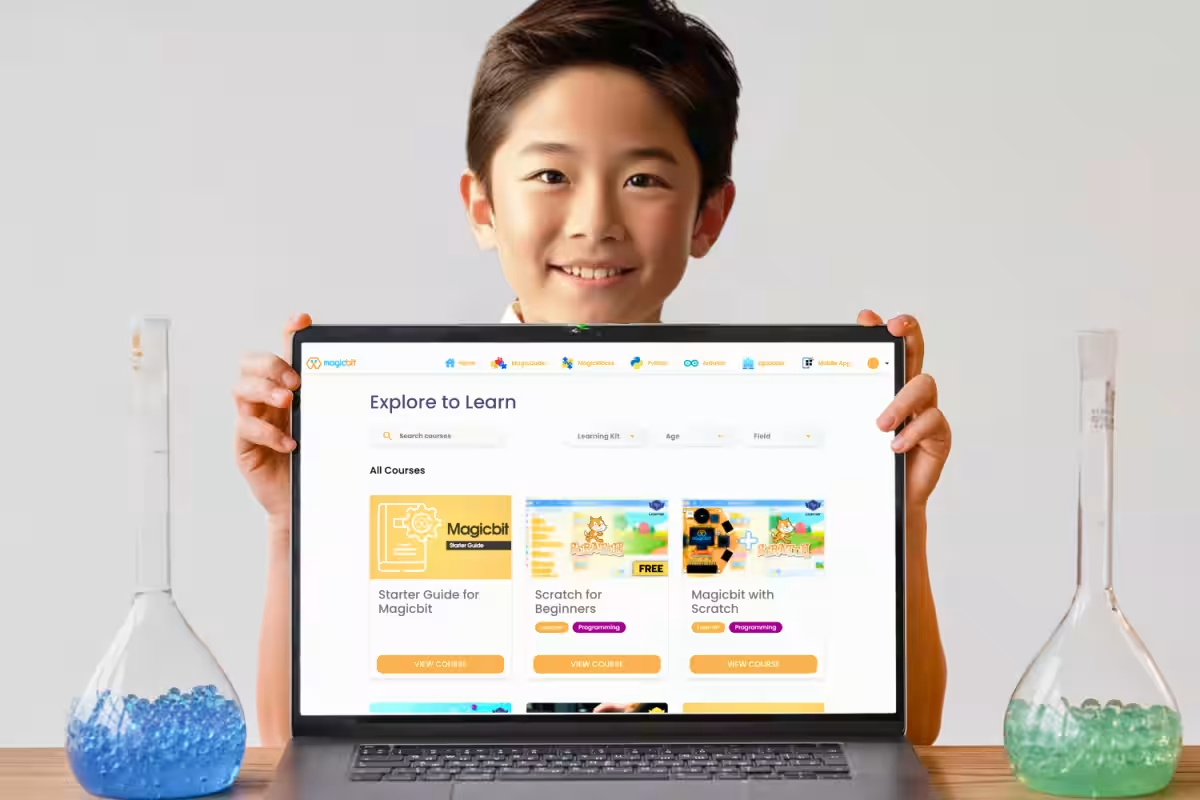
Magicbit is not just for students; it serves as an ideal training tool for teachers. Rather than needing extensive knowledge, educators can utilize Magicbit to guide discussions and help students discover programming principles.
Addressing Educational Access Disparities
Research indicates that teachers with better access to teaching materials tend to feel less anxious about programming education. When teachers have suitable tools within reach, it mitigates their fears. Magicbit offers a one-time purchase model, eliminating ongoing financial stress, apart from a few specialized projects. Designed for both classroom and home use, Magicbit is available at exclusive crowdfunding prices.
Opportunity for Growth
The last five years have seen the educational community laboring to put programming into practice despite shortcomings. Now is the ideal moment to reflect on these experiences and refine the approach moving forward. Magicbit encourages a balance between guiding students and allowing them to engage their curiosity and creativity.
Conclusion: A Small Understanding Can Lead to Big Changes
It may be true that
Topics Other)

【About Using Articles】
You can freely use the title and article content by linking to the page where the article is posted.
※ Images cannot be used.
【About Links】
Links are free to use.