



Struggling with Self-Esteem: The Quest for Effective Effort in Education
The Struggles of Finding Effective Efforts in Education
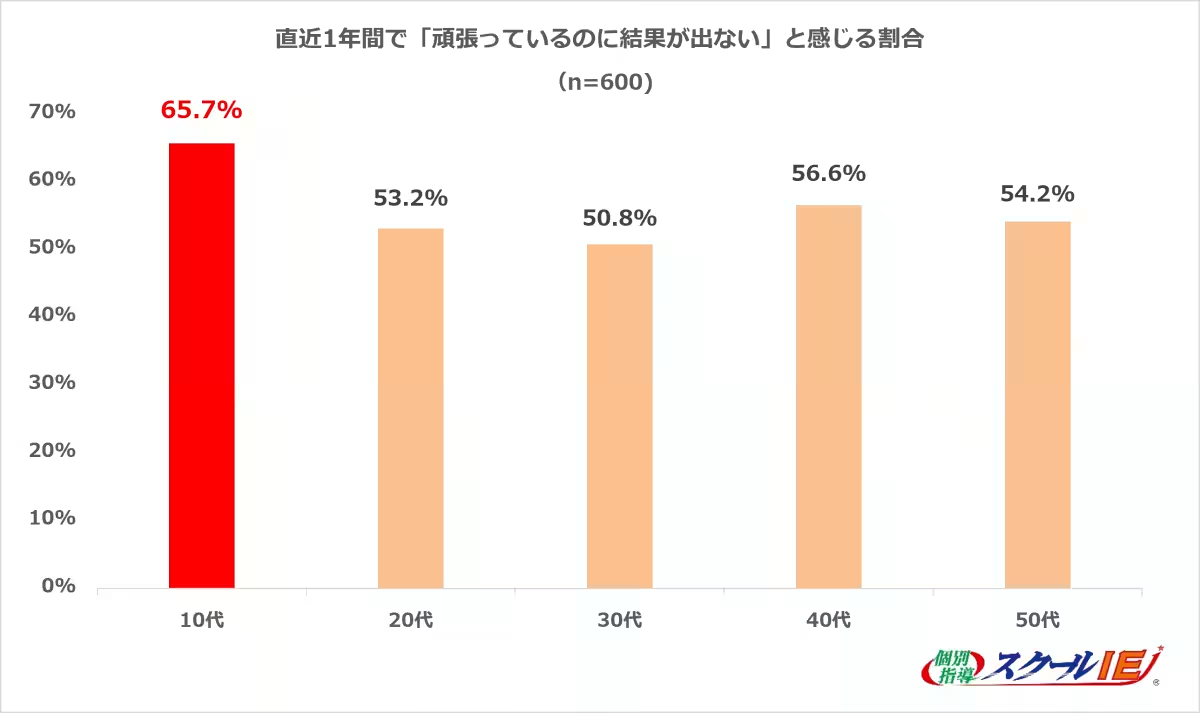
A recent survey conducted by the Motivation Switch Group's School IE, a personalized tutoring company based in Tokyo, has unveiled alarming trends regarding how individuals perceive their efforts in educational settings. A staggering 54.9% of the 600 participants aged 10 to 50 reported feeling that their hard work has not yielded results over the past year, particularly pronounced among teenagers—65.7% of whom expressed this sentiment.
The organization plans to launch a new brand message stating, "There is a correct way to exert effort," starting from January 2026. This initiative aims to address the significant number of children who struggle to excel due to the mismatch between their unique needs and the environments or methods employed in their education. Essentially, the mission is to recognize and nurture individual characteristics and learning habits to guide each child toward their optimal path to success.
Survey Insights
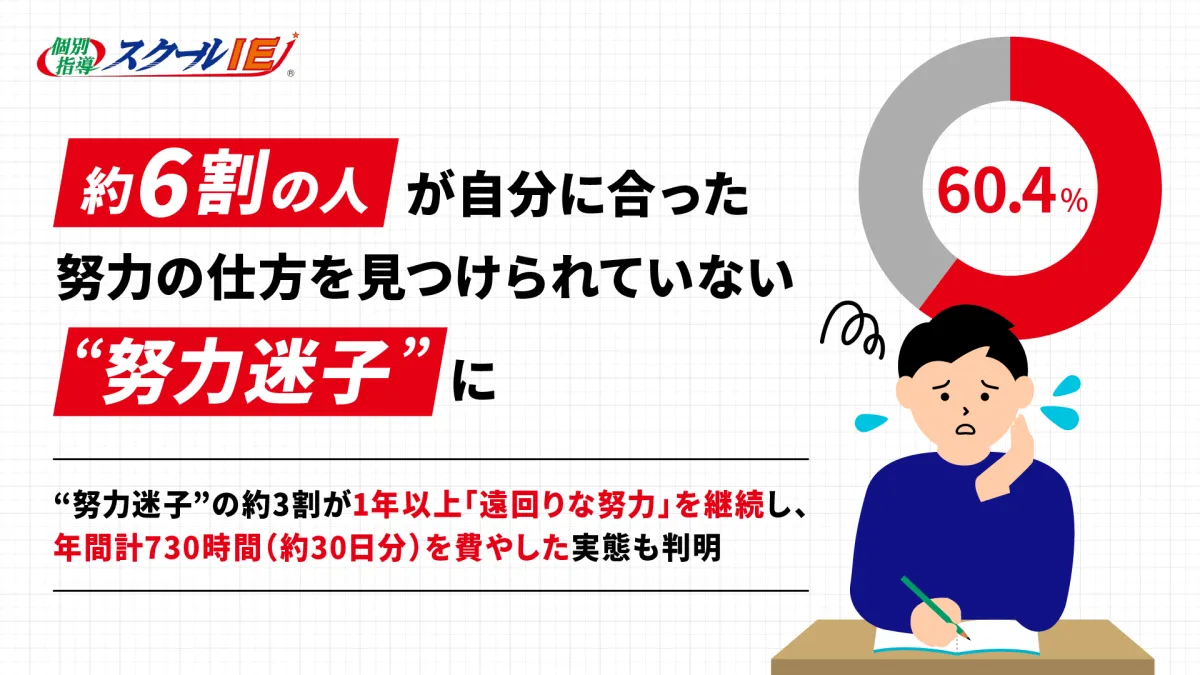
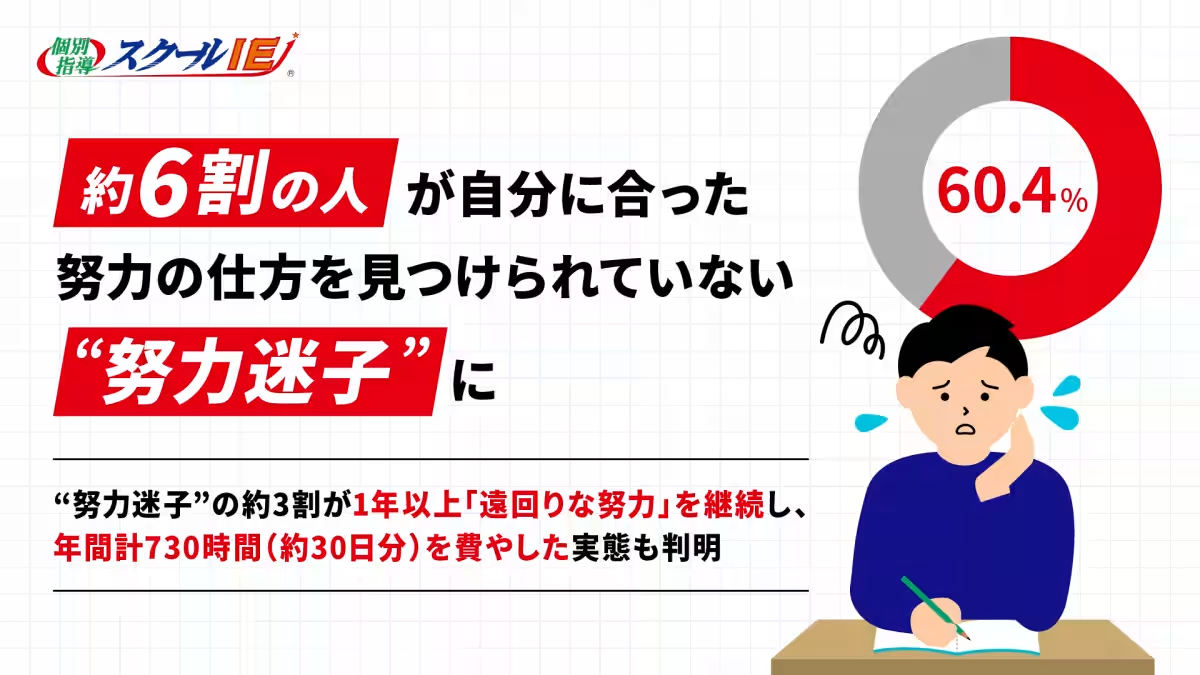
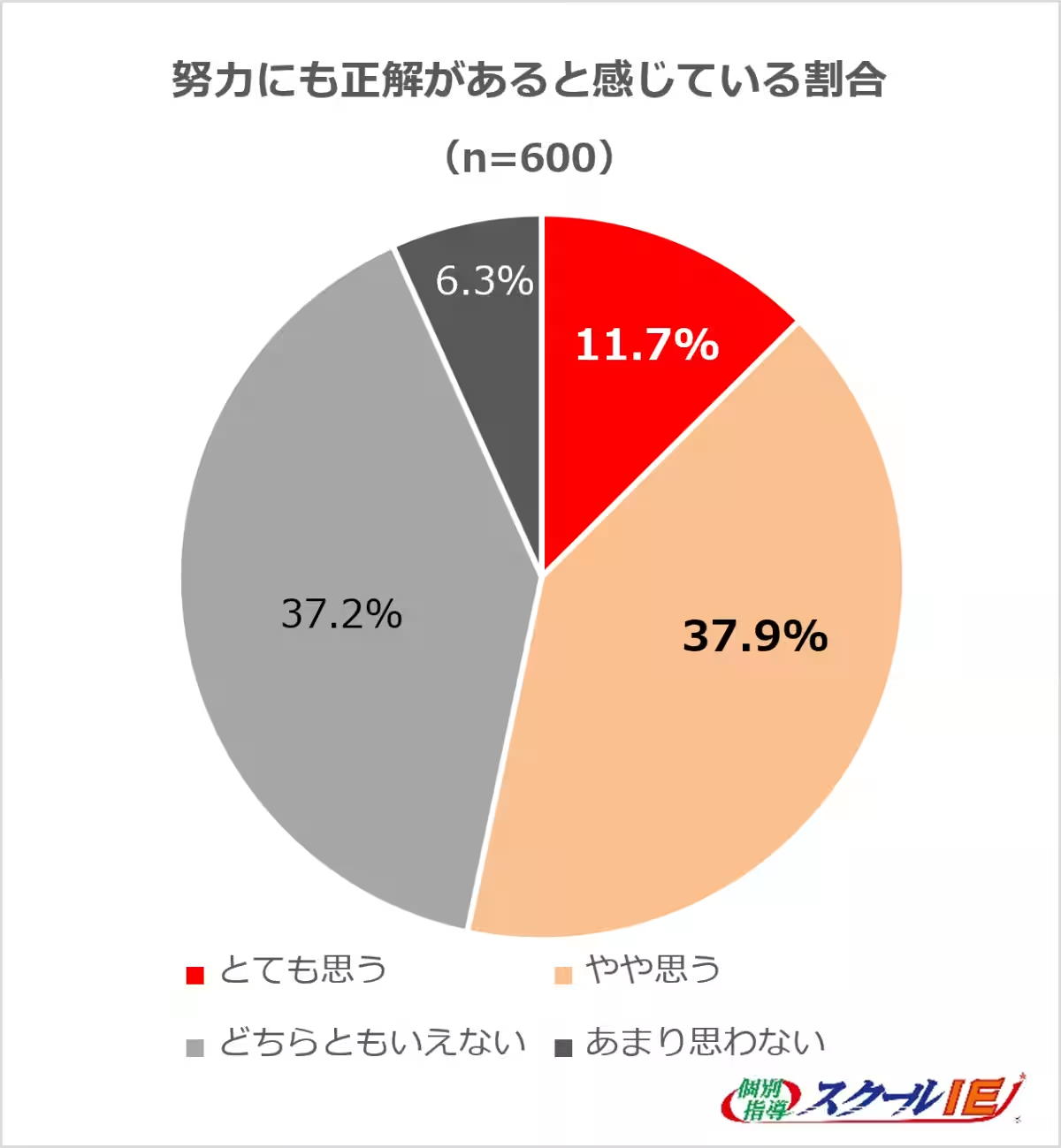
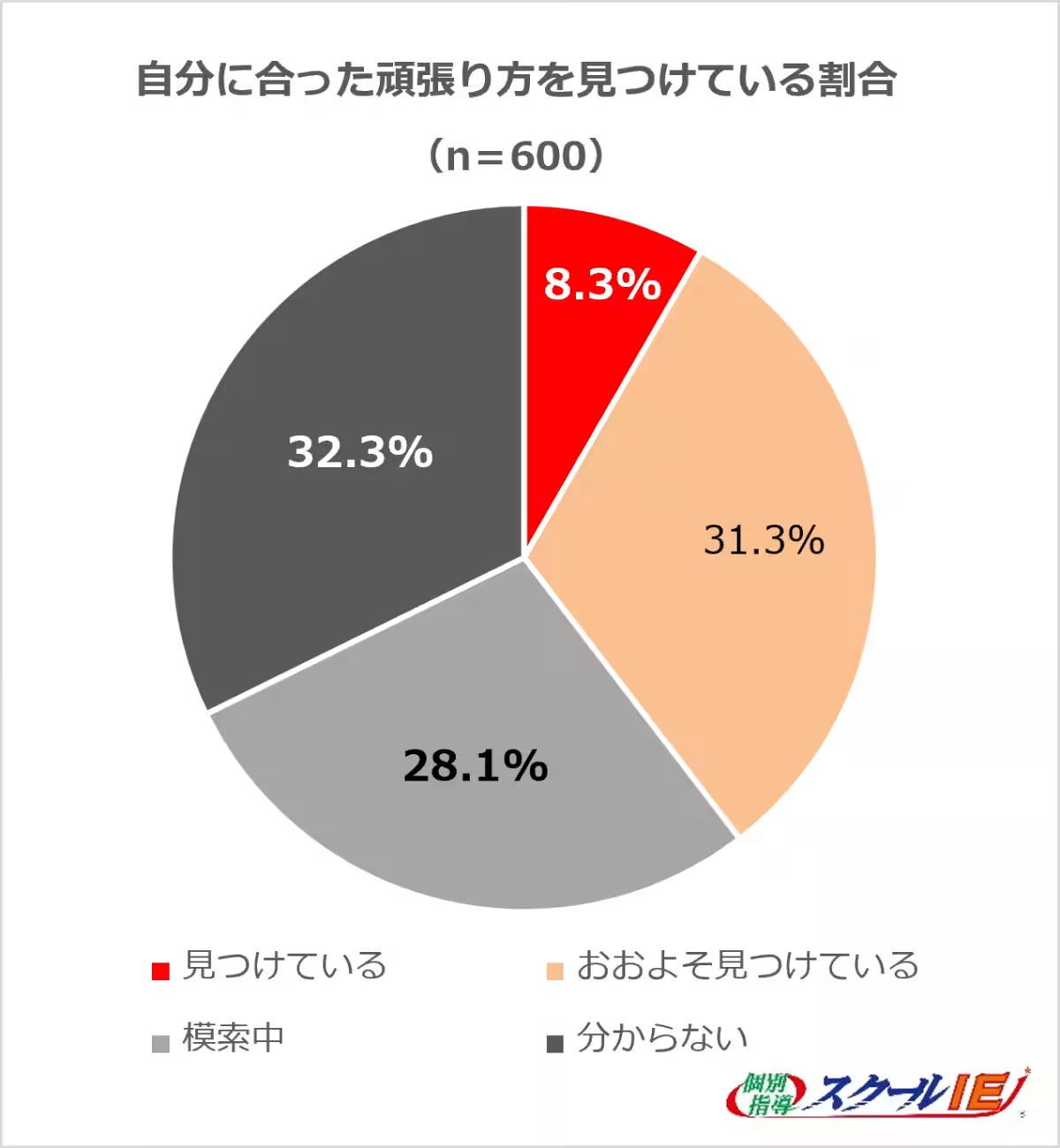
The backstory to this assessment hinged on understanding the essence of the so-called "effort lost" phenomenon among individuals, which can be defined as experiencing feelings of uncertainty or pressure despite the motivation to succeed. About 60% of respondents claimed that they are unable to find an effective way of applying their effort, with nearly half (49.6%) affirming the belief that there is indeed a correct approach to working hard. However, only a meager 8.3% reported actually finding such a method, leaving 60.4% in a position of either searching or feeling confused about their approach.
The survey suggests a profound correlation between self-esteem and the ability to recognize appropriate effort strategies. About 20.8% of participants who identified their self-esteem as high reported that they found their optimal approach to effort, compared to just 3.1% among those with low self-esteem. This demonstrates how personal recognition and confidence can guide action and efficacy.
The Reality of Misguided Efforts
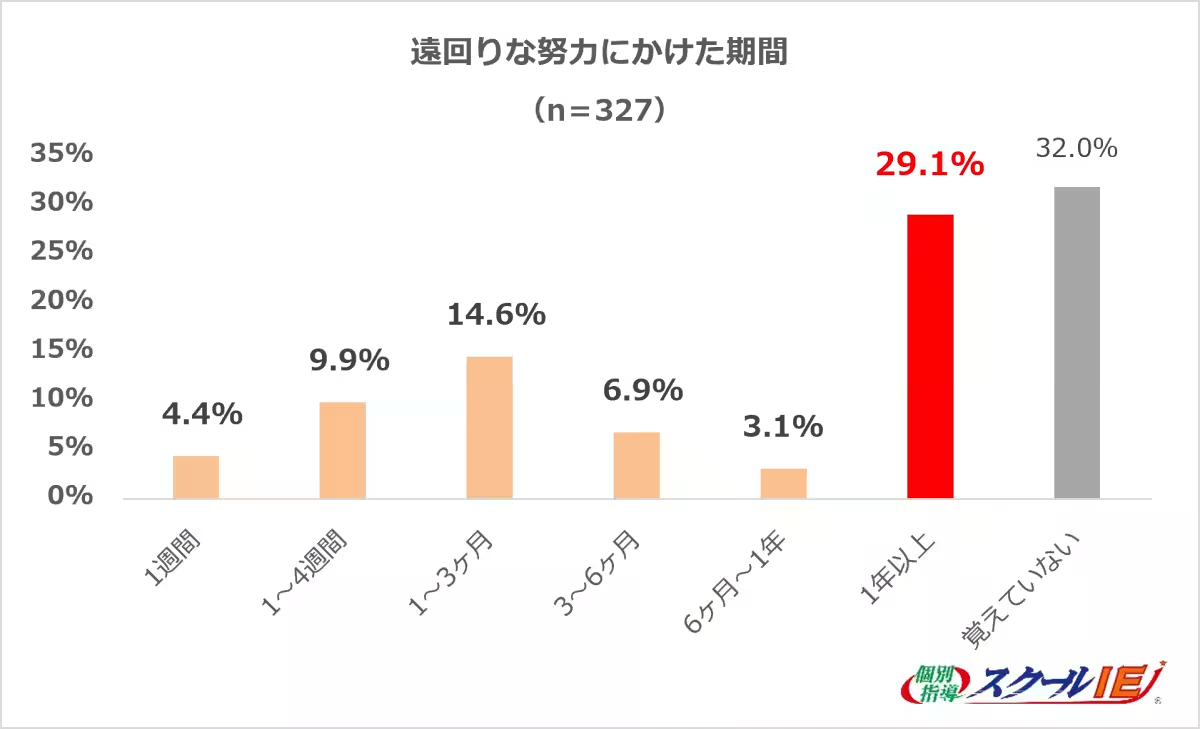
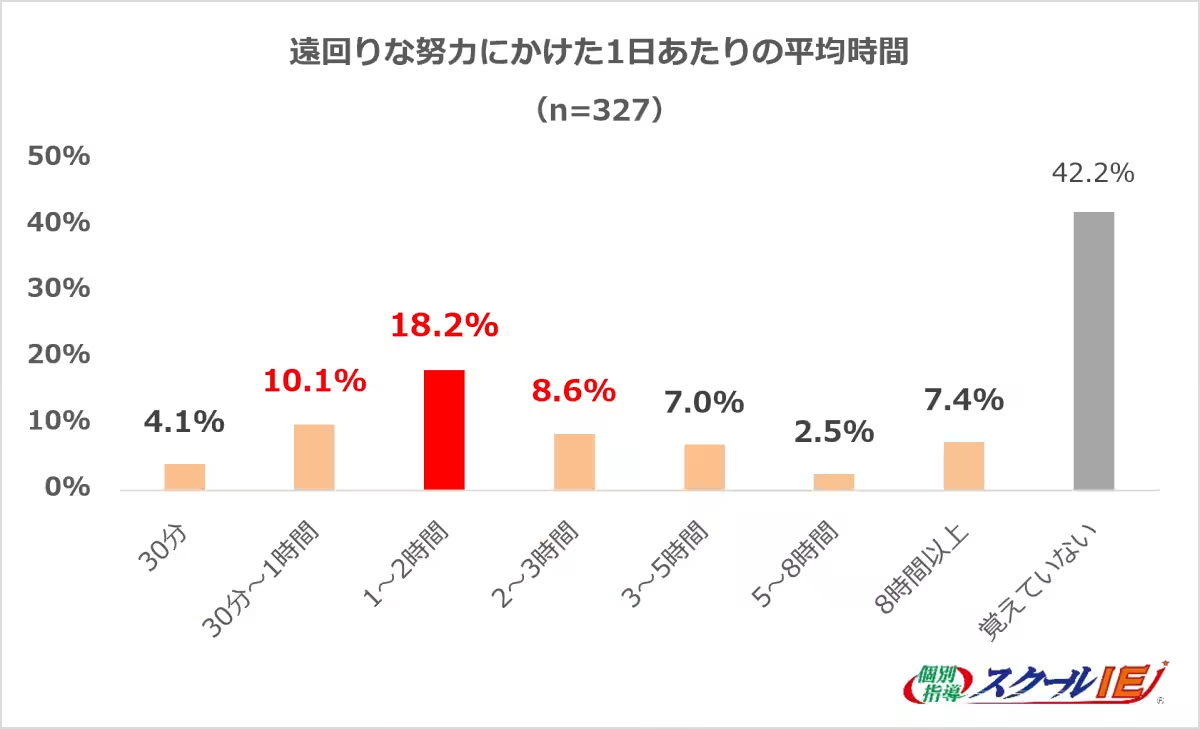
The data also revealed that a considerable portion, 54.4%, have engaged in ineffective effort strategies at some point, often spending significant time on endeavors that yielded little to no results. Almost 30% of these individuals have persisted in fruitless efforts for over a year, with some dedicating approximately two hours daily to these efforts, leading to an astonishing total of 730 hours (equivalent to about 30 days' worth of time) wasted.
Interestingly, 67.3% of respondents who undertook long-winded efforts expressed a desire to have discovered more suitable methods sooner. The sentiment was particularly resonant among women in their 50s, with nearly 78.4% revealing they regretted not identifying suitable effort strategies earlier.
Collaboration in Finding Effective Efforts
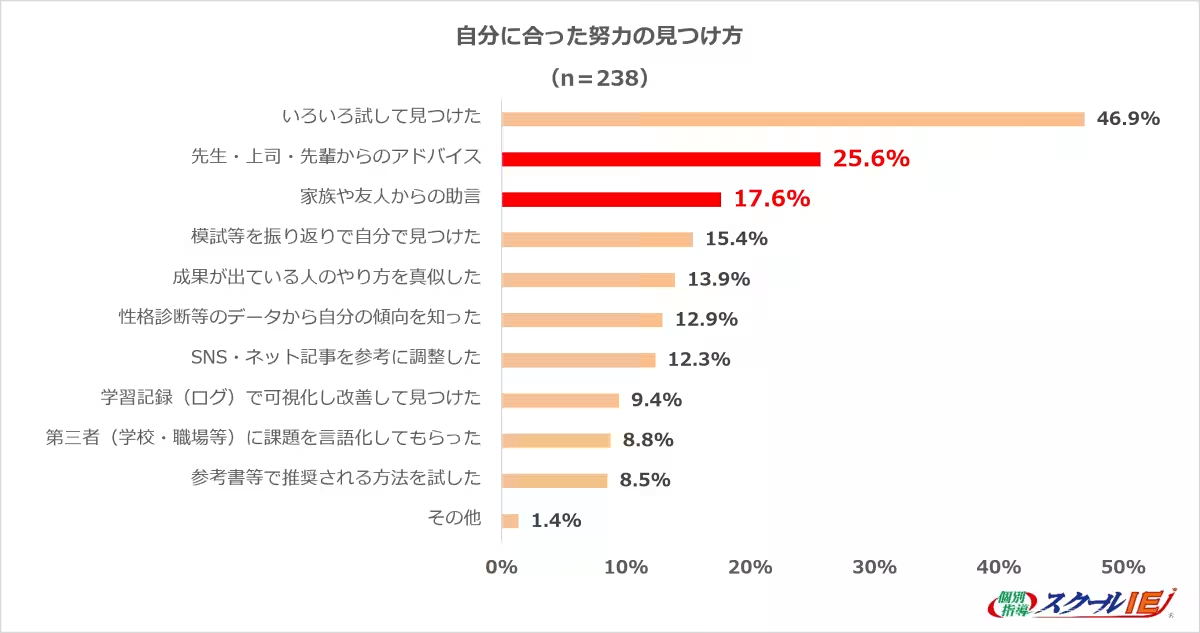
The survey also stressed the crucial role that external interactions play in discovering effective effort styles. A majority reported having tried different methods (46.9%), followed by seeking advice from mentors or supervisors (25.6%) and insights from family or friends (17.6%). This echoes the notion that the road to effective effort is seldom traveled alone.
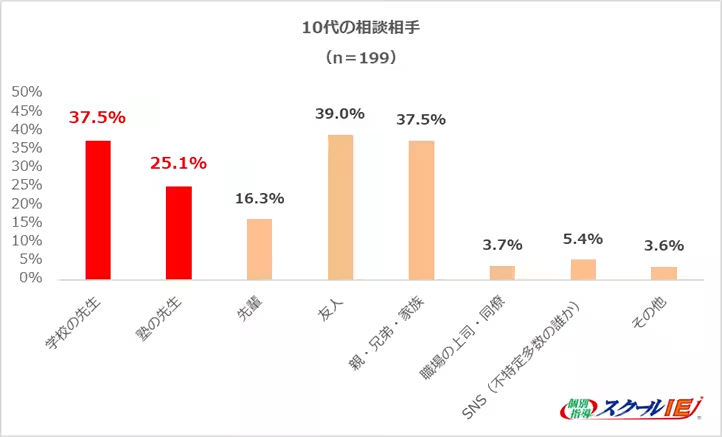
However, approximately 70% of participants had not solicited external help, citing reasons such as preferring to solve problems independently (32.7%), a lack of available advisers (29.8%), or simply not knowing what to ask (24.8%). The survey highlights a tendency to lean on close acquaintances for advice, with friends emerging as the top choice among teenagers.
Insights from the Director of the Motivation Research Institute
According to Takumi Niwano, Director of the Motivation Research Institute, effective learning strategies—specifically tailored to individuals—are rarely taught compared to core subject content like mathematics or language skills. Encouragingly, the research points towards the importance of trial and error, supplemented by trusted guidance from others as a cornerstone of successful learning. To trust others, however, one must first cultivate self-trust—underscoring why nurturing self-esteem is vital in educational contexts.
Final Thoughts
The overarching message emanating from School IE is that a singular approach does not fit all; recognizing individuality within the path to educational success is paramount. Moving forward, the organization is set on innovating ways to support each student’s learning journey, offering tailored pathways to their unique potential. For parents interested in tracking progress, they provide detailed reports to ensure transparency and engagement with their children’s education.
As the education landscape continues to evolve, the insights from this survey will be instrumental in forging connections between self-esteem, effective effort, and personalized educational approaches, ultimately fostering an environment where every child can thrive.
For more information on the services offered by School IE, visit their official website at School IE.
- ---




Topics Other)


【About Using Articles】
You can freely use the title and article content by linking to the page where the article is posted.
※ Images cannot be used.
【About Links】
Links are free to use.