



Understanding the Motivation Gap in Today's Young Workforce: Insights from CORNER's Research
Overview of the Research
The innovative HR consulting boutique, CORNER, recently completed a significant survey aimed at understanding the motivation gap among Gen Z employees in their early careers. The study focused on young professionals within their first three years of employment, where 514 participants from Generation Z were surveyed regarding their perspectives on job retention and the factors influencing their willingness to stay or leave their current positions. The survey aimed to identify discrepancies between expectations and reality regarding workplace satisfaction.
Key Findings of the Survey
The survey categorized the respondents into two distinct groups: the "Retention-Oriented Group," consisting of employees who wish to continue working in their current roles, and the "Turnover-Oriented Group," indicating those who expressed a desire to leave their jobs. The research highlighted several critical insights:
1. Core Dissatisfaction Drivers
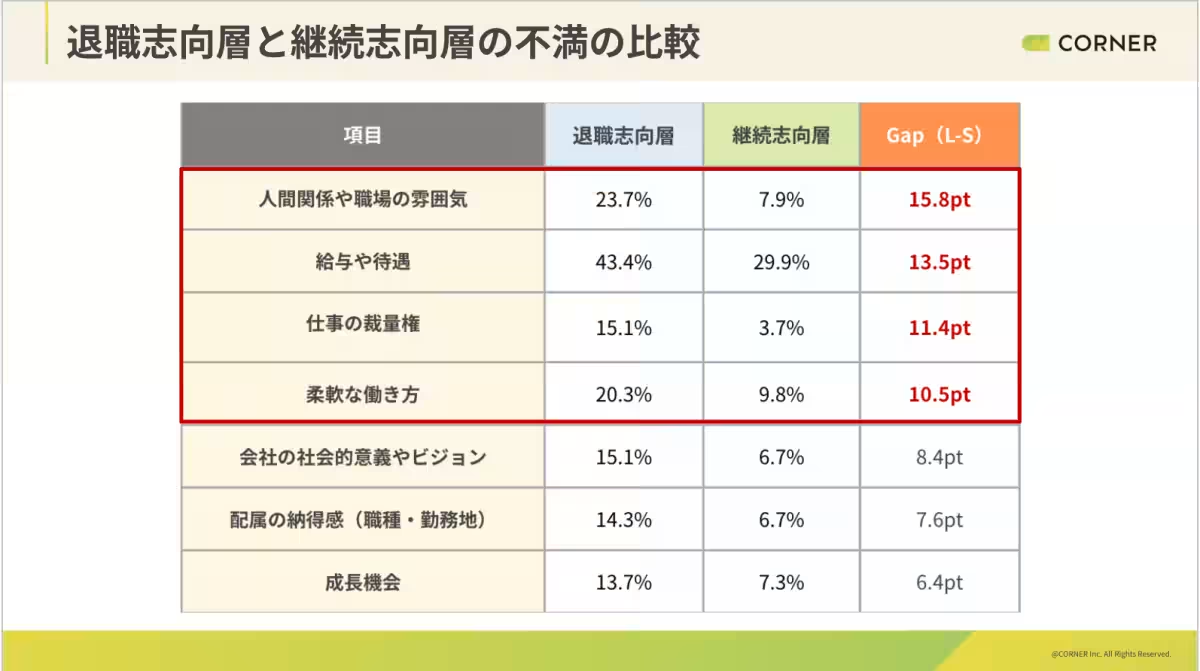
Participants from the Turnover-Oriented Group primarily expressed dissatisfaction with several areas, including:
- - Compensation (salary and bonuses)
- - Promotion and Salary Increase Speed
- - Job Autonomy
- - Work Flexibility
These categories showed a notable dissatisfaction gap of over 10 percentage points when compared to those from the Retention-Oriented Group. For instance, issues related to workplace relationships and atmosphere were reported by 23.7% of turnover-oriented respondents, while only 7.9% of retention-oriented employees cited these concerns. Similarly, dissatisfaction with compensation was recorded at 43.4% against 29.9%.
2. Sources of Anxiety
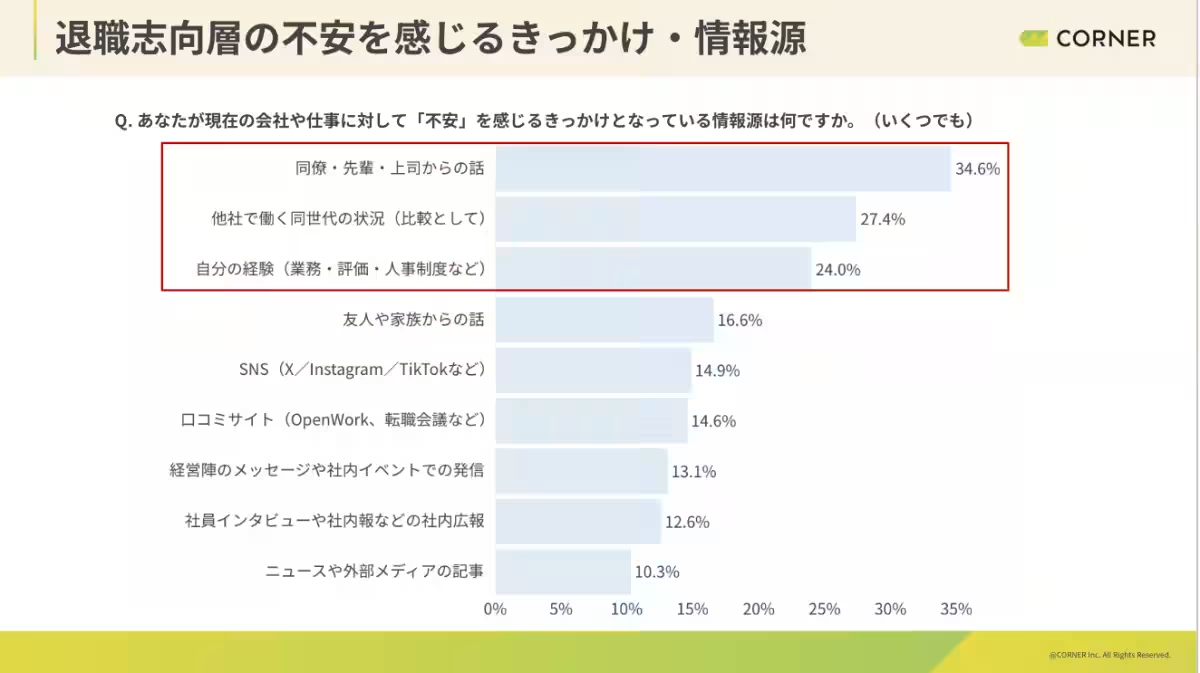
The survey also highlighted that workplace anxiety and expectations are heavily influenced by narratives shared by coworkers, supervisors, and personal experiences.
Interestingly, 34.6% of the respondents identified discussions with colleagues, mentors, or superiors as the primary factor intensifying their feelings of anxiety about work conditions.
3. Balancing Enjoyment and Work
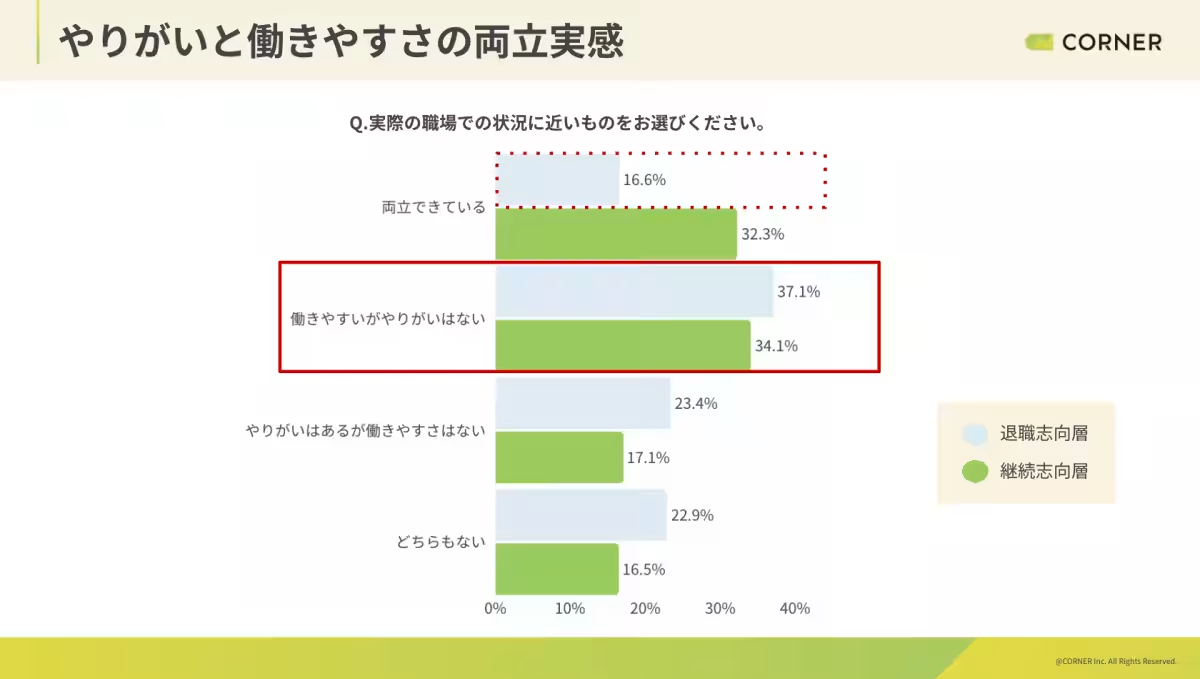
When it comes to balancing job satisfaction with the enjoyment of their work, 32.3% of the Retention-Oriented Group felt they managed this effectively, compared to only 16.6% of the Turnover-Oriented Group. Still, both groups predominantly reported feeling that their jobs lack motivation, with many agreeing on the sentiment of having a comfortable work environment devoid of impactful job satisfaction.
4. Conditions Desired During Job Change
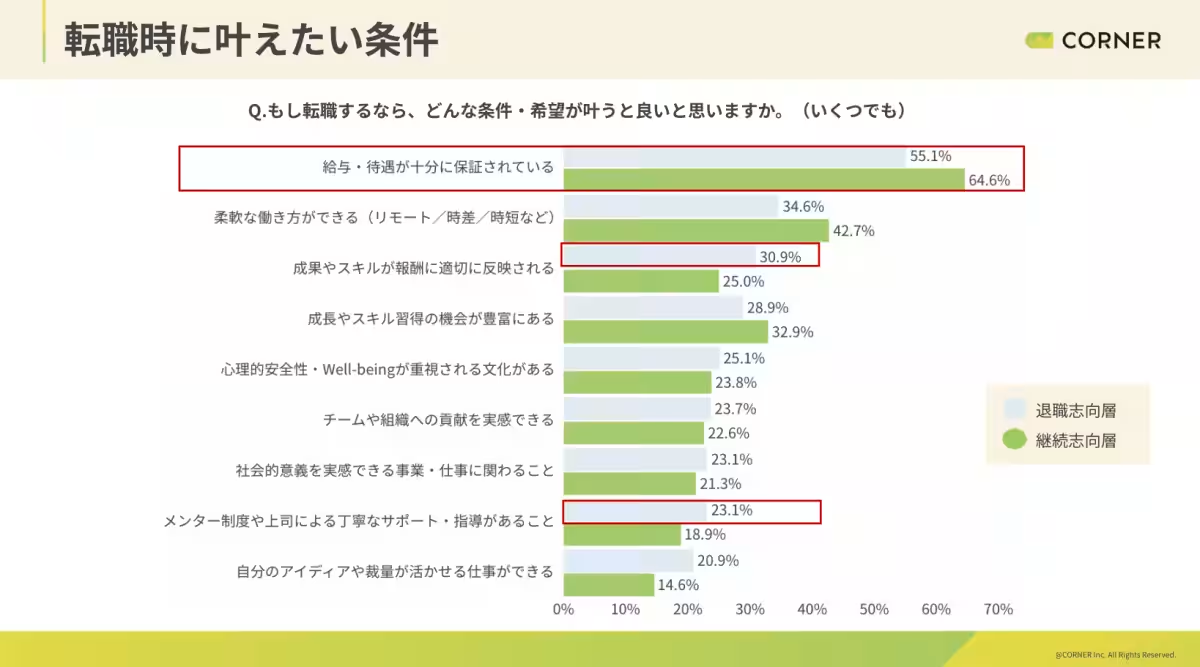
When exploring what conditions are most sought after during potential job transitions, both groups indicated that salary and benefits were of utmost importance. Specifically, 55.1% of the turnover-oriented group and 64.6% of the retention-oriented group look for secure compensation. The retention group also prioritized flexible work arrangements and opportunities for growth. In contrast, the turnover group emphasized a desire for fairness in rewards reflective of their performance and skills, indicating a higher need for recognition and support from mentors and managers.
Expert Insights: Takahiro Monma, CHRO
In light of these findings, Takahiro Monma, the representative director of CORNER, provided his expertise on the implications of the research. He underscored that while compensation is crucial, the overall success in retaining young talent heavily depends on their experiences related to interpersonal relationships and job autonomy.
New graduates often have heightened expectations for rapid growth and recognition, which can lead to frustration if not met. While retention-oriented employees show a lack of excitement about their work, the stability offered through positive relationships with coworkers provides a solid foundation to stay with their current employer.
Conclusion
The dynamics of the modern workforce indicate that the perspectives and experiences of Gen Z employees require acknowledgment. Companies should focus on creating an atmosphere that fosters positive narratives and recognition while ensuring transparent evaluation cycles. By addressing the motivation gap effectively and visually demonstrating progress, organizations can build trust and satisfaction among their young professionals.
Survey Details
Survey Title: Examination of Gen Z Retention and Turnover Intent
Target: Employees of Generation Z (born 1996 and after) working within their first three years
Duration: August 29, 2025 - September 4, 2025
Participants: 514 (256 first-year graduates and 258 second- and third-year employees)
Conducted by: CORNER Inc. & Macromill
For further detailed reports and data, interested parties can download the full survey results from the CORNER website to inform effective HR strategies for retaining young talent.


Topics People & Culture)
【About Using Articles】
You can freely use the title and article content by linking to the page where the article is posted.
※ Images cannot be used.
【About Links】
Links are free to use.