




The Gap Between Awareness of SDGs and Food Purchasing Behavior: A Recent Survey
Understanding the Disconnect: SDGs Awareness and Food Purchases
Introduction
A recent survey conducted by Wellness Dining Co., based in Sumida, Tokyo, has shed light on critical insights concerning consumer behaviors towards food purchases in relation to the Sustainable Development Goals (SDGs). Targeting a demographic of 300 individuals aged between 25 and 65 across Japan, the findings reveal a stark contrast between the recognition of SDGs and the practical implications it holds for everyday consumer behavior.
The Growing Recognition of SDGs
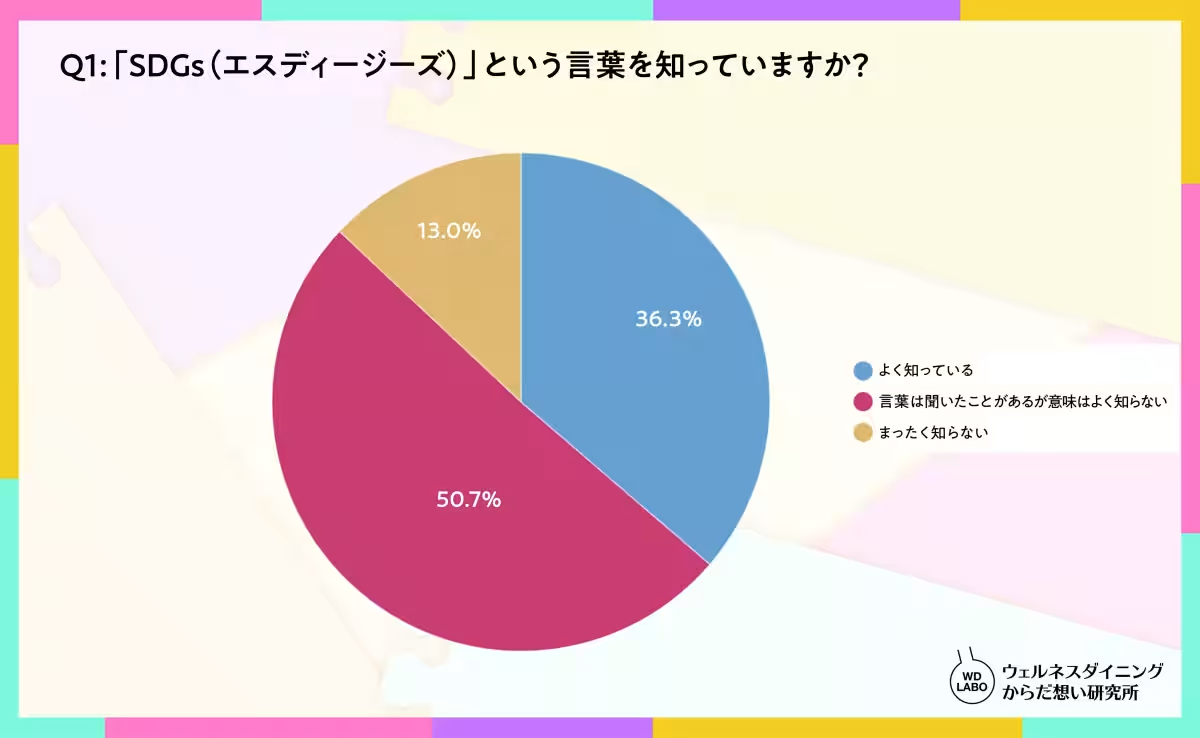
According to the survey, a staggering 87% of respondents affirmed their awareness of the term SDGs, showcasing the prevalence of this global initiative aimed at fostering sustainable development. However, only 36.3% felt they had a thorough understanding of its content. This suggests that while awareness is high, comprehension and engagement with the principles guiding the SDGs are significantly lacking.
Food-related Goals
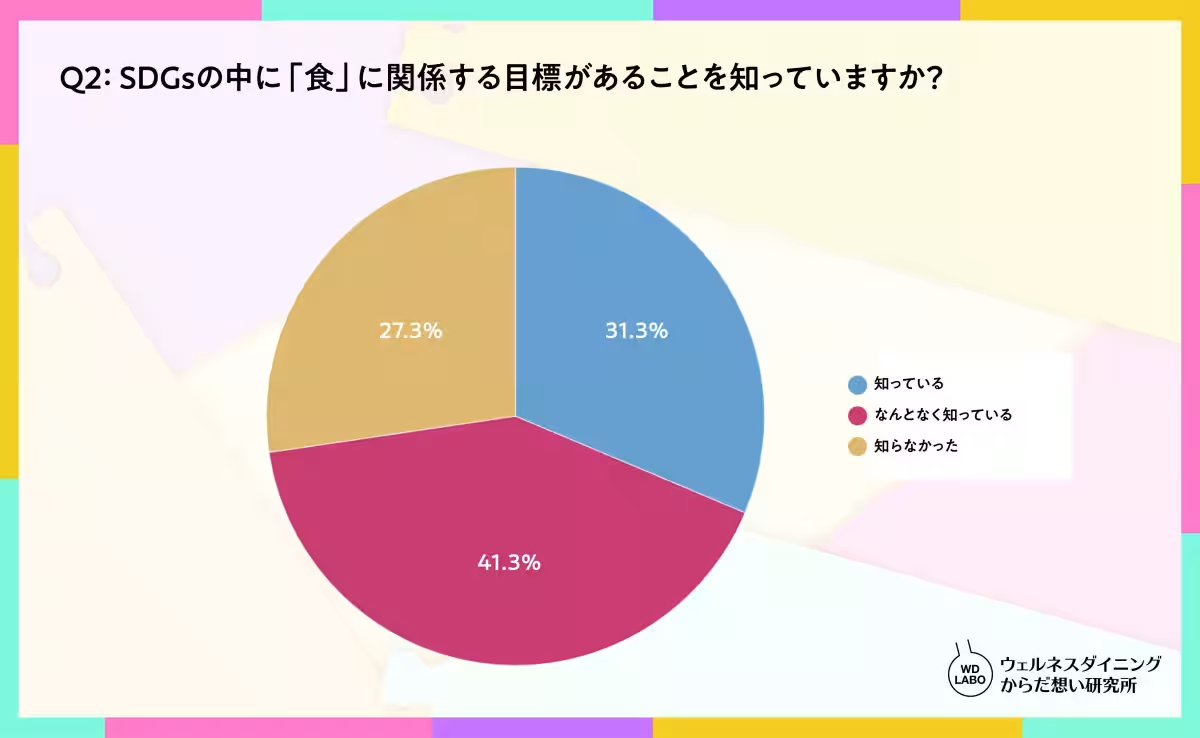
Moreover, 72.7% of participants recognized that some objectives within the SDGs relate directly to food. This indicates an impactful connection between the global goals and consumer habits surrounding food. Despite this recognition, the preference for practicalities like price during food purchases is notably pronounced.
Price Takes Precedence
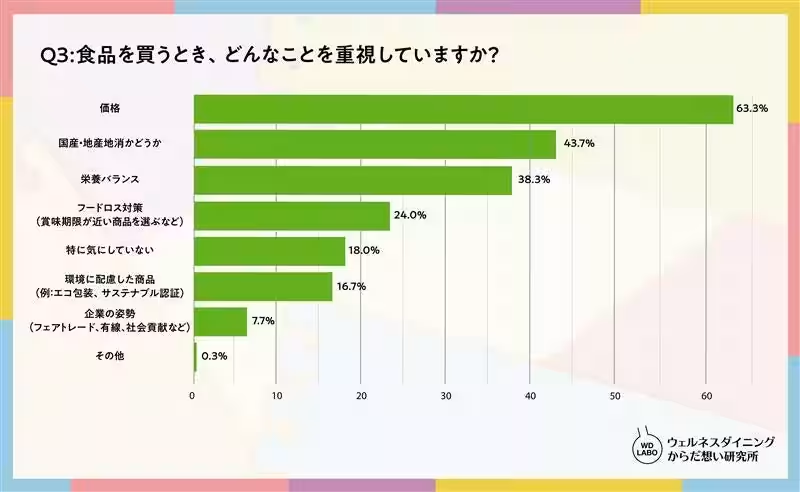
The survey's results revealed that 63.3% of respondents prioritize price over other factors, such as purchasing locally produced goods (43.7%) or choosing environmentally responsible products (16.7%). It's clear that price sensitivity overrides the consideration of sustainability for a large segment of consumers. Consequently, while consumers voice an awareness of sustainable food systems, their purchasing decisions reveal a preference for economic factors.
Food Waste Awareness
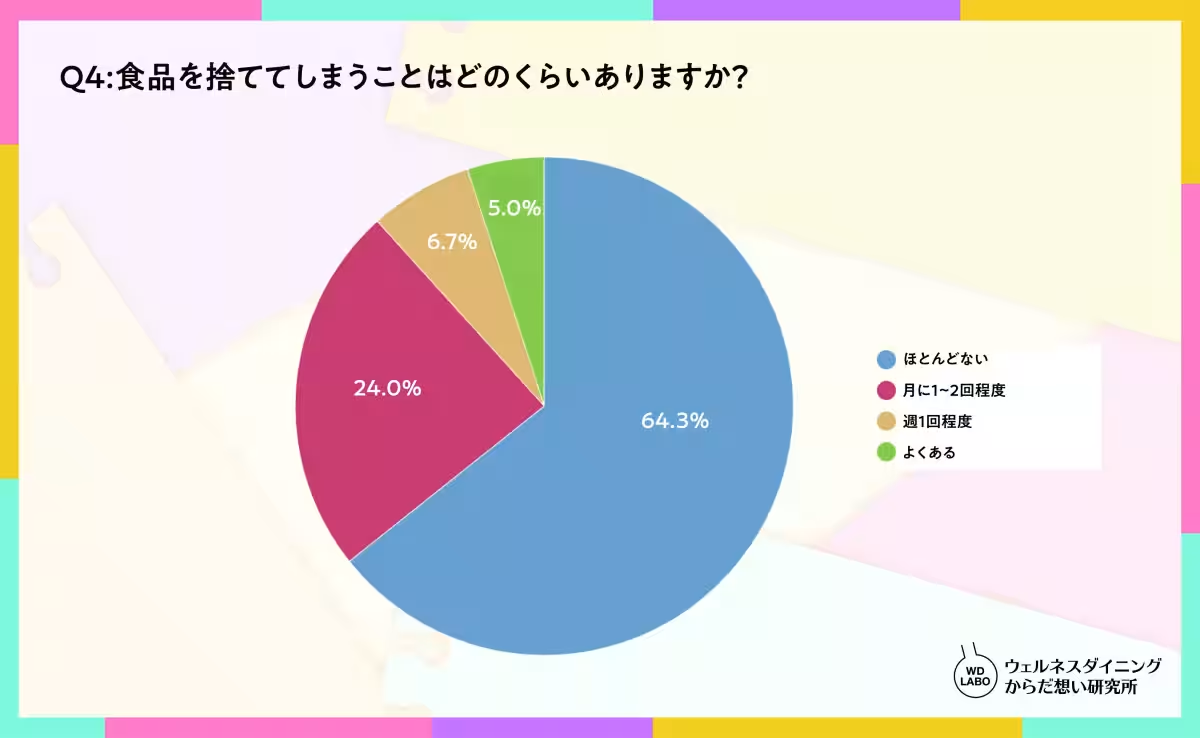
In terms of food waste, the findings present a compelling narrative. A majority, 64.3%, claimed to rarely throw away food, indicating an acknowledgment of food waste significance. Nevertheless, the survey highlighted that over 40% of respondents admitted to discarding food occasionally, uncovering the irony of their intended sustainability practices versus actual behavior.
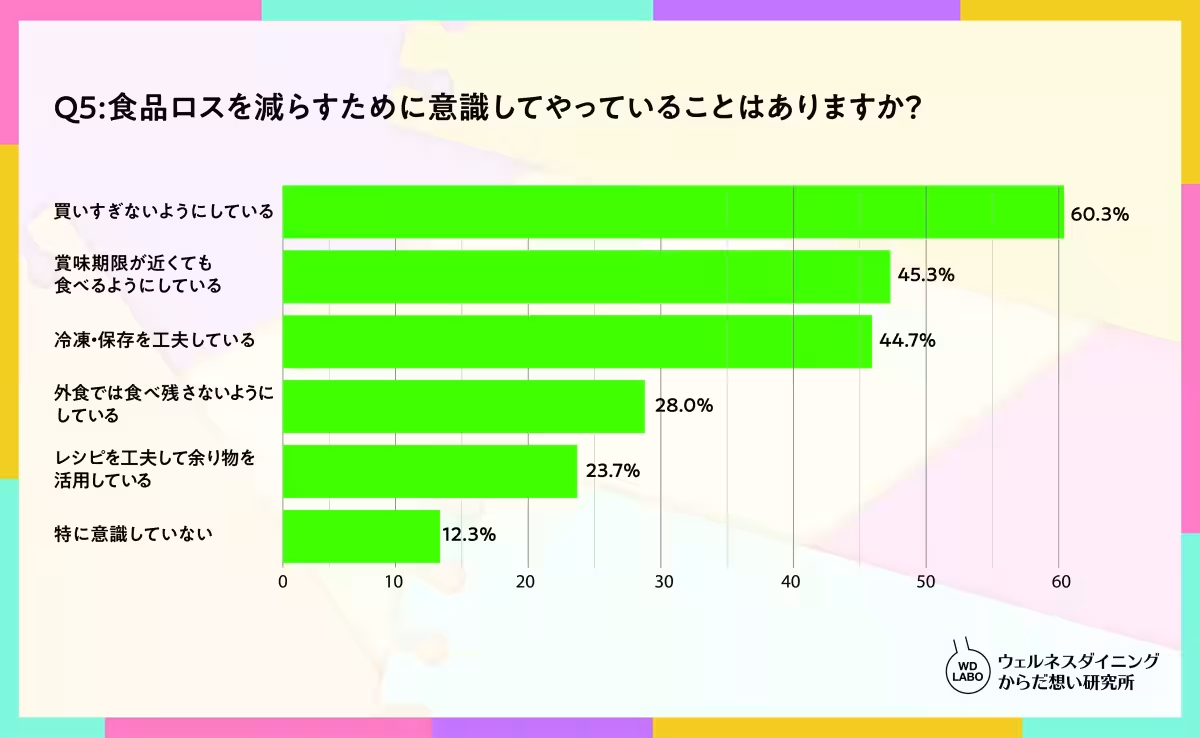
Additionally, 60.3% stated they consciously try to avoid over-purchasing to mitigate food waste, further illustrating a keen awareness of sustainability though it's not fully expressed through their buying choices. Only a minority, 12.3%, identified as not actively taking steps to reduce food waste, showcasing a commitment among the majority.
Bridging the Gap
This survey elucidates a vital gap: while awareness and concern for sustainability, specifically related to food, are progressively recognized, these intentions are not translating into pivotal buying behaviors. The strong emphasis on price over sustainability-oriented choices signals a formidable barrier to achieving the integration of SDGs within consumer habits.
It is imperative that we translate this awareness into action—consumers must reevaluate their prioritization between cost and sustainable practices. In the effort towards a sustainable future, enhancing education regarding the tangible benefits of ‘going green’ in food choices can create a harmonious balance between practicality and choice.
Conclusion
In conclusion, Wellness Dining’s latest survey captures the duality of consumer mindsets regarding food purchases. While individuals display an awareness of SDGs and food-related goals, the practical choices remain heavily influenced by price, therefore preventing meaningful engagement with sustainable practices. For positive change to occur, concerted efforts are needed within consumer education and awareness campaigns to align values with actionable behaviors in the food purchasing sphere.
Survey Overview
Survey Name: SDGs Awareness Study
Conducted by: Wellness Dining Co.
Participants: 300 individuals aged 25-65
Method: Closed-ended internet-based questionnaire
Period: November 2025
Contact: For further information about this study, please visit Wellness Dining’s website or contact us directly at 03-6807-0280.


Topics Consumer Products & Retail)









【About Using Articles】
You can freely use the title and article content by linking to the page where the article is posted.
※ Images cannot be used.
【About Links】
Links are free to use.