



Survey Reveals How Qualifications and Skills Shape Infrastructure Engineer Careers
Understanding the Infrastructure Engineer Career Landscape
A recent survey conducted by Rakus Partners, targeting infrastructure engineers aged 20 to 50 with over one year of experience and earnings exceeding 3 million yen, reveals critical insights into the current landscape of infrastructure engineering careers.
Survey Overview
The investigation focused on career paths, employment types, salaries, and the significance of certifications for infrastructure engineers. The respondents showed a trend towards a variety of primary job functions, as many were involved in security, design, implementation, and operational roles.
Key Findings
1. Job Functions
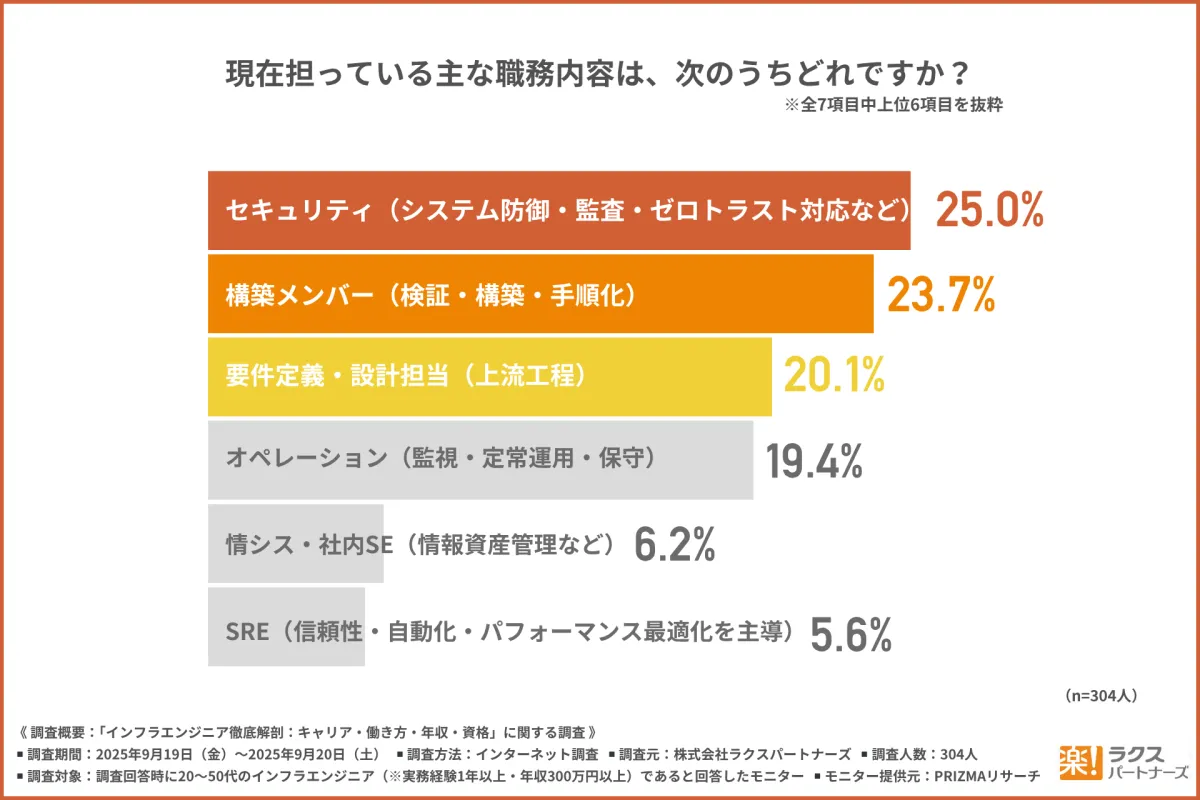
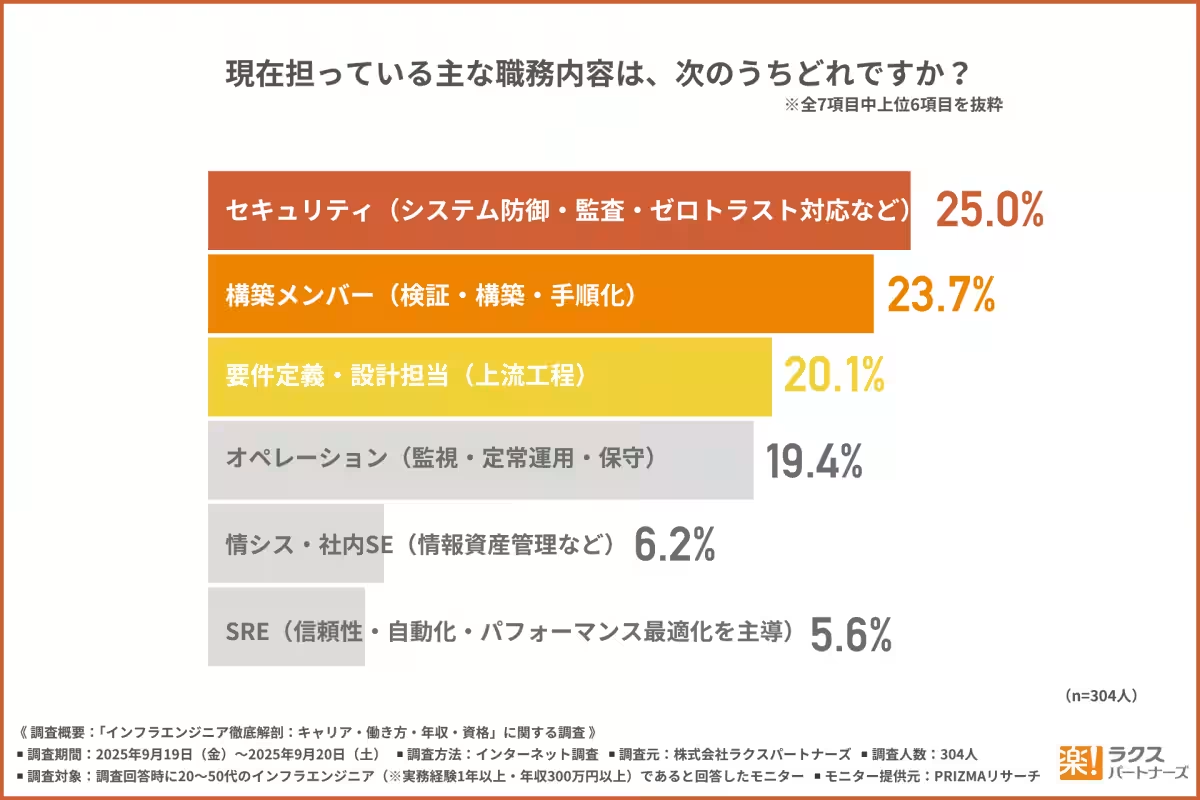
The primary job functions among respondents were prominently in security and design or implementation, indicating a balanced focus on defensive measures as well as structural performance.
2. Employment Types
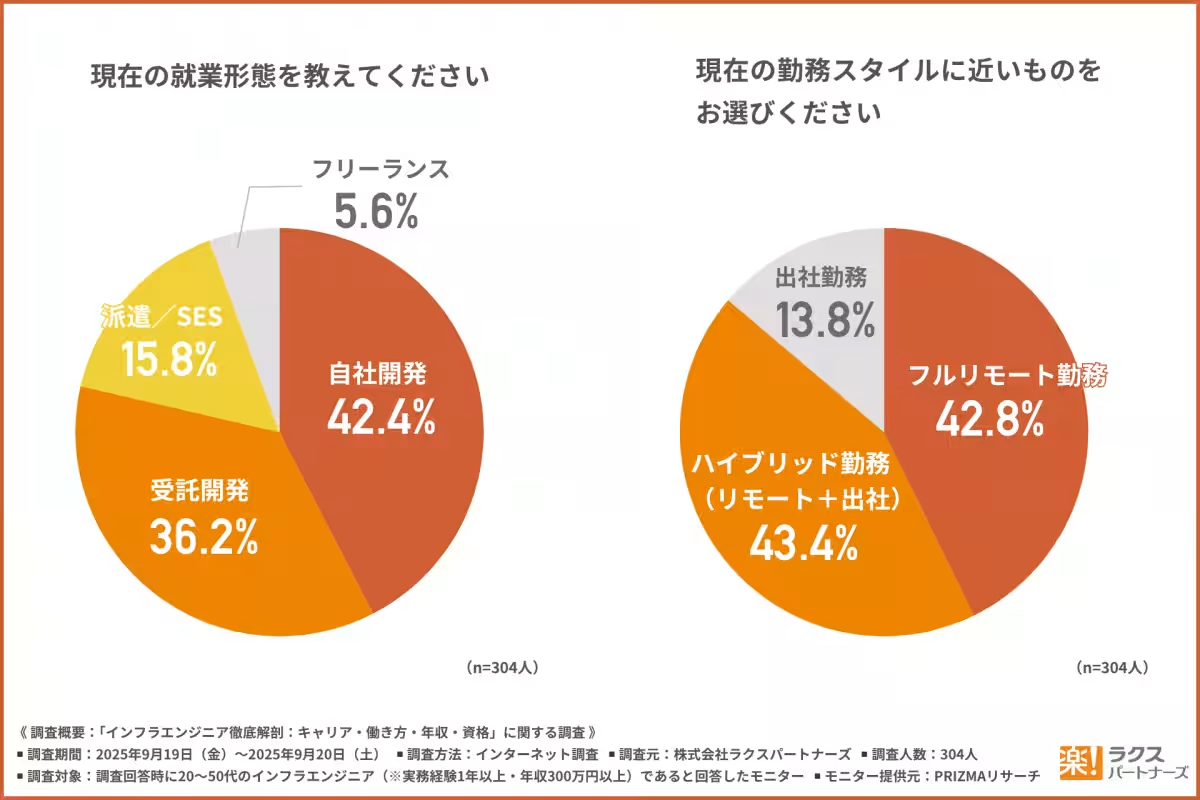
The majority of engineers were found to be in self-developed projects, with contract development and labor/SES arrangements also significant.
3. Work Style
Many infrastructure engineers favor hybrid and full remote work arrangements, implying a shift towards flexibility in the workplace.
4. Job Changes
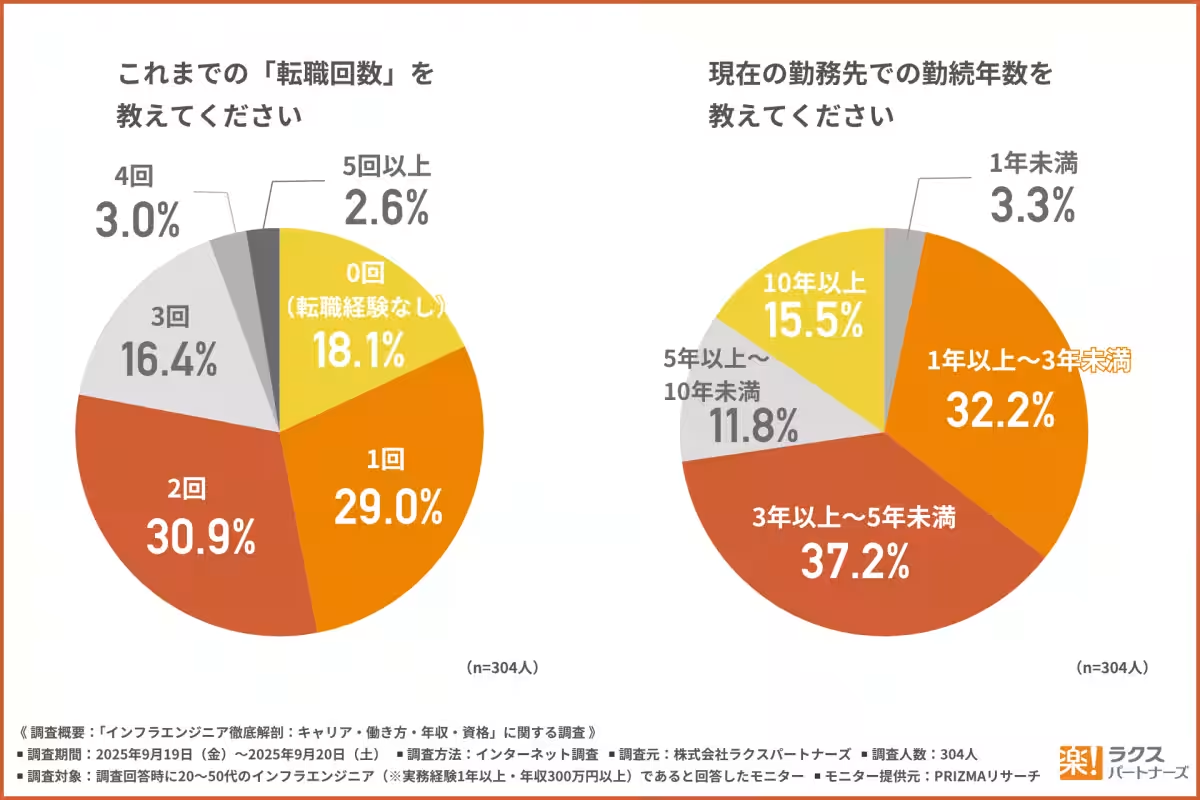
More than half of respondents reported having changed jobs one to two times, highlighting a variety in career paths, with a significant proportion remaining in long-term positions.
5. Income Insights
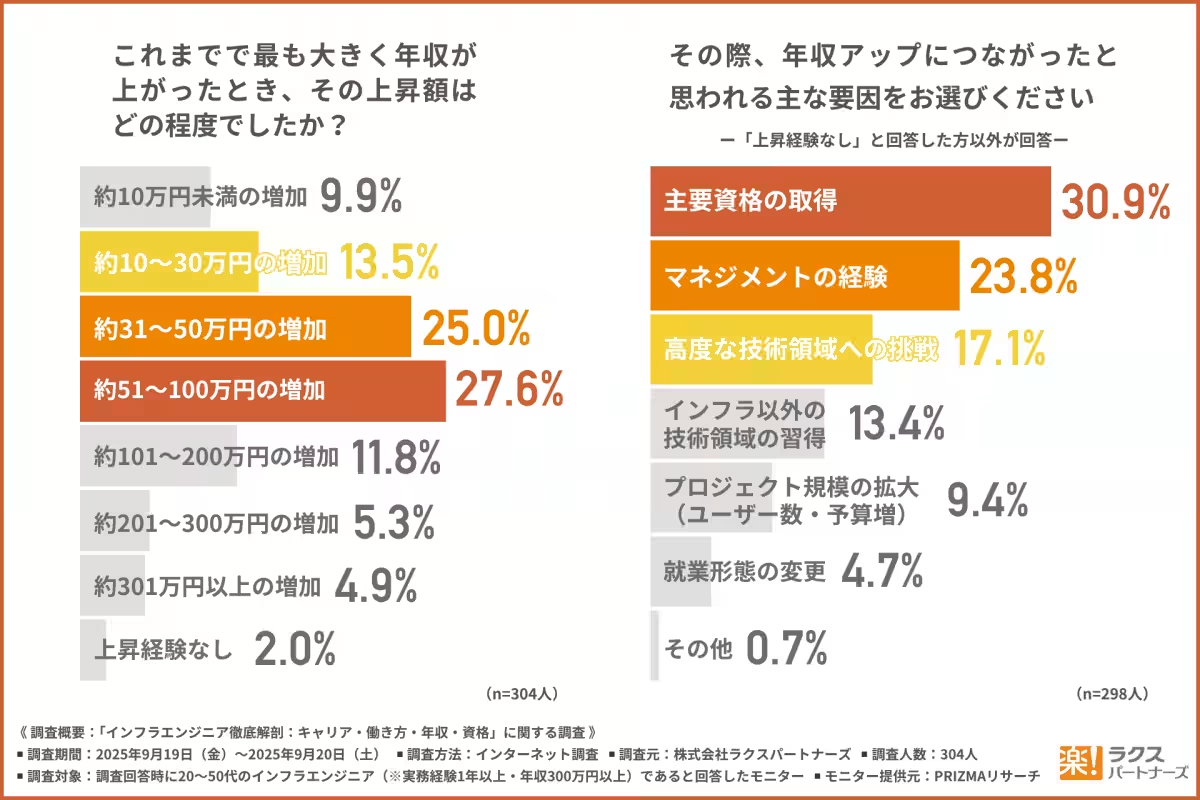
The most common income range was between 5 million and 7 million yen, with substantial increases reported, often attributed to qualification attainment.
6. Certification Trends
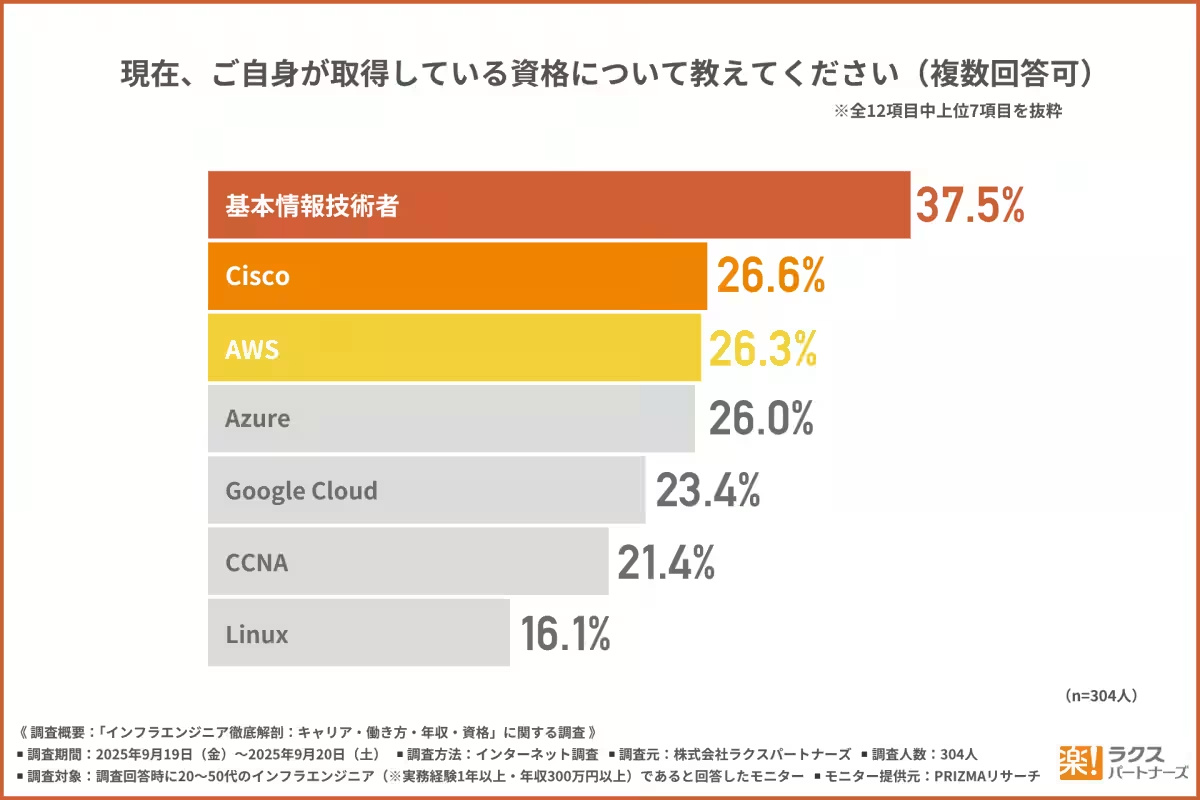
Over 30% of participants held basic information technology certifications, alongside a notable presence of cloud and network-related qualifications, reflecting a trend towards acquiring multi-domain skills.
In-Depth Analysis of Employment Trends
Job Responsibilities
When queried about their current job duties, 25% identified security roles as their primary functions, closely followed by those focusing on building and configuring systems. This suggests that infrastructure engineering is a field where roles vary widely without a significant bias towards specialization, showcasing operational versatility.
Employment Types
The predominant work type was self-development, accounting for 42.4% of respondents, indicating that engineers often become deeply involved in internal projects, while contract development and labor/SES roles still play a notable part in the industry.
Workstyle Preferences
In terms of working arrangements, 43.4% of engineers reported a hybrid style, blending remote and in-office work effectively. Full remote work was also favored, reflecting the adaptability in engineering roles that allows for less geographical restriction.
Career Progression and Job Stability
Career changes were fairly frequent among participants, with data showing a noteworthy trend where many engineers opted to switch jobs after gaining substantial experience. Furthermore, many employers recognized the value of long tenures, resulting in a balance between frequent job changes and sustained employment.
In terms of tenure, data showed that the largest group had been in their current position for three to five years, positioning themselves effectively within their respective technical fields.
Salary Dynamics
Examining the financial aspects of the profession, most engineers reported earning between 5 million and 7 million yen, with salary increases strongly linked to certification achievements.
The driving factors behind salary increases were primarily qualifications, followed by management experience, and challenges within advanced technical domains, emphasizing the need for continuous learning in the field.
Work-Life Balance
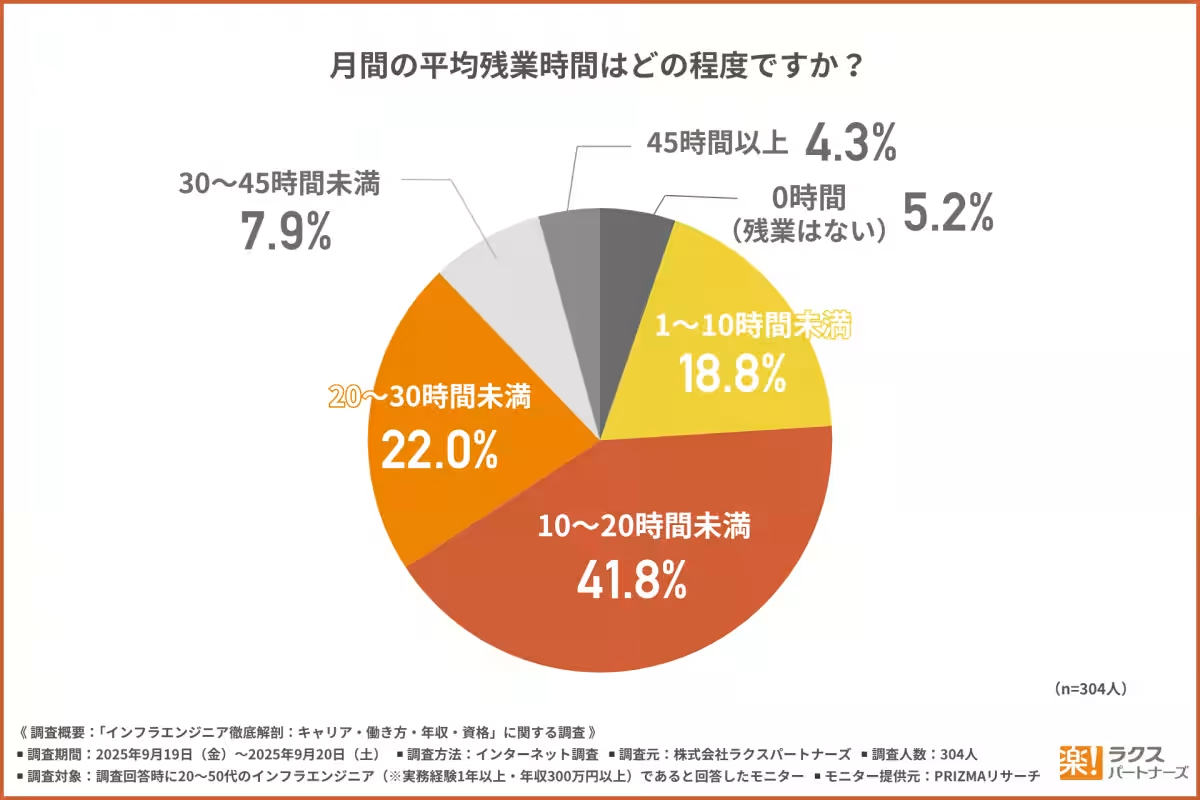
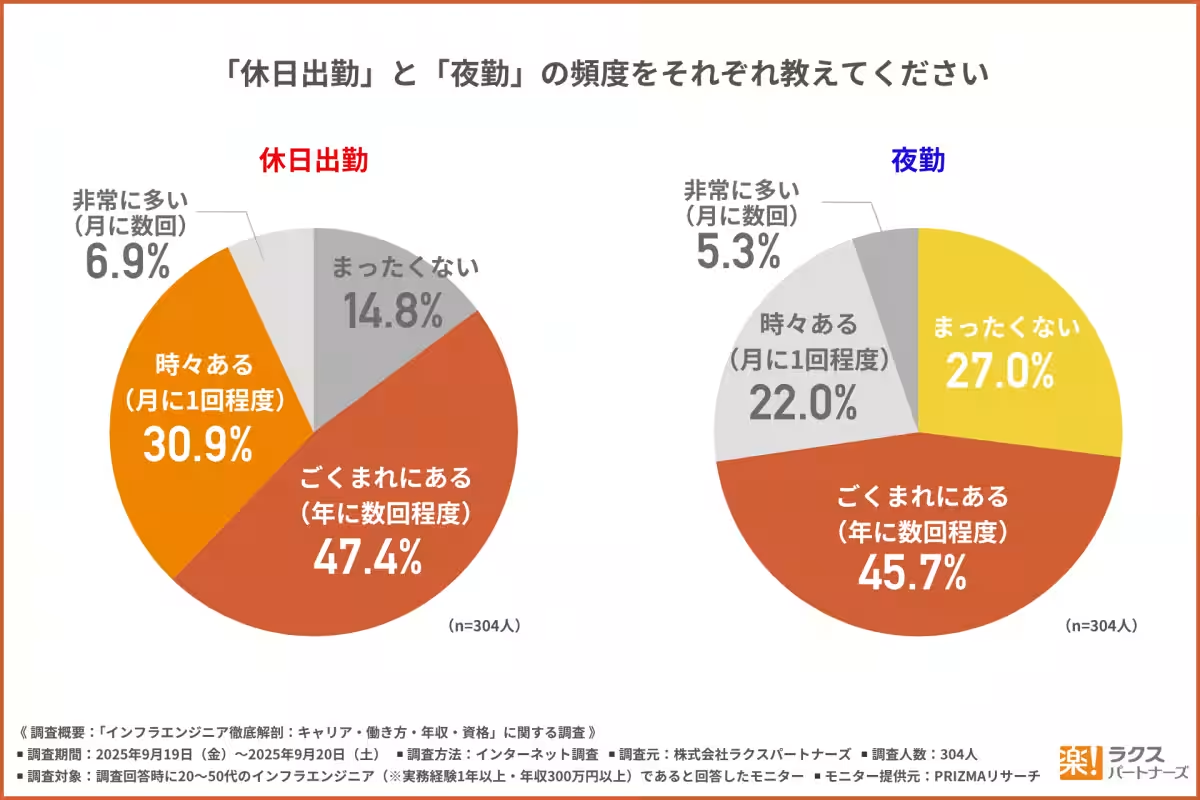
The survey highlighted a positive work-life balance, with most engineers engaged in about 10 to 20 hours of overtime monthly. Weekend work or night shifts remained infrequent, indicating that the infrastructure engineering environment maintains reasonable workload conditions.
Certification Importance
When questioned about certifications held, the most frequent was the Basic Information Technology Engineer certification, representing 37.5% of respondents. This reflects a foundational groundwork for many engineers, with additional certifications in network and cloud technologies also being prevalent.
Conclusion
In summary, the research underscores the essential role of qualifications in shaping the careers and job stability of infrastructure engineers. As cloud computing and security requirements become progressively complex, the need for engineers to diversify their skills across various technologies remains paramount for their future career paths. By solidifying their foundational abilities and expanding into cloud and network domains, infrastructure engineers can effectively navigate their careers in a rapidly evolving technological landscape.

Topics People & Culture)
【About Using Articles】
You can freely use the title and article content by linking to the page where the article is posted.
※ Images cannot be used.
【About Links】
Links are free to use.