



What 'SaaS is Dead' Means for Japanese Companies in the AI Era
Examining the Realities Behind 'SaaS is Dead'
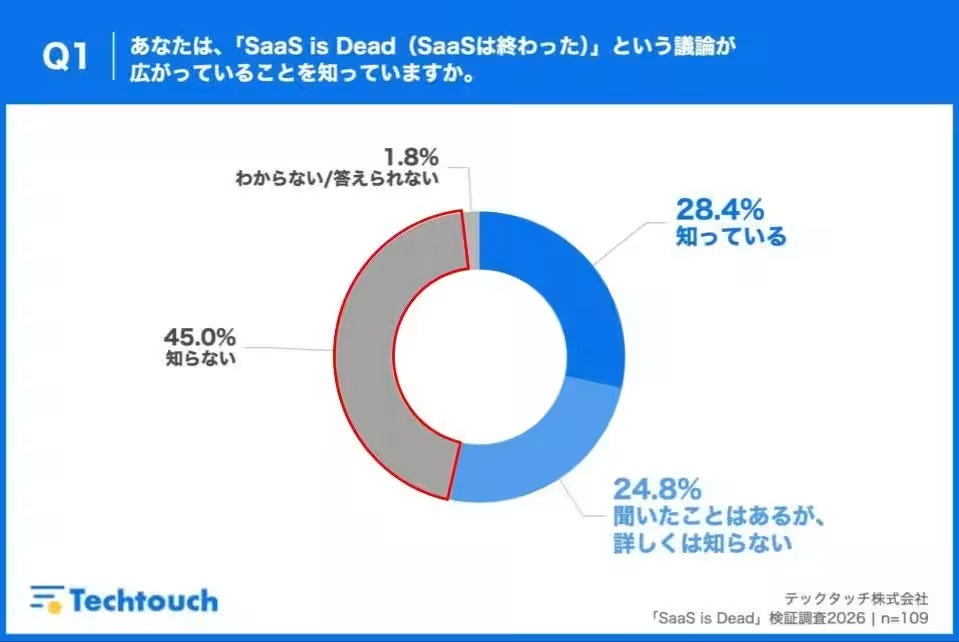
In recent years, the phrase 'SaaS is Dead' has emerged in discussions about the future of software as a service (SaaS) in an artificial intelligence (AI) driven world. To investigate its implications and reality within large companies in Japan, TechTouch Inc. conducted a survey among 109 information systems and digital transformation (DX) management officials from enterprises employing over 1,000 personnel. The survey aimed at identifying whether large corporations genuinely experience tangible results from implementing SaaS and pinpointing any challenges at the ground level.
A Challenge with Manual Tasks in SaaS
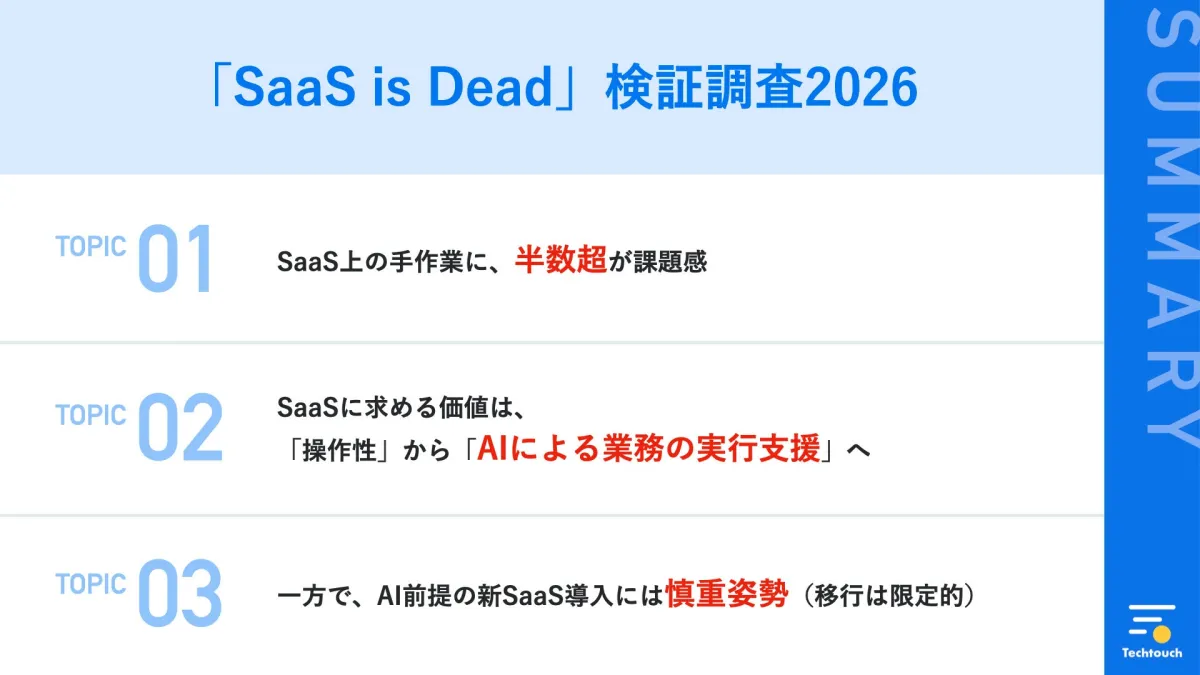
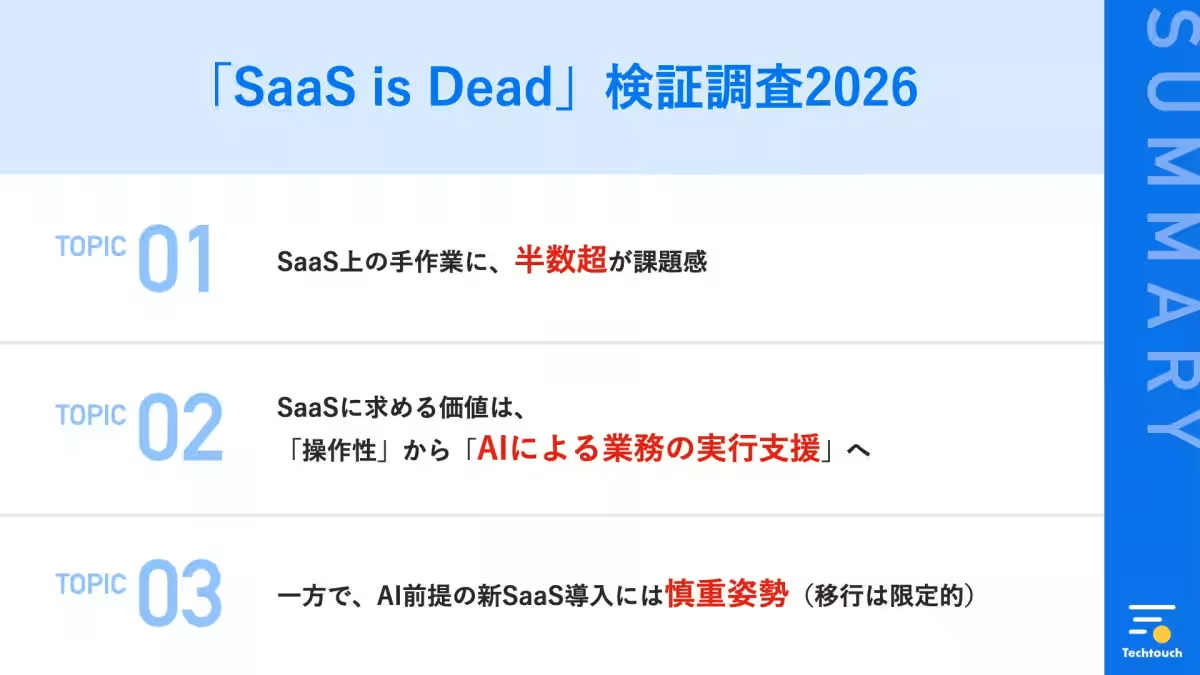
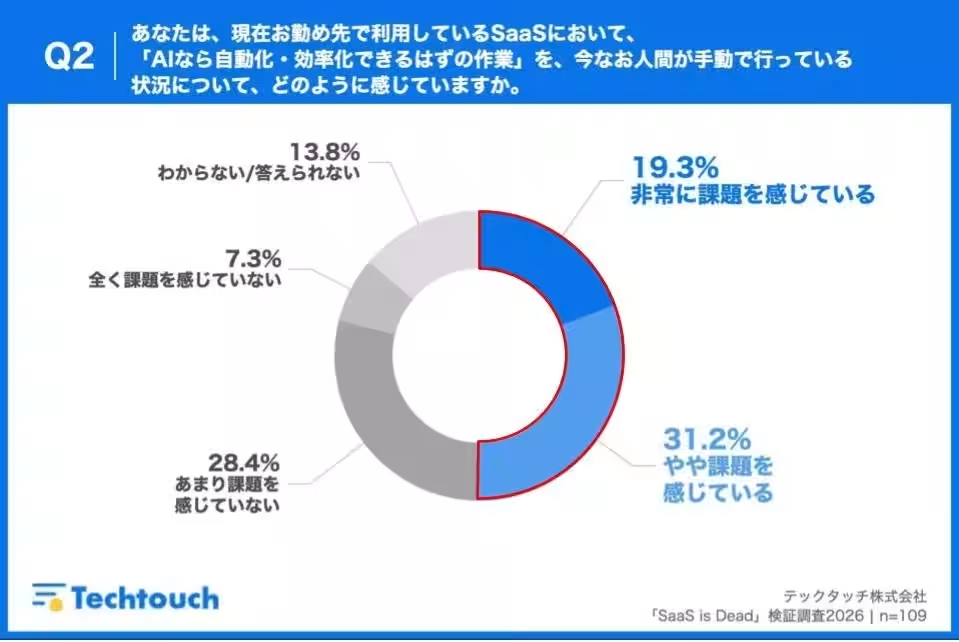
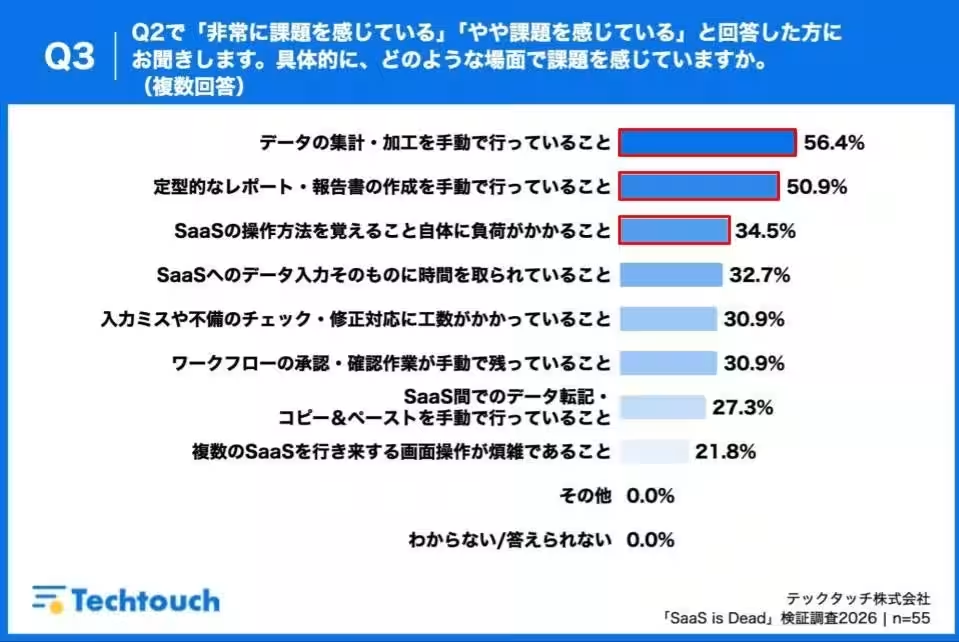
The findings revealed a significant disconnect, with more than half of the participants indicating they still perform tasks manually on SaaS systems that they believe should be automated with AI technology. Specifically, 50.5% acknowledged feeling a challenge regarding the reliance on manual work for operations that could feasibly be automated. Tasks like data aggregation, report creation, and data entry are still heavily performed by humans.
This not only underscores the inefficiencies in current practices but also raises the question: is it really the SaaS systems that are the problem, or is it how we are approaching our tasks within them?
Shifting Desires: From Usability to AI Execution
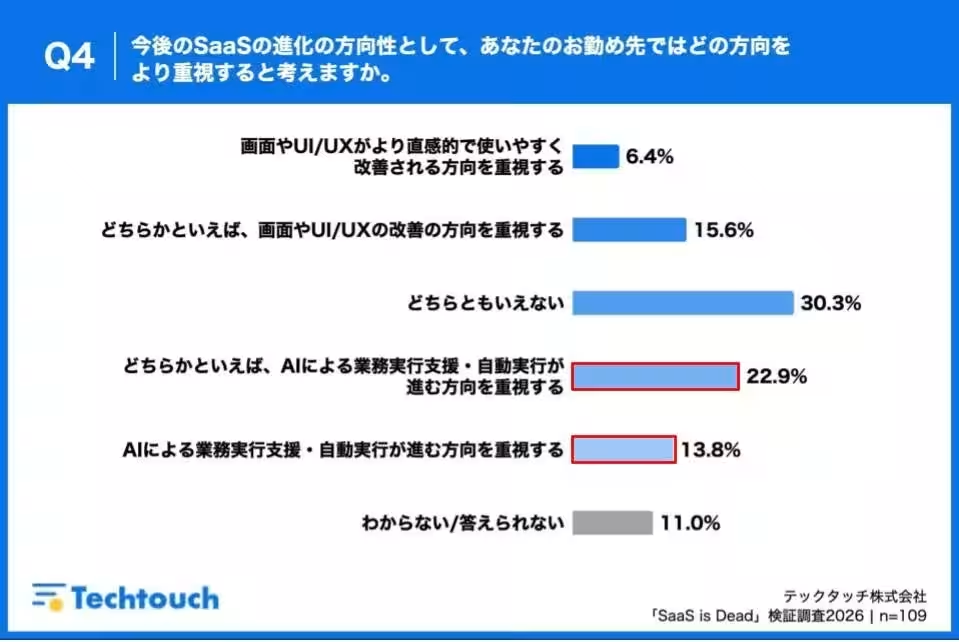
Beyond just the issues about manual processes, the survey showed that the expectations around SaaS offerings are evolving. Whereas usability and user experience (UI/UX) improvements were once paramount, businesses are now leaning more towards the need for 'AI-driven business execution support'. A notable 36.7% now prioritize automated operational support compared to just 22% focusing on improving user interfaces.
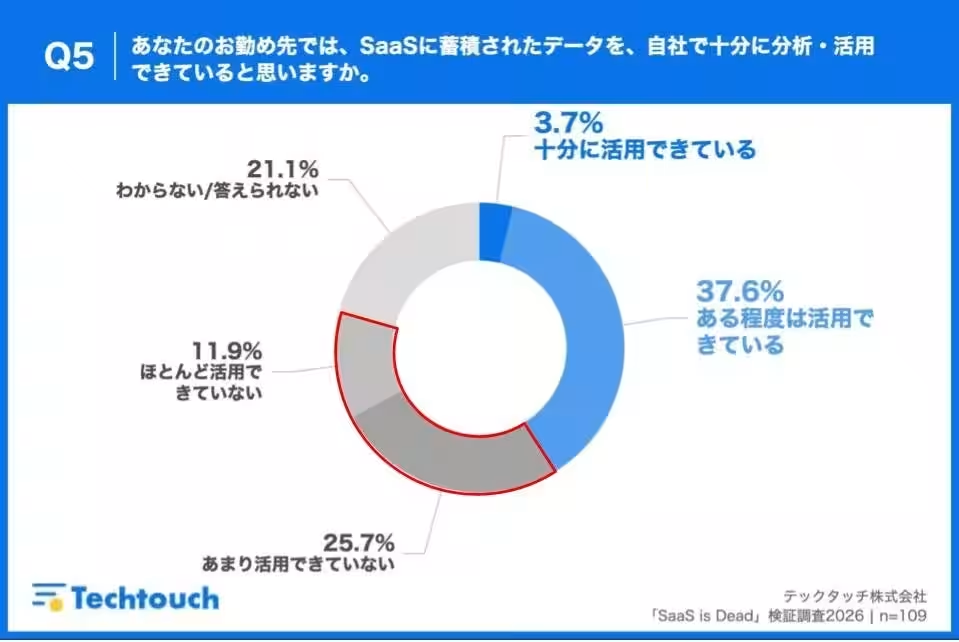
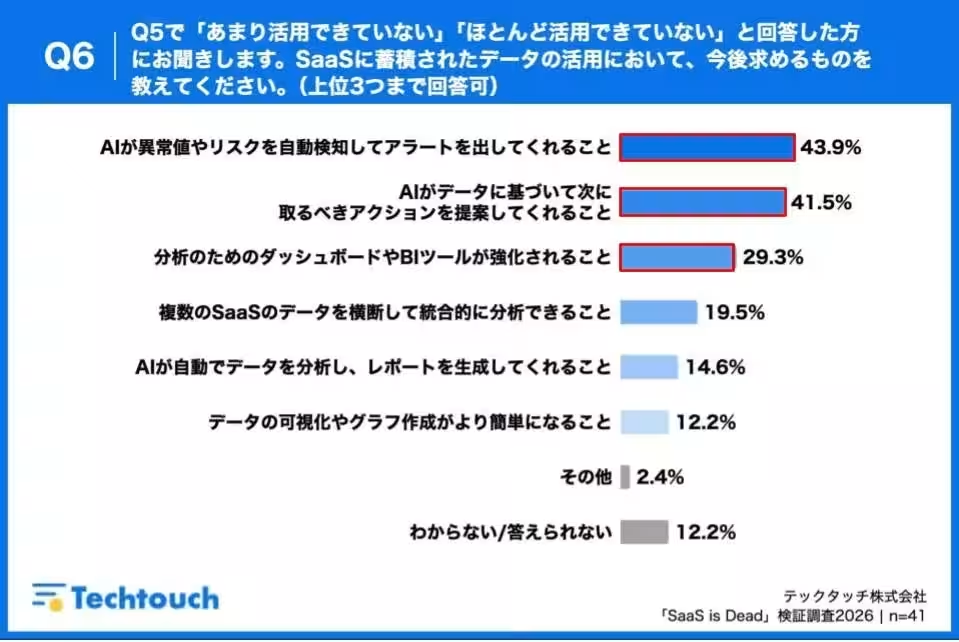
In addition, a substantial portion of respondents feel that the data accumulated in their SaaS systems isn’t being adequately utilized. Almost 37.6% believe they cannot leverage this data effectively, with many requesting features such as AI-driven anomaly detection and actionable insights rather than merely analysis tools.
Caution about New AI-oriented SaaS Implementations
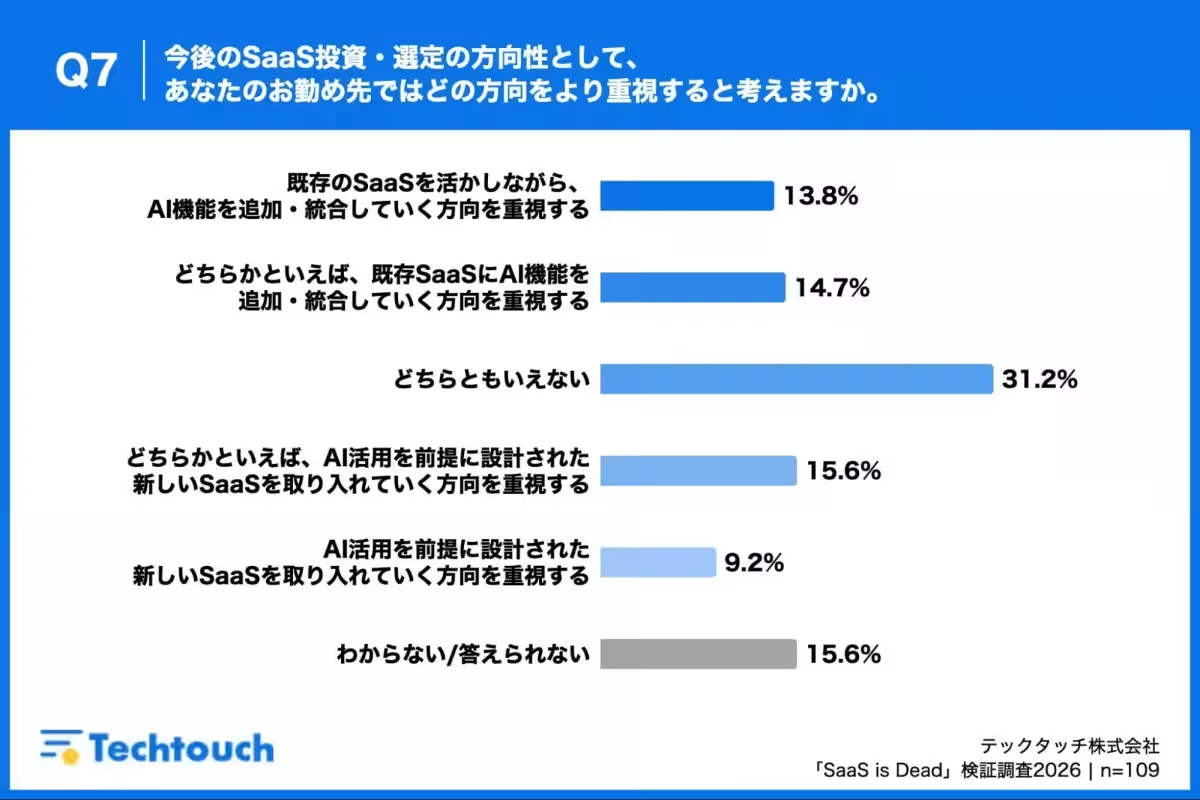
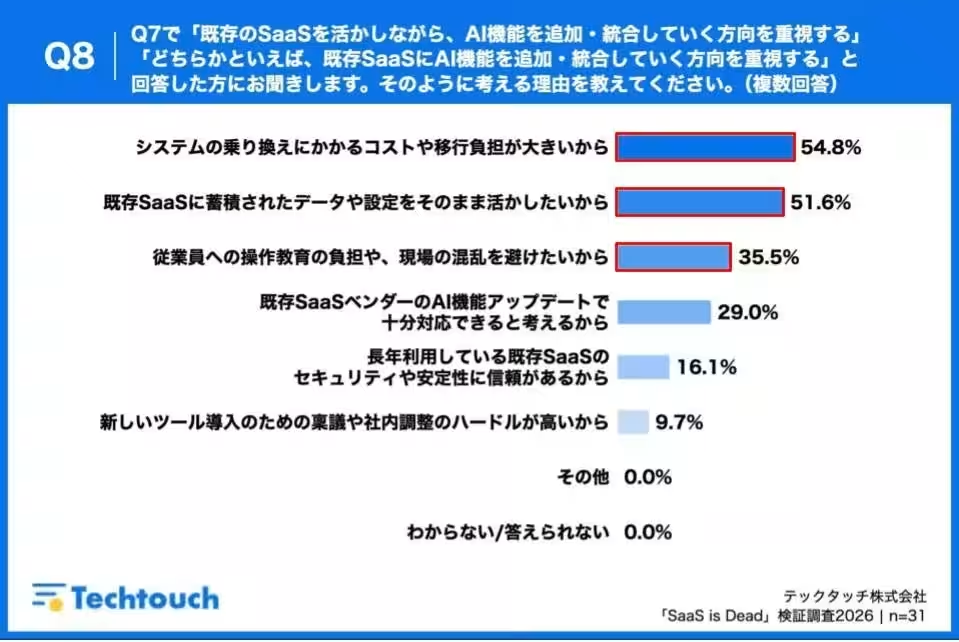
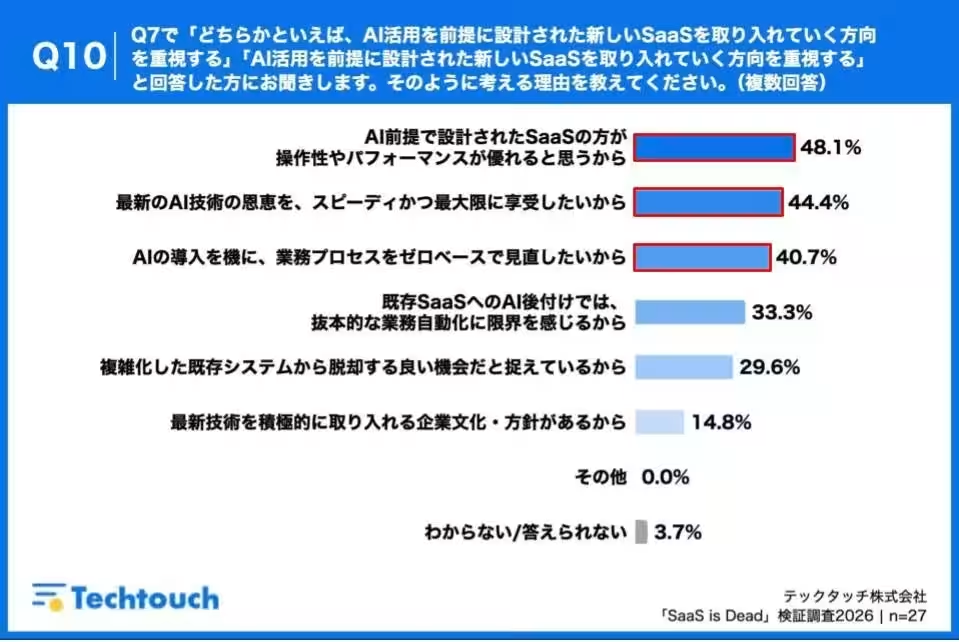
However, transitioning to new AI-centric SaaS is fraught with caution. Only 24.8% of the companies surveyed aim to prioritize the introduction of AI-centric SaaS solutions, highlighting a cautious approach to migration that is reflective of the existing complexities and costs associated with such transitions. Many businesses feel constrained by the needs to preserve existing assets and avoid disrupting established workflows. From the survey, it becomes clear that there’s a widespread acknowledgment among Japanese enterprises that while a transition is necessary, defining a pathway to enable that change remains challenging.
The Dilemma of Transformation
As we unpack these results, it appears that Japanese companies understand the need to redefine their SaaS strategies rather than dismissing them outright. This realization comes while they grapple with the realities of existing systems, associated costs, and operational inertia. Companies are at a crossroads where the necessity for change is evident, but the actual steps to implement such change remain daunting.
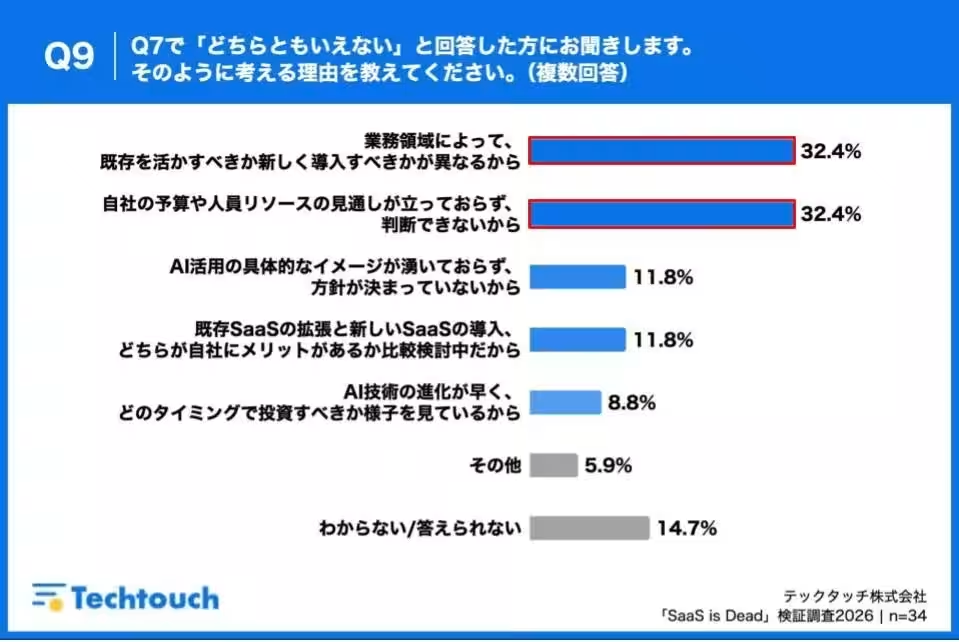
There are businesses looking to either maintain their current SaaS systems while integrating AI functionalities (28.5%) or to transition to an AI-ready SaaS (24.8%). Meanwhile, a notable chunk of respondents—over 31%—remain undecided about their direction.
The complexity of their existing workflows and concerns over costs associated with switching systems are major factors holding back progress. Furthermore, while AI is recognized as potentially transformative, the exact timing and methods of deployment remain ambiguous in many organizations.
A Structured Path to Redefinition
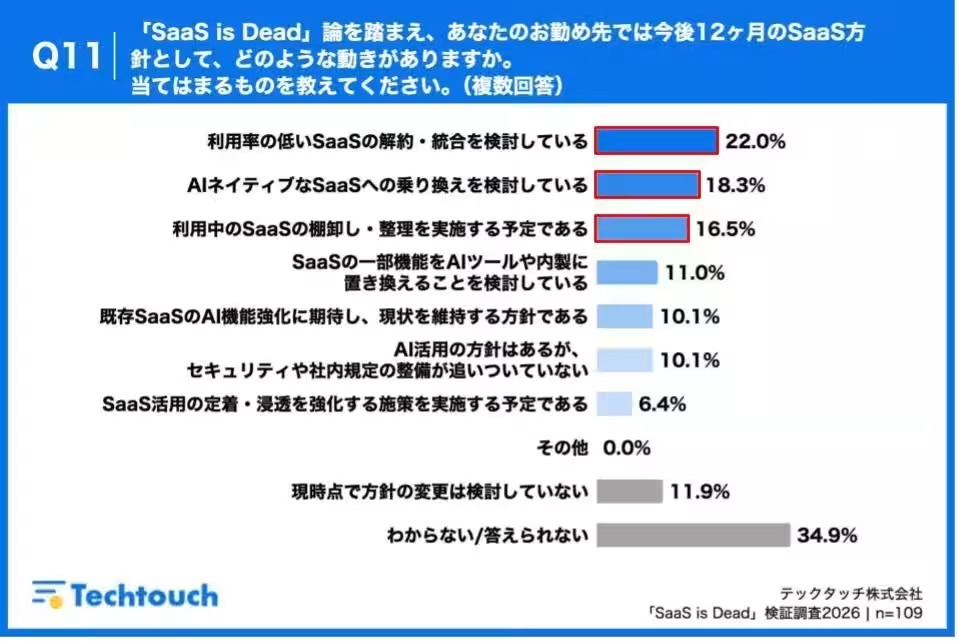
Over the next 12 months, companies foresee a dual tactical approach involving both an integration of poorly utilized SaaS products and a cautious transition towards AI-native options. This approach depicts a gradual redefinition process rather than an immediate overhaul of their operational frameworks.
TechTouch, an industry leader in Digital Adoption Platforms, encourages and supports enterprises in advancing their AI capabilities while maximizing existing systems. Rather than viewing SaaS merely as a tool for usage, companies are being urged to redefine it as a foundational element in the age of AI. By adapting and evolving usage models, organizations can navigate through exciting yet challenging transitions imposed by modern technological demands.
For those interested in a deeper analysis of the survey results and findings, the detailed report is available for download here.
About TechTouch
TechTouch Inc. has established itself as a leader in Digital Adoption Platforms, providing a no-code system that enhances operational efficiency while supporting smooth software utilization by users. The company’s commitment to ongoing development and the integration of advanced AI functionalities remains instrumental in shaping the future of enterprise software applications.

Topics Consumer Products & Retail)





【About Using Articles】
You can freely use the title and article content by linking to the page where the article is posted.
※ Images cannot be used.
【About Links】
Links are free to use.