



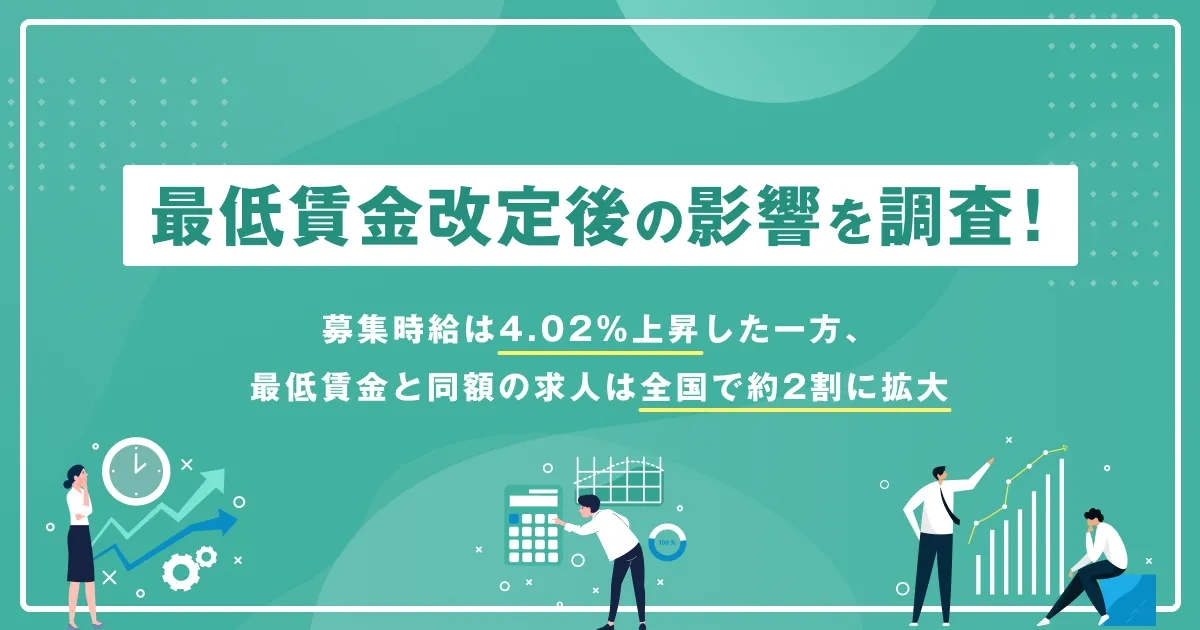
Analysis of Changes in Job Posting Hourly Wages Post Minimum Wage Revisions in 2026
Overview of Minimum Wage Impact on Job Postings
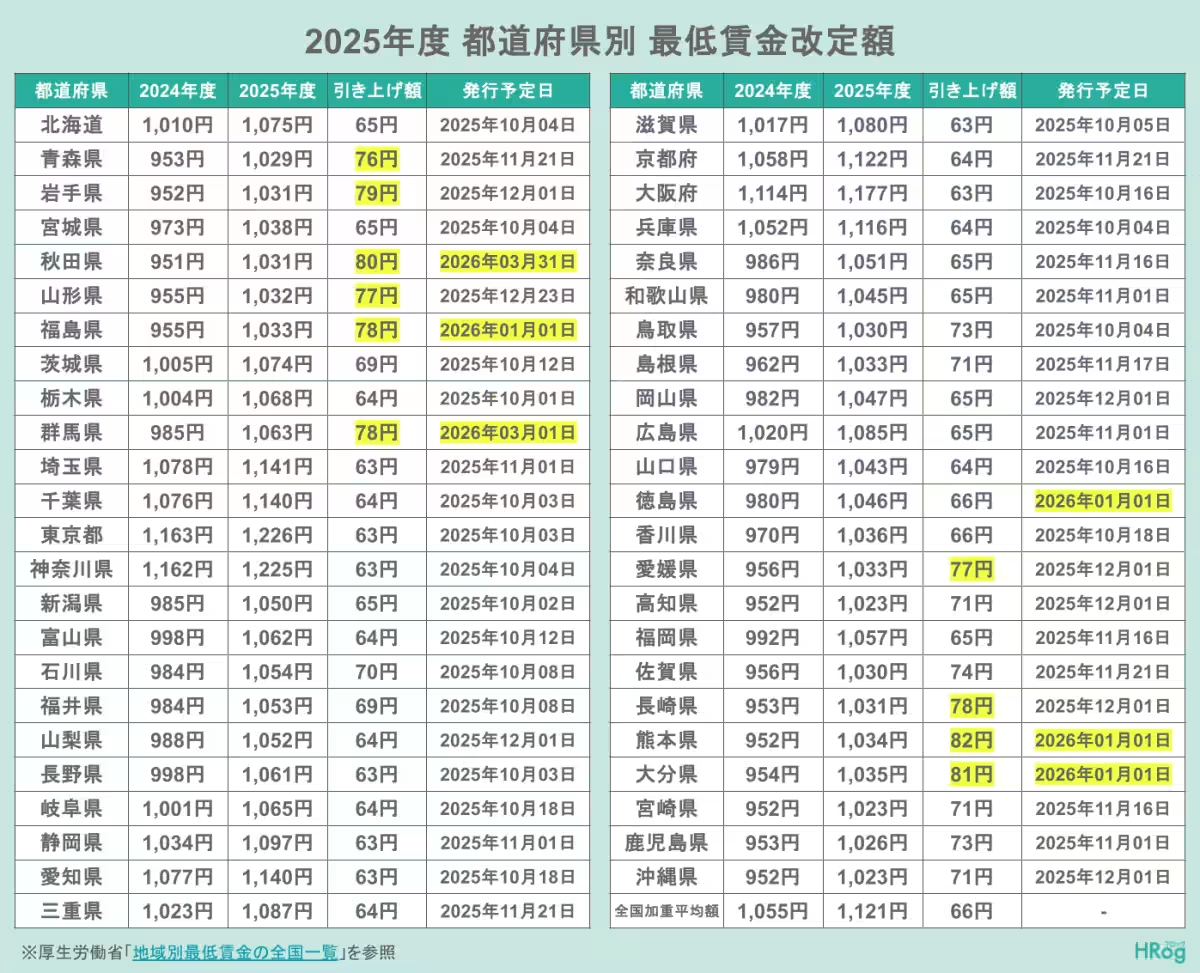
In July 2026, discussions are intensifying regarding the revision of minimum wage policies for the fiscal year. Following last year's major increases, attention is once again focused on the trends in minimum wage. The 2025 fiscal year saw the highest increase in historical minimum wage, leading to varied effective dates across prefectures, subsequently impacting the hourly wages posted on job recruitment sites.
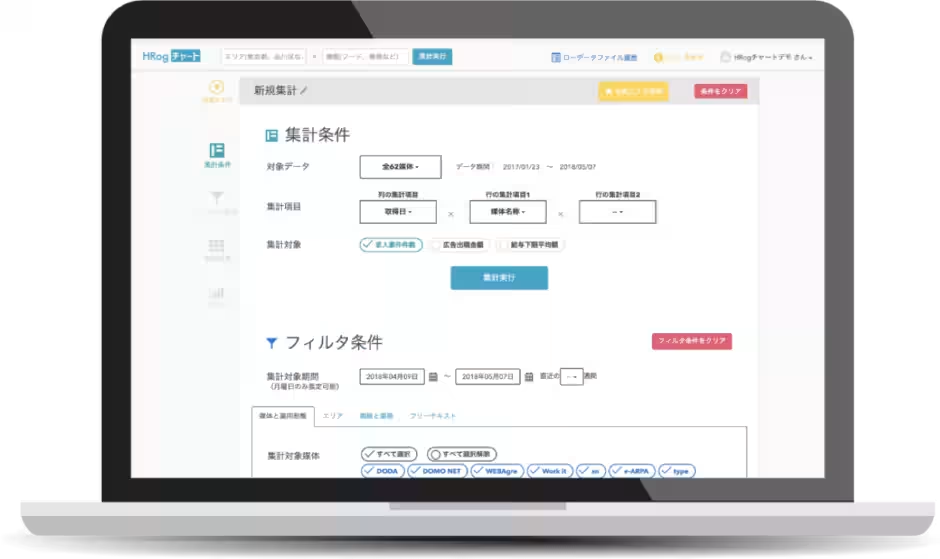
Recruitment Advertising Tool: HRog Chart
HRog, based in Chiyoda, Tokyo, provides a powerful data analysis tool tailored for hiring managers. The HRog Chart compiles extensive recruitment data from around 150 platforms, allowing users to analyze hourly wage trends with customizable parameters.
National Trends: Job Posting Hourly Wages
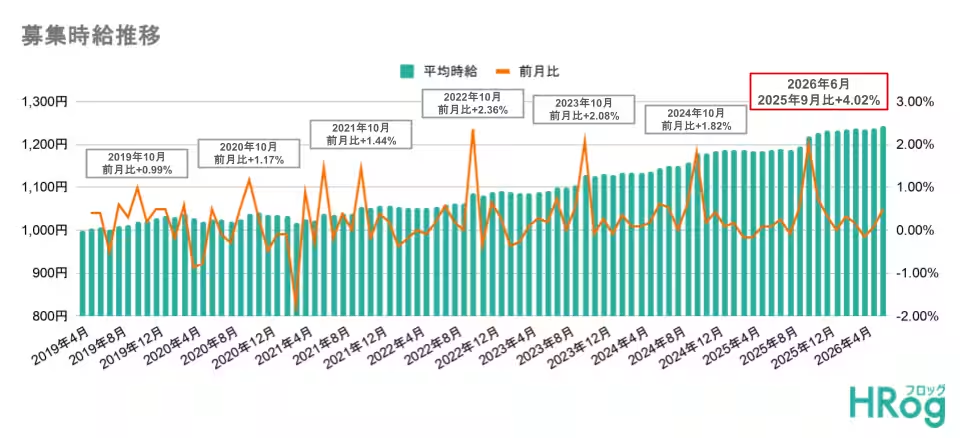
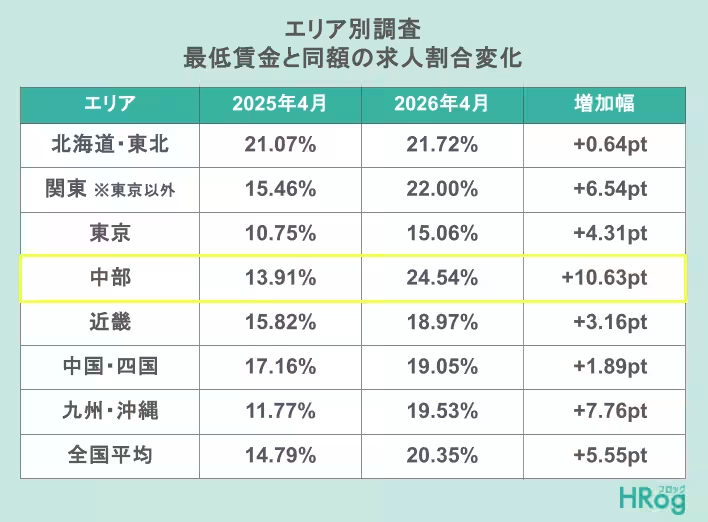
From September 2025 to June 2026, the average hourly wage for job postings increased by 4.02%. This increase indicates that the impact of minimum wage revisions has significantly influenced average wages in a manner more pronounced than in previous years. Reports show that approximately 14.79% of jobs posted during this time paid the same as the minimum wage, which rose to 20.35% by April 2026.
In the Chubu region, one in four jobs listed were paid at the minimum wage, showcasing a concerning trend for job seekers looking for competitive remunerations. This variance highlights the growing pressure on businesses, particularly small enterprises, struggling to offer hourly wages above the newly mandated minimum rates.
Regional Variability in Wage Adjustments
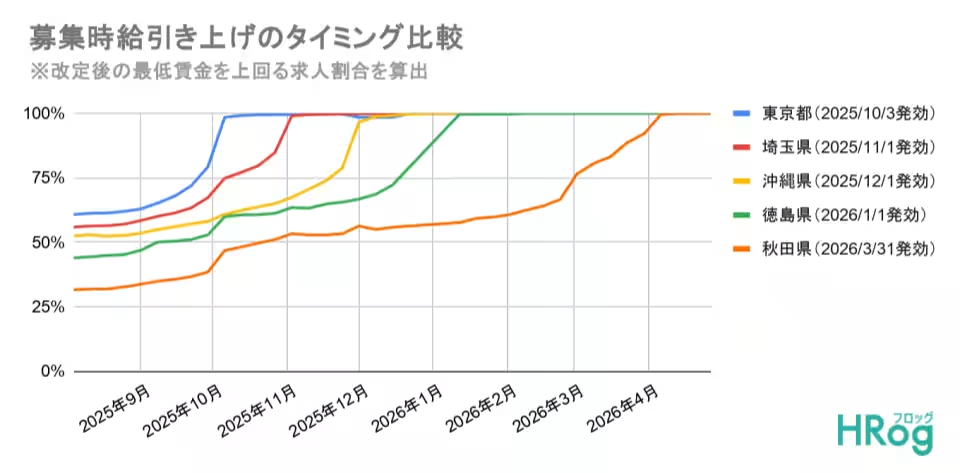
The analysis reveals that various regions have different responses to the increased minimum wage policies. Regions that implemented the new minimum wage later exhibited slower adjustments in job posting wages. Recruitments that catered to higher wage demands saw a delay in aligning with the newly instituted rates. This suggests businesses in areas with more significant wage increases may experience tighter margins, limiting their ability to adjust hourly wage postings adequately.
Analysis of Wage Disparities
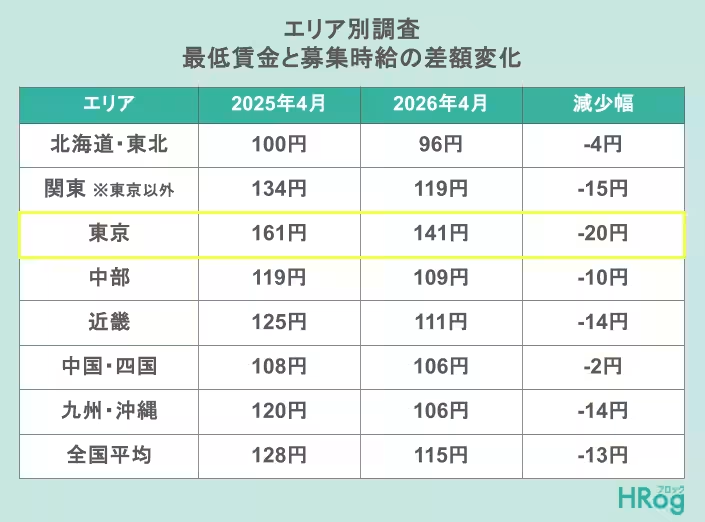
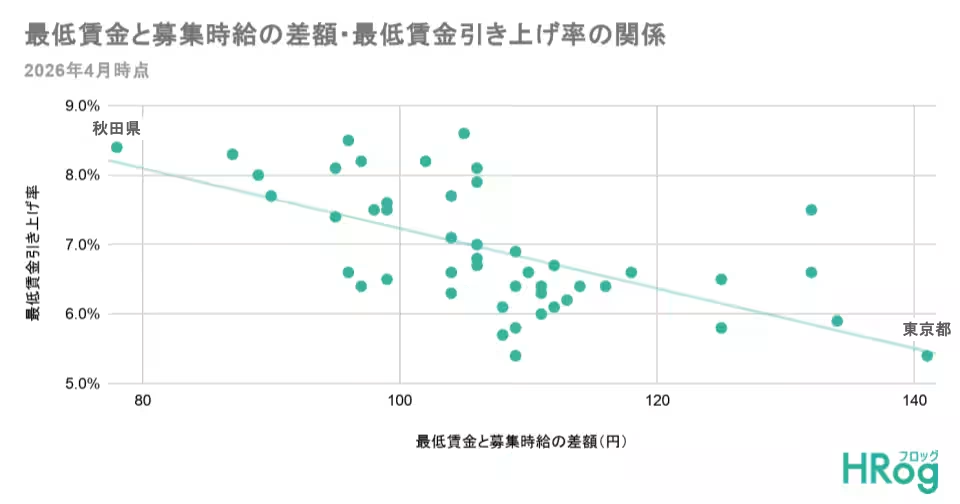
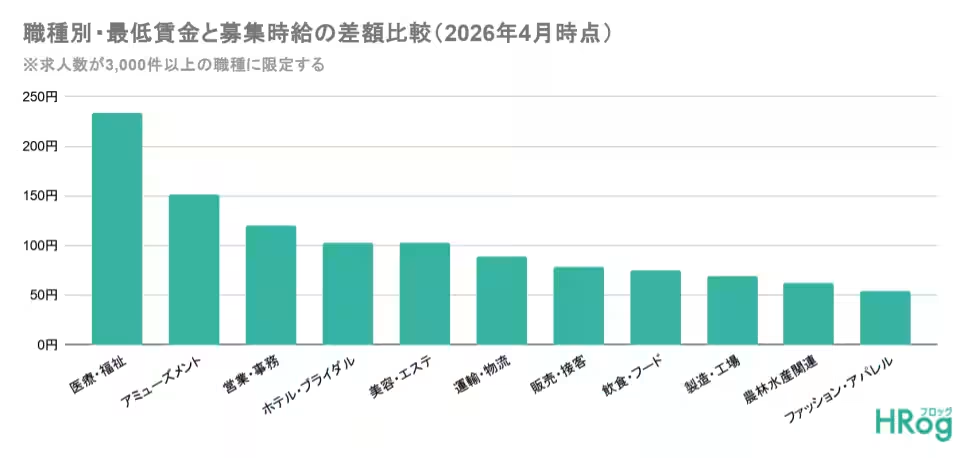
The gap between the minimum wage and job posting wages narrowed, dropping from 128 yen to 115 yen on average. This trend was apparent in all surveyed regions, with areas that historically had larger wage margins now narrowing in response to the raised minimum wage rates. The disparity is also reflected in various job sectors, particularly in healthcare and welfare, where the difference in minimum wage and job offers still remains substantial.
While the trend shows a decline in this wage gap, regions with a propensity for higher minimum wage increments are struggling to maintain competitive hourly pay rates. For instance, the metropolitan area of Tokyo displayed a reduction in wage disparity, further underscoring the challenges businesses face amidst rising labor costs.
Job Sector-Specific Trends
Specific job sectors exhibited differing levels of wage increases. The healthcare and welfare sectors had the largest wage differential at 234 yen above the minimum wage, suggesting a strong demand for specialized labor. Conversely, sectors such as fashion and apparel maintain minimal wage disparities, with some positions even aligning with the minimum wage itself, reflecting a challenging climate for retailers and quick-service businesses.
Across the board, sectors like retail and hospitality reported heightened percentages of job postings offering wages at the minimum level, indicating that the repercussions of minimum wage hikes trail deeper into these labor markets.
Conclusion
The analysis provided vital insights into the influence of the 2025 fiscal year minimum wage adjustments, highlighting a notable increase in job postings coupled with a sharp rise in the percentage of positions listed at minimum wage. As we head into 2026, businesses may need to reconsider their compensation strategies amid escalating demand for labor amidst economic pressures. The recruitment market continues to evolve rapidly, driven by substantial wage adjustments across various sectors, signifying a need for deeper analytics and robust hiring strategies in the evolving work environment.
For hiring managers and businesses interested in leveraging comprehensive recruitment data analytics, HRog offers a state-of-the-art solution to monitor ongoing trends effectively.
Topics Consumer Products & Retail)
【About Using Articles】
You can freely use the title and article content by linking to the page where the article is posted.
※ Images cannot be used.
【About Links】
Links are free to use.