



Understanding the Gratification of Becoming a Manager in Today's Uncertain Market
Insight into the Gratification of Managers
In recent years, many individuals have expressed mixed feelings about the demands and rewards of managerial roles. A promising survey done by ALL DIFFERENT Inc. and the Learning Innovation Institute captured insights from 531 managers across various sectors from May 20 to July 17, 2025. This study sheds light on what aspects of their roles managers appreciate the most and how these perceptions vary based on gender, career stage, and the operational focus of their positions.
Shift in Market Dynamics
As market conditions evolve rapidly, the expectations for managers have also intensified. They are now tasked with maintaining team performance levels amid a backdrop of economic stagnation, wage stagnation, and an era characterized by uncertainties. In such stressful environments, finding opportunities for personal and professional fulfillment becomes crucial. In this study, managers expressed a variety of facets they appreciate about their current positions—indicating aspects that transcend basic income.
Key Findings from the Study
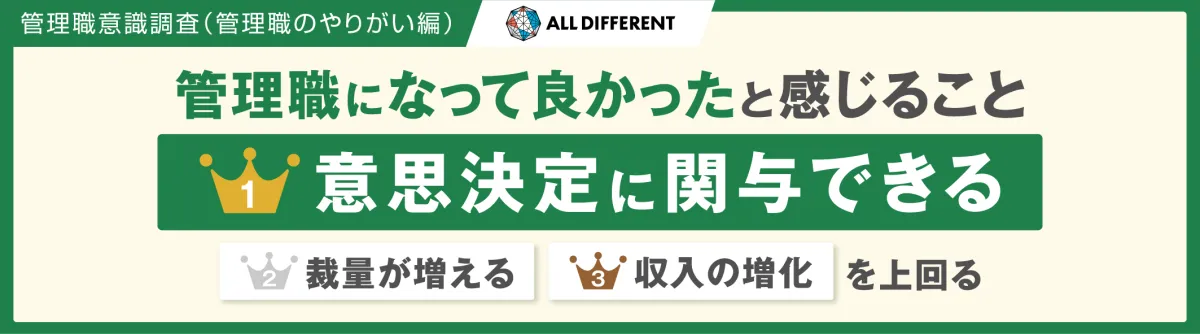
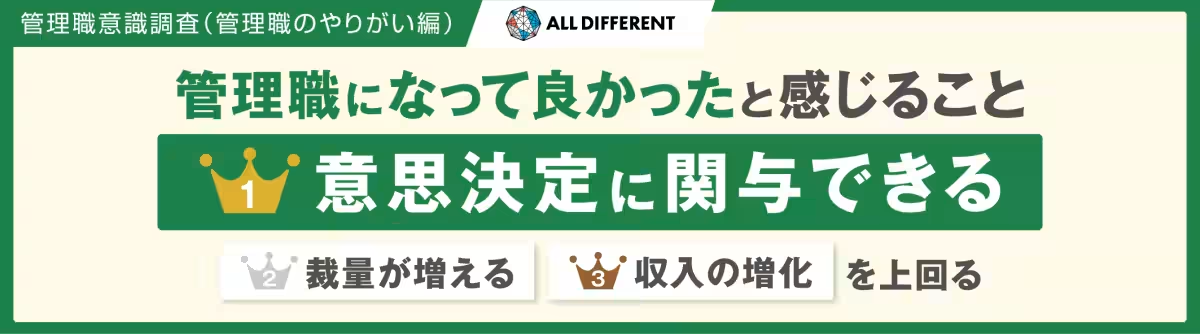
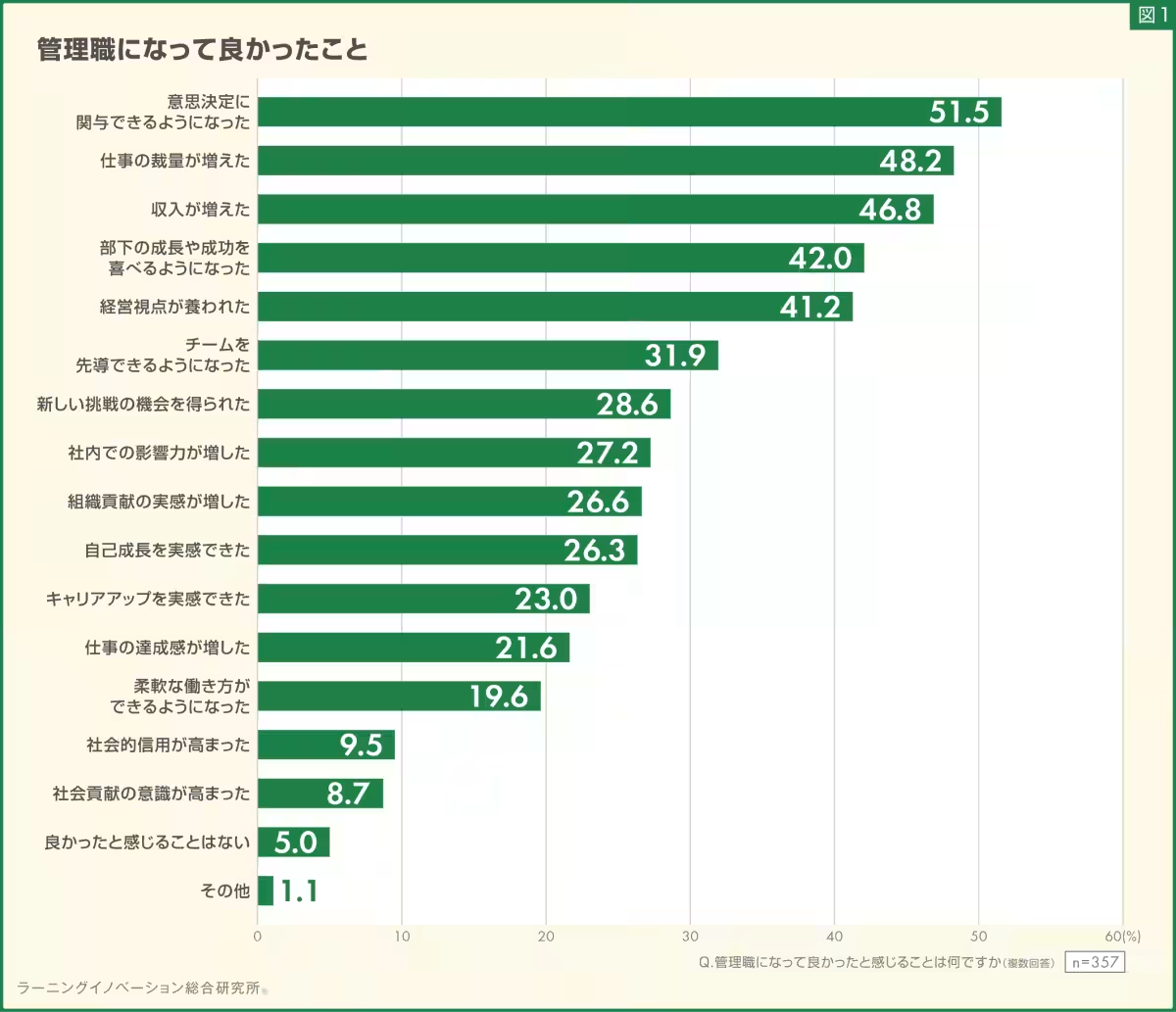
The top sentiment among managers was their involvement in decision-making, cited by over 51% of respondents. This indicates that having a voice in decisions that shape their teams and organizations adds significant value to their roles. Following closely were reports of increased job discretion at approximately 48.2% and income growth at 46.8%, suggesting that gratification derived from one's role often stems from autonomy rather than remuneration alone.
Moreover, 42% of respondents reported enjoying their teams' successes and growth. A notable 41.2% also highlighted the development of a broader business perspective as fulfilling aspects of their managerial positions. Only 5% felt they had no positive experiences as managers, underscoring the general appreciation for their roles.
Gender Perspectives
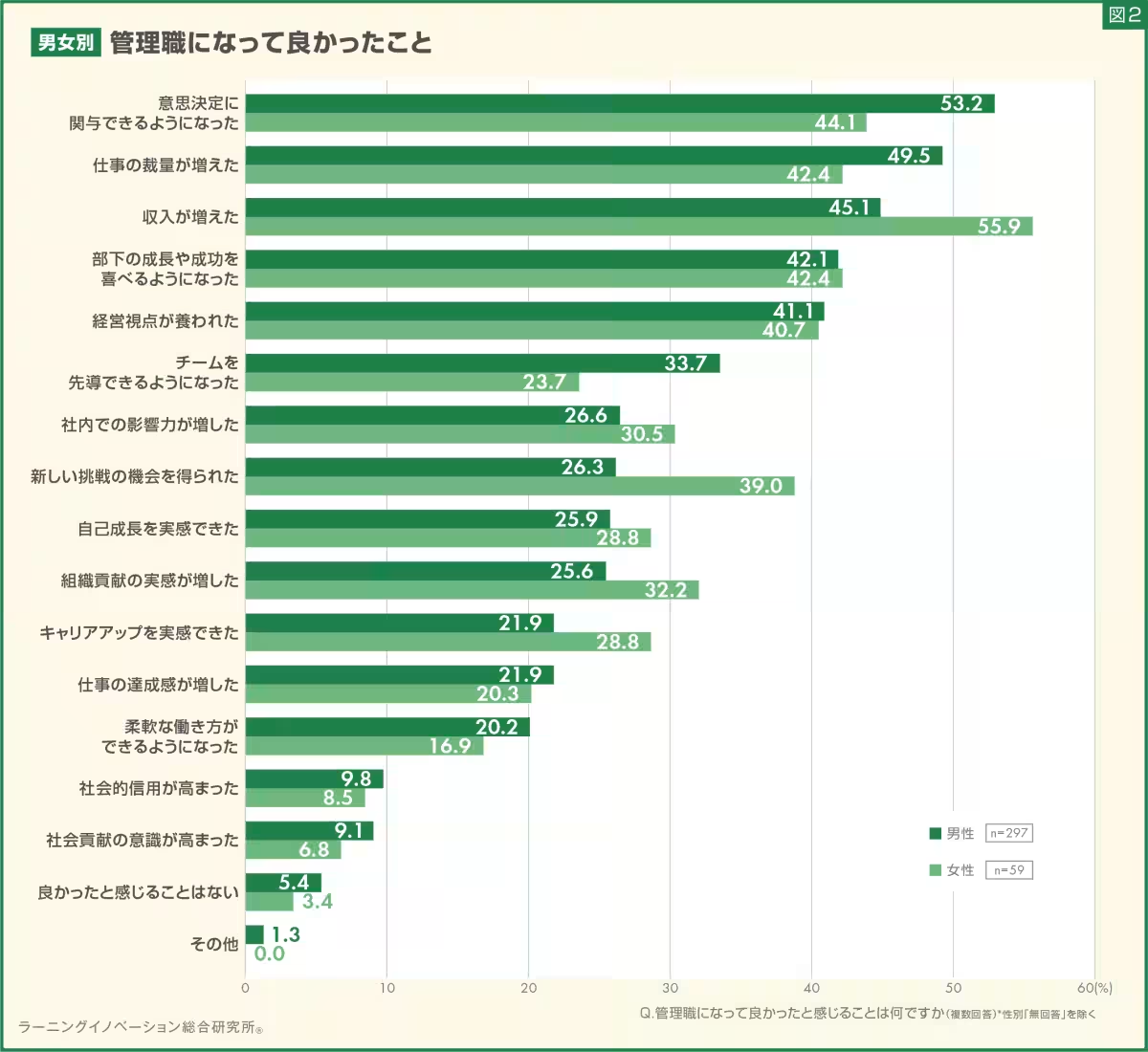
When analyzing responses by gender, differences emerged regarding what managers find most gratifying. For men, the top three responses were related to decision-making involvement (53.2%), increased job discretion (49.5%), and income growth (45.1%). In contrast, women prioritized income growth at 55.9%, followed by decision-making participation (44.1%) and enjoying the success of their teams (42.4%). This indicates that women might link their position to financial compensation more significantly than their male counterparts.
Stages of Management
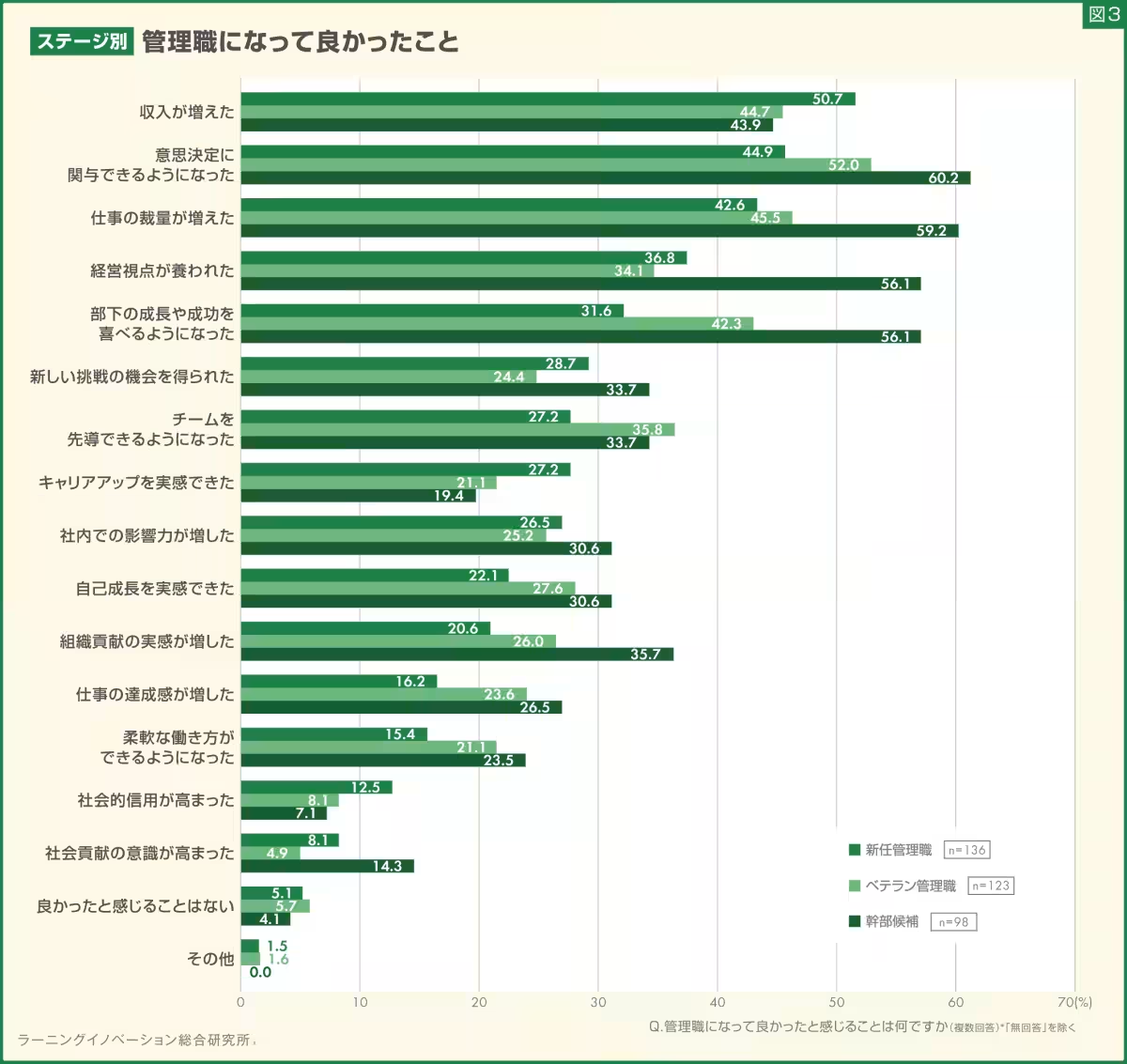
Assessing how perceptions vary by career stage revealed that newly appointed managers often prioritize income growth (50.7%), while seasoned managers value decision-making involvement (52% overall). For executive candidates, a remarkable 60.2% indicated that they appreciate their role's influence within decision-making as the most gratifying aspect.
Operational Focus Impact
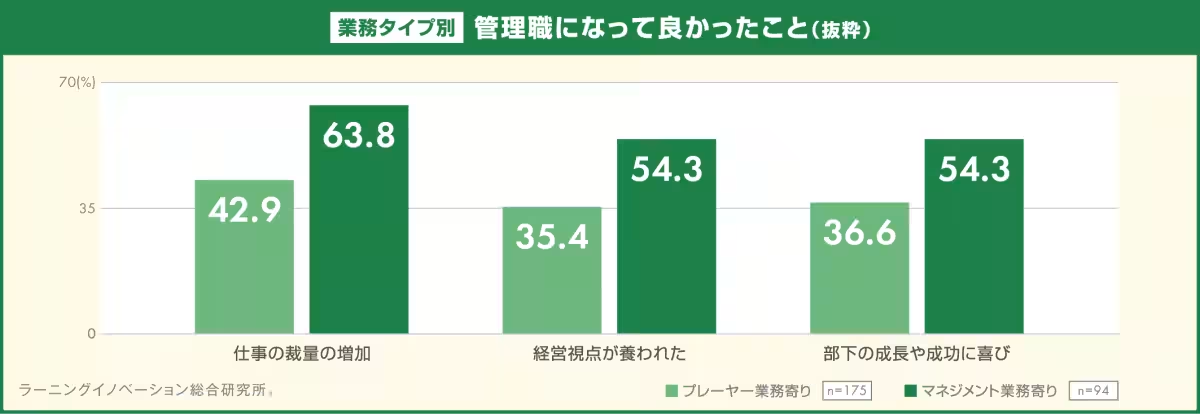
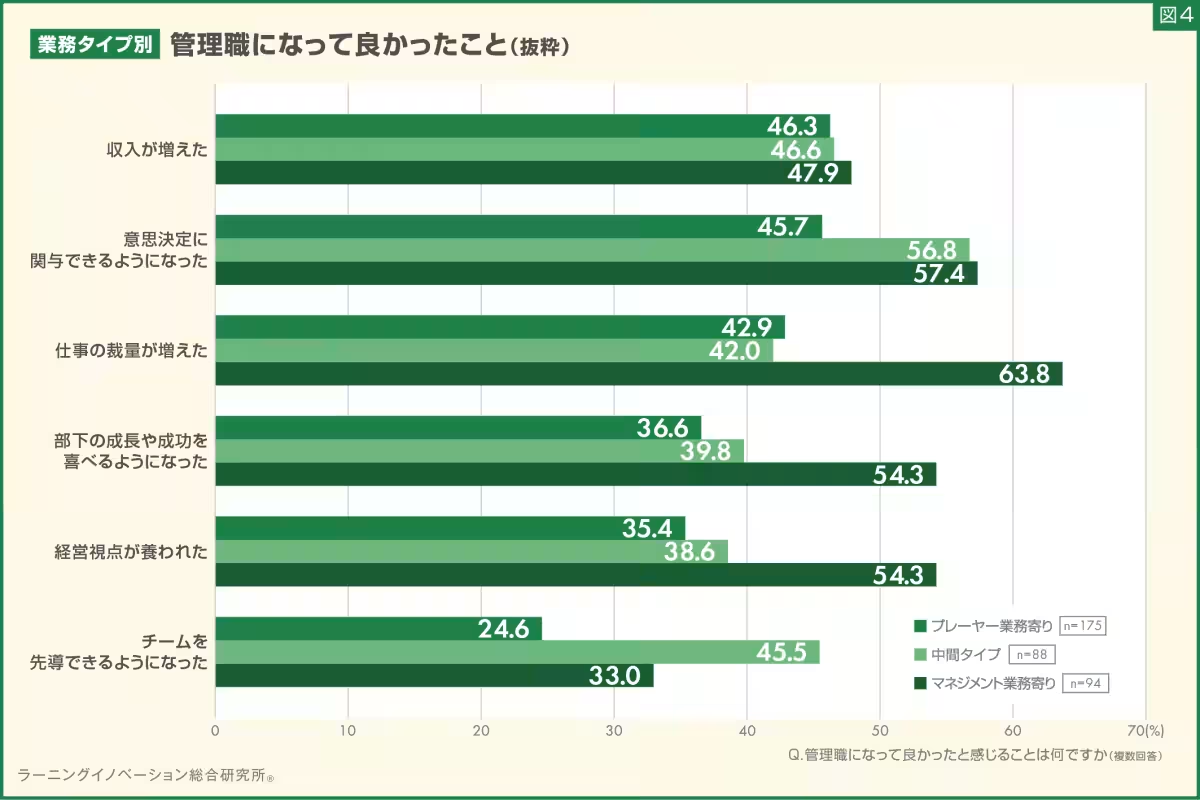
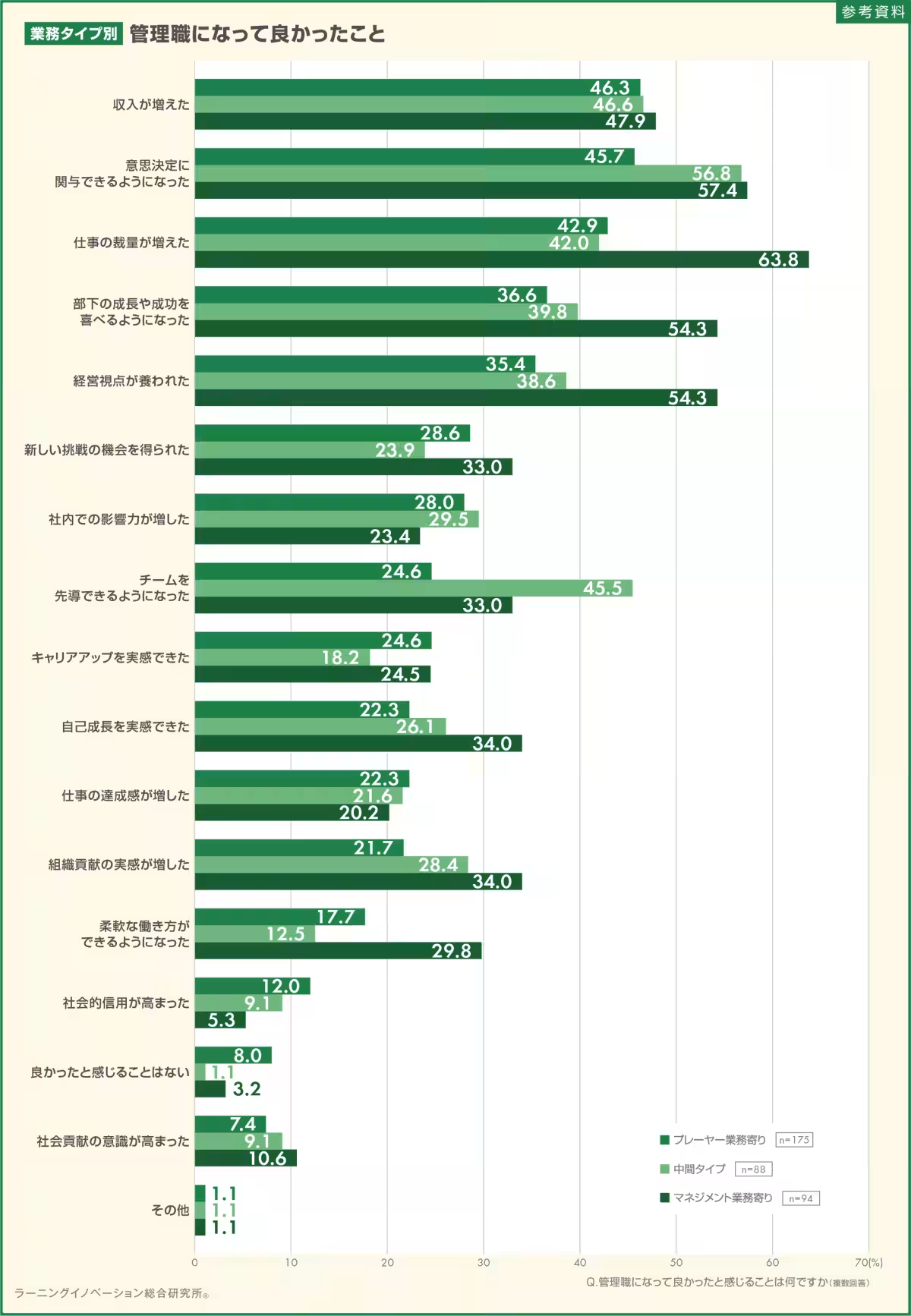
The study also explored how managers' operational focuses influence their satisfaction levels. Among manager types, those leaning towards player roles reported enjoying income growth (46.3%) as their top gratification, whereas those closer to management roles valued increased discretion the most (63.8%). This signifies that managerial responsibility tends to offer a greater sense of fulfillment than operational tasks.
Conclusion
Despite the well-documented pressures associated with managerial roles, this study reveals a surprising richness of appreciation among managers. The key reasons individuals feel positively about their positions include their active involvement in decision-making, a sense of autonomy, and financial benefits just being the tip of the iceberg. Notably, varied responses based on gender and management stages signify distinct motivational drivers, suggesting that organizations should tailor their approach to supporting managers effectively.
Identifying the sources of satisfaction among managerial roles can help companies create environments conducive to the growth and success of their leaders. Enhanced managerial support and recognition can positively influence workplace atmosphere and leadership development, fostering a more robust organizational culture overall.

Topics People & Culture)


【About Using Articles】
You can freely use the title and article content by linking to the page where the article is posted.
※ Images cannot be used.
【About Links】
Links are free to use.