



The Digital Transformation of Education: Insights from Recent Study on Japanese Schools
The Digital Transformation of Education: Insights from Recent Study
In recent years, the digital transformation of education has become increasingly evident, particularly in Japan. According to the latest findings from the Hakuhodo Foundation's Kodomo Research Institute, which surveyed students from the 4th grade of elementary school to the 3rd grade of junior high school, there are notable trends regarding how digital tools are being integrated into school curricula and homework assignments. The results highlighted the different perspectives between children and their parents on the matter of digital education.
Key Findings from the Survey
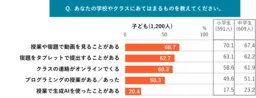
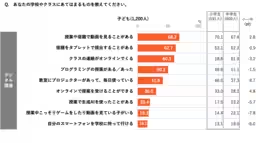
The second phase of the survey, titled "Reiwa School," unveiled that approximately 70% of students engage with video content as part of their lessons and homework. Furthermore, around 60% reported that they submit assignments via tablets. The survey indicates a consistent movement towards digitalization within educational settings, suggesting that technology is becoming a fundamental aspect of student life.
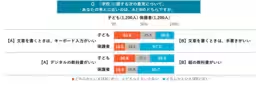
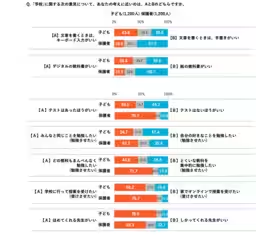
Additionally, when exploring the attitudes towards digital tools in education, significant disparities were observed between students and their parents. While 60% of parents preferred handwritten notes, children showed a preference for keyboard input, with 43.8% favoring typing over writing by hand (30.8%). The gap in opinions continued with textbooks; 60% of parents insisted on the use of paper books, while children's preferences were nearly split between digital and paper formats.
Insights on School Environment
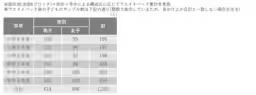
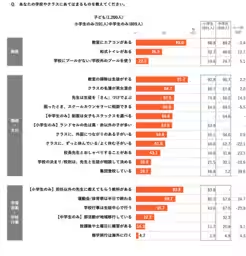
The survey findings also addressed various elements of the current school environment. An overwhelming 90% of respondents confirmed that their classrooms are equipped with air conditioning, and two-thirds noted that their class rosters include both boys and girls. Furthermore, many students (around 69%) feel comfortable seeking help from school counselors if needed.
In terms of maintaining traditional values, a striking 91.7% of students mentioned that they participate in cleaning their classrooms. This practice remains a strong cultural aspect of education in Japan, highlighting the balance between modern educational practices and enduring traditions.
Children's Voice vs. Parental Perspectives
The report also examined how children and parents perceive testing and curriculum choices. Children generally preferred 'not having tests,' while parents expressed a preference for structured testing environments. In another dimension, when asked about their learning preferences, children favored studying their interests over uniform subjects, which resonated more with their parents' preference for standardized learning.
The disparity between children's preferences and parental opinions indicates a potential gap in understanding how the digital landscape can cater to the needs and desires of modern learners.
Looking Ahead
As digital tools and technologies increasingly become ingrained in educational frameworks, schools must carefully navigate this transition. This ongoing shift not only reflects changes in teaching methodologies but also futher shapes children's educational experiences. The growing comfort with digital tools among students suggests a readiness for a new era of learning that merges traditional educational methods with modern technology.
Reflecting on these insights, it is essential for educators and stakeholders to consider children’s perspectives and preferences when developing educational policies. The comments from Yumi Fukushima, a senior researcher at the Hakuhodo Foundation's Kodomo Research Institute, highlight the importance of adapting to these changes: "Digitalization is irreversible. As we move into this age, it is fascinating to observe the learning journeys children will embark upon and the futures they will choose."
Conclusion
The continued evolution of educational practices underscores the need to address both the technological integration and the emotional well-being of students. Moving forward, the educational structures in Japan must strive to embrace innovation while honoring the traditional elements that have shaped the educational landscape for generations. This balance will be crucial as we face an ever-evolving digital future in education.

Topics Other)
【About Using Articles】
You can freely use the title and article content by linking to the page where the article is posted.
※ Images cannot be used.
【About Links】
Links are free to use.